Cardio Workouts: The Complete Guide To Boosting Fitness And Health
If you want to improve your health, feel more energetic, and manage your weight, cardio workouts are a great place to start. Cardio is not just for athletes, anyone can benefit from adding it to their routine. This guide explains what cardio workouts are, why they matter, and how you can use them to make real changes in your fitness and life.
What Is Cardio Workout?
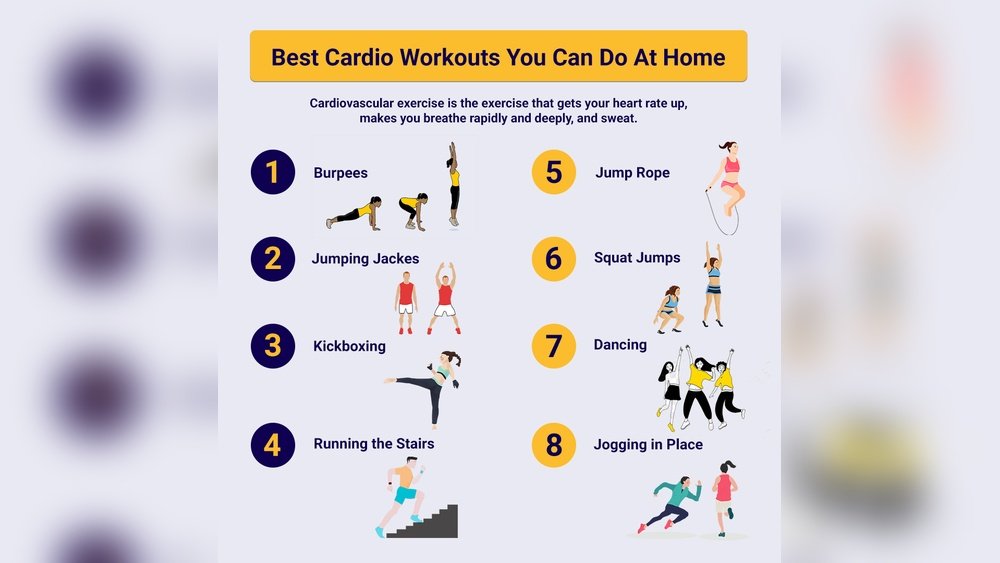
A cardio workout is any activity that makes your heart beat faster and keeps you moving for a period of time. The word “cardio” comes from “cardiovascular,” which means relating to the heart and blood vessels. Cardio exercises use large muscle groups and increase your breathing and heart rate, helping your body work more efficiently.
Some examples of cardio workouts are walking, running, cycling, swimming, and jumping rope. You can do cardio outdoors, at the gym, or even at home. Cardio is often called “aerobic exercise” because it uses oxygen to produce energy for your muscles.
Why Cardio Is Important For Fitness
Regular cardio workouts are essential for overall fitness. When you do cardio, your heart, lungs, and muscles all work together. This improves your stamina and makes daily tasks easier. Cardio also helps prevent diseases, control your weight, and boost your mood.
For most people, cardio is the foundation of a balanced fitness plan. Without it, you may feel tired, gain weight, or face health problems. Even small amounts of cardio, like a brisk walk, can make a big difference.
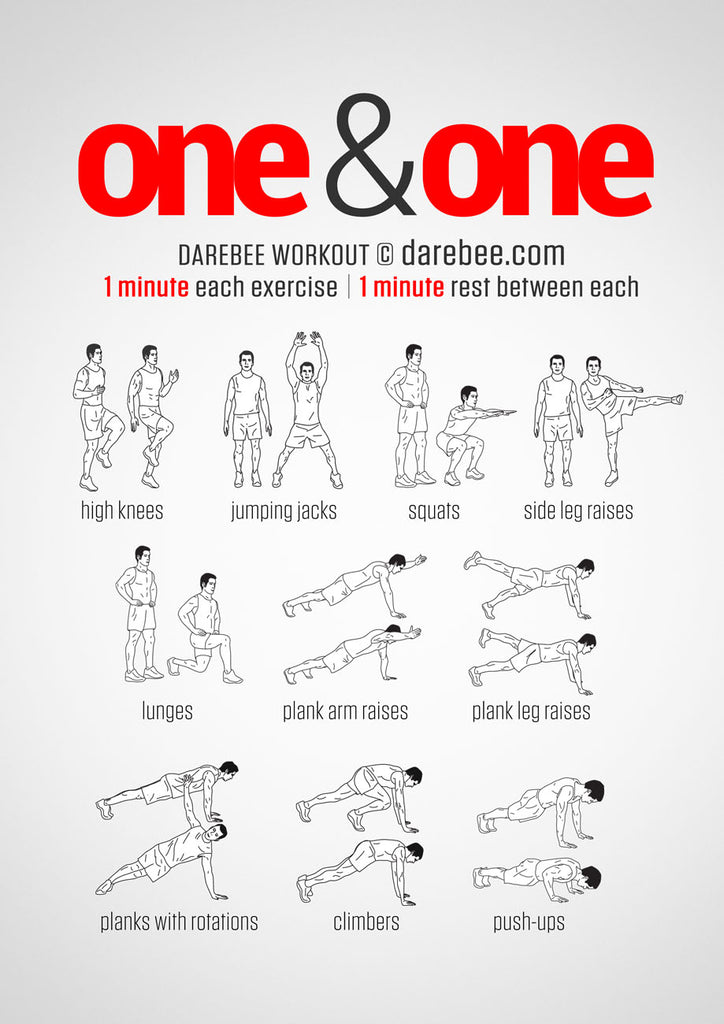
Credit: thejodhpurscompany.com
Key Benefits Of Cardio Workouts
1. Heart Health
Cardio workouts strengthen your heart muscle. A strong heart pumps blood more efficiently, lowering your risk of heart disease and stroke. Studies show that people who do regular cardio have healthier blood pressure and cholesterol levels.
2. Endurance And Stamina
Doing cardio often improves your endurance. You can walk, run, or climb stairs for longer without feeling tired. This makes everyday activities easier, from carrying groceries to playing with your kids.
3. Calorie Burning And Weight Management
Cardio burns more calories than many other types of exercise. This helps you lose weight or maintain a healthy weight. For example, running for 30 minutes can burn about 300–400 calories, depending on your speed and weight.
4. Mental Well-being
Cardio workouts release chemicals called endorphins. These make you feel happy and reduce stress. Regular cardio can lower anxiety, improve sleep, and help fight depression. Many people find that a walk or run clears their mind and boosts their mood.
5. Other Health Benefits
- Lowers risk of diabetes
- Improves lung function
- Boosts immune system
- Helps with blood sugar control
Different Types Of Cardio Workouts
Cardio is not just about running. There are many ways to move your body and get your heart pumping. Here are some popular types of cardio, each with unique benefits.
Walking
Walking is the simplest and safest form of cardio. It’s easy on the joints and suitable for people of all ages. You can walk indoors on a treadmill or outside in the park. Brisk walking (about 3–4 miles per hour) is enough to get health benefits.
Running
Running burns more calories and builds endurance faster than walking. It’s a high-impact activity, so it’s not ideal for everyone. You can run outdoors, on tracks, or on treadmills. Many beginners start with a mix of walking and running.
Cycling
Cycling is a low-impact cardio workout. It’s good for people with joint problems. You can cycle outdoors or use a stationary bike. Cycling works your legs and improves balance. It’s also fun and can be social.
Hiit (high-intensity Interval Training)
HIIT is a type of cardio that alternates short bursts of intense activity with rest or low-intensity exercise. For example, you might sprint for 30 seconds, rest for 1 minute, and repeat. HIIT burns a lot of calories in a short time and increases fitness quickly.
Low-impact Cardio
Low-impact cardio is gentle on your body. Examples include elliptical machines, water aerobics, or dancing. These are good for older adults or people recovering from injuries.
Swimming
Swimming is a full-body cardio workout. It builds strength, burns calories, and is easy on the joints. Swimming is great for people with arthritis or back pain.
Rowing
Rowing uses both your arms and legs. It’s a powerful cardio workout and also builds muscle. You can row on water or use a rowing machine.
Stair Climbing
Climbing stairs is a tough cardio workout. It strengthens your legs and burns more calories than walking. You can use stair machines at the gym or climb real stairs.
Here’s a quick comparison of popular cardio types:
| Type | Impact Level | Calories Burned (30 min) | Best For |
|---|---|---|---|
| Walking | Low | 120–180 | Beginners, joint issues |
| Running | High | 300–400 | Endurance, weight loss |
| Cycling | Low | 240–350 | Joint protection |
| HIIT | Variable | 250–400 | Quick results |
| Swimming | Low | 250–350 | Full body, injury recovery |
| Rowing | Medium | 250–350 | Muscle & cardio |
| Stair Climbing | High | 300–400 | Leg strength, calorie burn |
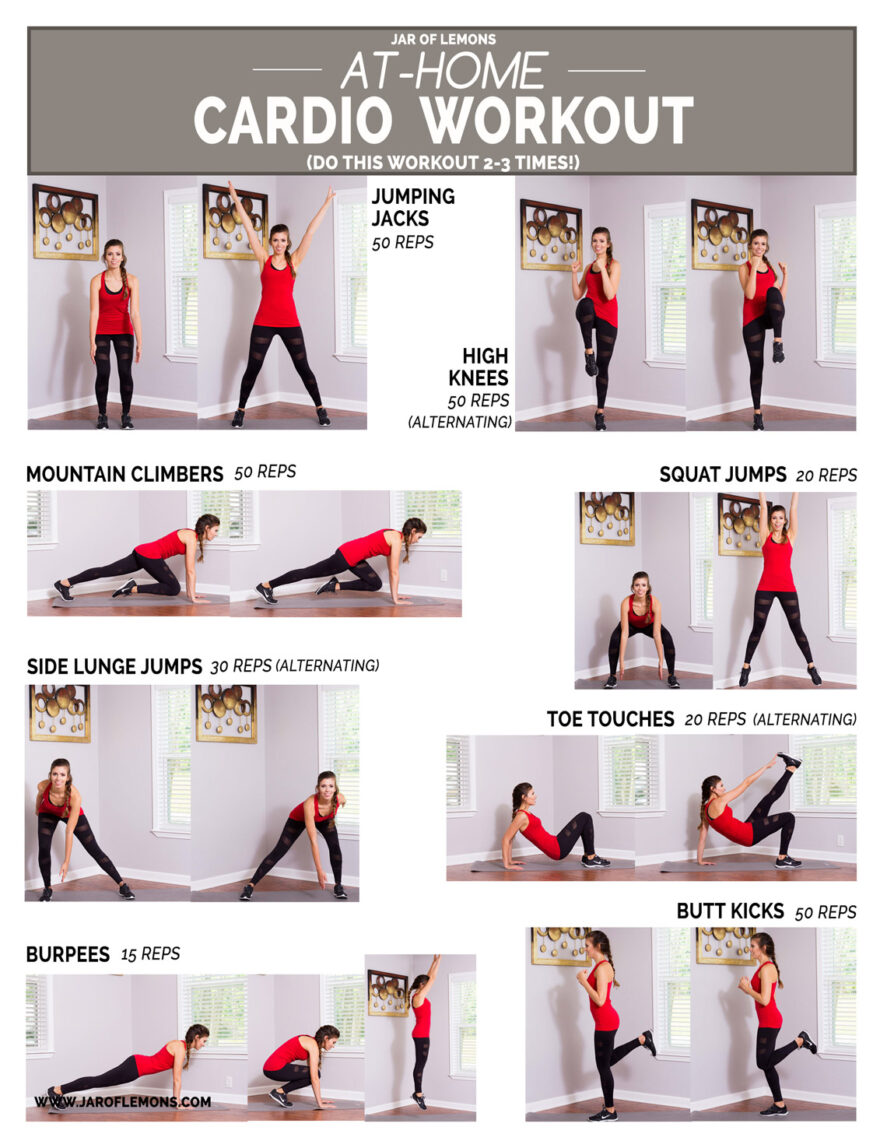
Credit: www.infinibandta.org
Best Cardio Equipment For Home And Gym
Choosing the right equipment can make cardio workouts more enjoyable and effective. Here are the most popular options:
Treadmill
A treadmill allows you to walk or run indoors. You can adjust the speed and incline to make your workout harder or easier. Treadmills are great for all fitness levels and offer a safe space to exercise, even in bad weather.
Folding Treadmill
A folding treadmill is similar to a regular treadmill but saves space. You can fold it up when you’re done. This is perfect for small apartments or homes.
Air Bike
An air bike uses a fan to create resistance as you pedal and move the handles. The harder you work, the more resistance you feel. Air bikes provide an intense workout, and you can use your arms and legs together.
Spin Bike
A spin bike is designed for indoor cycling classes. You can adjust the resistance to simulate hills or flat roads. Spin bikes are good for cardio and leg strength. Many gyms offer spin classes for extra motivation.
Here’s a comparison of cardio equipment:
| Equipment | Space Needed | Features | Best For |
|---|---|---|---|
| Treadmill | Medium | Speed, incline, programs | Walking, running |
| Folding Treadmill | Small | Foldable, compact | Home use |
| Air Bike | Medium | Fan resistance, dual action | High intensity |
| Spin Bike | Medium | Adjustable resistance | Cycling workouts |
Cardio Workout Examples For All Levels
Everyone can do cardio, but the right workout depends on your experience and goals. Here are sample routines for beginners, intermediate, and advanced levels.
Warm-up Tips
Always start your cardio with a warm-up. This prepares your muscles and heart, reducing injury risk.
- 5–10 minutes of walking or slow cycling
- Gentle stretching of legs, arms, and back
- Marching in place or arm circles
Beginner Cardio Workout
If you’re new to cardio, keep things simple and gentle.
- Walk briskly for 20–30 minutes, 3–4 times per week.
- Try cycling on a stationary bike for 15–20 minutes.
- Swim at an easy pace for 15–20 minutes.
- Use a treadmill at a slow speed for 20 minutes.
Tips:
- Go slow and listen to your body.
- Rest if you feel tired or dizzy.
- Focus on steady movement, not speed.
Intermediate Cardio Workout
If you already exercise, try mixing things up.
- Jog or run for 30 minutes, 2–3 times a week.
- Add HIIT: 1 minute of fast cycling, 2 minutes slow, repeat for 20 minutes.
- Swim laps with moderate intensity for 25 minutes.
- Row on a machine for 20 minutes.
Tips:
- Increase speed or resistance gradually.
- Try new activities to avoid boredom.
- Track your progress with a fitness app.
Advanced Cardio Workout
If you’re fit and want a challenge, push harder.
- Run intervals: Sprint 1 minute, walk 2 minutes, repeat for 30 minutes.
- HIIT circuit: Jump rope 1 minute, burpees 1 minute, rest 1 minute, repeat 5 times.
- Spin bike: 30–45 minutes with changing resistance.
- Swim sprints: Fast laps for 30 seconds, slow laps for 1 minute, repeat for 20 minutes.
Tips:
- Monitor heart rate for safety.
- Include strength moves like squats or lunges.
- Mix cardio with strength for balanced fitness.
Cool-down Tips
After your workout, cool down to help your body recover.
- Walk slowly for 5–10 minutes
- Stretch major muscles: Calves, quads, hamstrings, shoulders
- Breathe deeply and relax
Common Mistakes To Avoid
Even experienced people make mistakes during cardio. Here are some to watch out for:
- Skipping warm-up or cool-down
- Doing too much too soon (overtraining)
- Not drinking enough water
- Using poor form (slouching, wrong shoes)
- Ignoring pain or fatigue
- Doing the same workout every time (plateau)
Beginner insight: Many people think more cardio always means better results. In reality, rest days are important for progress and injury prevention.
Another mistake is forgetting to adjust workouts as you get fitter. You need to make your routine harder over time to keep seeing results.
Recommended Cardio Frequency
How often should you do cardio? Experts suggest:
- 150 minutes per week of moderate cardio (like brisk walking)
- Or 75 minutes per week of vigorous cardio (like running or HIIT)
You can break this into 20–30 minute sessions, 3–5 times a week. For weight loss or extra health benefits, aim for more. Listen to your body, and take rest days when needed.
Here’s a sample weekly cardio plan:
| Day | Activity | Duration | Intensity |
|---|---|---|---|
| Monday | Brisk walking | 30 min | Moderate |
| Wednesday | Cycling | 25 min | Moderate |
| Friday | HIIT | 20 min | High |
| Saturday | Swimming | 20 min | Moderate |

Credit: utswmed.org
Safety Tips For Cardio Workouts
Safety is always important, especially if you’re new or returning to exercise.
- Check with your doctor if you have heart problems, diabetes, or injuries.
- Wear comfortable shoes and clothes.
- Drink water before, during, and after workouts.
- Start slow and build up gradually.
- Stop if you feel pain, dizziness, or shortness of breath.
Non-obvious tip: If you exercise outdoors, avoid extreme heat or cold. Early morning or evening is safer.
Another overlooked tip is to vary your workouts to protect your joints and avoid overuse injuries.
Frequently Asked Questions
How Long Should My Cardio Workouts Be?
For general health, aim for 20–30 minutes per session. Beginners can start with 10–15 minutes and build up. For weight loss or endurance, longer sessions or higher intensity may help.
What Is The Best Cardio Exercise For Losing Weight?
Running, HIIT, and stair climbing burn the most calories in less time. However, the best cardio is the one you enjoy and can do regularly. Consistency is more important than intensity.
Can I Do Cardio Every Day?
Yes, but it’s wise to mix high and low intensity, and include rest days. Doing intense cardio daily can lead to fatigue or injury. Listen to your body and balance with strength training.
Is It Better To Do Cardio Before Or After Weights?
Both ways work, but if your main goal is cardio (like improving endurance), do it first. If you want to build muscle, do weights first. For mixed workouts, you can alternate days.
How Do I Know If My Cardio Workout Is Effective?
You should feel your heart rate increase, breathe harder, and sweat. Over time, you’ll notice more energy, better mood, and improved endurance. Using a fitness tracker or heart rate monitor can help.
Final Thoughts
Cardio workouts are a powerful tool for health, weight management, and mental well-being. With many types and equipment options, you can find a routine that fits your lifestyle and goals. Remember to start slowly, use proper form, and avoid common mistakes. Cardio is not just about burning calories—it’s about building a stronger, healthier, and happier you.
For more detailed guidance on aerobic exercise, check out this Wikipedia overview.
With the right approach, cardio can become a fun and rewarding part of your life. Start today, and enjoy the benefits for years to come.
I am a certified fitness coach with over 10 years of experience helping people improve their strength, endurance, and overall health. Specializes in workout programming, weight training, fat loss, muscle building, home fitness, and evidence-based nutrition.My goal is to make fitness simple and practical through well-researched guides, honest product reviews, and actionable training advice.