Home workouts are now a major trend in fitness, offering people a practical way to exercise without needing a gym. With technology, busy lifestyles, and recent health concerns, more people are turning to home workouts for their fitness needs. This article explains what home workouts are, who can benefit, the advantages, types of workouts, essential equipment, sample routines, and expert tips for staying safe and motivated.
Whether you’re a beginner or advanced athlete, you’ll find clear, actionable advice to help you build a successful home fitness routine.
What Are Home Workouts?
Home workouts are exercise routines performed at home or in any private space, often with minimal equipment. You can use your own body weight, simple gear like resistance bands, or more advanced tools like dumbbells and treadmills. Many home workouts require little space and can be done in living rooms, bedrooms, garages, or even outdoors. Some people even use furniture, such as chairs or stairs, to add variety and challenge. For example, step-ups on a staircase or tricep dips on a sturdy chair are great ways to use your environment creatively.
Who Are Home Workouts Suitable For?
Home workouts are ideal for:
- People with busy schedules who can’t get to the gym
- Beginners who feel shy or nervous in public fitness spaces
- Those with limited access to gyms due to location or cost
- Parents or caregivers who need to stay home
- Anyone wanting to save time and money
Home workouts also suit those who travel often. If you stay in hotels or visit relatives, you can still keep your routine using bodyweight exercises or portable bands. Even seniors or people with mobility limitations can design safe routines with chair exercises and gentle stretches.
Why Have Home Workouts Become Popular?
The rise of home workouts is linked to several factors:
- COVID-19 lockdowns forced gyms to close
- Online fitness apps and video classes made workouts accessible
- People value convenience and flexibility in their routines
- Home workouts allow for privacy and comfort
A recent survey by Statista found that over 25% of Americans tried a home workout in the last year, and the trend is strong worldwide. More fitness brands now offer interactive classes and live streams, making it easier than ever to exercise at home. Social media also encourages home workouts by sharing routines, tips, and motivational challenges.
Key Benefits Of Home Workouts
Convenience
You can exercise at any time without travel. No need to wait for equipment or deal with crowded gyms. This flexibility makes it easier to fit workouts into your day. For example, you can squeeze in a quick session before breakfast, during a lunch break, or while watching TV in the evening.
Cost Savings
Home workouts save money on gym memberships, travel, and expensive gear. You only need basic equipment or even just your body weight. Many free workout videos are available online, so you don’t need to pay for classes. Over time, these savings can be significant.
Flexibility
You can choose your workout type, length, and intensity. Modify routines for your goals or fitness level. Try new exercises with online videos and tutorials. If you get bored, you can easily switch your routine or try new programs. Some people like to mix dance workouts, strength sessions, and yoga for variety.
Improved Fitness
Regular home workouts help you build strength, endurance, and flexibility. Consistency leads to real results over time. You can track your progress and set new goals as you improve. It’s easier to adjust your plan if you want to focus more on strength or cardio.
Consistency
With workouts at home, it’s easier to stick to a routine. No excuses about bad weather or closed gyms. This leads to better long-term progress. Setting a regular time for exercise, such as before work or after dinner, can help you form a lasting habit.
Additional Insights
Many people find home workouts help with mental health. The privacy and comfort of home can reduce anxiety and make exercise more enjoyable. Also, you can involve family or friends for motivation. For example, parents can exercise with their children, making fitness a family activity. This builds healthy habits for everyone and adds fun to your routine.
Types Of Home Workouts
There are many ways to exercise at home. Here are the most popular types:
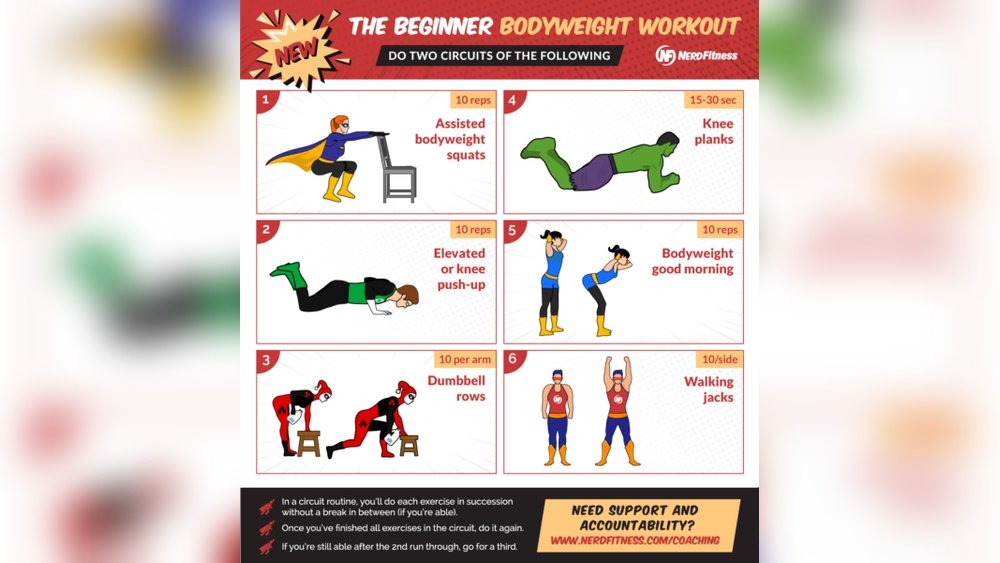
Bodyweight Training
Use your own weight for resistance. Common exercises include:
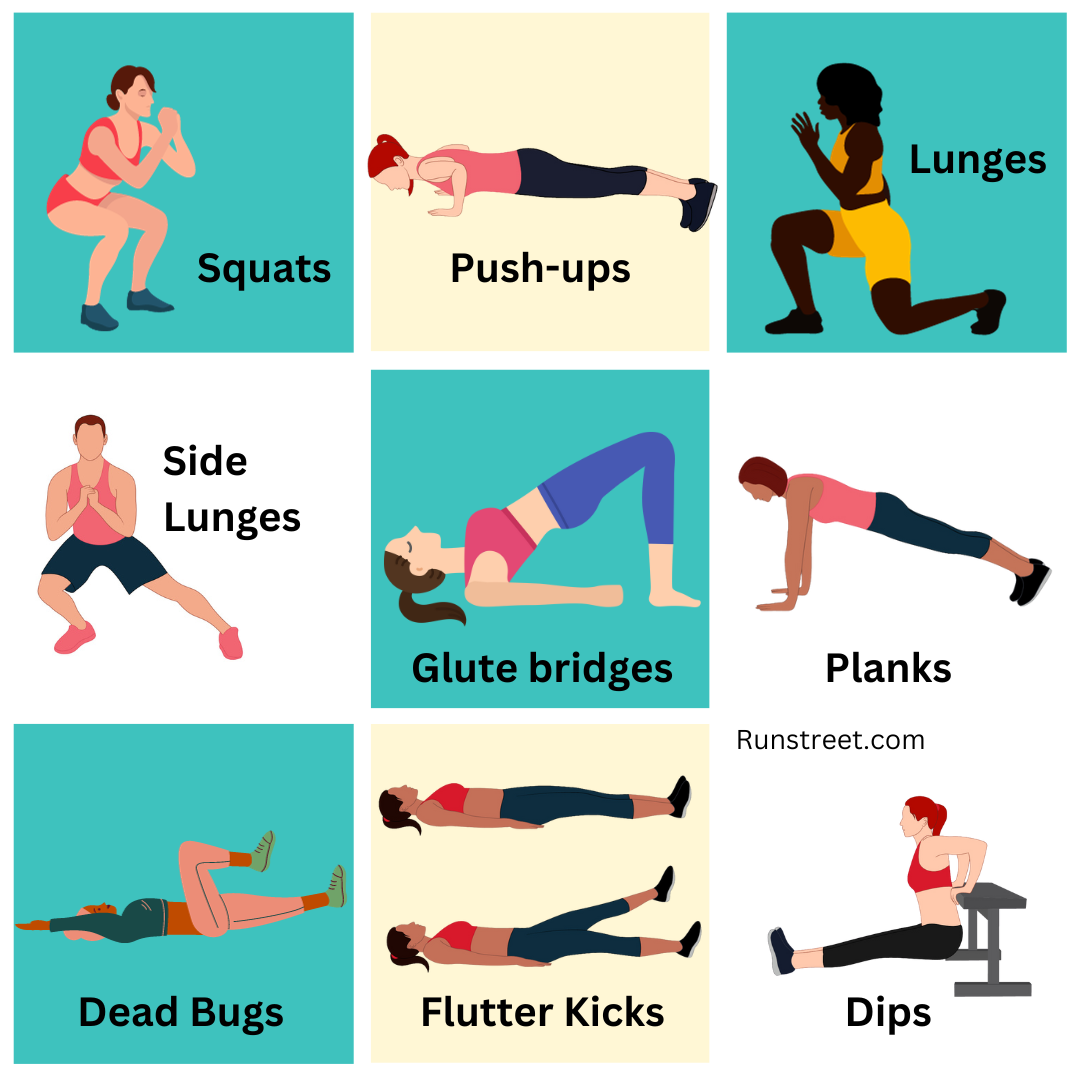
- Push-ups
- Squats
- Lunges
- Planks
Bodyweight training builds strength, stability, and coordination. It’s easy to progress by changing tempo, adding reps, or using single-leg versions like pistol squats.
Strength Training
Use equipment like dumbbells, kettlebells, or resistance bands. Focuses on muscle growth and power. Examples:
- Bicep curls
- Shoulder presses
- Deadlifts
Strength training can be tailored to different fitness levels. Beginners may start with lighter weights or fewer reps, while advanced users can increase resistance.
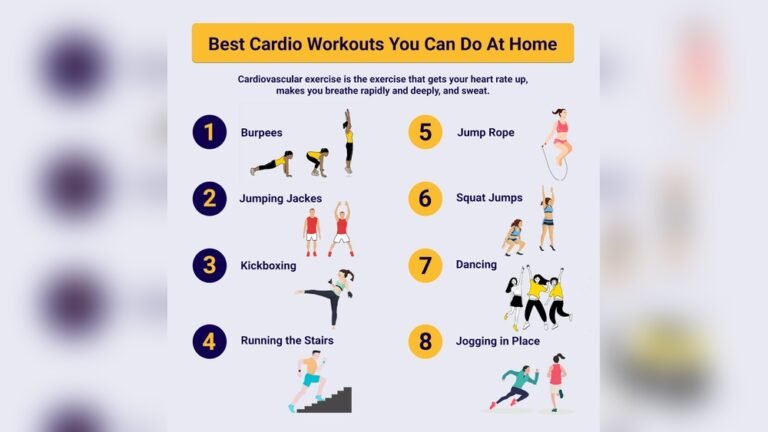
Cardio Workouts
Increase your heart rate for better endurance and fat loss. Simple at-home cardio includes:
- Jumping jacks
- High knees
- Burpees
- Running in place
For extra challenge, try shadow boxing or skipping rope. Cardio routines can be short and intense or longer and steady, depending on your goals.
Hiit (high-intensity Interval Training)
Alternate short bursts of intense activity with periods of rest. HIIT burns more calories in less time. Example routine:
- 30 seconds sprint (or fast jumping jacks)
- 30 seconds rest
- Repeat for 10–20 minutes
HIIT workouts can use bodyweight, bands, or equipment. This method is popular for fat loss and improving aerobic fitness quickly.
Yoga
Focuses on flexibility, balance, and relaxation. Yoga routines range from gentle stretching to challenging poses. Great for stress relief and mobility. Many people use yoga to recover from harder workouts or to improve sleep quality.
Mobility Training
Improves joint movement and reduces injury risk. Includes:
- Dynamic stretching
- Foam rolling
- Controlled movements
Mobility is often overlooked but is essential for long-term health and athletic performance. Even five minutes a day can make a difference.
Resistance Band Exercises
Resistance bands are cheap, light, and versatile. They help with strength, stability, and rehab. Common moves:
- Band rows
- Band chest presses
- Band squats
Bands are ideal for people with limited space or those who travel. You can use different band thickness to adjust resistance.
Practical Example
Many people combine types for a balanced routine. For example, a 30-minute session could include 10 minutes cardio, 10 minutes strength, and 10 minutes yoga. This mix helps you avoid boredom and trains different parts of your body.
Essential Equipment For Home Workouts
While you can work out with no equipment, some tools make routines more effective and varied.
| Equipment | Uses | Cost Range |
|---|---|---|
| Dumbbells | Strength, toning, muscle growth | $20–$100 per pair |
| Kettlebells | Full-body training, cardio, strength | $30–$80 each |
| Resistance Bands | Strength, rehab, flexibility | $10–$40 per set |
| Adjustable Bench | Support for presses, rows, step-ups | $80–$200 |
| Pull-Up Bar | Upper body strength, core | $25–$70 |
| Air Bike | Cardio, HIIT | $120–$600 |
| Spin Bike | Cardio, endurance | $150–$800 |
| Treadmill | Running, walking, interval training | $300–$2000 |
| Exercise Mat | Comfort, safety, yoga, stretching | $15–$50 |
Equipment Tips
- Start with resistance bands or dumbbells for variety
- An exercise mat protects your joints and floor
- For cardio, a spin bike or treadmill can boost intensity
- Pull-up bars can fit in doorways for upper body strength
You don’t need to buy everything at once. Start with the basics and add more equipment as your routine expands. Look for adjustable dumbbells or bands with different resistance levels to save space and money.
Non-obvious Insight
Many beginners skip buying a mat, but it’s key for comfort and preventing injuries. Also, adjustable benches help with many exercises, not just bench presses. Some people use household items like filled water bottles as weights or towels for sliding lunges if they don’t want to invest right away.
Sample Home Workout Routines
No matter your level, you need a clear plan. Here are routines for beginners, intermediates, and advanced athletes. Each includes warm-up and cool-down for safety.
Warm-up Recommendations
A good warm-up prepares your body, improves performance, and prevents injury. Try:
- 5 minutes brisk walking or jogging in place
- Arm circles, hip rotations, light stretching
Warming up also increases blood flow to your muscles and helps you mentally prepare for exercise. Skipping warm-ups can make workouts feel harder and increase the risk of muscle strains.
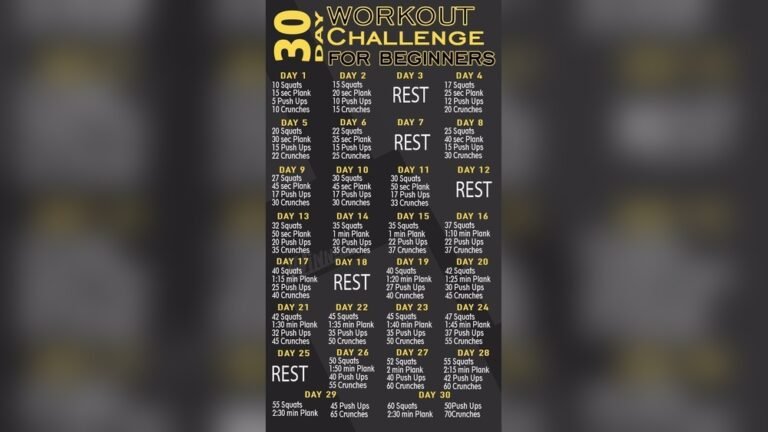
Beginner Home Workout (30–35 Minutes)
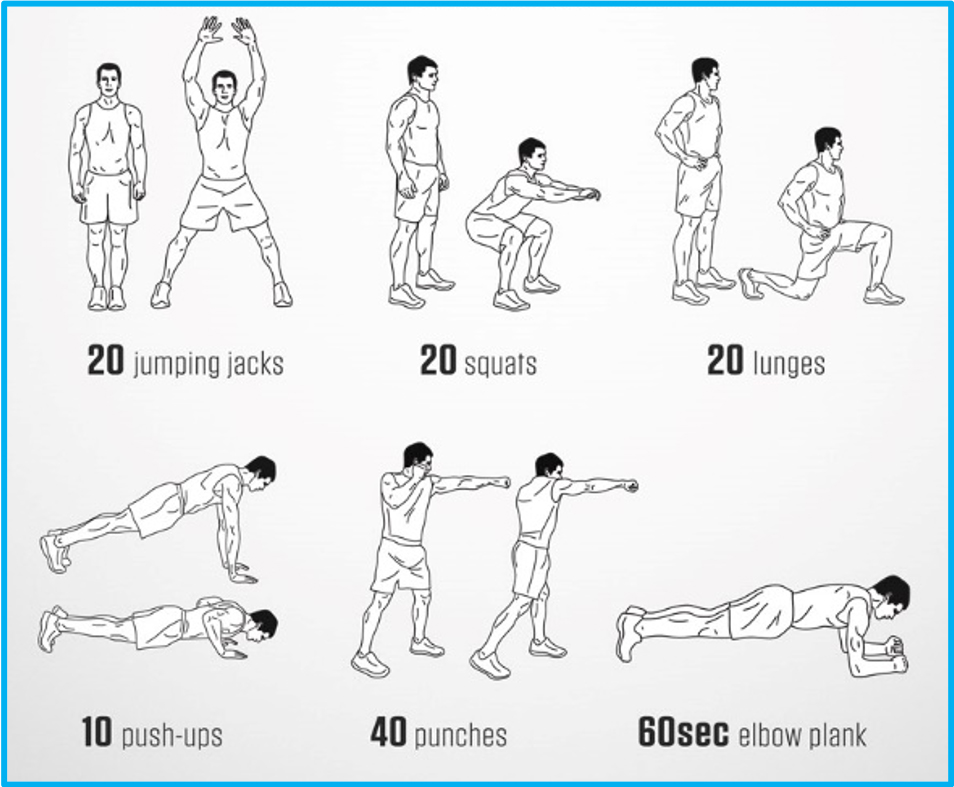
- Bodyweight squats – 3 sets x 12 reps
- Push-ups (knee or regular) – 3 sets x 8 reps
- Standing lunges – 3 sets x 10 reps each leg
- Plank – 3 sets x 20 seconds
- Resistance band rows – 3 sets x 12 reps
Cool-down: 5 Minutes Stretching (hamstrings, Quads, Shoulders)
Beginners should focus on learning correct form. If an exercise feels too hard, reduce reps or switch to easier variations. Over time, add more reps or sets as you improve.
Intermediate Home Workout (40–45 Minutes)
- Jumping jacks – 3 sets x 30 seconds
- Dumbbell bench press – 3 sets x 10 reps
- Bulgarian split squats (using bench) – 3 sets x 10 reps each leg
- Pull-ups or assisted pull-ups – 3 sets x 6 reps
- Kettlebell swings – 3 sets x 15 reps
- Plank with leg lifts – 3 sets x 30 seconds
Cool-down: 5–7 Minutes Yoga Stretches (downward Dog, Child’s Pose)
Intermediate routines add more equipment and intensity. Challenge yourself but keep good form. If you miss a rep, don’t worry—focus on gradual improvement.
Advanced Home Workout (50–60 Minutes)
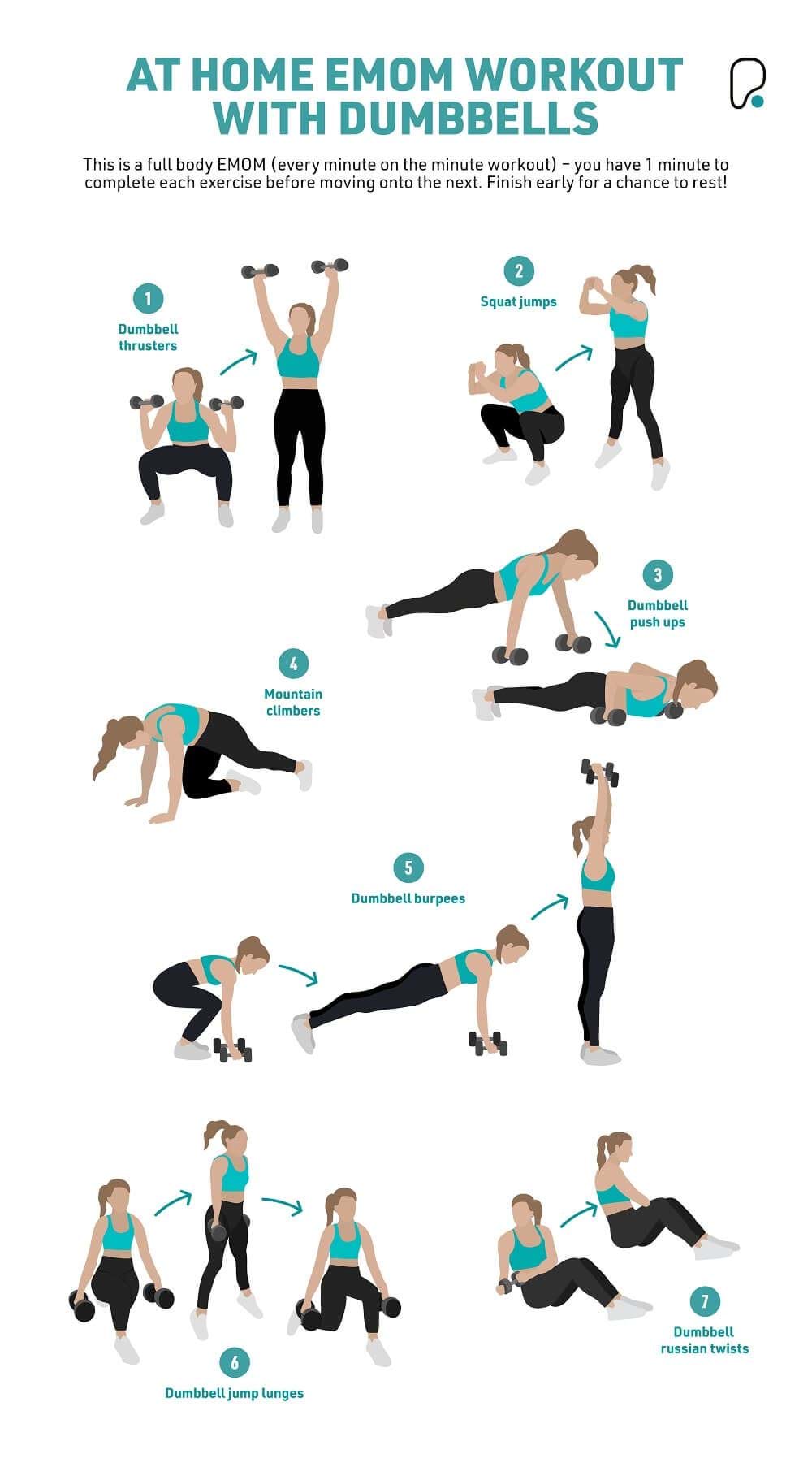
- HIIT circuit: 4 rounds (burpees, mountain climbers, air bike) – 30 seconds each, 15 seconds rest
- Dumbbell deadlifts – 4 sets x 10 reps
- Pull-ups – 4 sets x 8 reps
- Pistol squats – 3 sets x 6 reps each leg
- Push-up variations (diamond, decline) – 4 sets x 12 reps
- Resistance band chest fly – 4 sets x 12 reps
- Yoga balance poses – 5 minutes
Cool-down: 8–10 Minutes Foam Rolling And Deep Stretching
Advanced routines mix high intensity, strength, and balance. It’s important to listen to your body. If you feel tired or sore, adjust the session or take extra rest.
Comparison Table: Workout Levels
| Level | Duration | Main Focus | Equipment Needed |
|---|---|---|---|
| Beginner | 30–35 min | Foundation, basic strength | Mat, bands |
| Intermediate | 40–45 min | Strength, endurance | Dumbbells, bench, pull-up bar |
| Advanced | 50–60 min | HIIT, strength, balance | All equipment |
Proper Exercise Form And Technique
Correct form prevents injuries and maximizes results. Here are tips for safe movement:
- Watch online videos or use mirrors to check your posture
- Start slow and increase speed only when confident
- Keep your core engaged in most exercises
- For squats: Knees over toes, chest up, back straight
- For push-ups: Elbows at 45 degrees, body in straight line
- For deadlifts: Flat back, lift with legs, not lower back
Pay attention to how your body feels. If you notice pain or discomfort, stop and review your form. Small changes, like adjusting your foot position, can make exercises safer.
Practical Advice
Beginners often overlook breathing. Exhale on effort (lifting, pushing), inhale on return. Small details like this improve performance and safety. For example, holding your breath can make exercises harder and increase blood pressure.
Credit: www.chamberlinltd.com
Workout Scheduling And Consistency
A routine helps you stay motivated and see progress. Plan your week with balance:
- 3–5 days per week for best results
- Mix strength, cardio, and flexibility sessions
- Rest days are important for recovery
If you miss a planned workout, don’t stress—just resume your schedule. Over time, regular exercise becomes a habit, and your body adapts better.
Example Weekly Schedule
- Monday: Bodyweight strength
- Tuesday: Cardio or HIIT
- Wednesday: Yoga or mobility
- Thursday: Dumbbell strength
- Friday: Active rest (walking, stretching)
- Saturday: HIIT or advanced session
- Sunday: Rest
Consistency is more important than intensity. It’s better to do short sessions regularly than long workouts rarely. Setting reminders or calendar alerts can help keep you on track.
Progressive Overload: Getting Stronger Over Time
Progressive overload means making your workouts harder as you get fitter. This can be done by:
- Increasing reps or sets
- Using heavier weights
- Trying more difficult exercises
- Reducing rest between sets
Tracking progress is important. Write down your reps, weights, and times each week. This helps you see improvements and set new goals.
For example, if you start with 10 push-ups, aim for 12 next week. This principle is key for muscle growth and fitness gains.
Table: Ways To Apply Progressive Overload
| Method | How to Use | Benefit |
|---|---|---|
| More reps | Add 2–3 reps each week | Muscle endurance |
| Heavier weights | Use a heavier dumbbell/kettlebell | Muscle strength |
| Harder exercises | Switch from knee to regular push-ups | Skill improvement |
| Shorter rest | Reduce rest by 10 seconds | Cardio fitness |
Hidden Insight
Many people forget to track their progress. Use a notebook or app to record sets, reps, and weights. Reviewing your data helps you see improvements and adjust your routine. This also keeps you motivated, as you can see your hard work paying off.
Credit: www.puregym.com
Recovery And Rest
Recovery is as important as exercise. Muscles need time to repair and grow. Key recovery steps:
- Get 7–9 hours of sleep each night
- Do light stretching or yoga on rest days
- Use foam rollers for sore muscles
- Stay hydrated
Some people add gentle walking or swimming on rest days to aid recovery. Proper rest reduces injury risk and improves performance in future workouts.
Ignoring recovery can lead to injuries, fatigue, and poor results. It’s better to rest an extra day than to push through soreness and risk setbacks.
Nutrition Basics For Home Workouts
Exercise and nutrition go hand in hand. Eating well improves energy, muscle growth, and fat loss.
Key Nutrition Tips
- Eat enough protein (chicken, eggs, tofu) for muscle repair
- Include complex carbs (brown rice, oats) for energy
- Add healthy fats (avocado, nuts) for hormones and recovery
- Drink plenty of water (8–10 cups daily)
- Avoid processed foods, sugar, and excessive alcohol
Try to eat a balanced meal 1–2 hours before your workout. After exercise, have protein to help muscles recover. If you exercise early in the morning, a light snack like a banana or yogurt can boost energy.
Non-obvious Insight
Many people think supplements are needed, but most can get results with good food. Only add supplements if you have gaps in your diet. For example, if you struggle to eat enough protein, a shake can help, but it’s not required for most people.
Common Mistakes To Avoid
Home workouts are effective, but there are pitfalls:
- Skipping warm-ups and cool-downs – leads to injuries
- Doing too much too soon – causes burnout or pain
- Neglecting form – reduces results and risks injury
- Not tracking progress – makes it hard to improve
- Ignoring recovery – leads to overtraining
- Not mixing workout types – limits benefits
- Comparing yourself to others online – can hurt motivation
Avoid these mistakes by following routines, focusing on your own progress, and listening to your body. Remember, slow progress is still progress.
Safety Tips For Home Workouts
Exercising at home is safe if you follow some basic rules:
- Check your workout area for hazards (slippery floor, sharp objects)
- Use proper shoes and clothing for support
- Start with easy exercises and progress slowly
- Stop if you feel sharp pain, dizziness, or injury
- Keep water nearby for hydration
- If using equipment, follow instructions and check stability
Extra Advice
If you’re new to exercise or have health conditions, consult your doctor before starting. Many experts recommend starting with low-impact routines. For example, walking or gentle yoga are safe for most people.
Credit: www.infinibandta.org
How To Stay Motivated At Home
Motivation can be a challenge when working out alone. Try these strategies:
- Set clear goals (weight loss, strength, endurance)
- Track your progress with apps or journals
- Join online communities for support and accountability
- Change your routine every few weeks to stay excited
- Reward yourself for reaching milestones
- Involve family or friends for extra encouragement
Non-obvious Insight
Create a dedicated workout space at home, even if small. This makes exercise feel special and helps build a habit. Also, music and podcasts can boost energy and enjoyment. Visual reminders, like a calendar or motivational quotes, can help you stay focused.
Frequently Asked Questions
What Is The Best Home Workout For Beginners?
The best home workout for beginners combines simple bodyweight exercises like squats, lunges, push-ups, and planks. Start with 2–3 sessions per week, focus on good form, and add resistance bands or light dumbbells as you progress.
How Often Should I Work Out At Home?
Aim for 3–5 days per week. Beginners can start with 3 sessions, intermediates with 4, and advanced with 5. Balance strength, cardio, and flexibility training for best results.
Do I Need Equipment For Home Workouts?
No, but basic equipment like resistance bands, dumbbells, or an exercise mat can make routines more effective and comfortable. Start with bodyweight moves and add gear as you gain confidence.
How Can I Avoid Injury During Home Workouts?
Warm up, use proper form, progress slowly, and listen to your body. Use safe equipment and clear your workout space. Don’t skip cool-downs, and rest as needed.
What If I Lose Motivation?
Set clear goals, track progress, vary your workouts, and join online fitness communities. Involve friends or family, reward yourself, and create a dedicated workout area. Consistency is key; even short sessions help build a habit.
Home workouts are a powerful tool for building fitness, saving money, and enjoying exercise on your own terms. With the right routine, equipment, and mindset, you can achieve real results at home. For more guidance on exercise science and safe training, visit CDC Physical Activity Guidelines. Remember, fitness is a journey, start small, stay consistent, and celebrate your progress.
I am a certified fitness coach with over 10 years of experience helping people improve their strength, endurance, and overall health. Specializes in workout programming, weight training, fat loss, muscle building, home fitness, and evidence-based nutrition.My goal is to make fitness simple and practical through well-researched guides, honest product reviews, and actionable training advice.