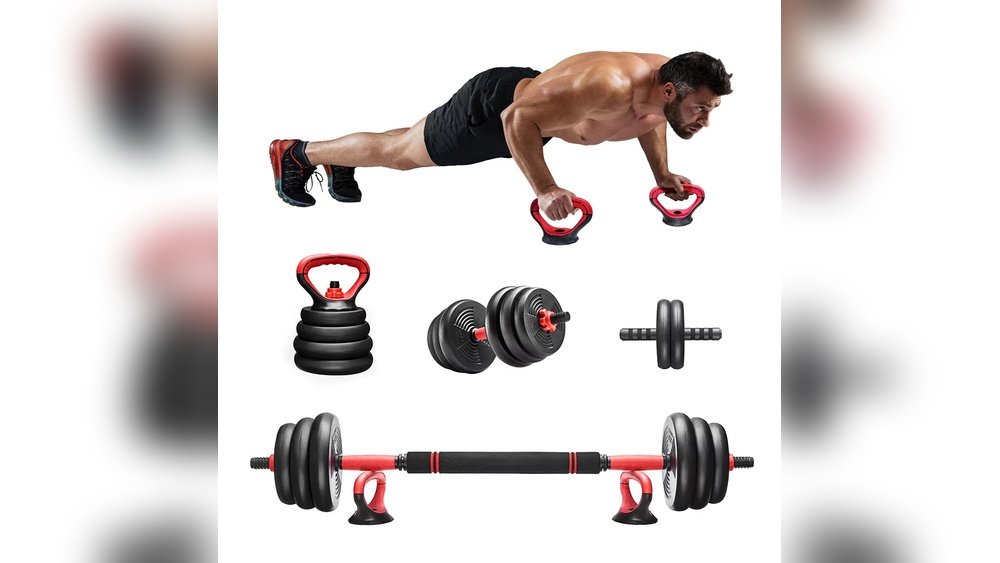
Ready to take your fitness routine to the next level? Learning how to use a barbell set correctly can unlock powerful strength gains and boost your confidence in the gym.
Whether you’re just starting out or want to refine your technique, this guide will walk you through everything you need to know. From setting up your barbell safely to mastering key exercises, you’ll discover simple steps that make a big difference.
Stick with me, and by the end, you’ll feel equipped to lift with proper form and maximize your results. Let’s get started!

Credit: www.amazon.com
Choosing The Right Barbell
Choosing the right barbell is the first step to a safe and effective workout. The right barbell matches your fitness goals, skill level, and the exercises you want to perform. Understanding the differences in barbells helps you make the best choice for your training.
Types Of Barbells
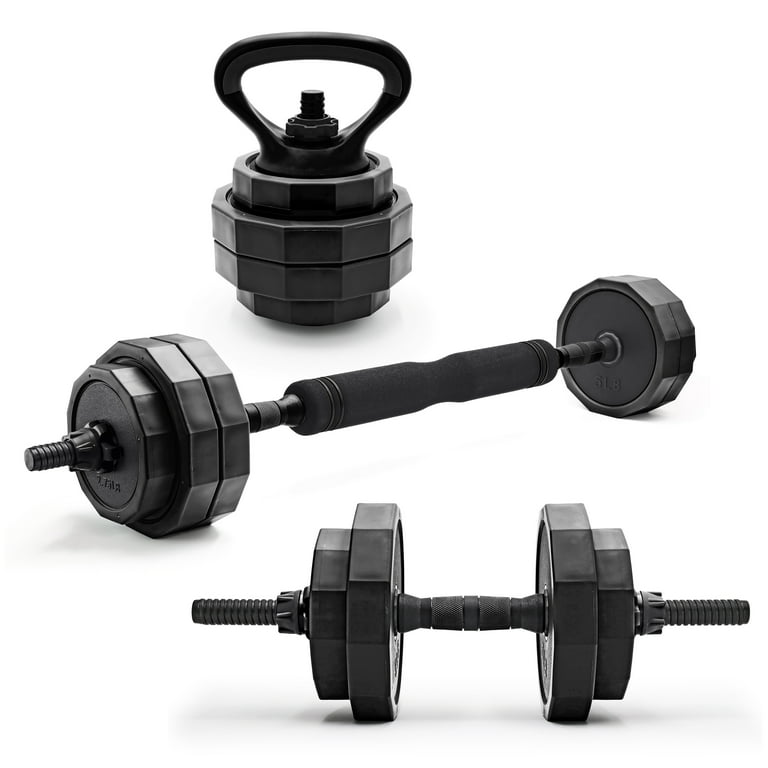
There are several types of barbells. Standard barbells are good for beginners. They are lighter and easier to handle. Olympic barbells are heavier and designed for serious lifters. They have rotating sleeves for smooth lifting. Specialty barbells, like trap bars or EZ curl bars, help target specific muscles. Choose the type that fits your workout plan.
Barbell Sizes And Weights
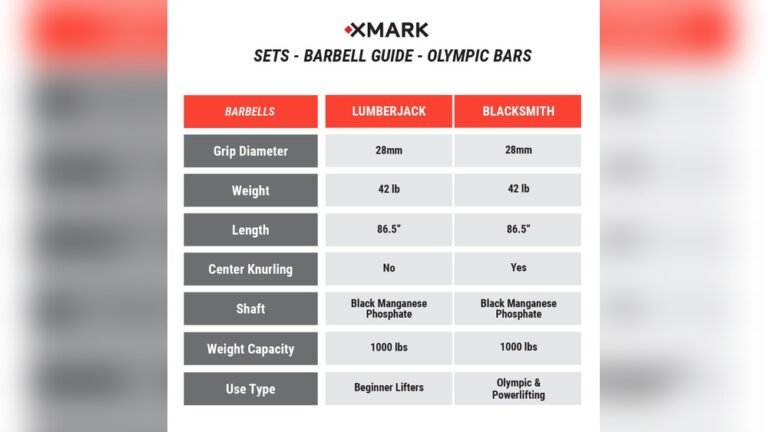
Barbells come in various sizes and weights. A standard barbell usually weighs 20 pounds (9 kg). Olympic barbells weigh about 45 pounds (20 kg). Length also matters. Longer barbells allow more grip options and balance. Women’s barbells tend to be shorter and lighter. Select a size that feels comfortable and suits your strength level.
Selecting Plates And Collars
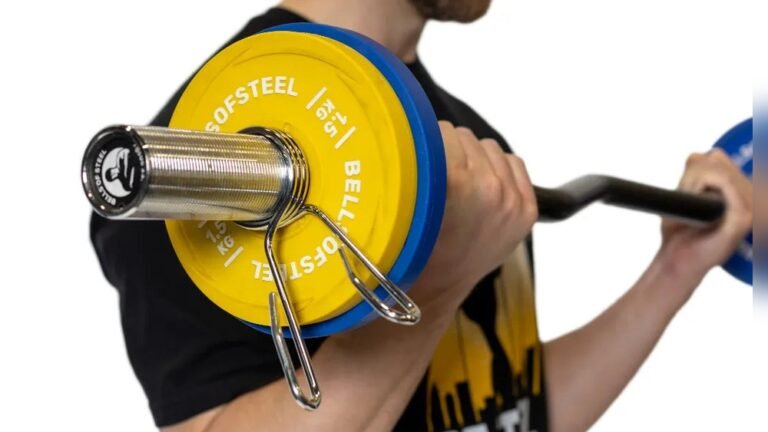
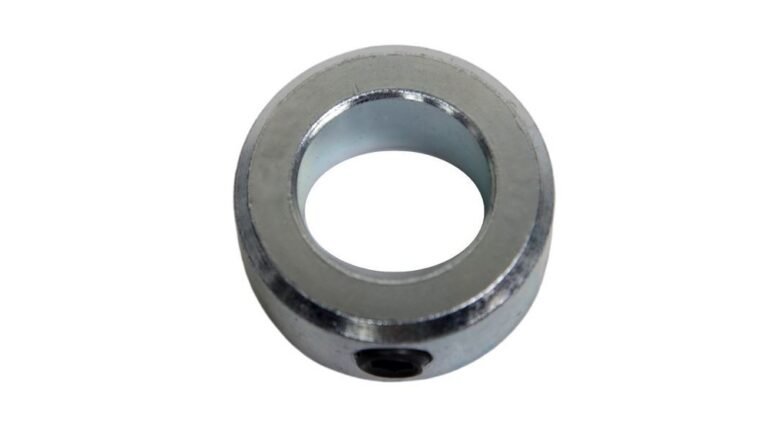
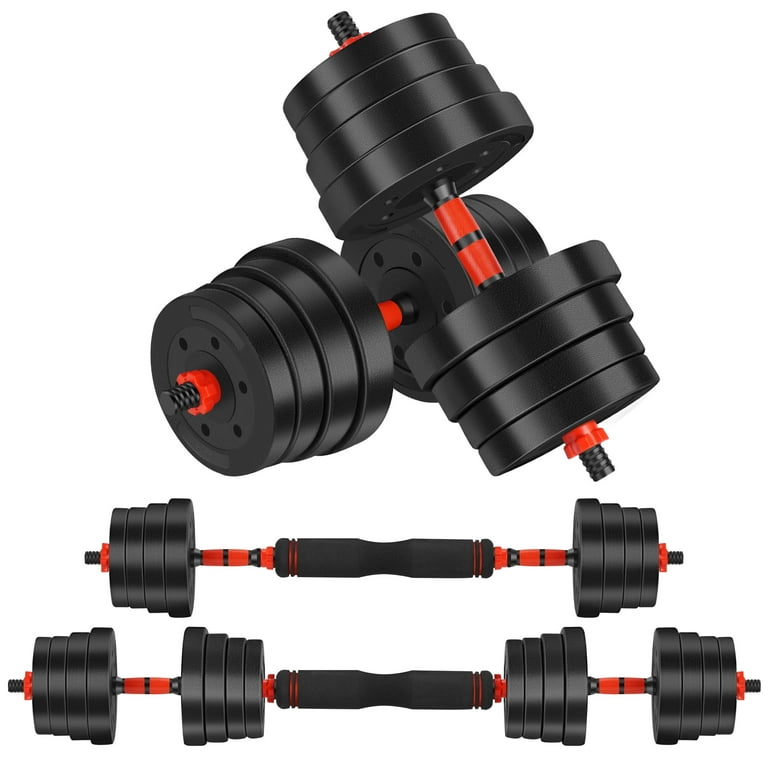
Weight plates add resistance to your barbell. Plates come in different materials like iron, rubber, or bumper plates. Rubber plates protect floors and reduce noise. Bumper plates are good for Olympic lifts. Collars secure plates on the barbell. Use collars that fit tightly to prevent plates from slipping. Proper plates and collars keep your workout safe and stable.
Credit: www.sporthacking.com
Setting Up Your Barbell
Setting up your barbell correctly is essential before starting any workout. Proper setup ensures safety and helps you lift effectively. Follow clear steps to prepare your barbell.
Proper Barbell Placement
Place the barbell on a stable rack or stand. The bar should be at chest or waist height. This makes it easy to lift and reduces injury risk. Check that the bar is centered and balanced on the rack.
Loading Plates Safely
Select the right weight plates for your workout. Slide the plates evenly on both sides of the barbell. Start with the heaviest plates closest to the bar, then add lighter ones. Always load the same weight on each side. This keeps the bar balanced.
Securing The Barbell
Use collars or clips to lock the plates on the barbell. This prevents the plates from sliding off during exercise. Push the collars tightly against the plates. Double-check they are secure before lifting.
Basic Barbell Exercises
Basic barbell exercises form the foundation of strength training. They target multiple muscle groups and build overall power. Learning these exercises helps you use a barbell set effectively. Each move improves your posture and balance. Start with light weights to perfect your form. Gradually increase weight to avoid injury and gain strength.
Squats
Squats work your legs, hips, and core. Stand with feet shoulder-width apart. Place the barbell on your upper back. Keep your chest up and back straight. Bend your knees and lower your hips. Go down until your thighs are parallel to the floor. Push through your heels to stand back up.
Deadlifts
Deadlifts build strength in your back, legs, and glutes. Stand with feet hip-width apart. Grip the barbell with hands just outside your knees. Keep your back flat and chest forward. Lift the bar by straightening your hips and knees. Lower the bar slowly back to the ground.
Bench Press
Bench press targets your chest, shoulders, and triceps. Lie on a bench with feet flat on the floor. Grip the barbell slightly wider than shoulder-width. Lower the bar to your chest slowly. Push the bar straight up until your arms are locked out. Keep your back and hips pressed against the bench.
Overhead Press
The overhead press strengthens your shoulders and arms. Stand with feet shoulder-width apart. Hold the barbell at shoulder height with palms facing forward. Press the bar straight up overhead. Lower the bar back to shoulder level with control. Keep your core tight and back straight during the lift.
Barbell Rows
Barbell rows build your upper back and biceps. Stand with feet hip-width apart. Bend your hips and knees slightly. Hold the barbell with hands just wider than shoulder-width. Pull the barbell toward your lower chest. Keep your back flat and elbows close to your body. Lower the bar slowly to start position.
Credit: www.walmart.com
Form And Technique Tips
Using a barbell set effectively depends on good form and technique. Proper form helps prevent injuries and improves workout results. Focus on body alignment, breathing, and avoiding common errors. These tips will guide you through safe and effective lifting.
Maintaining Proper Posture
Stand with your feet shoulder-width apart. Keep your back straight and chest up. Engage your core to support your spine. Avoid rounding your shoulders or arching your back too much. Keep the barbell close to your body during lifts. Proper posture ensures balanced weight distribution and protects your joints.
Breathing Techniques
Inhale deeply before you lift the barbell. Hold your breath briefly as you start the movement. Exhale slowly as you complete the lift. Controlled breathing helps stabilize your core and provides power. Avoid holding your breath too long to prevent dizziness.
Common Mistakes To Avoid
Do not lift with a rounded back. Avoid jerky or fast movements that cause strain. Do not lock your knees during squats or lifts. Avoid lifting weights that are too heavy for you. Keep your wrists straight to prevent injury. Focus on slow, controlled motions for better results.
Progressive Overload Strategies
Progressive overload is the key to building strength and muscle with a barbell set. It means gradually making your workouts harder. This helps your body adapt and grow stronger over time. Using smart strategies keeps your progress steady and safe.
Try different ways to challenge your muscles. Change the weight, reps, or sets as you improve. Always track your progress to see what works best for you.
Increasing Weight Gradually
Start with a weight you can lift comfortably. Slowly add small amounts of weight each week. This helps your muscles get stronger without risking injury. Avoid jumping to heavy weights too fast. Steady increases build strength better than big jumps.
Adjusting Reps And Sets
Change the number of reps or sets to increase difficulty. Adding more reps helps build endurance. Adding more sets increases total workout volume. You can lower reps and add weight for strength gains. Mix these methods to keep your muscles challenged.
Tracking Your Progress
Write down your workouts after each session. Record weights, reps, and sets for each exercise. Tracking helps you see patterns and improvements. It also shows when to increase your workout difficulty. Use a notebook or app to keep your records organized.
Creating Effective Workouts
Creating effective workouts with a barbell set helps you build strength and muscle. A well-planned routine targets different muscle groups. It also keeps your training balanced and interesting. Using the barbell properly maximizes your workout results. Focus on variety and progression for steady improvement.
Below are practical workout structures using a barbell set. Choose one that fits your fitness level and goals.
Full Body Routines
Full body routines work all major muscles in one session. These workouts usually include squats, deadlifts, and presses. They save time and improve overall strength. Perform 3 to 4 sets of each exercise with proper rest. Aim for 2 to 3 workouts per week for best results.
This approach suits beginners and those with limited time. It keeps your body active and balanced. Full body routines also help with fat loss and muscle gain.
Split Training Plans
Split training divides workouts by muscle groups or movement types. For example, one day focuses on upper body, another on lower body. This allows more volume and recovery for each muscle group. Common splits include push/pull/legs or upper/lower body.
Perform 3 to 5 sets per exercise and train each group once or twice weekly. This plan works well for intermediate and advanced lifters. It helps increase strength and muscle size by focusing on specific areas.
Incorporating Accessory Exercises
Accessory exercises support the main lifts and target smaller muscles. Examples include bicep curls, tricep extensions, and calf raises. These exercises improve stability and correct muscle imbalances. They reduce injury risk and enhance overall performance.
Add 2 to 3 accessory exercises after your main barbell lifts. Use lighter weights and higher reps, around 8 to 15 per set. Accessory work rounds out your program and boosts workout effectiveness.
Safety And Injury Prevention
Using a barbell set is effective for strength building. Safety must be your top priority to avoid injuries. Following proper steps protects your body and helps maintain long-term progress. Focus on injury prevention techniques before and during workouts.
Warm-up And Mobility
Start each session with a warm-up to increase blood flow. Gentle movements prepare muscles and joints for lifting. Perform dynamic stretches to improve mobility and reduce stiffness. Warm muscles lower the risk of strains and tears. Spend at least 5 to 10 minutes warming up before lifting heavy weights.
Using Spotters And Safety Equipment
Always use a spotter when lifting heavy or trying new exercises. A spotter helps guide the barbell and prevents accidents. Use safety collars to secure weight plates on the bar. Safety racks or cages catch the bar if you lose control. These tools protect you from serious injury during lifts.
Recognizing Signs Of Overtraining
Pay attention to how your body feels after workouts. Persistent soreness, fatigue, or joint pain may signal overtraining. Rest days are vital to allow muscles to recover and grow. Ignoring these signs can lead to injury and slow progress. Adjust your training intensity and volume to avoid burnout.
Maximizing Muscle Gains
Maximizing muscle gains requires more than just lifting weights with your barbell set. It demands a complete approach. This approach includes proper nutrition, rest, and smart supplementation. Each part plays a vital role in helping muscles grow stronger and bigger.
Understanding how to support your body outside of workouts makes your training more effective. Below are essential tips to help you get the best results from your barbell workouts.
Nutrition Tips For Strength
Your muscles need fuel to grow. Eating enough protein is key. Aim for lean sources like chicken, fish, eggs, or beans. Carbohydrates provide energy for lifting heavy weights. Choose whole grains, fruits, and vegetables. Healthy fats support hormone production. Include nuts, seeds, and avocados in your meals. Stay hydrated to keep muscles working well. Plan meals around your workouts for best results.
Rest And Recovery
Muscles grow during rest, not workouts. Give each muscle group at least 48 hours to recover. Sleep is critical. Aim for 7 to 9 hours per night. Avoid overtraining to prevent injury and fatigue. Use light activity or stretching on rest days to improve blood flow. Listen to your body and take extra rest if needed.
Supplements To Consider
Supplements can support your muscle-building efforts. Protein powder helps meet daily protein needs easily. Creatine boosts strength and power during workouts. Branched-chain amino acids (BCAAs) reduce muscle soreness. Omega-3 fatty acids promote recovery and reduce inflammation. Always check with a healthcare provider before starting any supplement. Use supplements as a support, not a replacement for good nutrition.
Barbell Etiquette At The Gym
Using a barbell set at the gym requires more than just strength. It needs respect for others and care for the equipment. Good barbell etiquette helps everyone have a better workout experience. It keeps the gym safe and clean. Here are some important rules to follow.
Sharing Equipment
Barbells are often in high demand. Use them only for your set time. Avoid holding a barbell for too long. Let others work in between your sets. This means taking turns and being patient. Sharing keeps the gym fair and friendly for all.
Cleaning And Maintenance
Wipe down the barbell after use. Sweat and chalk can build up quickly. Use gym towels or disinfectant sprays provided. Check the barbell for any damage before using. Report broken equipment to the staff. Keeping barbells clean and safe helps everyone stay healthy.
Respecting Others’ Space
Give others enough room while they lift. Avoid crowding near the barbell area. Keep your weights and gear organized and out of walkways. Loud noises and distractions can disturb focus. Stay aware of people around you and be polite. Respect helps create a calm and safe gym environment.
Frequently Asked Questions
What Is The 3-3-3 Rule In Gym?
The 3-3-3 rule in gym means doing three sets of three different exercises. Each set has three repetitions. It helps target multiple muscle groups efficiently. This method improves strength and endurance while keeping workouts simple and consistent.
How To Use A Barbell For Beginners?
Start with light weights to master form. Keep your spine neutral and grip the bar firmly. Drive heels into the ground and keep the bar close to your body. Perform slow, controlled movements. Gradually increase weight as strength improves. Always warm up and prioritize safety.
What Is The 2 2 2 Rule In Gym?
The 2 2 2 rule in the gym means performing two sets of two exercises each, twice a week. It boosts consistency and recovery.
What Is The 5-3-1 Rule In Gym?
The 5-3-1 rule is a strength training method using four weekly sets at 5, 3, 1 reps. It emphasizes gradual weight increase for progress.
Conclusion
Using a barbell set can boost your strength and fitness. Start with light weights to learn proper form. Focus on slow, controlled movements for safety. Always warm up before lifting to avoid injuries. Consistent practice helps build muscle and endurance.
Remember to rest between workouts to recover well. Keep your back straight and engage your core. A barbell works many muscles at once, saving time. Stay patient and track your progress regularly. Enjoy the journey to a stronger, healthier you.
I am a certified fitness coach with over 10 years of experience helping people improve their strength, endurance, and overall health. Specializes in workout programming, weight training, fat loss, muscle building, home fitness, and evidence-based nutrition.My goal is to make fitness simple and practical through well-researched guides, honest product reviews, and actionable training advice.