Are you ready to take your fitness routine to the next level? A barbell set is one of the most powerful tools you can add to your home gym.
But if you’re new to weightlifting or unsure how to use it properly, this guide is made just for you. You’ll learn how to safely handle the barbell, choose the right weights, and build a workout that fits your goals.
Whether you want to build muscle, lose weight, or increase strength, understanding how to use your barbell set correctly will unlock your full potential. Keep reading, and soon you’ll feel confident lifting like a pro!
Barbell Basics
The barbell is a basic tool in strength training. It helps build muscles and improve fitness. Knowing its parts makes workouts safe and effective.
This guide covers the main components, weight plates, and collars. Each part plays a role in your lifting experience.
Components Of A Barbell Set
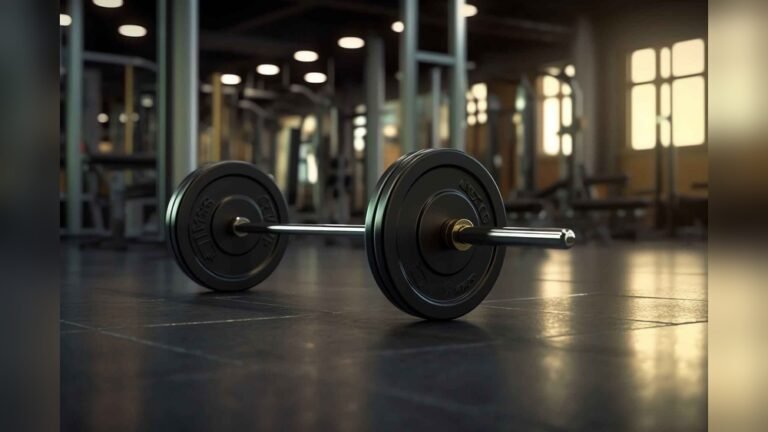
A barbell set usually includes a bar, weight plates, and collars. The bar is a long metal rod where plates are loaded. Weight plates add resistance for muscle growth. Collars keep plates secure during lifts.
Bars come in different lengths and thicknesses. Standard bars weigh about 20kg (44lbs). Some bars have knurling for better grip. Knowing these parts helps you choose the right barbell.
Weight Plates And Sizes
Weight plates come in various sizes and weights. Common sizes are 1.25kg, 2.5kg, 5kg, 10kg, 15kg, 20kg, and 25kg. Plates can be made of iron, rubber, or urethane.
Rubber-coated plates protect floors and reduce noise. Plates have holes to fit the barbell sleeves. Proper plate selection balances the bar and targets your strength level.
Collars And Safety
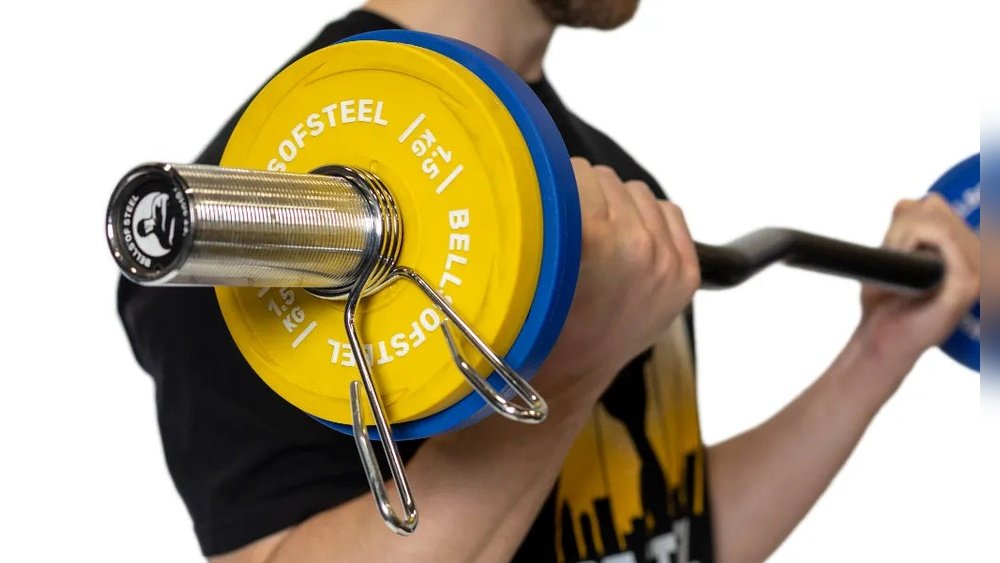
Collars hold weight plates tightly on the barbell. They prevent plates from sliding or falling during lifts. There are spring collars, clip collars, and lock-jaw collars.
Using collars reduces injury risk and keeps your workout focused. Always check collars before lifting heavy weights. Safety comes first in every barbell session.
Setting Up Your Barbell
Setting up your barbell correctly is essential for a safe and effective workout. Taking time to prepare your barbell ensures balanced weight distribution and reduces injury risk. Follow simple steps to get your barbell ready for lifting.
Choosing The Right Weight
Select weights that match your strength and fitness level. Start with lighter plates to warm up and avoid strain. Gradually increase the weight as you gain confidence and strength. Balance the load evenly on both sides to keep the bar stable.
Loading Plates Correctly
Slide the plates onto the barbell sleeves smoothly. Place larger plates first, followed by smaller ones for better balance. Make sure plates are flush against the collar to prevent movement. Avoid dropping plates onto the bar to protect your equipment.
Securing With Collars
Always use collars to lock the plates in place. This prevents plates from sliding during lifts. Tighten collars firmly but avoid overtightening to protect the barbell. Check collars before every set to maintain safety and control.
Key Lifts To Master
Learning key lifts with your barbell set builds strength and confidence. These moves work many muscles at once. Focus on proper form to avoid injury and improve results. Below are essential lifts to practice regularly for balanced progress.
Squat Techniques
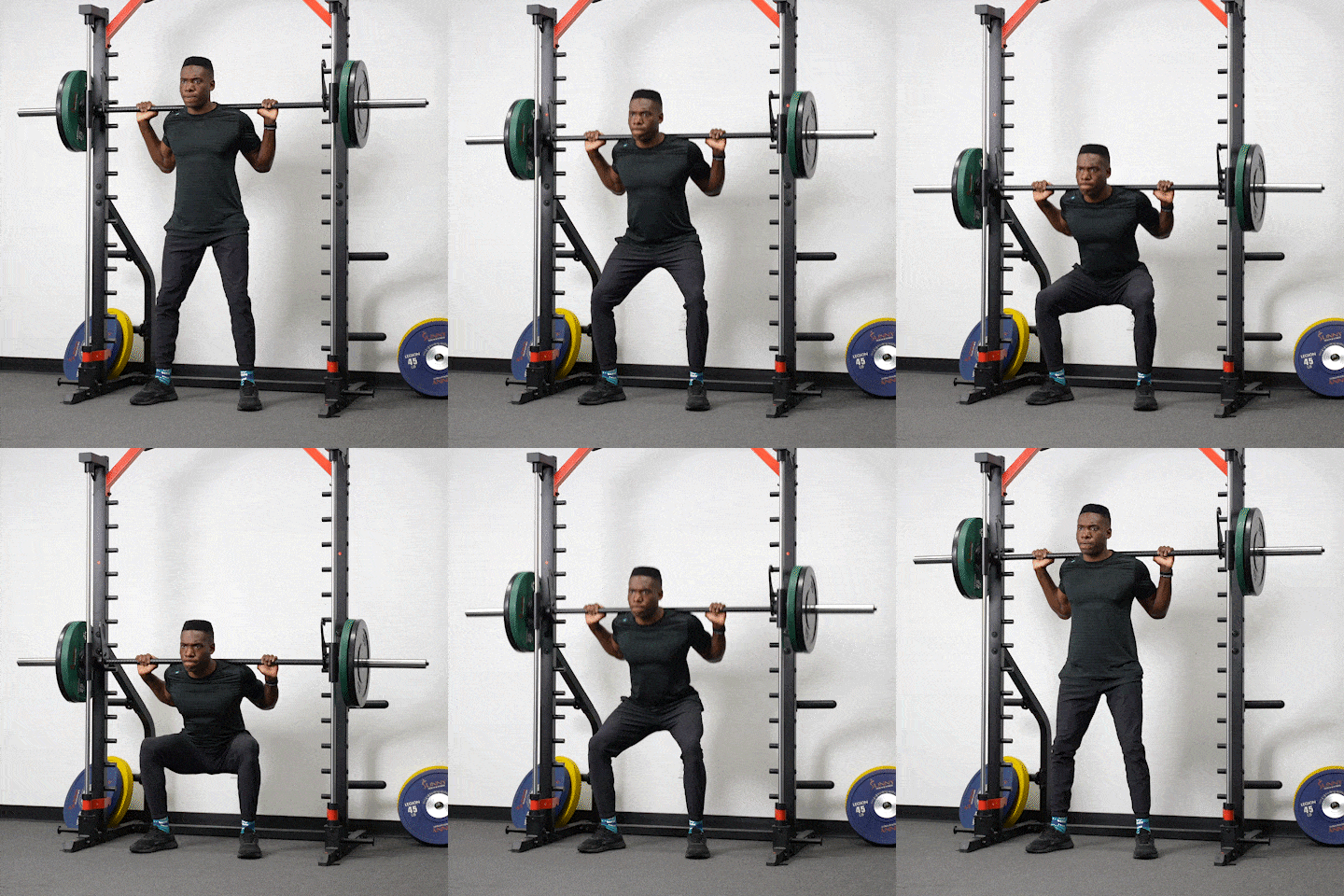
Stand with feet shoulder-width apart. Keep your chest up and back straight. Lower your hips as if sitting on a chair. Push your knees out, not inward. Go down until your thighs are parallel to the floor. Drive through your heels to stand back up. Keep your core tight throughout the movement. Squats develop legs, hips, and lower back strength.
Deadlift Form
Position your feet hip-width apart under the barbell. Bend at hips and knees to grip the bar. Keep your back flat and chest forward. Pull the bar close to your body as you lift. Stand tall, locking your hips and knees at the top. Lower the bar slowly while controlling the movement. Deadlifts target the back, glutes, and hamstrings.
Bench Press Tips
Lie flat on the bench with feet on the floor. Grip the barbell slightly wider than shoulder-width. Lower the bar slowly to your chest. Keep your elbows at about a 45-degree angle. Push the bar straight up until arms are fully extended. Maintain a tight core and steady breathing. Bench press strengthens the chest, shoulders, and triceps.
Credit: freedomfitnessequipment.com
Training Strategies
Training strategies play a key role in using a barbell set effectively. They help improve strength, build muscle, and avoid injury. A clear plan guides each workout and tracks progress. Focus on core techniques that suit your goals and fitness level.
Using the right training methods makes workouts efficient. It keeps motivation high and results steady. Start with a solid base, then add variety for balanced development. Below are some key strategies to follow.
Calculating Training Max
Training Max is the maximum weight you should lift safely. Calculate it as 90% of your one-rep max (1RM). This helps avoid lifting too heavy and risking injury.
Use the Training Max to plan your workouts. It sets a goal for your lifts. Adjust it as you get stronger. This method builds strength gradually and protects your body.
Using Amrap Sets
AMRAP means “As Many Reps As Possible.” It challenges you to do more reps with good form. This boosts endurance and strength.
Include AMRAP sets in your last set of each exercise. Push your limits safely. Track your reps to see improvement. This keeps workouts challenging and effective.
Incorporating Accessory Work
Accessory work targets smaller muscles and supports main lifts. It helps fix imbalances and prevents injuries.
Add exercises like rows, curls, or lunges after your main lifts. These improve overall muscle growth and stability. Change accessory exercises regularly to keep progress steady.
Progression Principles
Progression principles are the foundation of effective training with a barbell set. They ensure steady improvement and reduce injury risk. Following these principles helps you build strength safely and efficiently. Understanding how to progress keeps your workouts challenging and rewarding.
Progressive Overload
Progressive overload means gradually increasing the weight or reps. This challenges your muscles to adapt and grow stronger. You can add small weight increments or perform more repetitions each session. Keep a steady pace to avoid injury and plateaus. Consistency in overload leads to continuous strength gains.
Tracking Strength Gains
Track your workouts to see real progress. Write down weights, sets, and reps after each session. This record helps identify what works and shows improvements over time. Tracking keeps you motivated and focused on goals. It also helps adjust training plans based on your progress.
Deloading For Recovery
Deloading means taking a break or reducing intensity temporarily. It helps your body recover from hard training. Deload weeks prevent burnout and lower injury risk. During deloads, lower weight or reduce volume. Listen to your body and plan recovery to stay strong long-term.
Credit: sunnyhealthfitness.com
Common Mistakes To Avoid
Using a barbell set effectively requires attention and care. Avoiding common mistakes helps prevent injuries and improves workout results. This section highlights key errors to watch for.
Poor Form Risks
Incorrect form can cause muscle strain and joint pain. It reduces exercise efficiency and may lead to injury. Focus on controlled movements and proper posture. Use mirrors or ask for feedback to maintain good form.
Overtraining Signs
Training too hard without rest can cause fatigue and muscle soreness. It weakens the immune system and slows progress. Watch for constant tiredness or pain. Rest days and light workouts help recovery and growth.
Neglecting Warm-ups
Skipping warm-ups increases injury risk and reduces performance. Warm muscles and joints respond better to exercise. Spend 5-10 minutes warming up with light cardio or dynamic stretches. This prepares the body for lifting weights safely.
Safety Tips
Using a barbell set requires attention to safety. Following safety tips helps avoid injuries. It also improves your workout experience. This section covers key safety practices. These tips keep your sessions safe and effective.
Proper Warm-up Routines
Start every workout with a warm-up. Warm muscles reduce the risk of injury. Spend 5 to 10 minutes on light cardio. Follow with dynamic stretches targeting your muscles. Include movements similar to your barbell exercises. This prepares your body for lifting weights.
Using Spotters
Always have a spotter when lifting heavy weights. A spotter helps you lift safely and prevents accidents. They assist if you struggle to lift the barbell. Communicate clearly about when you need help. Spotters increase your confidence and safety during workouts.
Equipment Maintenance
Check your barbell set before every use. Look for loose collars, damaged plates, or rust. Clean the barbell regularly to avoid slippery grips. Tighten collars securely to keep plates in place. Proper maintenance extends the life of your equipment.
Choosing Your Barbell Set
Choosing the right barbell set is key for effective workouts. It affects safety, comfort, and progress. Understanding different options helps you pick the best fit for your needs.
Consider your workout goals, space, and experience before making a decision. The right set makes your training easier and more enjoyable.
Types Of Barbells
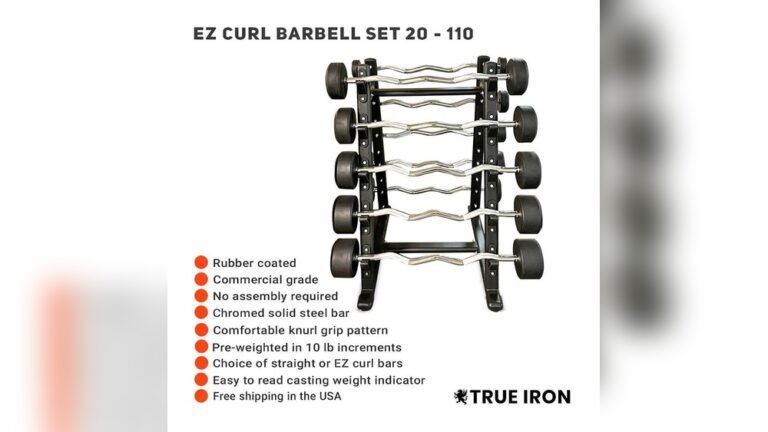
There are several types of barbells for different exercises. Standard barbells suit beginners and light workouts. Olympic barbells are heavier and made for serious lifting. Specialty bars, like trap bars or EZ curl bars, target specific muscles. Choose a type that matches your workout style and goals.
Material And Build Quality
Barbells come in various materials, mainly steel and chrome. Steel bars offer strength and durability. Chrome bars resist rust and look shiny. Check for good knurling, which improves grip. Solid construction ensures safety during heavy lifts. Avoid bars that bend or feel weak.
Budget Considerations
Barbell sets vary widely in price. Higher cost often means better quality and durability. Set a budget but prioritize safety and function. Basic sets work well for beginners. Invest more if you plan heavy lifting or frequent use. Balance cost with your workout needs and goals.
Maintenance And Care
Proper maintenance and care extend the life of your barbell set. Regular attention keeps it safe and effective for workouts. Clean, store, and inspect your equipment often to avoid damage or injury. Follow these simple steps to keep your barbell in top condition.
Cleaning Your Barbell
Wipe the barbell with a dry cloth after each use to remove sweat and dust. Use a mild soap solution and a soft brush for deeper cleaning. Avoid harsh chemicals that can damage the metal or coating. Dry the bar fully to prevent rust and corrosion.
Storage Recommendations
Store your barbell in a dry place away from moisture. Use a vertical rack or wall mount to keep it off the floor. Avoid stacking heavy plates on the bar for long periods. Proper storage prevents bending and protects the bar’s finish.
Inspecting For Wear
Check the barbell regularly for signs of wear or damage. Look for rust spots, cracks, or bent sections. Spin the sleeves to ensure they rotate smoothly. Replace or repair any parts that show significant wear to maintain safety.

Credit: dailyburn.com
Frequently Asked Questions
What Is The 3-3-3 Rule In Gym?
The 3-3-3 rule in the gym means performing three sets of three reps with heavy weights. It builds strength efficiently.
What Is The 2 2 2 Rule In Gym?
The 2 2 2 rule in the gym means performing 2 exercises, 2 sets each, for 2 minutes rest between sets. It boosts workout efficiency.
What Is The 5-3-1 Rule In Gym?
The 5-3-1 rule in the gym is a strength training program using four sets: 5 reps, 3 reps, 1 rep, and an AMRAP set. It focuses on progressive overload with main compound lifts for consistent strength gains.
Are 45 Pound Plates Actually 45 Pounds?
Yes, standard 45-pound plates weigh exactly 45 pounds. Some slight manufacturing variations may occur but are minimal.
Conclusion
Using a barbell set helps build strength and improve fitness. Follow safe steps to avoid injury and get better results. Start with lighter weights and increase gradually for steady progress. Focus on proper form to work muscles effectively. Consistent practice makes workouts easier and more rewarding.
Enjoy the benefits of stronger muscles and better health. Keep your barbell set ready for regular exercise sessions. Small, steady efforts lead to big improvements over time.

I am a certified fitness coach with over 10 years of experience helping people improve their strength, endurance, and overall health. Specializes in workout programming, weight training, fat loss, muscle building, home fitness, and evidence-based nutrition.My goal is to make fitness simple and practical through well-researched guides, honest product reviews, and actionable training advice.