
For most people who want to build strength and muscle, the gym wins. Vibration plates can help with balance and light toning, but they don’t build real muscle the way weights do. If you have joint pain or very little time, a vibration plate can be the easier starting point.
Vibration plate vs gym: side by side
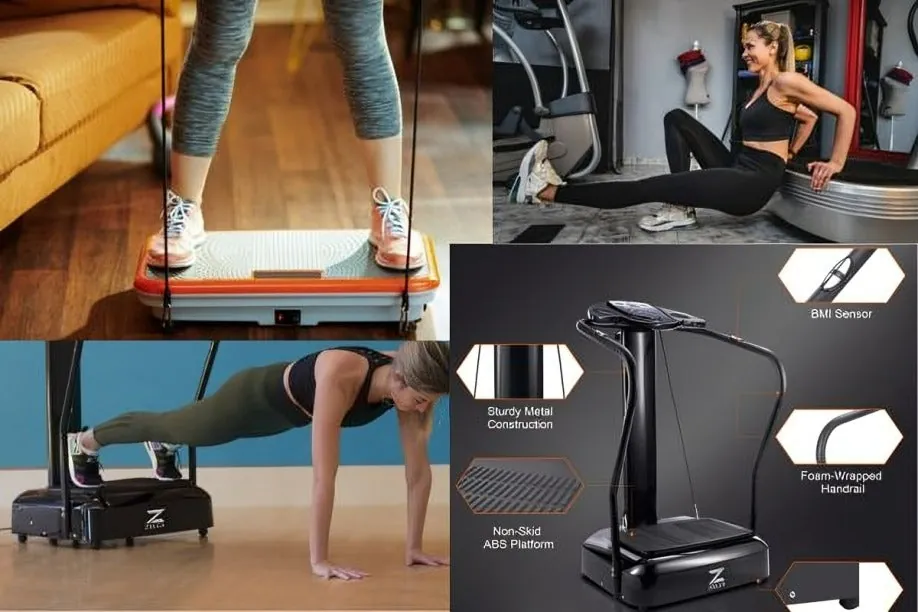
Each option fits a different goal, so the right pick depends on what you actually want from your body. Here’s how the main choices compare.
| Method | How long | Effort | Cost | Best for |
|---|---|---|---|---|
| Vibration plate | 10-15 min | Low | Medium | Balance, light toning |
| Free weights at gym | 45-60 min | High | Medium | Building muscle |
| Bodyweight at home | 20-30 min | Medium | Low | Beginners, no equipment |
| Personal trainer | 60 min | High | High | Fast, safe progress |
How a vibration plate works
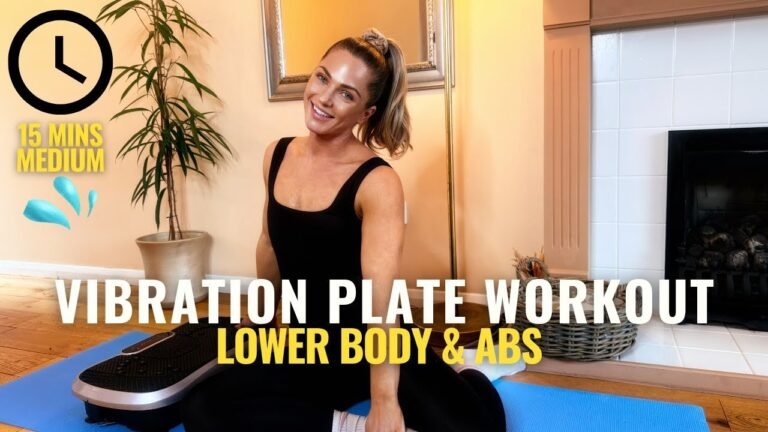
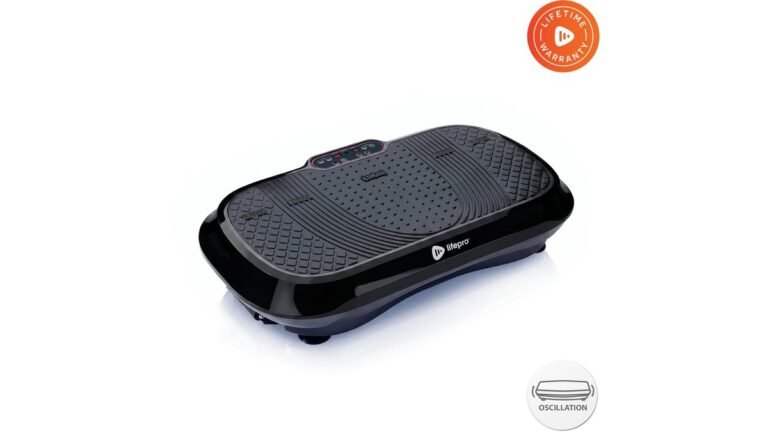
A vibration plate sends fast shakes through your body while you stand, sit, or hold a pose on it.
- Step on with both feet, shoulder-width apart.
- Start at a low speed for 30 seconds to feel the rhythm.
- Hold a squat or lunge for 30-60 seconds.
- Repeat 3-5 times, resting 30 seconds between holds.
- Stop if you feel dizzy or your joints hurt.
It’s good for balance work and gentle muscle activation, and it’s easy on the joints. Its weakness: the shaking adds little load, so it won’t build much muscle on its own. If you have a heart condition, a pacemaker, or you’re pregnant, talk to your doctor before using one.
Lifting free weights at the gym
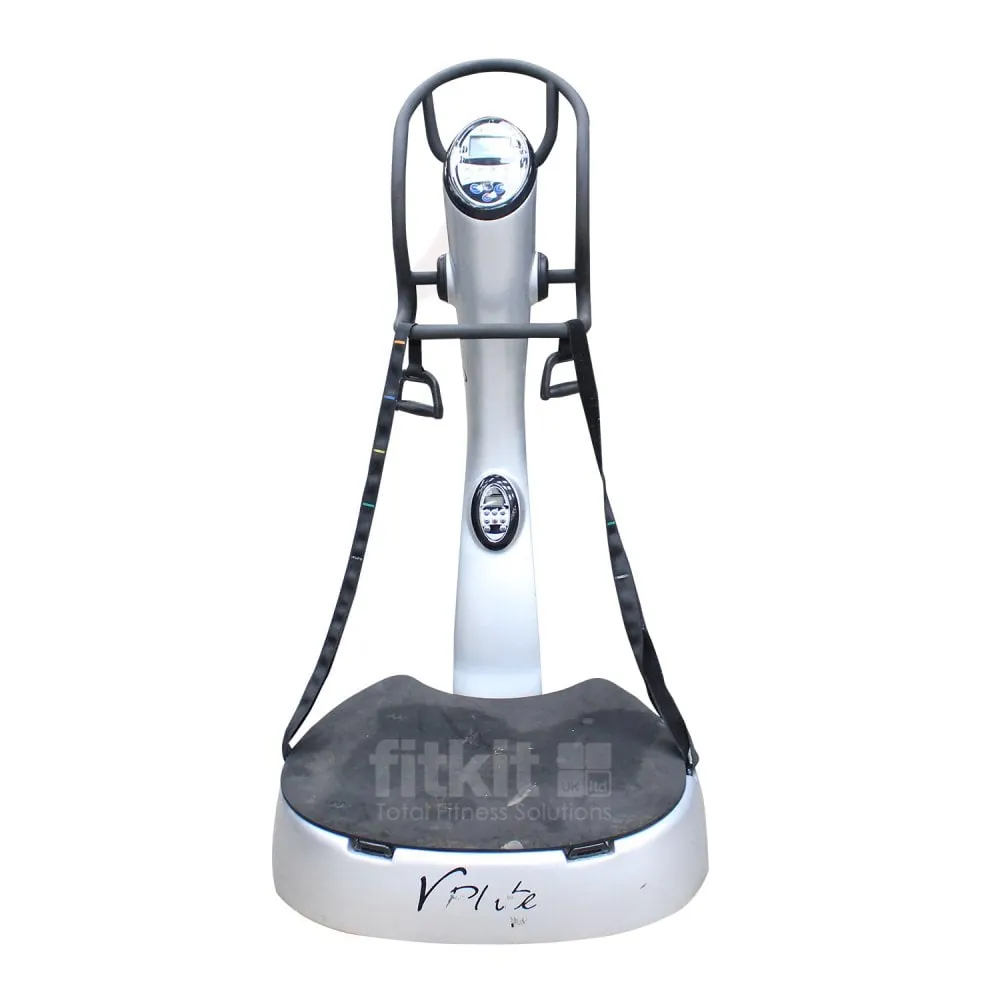
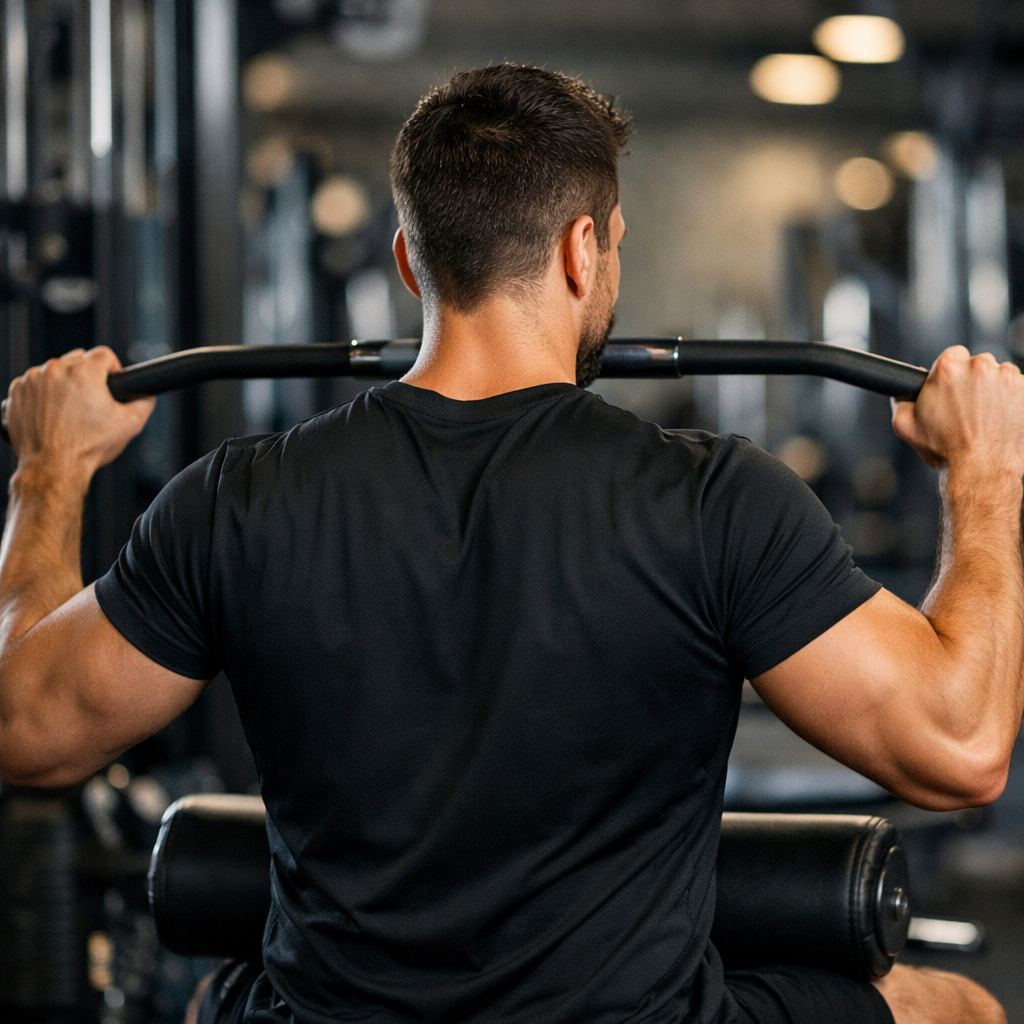
Free weights let you add real resistance, which is what actually grows muscle over time.
- Warm up for 5 minutes with light cardio.
- Pick a weight you can lift 8-12 times with good form.
- Do 3 sets of each exercise, resting 60-90 seconds between sets.
- Train each muscle group 2-3 times per week.
- Add a little weight when 12 reps feel easy.
This method builds strength and bone density better than almost anything else. The catch: it takes more time, and bad form can cause injury. A trainer or a proper induction session helps you learn safe technique first.
Bodyweight training at home
Bodyweight moves use only you and the floor, so there’s no equipment to buy.
- Start with 5 minutes of easy movement to warm up.
- Do push-ups, squats, and lunges for 10-15 reps each.
- Rest 45-60 seconds between rounds.
- Complete 3 rounds, 3 days a week.
- Make it harder by slowing down or adding reps.
It’s cheap, private, and great for beginners. The limit is that progress slows once your body adapts, because you can’t easily add load. A fourth option, a personal trainer, gives the fastest and safest results, but it costs the most and few people need it long-term.
Which method fits your situation?
If you’re short on time, the vibration plate wins because a full session fits in 10-15 minutes. If you’re new to exercise, bodyweight training wins, since it’s free and hard to get wrong.
If you want the best result no matter the cost, free weights at the gym win. They let you add load steadily, which is the one thing that keeps muscle growing.
The trade-off is simple. The vibration plate asks less of your time and joints but gives less back. The gym asks more of both but pays you in real strength.
Rules that apply to any method
Whatever you choose, the core rules don’t change. The World Health Organization recommends adults get 150-300 minutes of moderate activity a week, plus muscle-strengthening work on 2 or more days. Check its physical activity guidelines for your age group.
Before you start, set a clear goal and pick fixed days. Partway through, check your form in a mirror or on video. At the end, note what felt easy so you can progress next time. If you have a heart condition, joint problems, or you’re pregnant, see a doctor before starting any new routine.
Related guides
Frequently asked questions
Can a vibration plate replace the gym?
No. It can support balance and light toning, but it can’t match the muscle-building load of weights. Use it as a supplement, not a replacement.
How long should you use a vibration plate each day?
About 10-15 minutes per session, 3-4 times a week, is a common range. Start at 30-second holds and build up. Stop if you feel dizzy.
Is a vibration plate safe?
For most healthy adults, yes, at low speeds and short sessions. Talk to your doctor first if you’re pregnant or have a pacemaker. Ask your doctor first.
Why do I feel sore after the gym but not after a vibration plate?
Soreness comes from muscle damage caused by heavy load. A vibration plate adds little load, so it rarely causes that kind of soreness.
What happens if I only use a vibration plate?
You’ll likely improve balance and feel some light toning. You probably won’t gain much strength or muscle size, since the resistance stays low.
How often should you train at the gym?
Two to three sessions per week per muscle group works well for most people. Rest at least one full day before training the same muscles again.
Do you need a trainer to start at the gym?
No, but one or two sessions help you learn safe form. Good technique lowers your injury risk and makes each rep count for more.
Conclusion
Pick the method that matches your goal and your body, not the one that sounds easiest. A vibration plate is a fine add-on, but real strength still comes from resistance you can build on week after week.
I am a certified fitness coach with over 10 years of experience helping people improve their strength, endurance, and overall health. Specializes in workout programming, weight training, fat loss, muscle building, home fitness, and evidence-based nutrition.My goal is to make fitness simple and practical through well-researched guides, honest product reviews, and actionable training advice.