Choosing the right kettlebell size can feel confusing, especially if you’re just starting out or want to build your home gym the smart way. Picking a kettlebell that’s too heavy can lead to injury, while one that’s too light won’t give you the results you’re after.
That’s why having a clear, simple size guide for kettlebell sets is crucial for your fitness journey. In this guide, you’ll discover how to find the perfect kettlebell weight for your strength, your workout goals, and the exercises you love.
Keep reading to make sure your kettlebell set matches your needs perfectly—and helps you get stronger, safer, and more confident every time you train.
Choosing Kettlebell Weights
Choosing the right kettlebell weight is key for a safe and effective workout. The correct weight helps build strength, improves form, and prevents injury. Different exercises and fitness levels need different kettlebell sizes. This guide breaks down starting weights for men and women and offers weight ranges for beginners.
Starting Weights For Men
Men new to kettlebell training usually start with weights between 12 kg (26 lbs) and 16 kg (35 lbs). This range allows for building strength without risking strain. For exercises like swings and squats, a heavier kettlebell in this range works well. For presses or more controlled moves, a lighter kettlebell is better. Men with prior fitness experience may start slightly heavier.
Starting Weights For Women
Women often start with kettlebells weighing 8 kg (18 lbs) to 12 kg (26 lbs). This weight range suits most beginners and helps maintain good form. Lighter kettlebells work best for overhead presses and technical exercises. Women who are more active or have strength training experience might use kettlebells closer to 16 kg (35 lbs).
Weight Ranges For Beginners
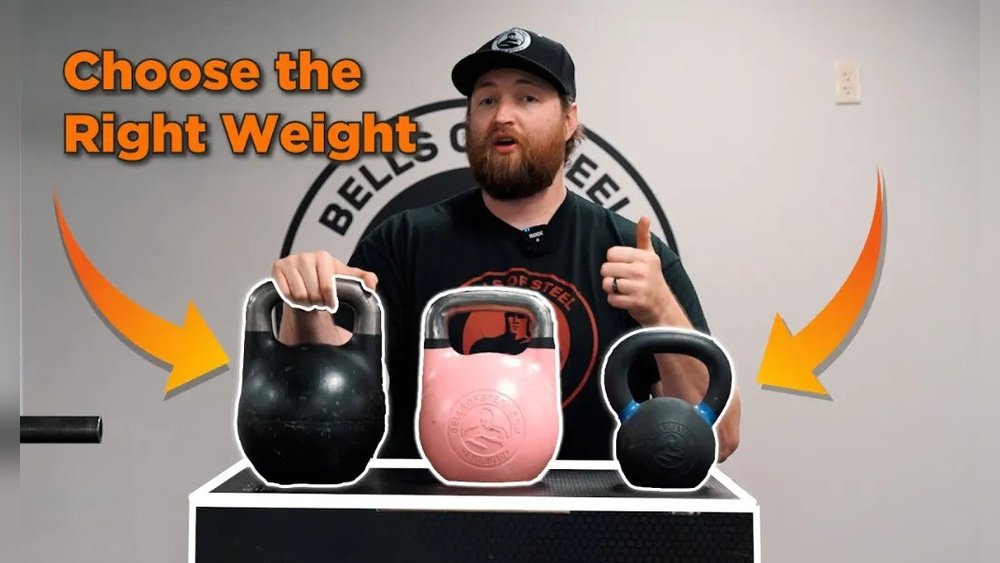
Beginners should choose a kettlebell weight they can handle comfortably for 8 to 12 repetitions. A weight that feels too heavy may cause poor form and injury. Start light to focus on learning proper technique. Gradually increase weight as strength and confidence grow. Different moves require different kettlebell sizes, so having more than one weight is helpful.

Credit: www.networldsports.com
Factors Affecting Weight Selection
Choosing the right kettlebell weight is key for effective workouts. Several factors influence this choice. Understanding these factors helps you pick the perfect kettlebell set. This guide explains the main factors affecting weight selection.
Fitness Level
Your current fitness level shapes your kettlebell weight choice. Beginners need lighter weights to build strength safely. Advanced users can handle heavier kettlebells for more challenge. Start light to avoid injury and improve gradually.
Exercise Type
Different exercises require different kettlebell weights. Use heavier kettlebells for swings and squats to build power. Choose lighter weights for overhead presses and slow, controlled moves. Adjust weight based on the specific exercise demands.
Training Focus
Your training goals affect kettlebell weight selection. For strength building, select heavier weights with fewer reps. For endurance, choose lighter weights with more repetitions. Balance your weight choice with your main workout focus.
Weight Recommendations By Exercise
Selecting the right kettlebell weight depends on the exercise you perform. Different moves demand different weights. Using a heavier kettlebell for some exercises builds strength and power. Lighter weights help maintain control during complex movements. Below are weight guidelines for common kettlebell exercises.
Swings And Squats
Swings and squats need a kettlebell that challenges your muscles. Start with a weight that allows 10 to 15 reps without losing form. Men often begin with 16 kg (35 lbs) or 20 kg (44 lbs). Women usually start with 8 kg (18 lbs) or 12 kg (26 lbs). Increase weight as your strength grows.
Overhead Presses
Overhead presses require control and stability. Choose a lighter kettlebell than for swings. Men can start with 8 kg (18 lbs) to 12 kg (26 lbs). Women should try 4 kg (9 lbs) to 8 kg (18 lbs). Focus on smooth, steady movements to avoid injury.
Turkish Get-ups
Turkish Get-Ups demand precision and balance. Use a light kettlebell to master the form first. Men usually start with 8 kg (18 lbs). Women often begin with 4 kg (9 lbs). Gradually increase weight after perfecting technique.
Tips For Picking The Right Kettlebell
Choosing the right kettlebell is key for safe and effective workouts. The perfect size depends on your strength, skill, and exercise type. Picking wisely helps you improve form and avoid injury. Here are useful tips to guide your choice.
Controlled Movements
For slow, steady exercises like Turkish Get-Ups, select a kettlebell you can lift smoothly. It should feel heavy enough to challenge but light enough to control. This balance helps build strength without risking strain or poor form.
Dynamic Exercises
Movements like swings and cleans use momentum, so a heavier kettlebell works best. It builds power and endurance. Start with a weight that lets you keep a steady pace and good technique throughout your sets.
Progression Strategies
Begin with a weight that matches your current fitness level. Increase kettlebell size gradually as strength improves. This steady progression prevents injury and keeps workouts effective. Track your progress and adjust weight when exercises feel easier.
Kettlebell Size Guides For Beginners
Choosing the right kettlebell size is key for beginners. The right weight helps build strength safely. Too heavy can cause injury. Too light may not challenge muscles enough.
Understanding size guides helps find the perfect kettlebell. These guides focus on beginner-friendly weights. They separate recommendations for men and women. This makes selecting easier and more effective.
Men’s Size Guide
Men new to kettlebell training usually start with 12 to 16 kg. This range suits most beginners for basic exercises. It allows proper form and control. For stronger men, 20 kg might be a good start.
Heavier kettlebells are for more advanced moves like swings. Lighter weights work well for presses and Turkish get-ups. Beginners should focus on technique before increasing weight.
Women’s Size Guide
Women beginners often start with kettlebells weighing 8 to 12 kg. This weight supports building strength without strain. For those with some fitness experience, 12 to 16 kg may be suitable.
Lighter kettlebells help with controlled movements like presses. Heavier weights are better for swings or squats. Beginners should aim for comfortable weight to maintain form.

Credit: www.youtube.com
Using Weight Calculators
Using weight calculators helps find the right kettlebell size. These tools consider your fitness level, goals, and exercise type. They simplify the selection process and reduce guessing. Weight calculators guide beginners and experienced lifters alike. Choosing the correct kettlebell weight prevents injury and improves workout effectiveness.
What Are Weight Calculators?
Weight calculators are online tools that suggest kettlebell sizes. You enter basic info like age, gender, and fitness experience. The calculator then recommends a starting weight for different exercises. This removes confusion and saves time when buying kettlebells.
How Weight Calculators Work
These tools use formulas based on research and expert advice. They adjust recommendations for strength levels and workout types. For example, heavier weights suit swings and squats. Lighter weights fit overhead presses and slow movements. The calculator balances safety with challenge.
Benefits Of Using Weight Calculators
Weight calculators offer a custom approach to kettlebell training. They help avoid too heavy or too light choices. Users gain confidence in their equipment. The right weight improves technique and progress. This tool supports consistent and injury-free workouts.
Common Mistakes To Avoid
Choosing the right kettlebell size is key for safe and effective workouts. Many beginners make mistakes that slow progress or cause injury. Avoiding common errors helps improve your training experience.
Understanding these mistakes will guide you to pick the best kettlebell set. Use this advice to build strength and confidence safely.
Choosing Weights That Are Too Heavy
Picking kettlebells that are too heavy leads to poor form. This increases injury risk and limits exercise benefits. Start with lighter weights to master movements first. Gradually increase the load as your strength improves.
Ignoring Different Weights For Different Exercises
Using the same kettlebell for all exercises is a mistake. Some moves need lighter weights for control and balance. Others need heavier kettlebells for power and endurance. Choose weights based on the exercise type.
Not Considering Your Fitness Level
Skipping self-assessment before buying kettlebells causes poor choices. Beginners need lighter weights to avoid strain. Experienced users can handle more weight safely. Know your current strength and fitness to select the right size.
Neglecting Proper Size Guide Charts
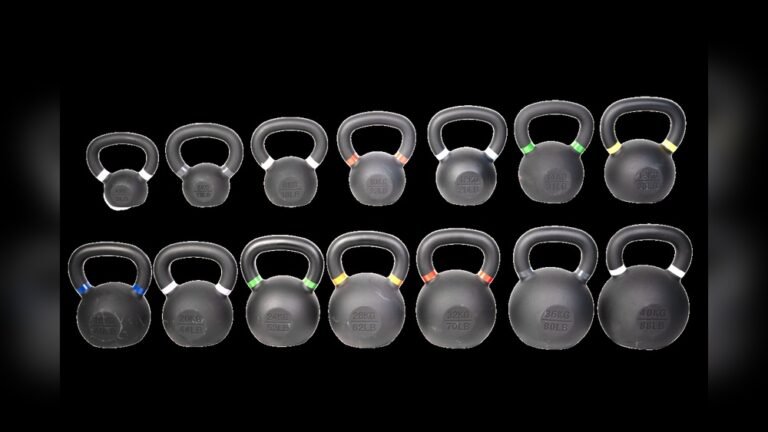
Ignoring size guides can lead to buying wrong kettlebells. These charts help match weight to gender and fitness goals. Use them as a reference to find the best kettlebell set for you.
Overlooking Quality And Grip Comfort
Focusing only on weight ignores grip and build quality. A poor grip causes slipping and accidents. Check the handle size and finish before buying. Choose kettlebells that feel secure and comfortable in your hands.

Credit: thesprinklefactory.com
Kettlebell Set Recommendations
Choosing the right kettlebell set is key for effective workouts. A good set fits your strength and workout style. It helps you progress safely and enjoy your training. Consider different factors before buying. This guide shares top recommendations for kettlebell sets.
Best Sets For Beginners
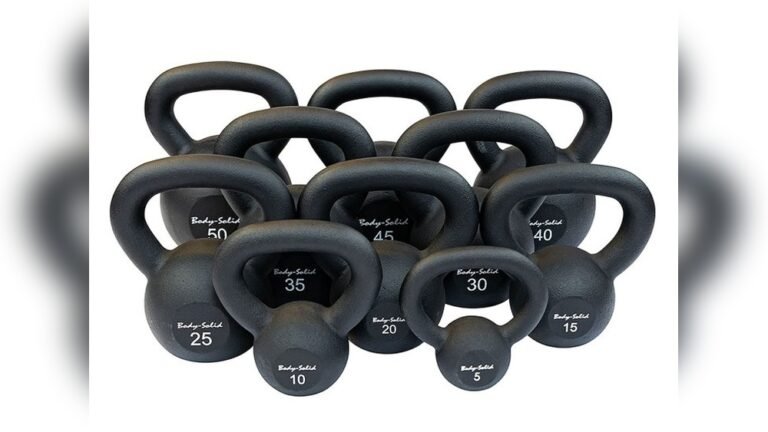
Beginners should start with lighter weights. A set with 8 to 20 pounds kettlebells works well. Choose sets that include multiple weights for variety. This allows gradual strength improvement. Look for sets with smooth handles for comfort. Vinyl or cast iron kettlebells are durable options. Avoid very heavy sets that can cause injury early on. Focus on quality and comfort over quantity.
Adjustable Vs Fixed Weights
Adjustable kettlebells offer many weight options in one tool. They save space and money over buying many fixed weights. Switching weights is quick and easy. Fixed kettlebells are solid and stable. They provide better grip and balance during swings. Fixed sets often last longer and need less maintenance. Choose adjustable if you want variety and space saving. Pick fixed if you want durability and simple use.
Frequently Asked Questions
How Do I Know What Size Kettlebell To Get?
Choose a kettlebell weight based on your fitness level and exercise type. Beginners often start with 12-16 kg for men and 8-12 kg for women. Use lighter weights for controlled moves and heavier for swings or squats. Select a weight allowing proper form and manageable reps.
Is A 25 Lb Kettlebell Too Heavy?
A 25 lb kettlebell suits many beginners and intermediate users. Choose based on your fitness level and exercise type. It may feel heavy for some moves but ideal for swings and squats. Adjust weight to maintain proper form and avoid injury.
Is A 50 Lb Kettlebell Too Heavy?
A 50 lb kettlebell suits experienced lifters with good strength. Beginners should start lighter to avoid injury. Choose weight based on your fitness and exercise type.
Is A 20lb Kettlebell Good?
A 20lb kettlebell suits beginners and intermediate users for swings, squats, and presses. It balances control and strength development well.
Conclusion
Choosing the right kettlebell size matters for safe, effective workouts. Start with a weight that feels comfortable but challenging. Use lighter kettlebells for slow, controlled moves and heavier ones for dynamic exercises. Adjust your weight as you gain strength and confidence.
Remember, consistency beats heavy lifting in the beginning. This guide helps you pick kettlebells that suit your fitness level and goals. Keep your workouts balanced and enjoy steady progress with the right kettlebell set.
I am a certified fitness coach with over 10 years of experience helping people improve their strength, endurance, and overall health. Specializes in workout programming, weight training, fat loss, muscle building, home fitness, and evidence-based nutrition.My goal is to make fitness simple and practical through well-researched guides, honest product reviews, and actionable training advice.