If you’re ready to boost your fitness with a kettlebell set, it’s crucial to keep safety at the top of your mind. Using kettlebells can deliver powerful workouts, but without the right precautions, you risk injury that can slow you down or even stop you completely.
You’ll discover simple, effective safety tips that protect your body and help you get the most from every swing, lift, and press. Keep reading to learn how to handle your kettlebells confidently and avoid common mistakes that many beginners make.
Your stronger, safer workout starts here!
Choosing The Right Kettlebell
Choosing the right kettlebell is key to safe and effective workouts. The correct kettlebell matches your strength and skill level. It helps prevent injuries and improves your form. Consider weight, handle design, and material before buying. These factors affect comfort and safety during exercises.
Weight Selection Tips
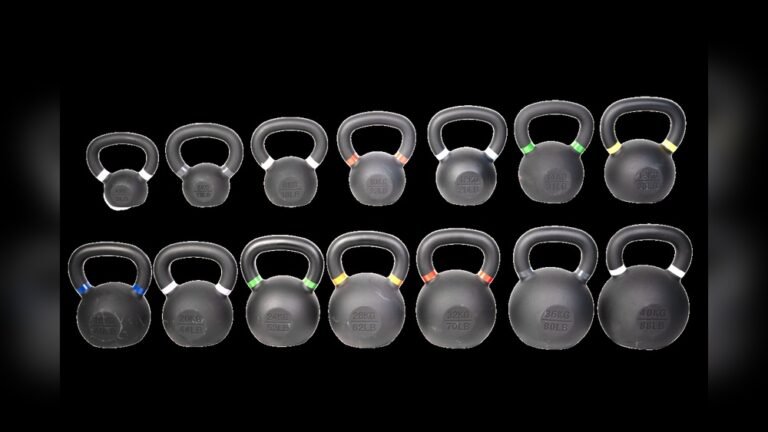
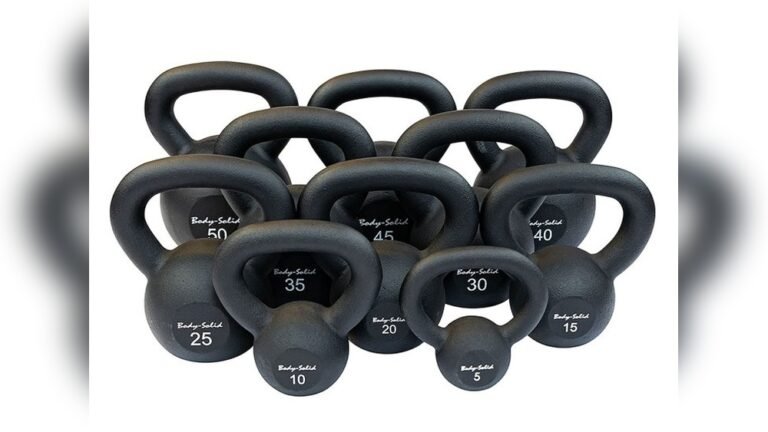
Start with a light kettlebell to learn proper form. Beginners often choose 8-12 kg for women and 12-16 kg for men. Increase weight gradually as strength improves. Avoid weights that feel too heavy or too light. The right weight allows controlled movements without strain.
Handle Design And Grip
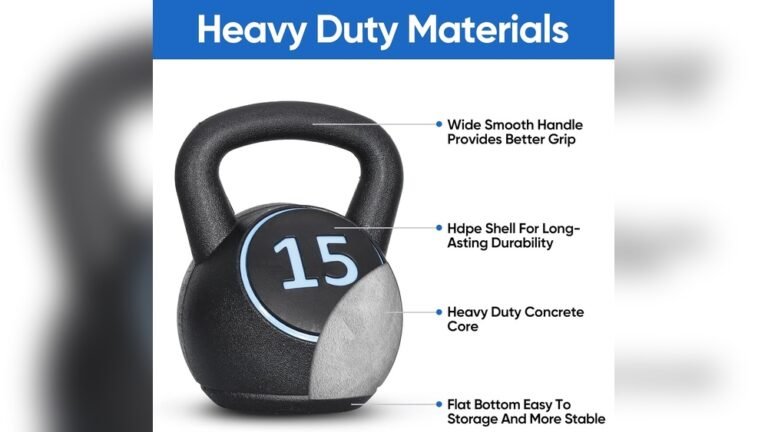
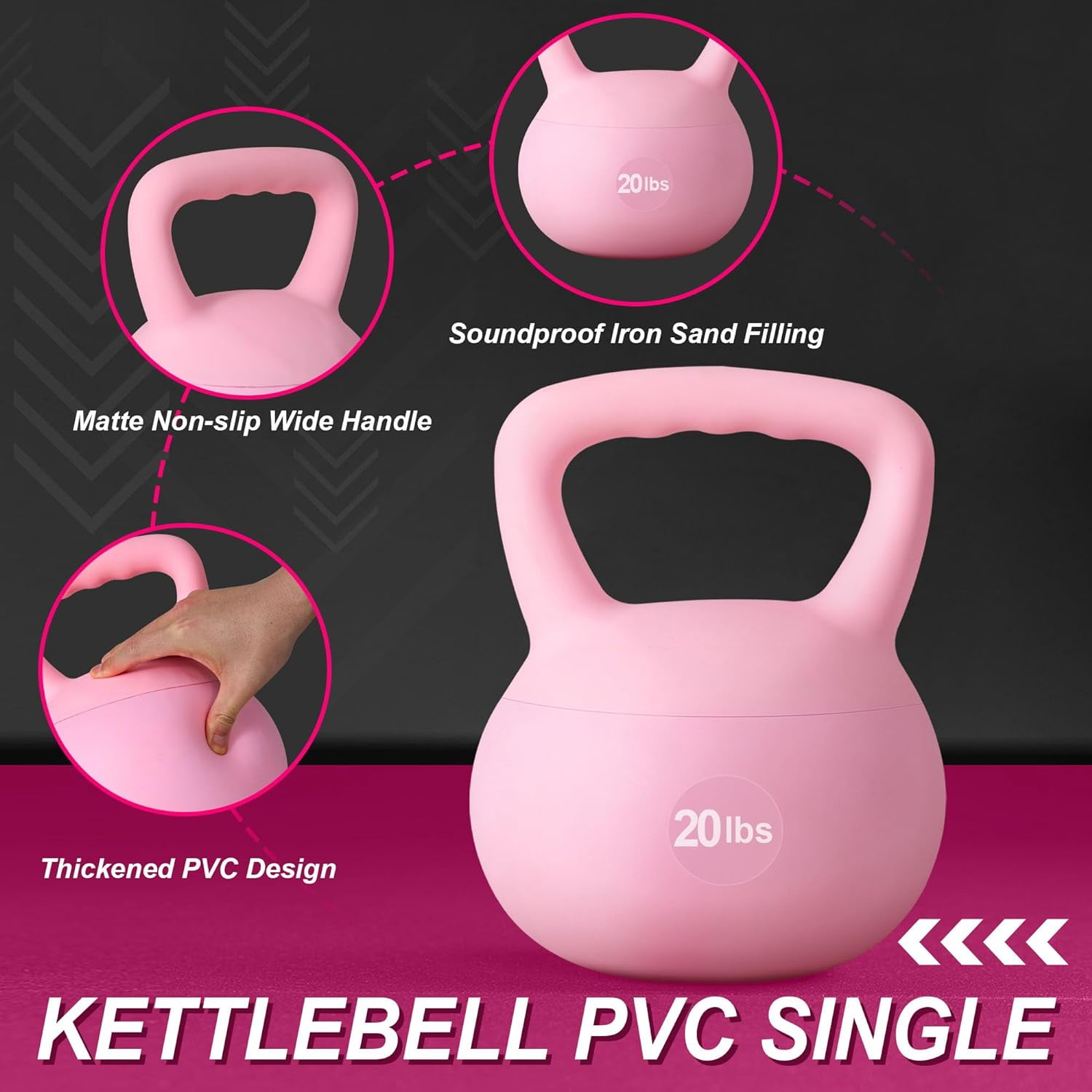
Choose a kettlebell with a smooth, wide handle. This helps a secure grip and prevents slipping. The handle should be thick enough for comfort but not too big to hold. Check if the handle finish is smooth to avoid blisters. A good grip reduces the risk of dropping the kettlebell.
Material And Durability
Cast iron kettlebells are common and durable. Steel kettlebells offer a smooth finish and last long. Look for kettlebells with a powder coat or paint to prevent rust. Durable material keeps the kettlebell safe from cracks or chips. This ensures long-term safety during your workouts.
Preparing For Safe Workouts
Preparing for safe workouts with a kettlebell set is essential to avoid injuries and get the most from your exercise. Taking time before you start helps your body adapt to the movements. It also sets the stage for a smooth and effective session.
Importance Of Warm-ups
Warming up increases blood flow to your muscles. It loosens your joints and raises your heart rate. These changes prepare your body for more intense movements. Start with light cardio or dynamic stretches. This reduces the risk of muscle strains and improves your workout performance.
Proper Clothing And Footwear
Wear clothes that allow full movement and breathe well. Avoid loose garments that might catch the kettlebell. Choose shoes with flat soles and good grip. This helps keep your balance and protects your feet. Proper gear supports safe lifting and reduces slipping or tripping risks.
Setting Up A Safe Workout Space
Clear an area free of obstacles around you. Ensure enough space to swing and move the kettlebell safely. Use a non-slip mat or firm floor surface. Good lighting helps you see clearly and stay focused. A tidy workout space lowers the chance of accidents and creates a better training environment.
Mastering Kettlebell Form
Proper form is key to safe and effective kettlebell training. Using the right technique reduces injury risk and improves results. Focus on body alignment and controlled movements. This section covers essential tips to help you keep good form.
Maintaining A Neutral Spine
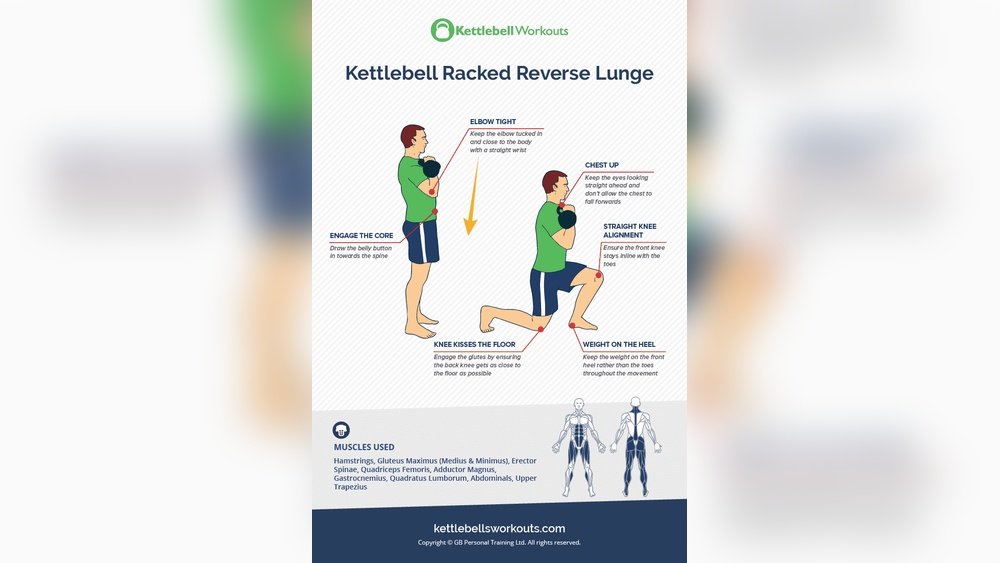
Keep your spine straight and natural. Avoid rounding or arching your back. A neutral spine protects your lower back from strain. Imagine a straight line from your head to your hips. Hold this position during all kettlebell moves.
Hip Hinge Techniques
Bend at your hips, not your waist. Push your hips back as if closing a door. This move activates your glutes and hamstrings. It also keeps your back safe during swings and lifts. Practice slow hip hinges before adding weight.
Engaging Core And Shoulders
Tighten your abdominal muscles to support your spine. Pull your shoulders down and back to stabilize your upper body. This engagement helps control the kettlebell and avoid injury. Keep your chest open but not strained during exercises.

Credit: www.gilgharda.com
Essential Safety Practices
Using a kettlebell set offers a powerful way to build strength and improve fitness. Following essential safety practices reduces injury risk and enhances workout effectiveness. Focus on key areas like grip, movement control, and breathing to stay safe and get the best results.
Securing Your Grip
A firm grip prevents the kettlebell from slipping during exercises. Use chalk or gloves if your hands sweat. Keep your hands dry and avoid over-tightening, which can cause fatigue. Check the kettlebell handle for smoothness to avoid blisters. A steady grip helps maintain control and protect your wrists.
Controlling Movements
Move the kettlebell slowly and with purpose. Avoid jerky or fast motions that strain muscles and joints. Focus on smooth, controlled swings and lifts. Engage your core to stabilize your body. Keep your back straight to protect your spine. Controlled movements lower the chance of injury and improve exercise quality.
Breathing Techniques
Breathe deeply and steadily throughout each exercise. Exhale during the exertion phase, like when lifting or swinging. Inhale during the lowering or resting phase. Proper breathing supports muscle performance and reduces fatigue. Avoid holding your breath, which can raise blood pressure and cause dizziness. Good breathing rhythm keeps you energized and focused.
Common Mistakes To Avoid
Avoiding common mistakes is key to safe kettlebell training. Many new users make errors that cause pain or injury. Recognizing these mistakes helps keep your workouts effective and injury-free.
Focus on proper form and gradual progress. This section covers some frequent errors to watch for with kettlebell sets.
Rounding The Back
Keep your back straight during all kettlebell moves. Rounding puts pressure on your spine. This mistake leads to back pain or injury.
Engage your core muscles to support your back. Imagine a straight line from your head to hips. Avoid bending forward at the waist.
Overusing The Shoulders
Many people lift kettlebells using their shoulders too much. The power should come from your hips and legs. Overworking shoulders causes strain and fatigue.
Use a hip hinge motion to generate force. Keep your shoulders relaxed and down. Let your hips do the heavy lifting.
Using Excessive Weight Too Soon
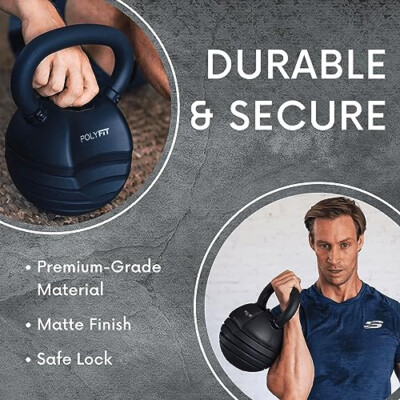
Choosing a kettlebell that is too heavy can cause injury. Start with a light weight to learn proper form. Increase weight gradually as you gain strength.
Heavy weights force bad form and increase risk of muscle strain. Patience helps build safe and steady progress in training.
Credit: lepaystchad.com
Progressing Safely With Kettlebells
Progressing safely with kettlebells is crucial for building strength and avoiding injuries. Taking the right steps allows your body to adapt and grow stronger over time. Patience and care help maintain good form and prevent setbacks. Follow simple guidelines to advance your kettlebell training effectively and safely.
Gradual Weight Increase
Start with a weight that feels manageable and allows proper form. Increase the kettlebell weight slowly and steadily. Avoid jumping to heavier weights too fast. Small increments help your muscles and joints adjust safely. Progressing gradually lowers the risk of strains and injuries.
Incorporating Rest Periods
Rest is as important as the workout itself. Take breaks between sets to let muscles recover. Avoid training the same muscle groups every day. Rest days prevent overuse injuries and improve performance. Listen to how your body responds to rest and adjust accordingly.
Listening To Your Body
Pay close attention to any pain or discomfort during exercises. Sharp or persistent pain means stop immediately. Differentiate between normal muscle fatigue and harmful pain. Modify exercises or reduce weight if needed. Trust your body’s signals to avoid injury and stay safe.
Preventing Injuries During Workouts
Preventing injuries during kettlebell workouts is vital for consistent progress. Safe training protects your body and helps maintain motivation. Simple habits reduce the risk of harm and ensure better results.
Recognizing Warning Signs
Listen closely to your body. Sharp pain or discomfort signals a problem. Stop immediately if you feel unusual soreness or joint pain. Early warning signs include swelling, numbness, or weakness. Ignoring these can worsen injuries.
Avoiding Overexertion
Start with a light kettlebell to learn proper form. Increase weight and intensity gradually. Avoid pushing beyond your limits in one session. Rest between sets to recover strength. Overexertion leads to poor technique and injury.
Cooling Down And Stretching
End every workout with a cool-down phase. Gentle stretching helps muscles relax and reduces stiffness. Focus on areas worked, like hamstrings, shoulders, and back. Cooling down lowers heart rate and aids recovery.
Tips For Specific Kettlebell Exercises
Using kettlebells requires attention to form and safety. Different exercises need unique care to prevent injury. This section shares clear tips for three common kettlebell moves. Follow these simple guidelines to train smart and stay safe.
Safe Kettlebell Swings
Keep your back straight and core tight throughout the swing. Use your hips to drive the movement, not your arms. Grip the kettlebell firmly to avoid slipping. Swing the kettlebell to chest height, not higher. Avoid rounding your lower back during the swing. Start with a light weight to practice form first. Always warm up before beginning swings to prepare your muscles.
Proper High Pull Technique
Begin with feet shoulder-width apart and kettlebell between them. Pull the kettlebell up using your hips and legs, not your shoulders. Keep your elbows higher than your wrists as you pull. Engage your lats to stabilize your shoulders during the pull. Avoid shrugging your shoulders to reduce strain. Use a controlled motion; do not jerk the kettlebell. Start light and increase weight gradually as strength improves.
Executing Turkish Get-ups Safely
Start lying on your back with the kettlebell pressed overhead. Move slowly through each step, focusing on balance and control. Keep your eyes on the kettlebell throughout the movement. Use your free hand and leg to support your body steadily. Avoid rushing to prevent falls or strains. Practice the steps without weight first to master the form. Breathe deeply to maintain stability and focus during the exercise.
Credit: adelaideepic.org
Frequently Asked Questions
What Are Two Safety Tips When Dealing With Kettlebells?
Always maintain a firm grip to prevent slipping. Keep your back straight and hinge at the hips to avoid injury.
How To Use A Kettlebell Safely?
Grip the kettlebell firmly and keep your back straight. Hinge at the hips, not the spine. Start with a light weight. Warm up before and cool down after exercises. Focus on controlled, smooth movements to prevent injury.
What Are The 5 Safety Tips In Pathfit?
The 5 safety tips in Pathfit are: warm up properly, use correct form, select appropriate weight, maintain a firm grip, and stay focused.
How Can I Avoid Injury During Kettlebell High Pulls?
Use hips to generate power, not shoulders. Keep your back straight and core engaged. Start with light weights and progress gradually. Maintain a firm grip and controlled movements. Warm up properly before exercising to prevent injuries.
Conclusion
Staying safe with your kettlebell set helps you enjoy workouts longer. Always use correct form and control your movements. Choose the right weight to match your strength and skill. Warm up before starting to prepare your muscles well. Take breaks and listen to your body’s signals.
Keep your focus sharp to avoid accidents or injuries. Following these safety tips makes kettlebell training effective and fun. Keep practicing safely for steady progress and better health.
I am a certified fitness coach with over 10 years of experience helping people improve their strength, endurance, and overall health. Specializes in workout programming, weight training, fat loss, muscle building, home fitness, and evidence-based nutrition.My goal is to make fitness simple and practical through well-researched guides, honest product reviews, and actionable training advice.