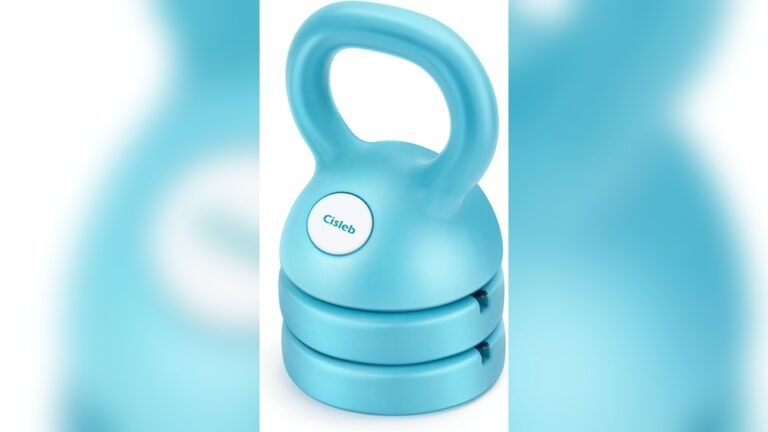
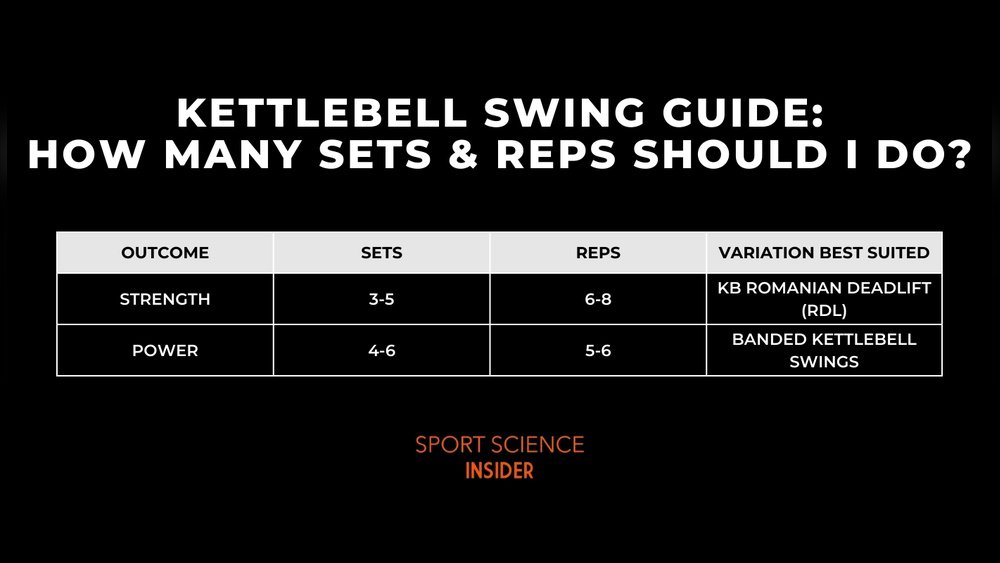
If you’ve just got your kettlebell set or are thinking about adding one to your fitness routine, you might be wondering how to use it safely and effectively. This guide is made just for you.
Whether your goal is to build strength, burn fat, or improve your overall fitness, kettlebells offer a powerful and efficient way to get results. But using them the right way is key—poor form can lead to injury, and choosing the wrong weight can slow your progress.
You’ll discover clear, easy-to-follow tips on how to get started, pick the right kettlebell, and master essential moves that target your whole body. Ready to transform your workouts and see real improvements? Keep reading, because your kettlebell journey starts here.
Kettlebell Basics
Kettlebell basics are essential for safe and effective workouts. Understanding proper form improves results and prevents injury. This guide covers key movements and common exercises to start with confidence.
Hip Hinge Movement
The hip hinge is the foundation of many kettlebell exercises. It focuses on bending at the hips, not the knees. This movement targets the glutes, hamstrings, and lower back. Proper hip hinge protects your spine and maximizes power.
To perform a hip hinge, stand with feet shoulder-width apart. Push your hips backward while keeping your back straight. Keep a slight bend in your knees and engage your core. This simple action prepares you for kettlebell swings and deadlifts.
Common Exercises
Kettlebell swings are the most popular exercise using the hip hinge. They build strength, burn fat, and improve endurance. Start with light weights to learn form before increasing intensity.
Other common exercises include goblet squats, kettlebell cleans, and Turkish get-ups. Goblet squats strengthen legs and core. Cleans develop coordination and power. Turkish get-ups improve full-body stability and mobility.
Practicing these basics regularly leads to better fitness and confidence with your kettlebell set.
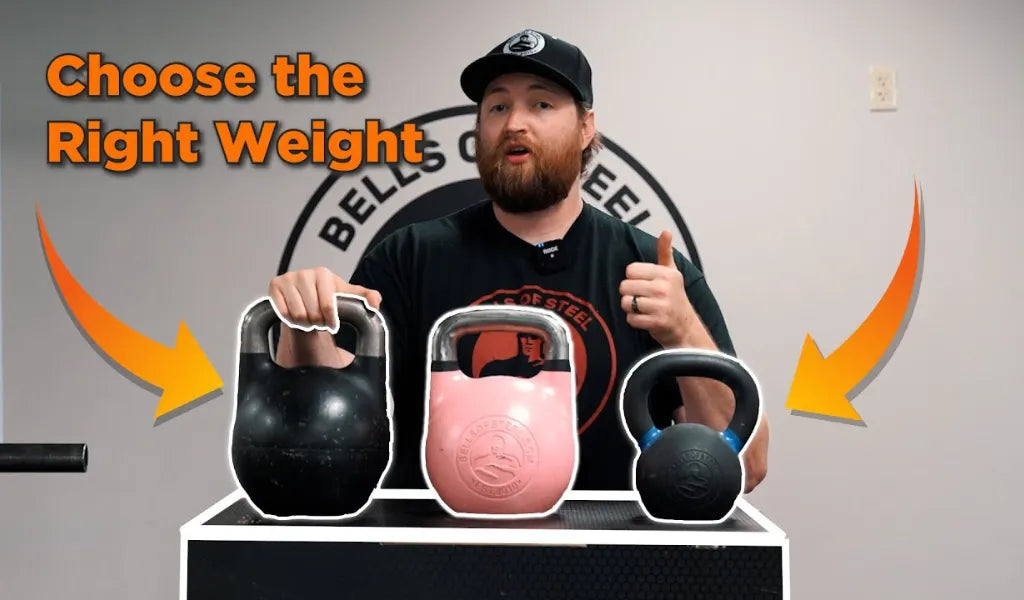
Credit: bellsofsteel.com
Choosing The Right Weight
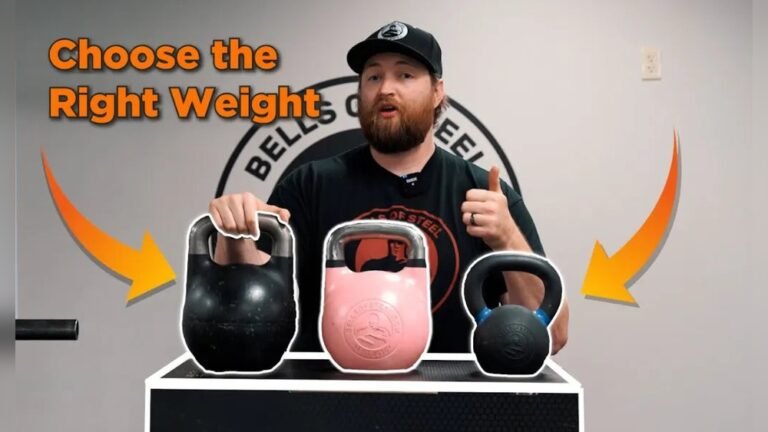
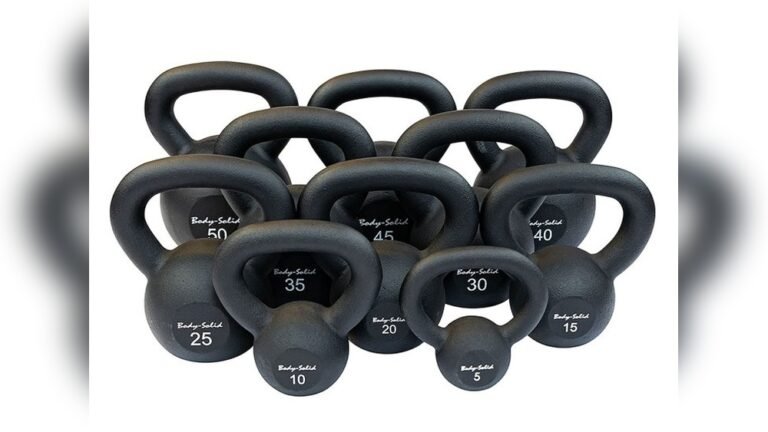
Choosing the right kettlebell weight is key to a safe and effective workout. Picking a weight that matches your strength helps you learn proper form and avoid injury. The right kettlebell also keeps your workouts challenging but manageable.
Understanding how to select the correct weight will improve your training results. This guide breaks down the main points to consider before you buy or start exercising with kettlebells.
Factors To Consider
Your fitness level is the first factor to check. Beginners need lighter weights to practice form. Your workout goals also matter. For strength, use heavier kettlebells. For endurance, lighter weights with more reps work well. Body weight influences the kettlebell size too. Heavier people can often handle heavier weights. Gender can guide your choice but is less important than strength. Finally, think about the exercises you want to do. Some moves need lighter kettlebells for control.
Starting Weights For Beginners
Beginners should start with a weight that feels easy but not too light. For women, 8 to 12 kg (18 to 26 lbs) is a common starting range. For men, 12 to 16 kg (26 to 35 lbs) is typical. Start lighter if you have no prior strength training. Focus on mastering the hip hinge and swing motion first. Gradually increase weight as your form and strength improve. Never sacrifice technique for heavier weights.
Two Bells Advantage
Having two kettlebells of different weights offers more workout options. Use a lighter bell for warm-ups and mobility drills. Use a heavier bell for strength and power moves. You can also switch weights during circuits for variety. Two bells help balance your strength on both sides. They allow progression without buying new equipment. This setup suits beginners and experienced users alike.
Form And Technique
Proper form and technique are essential when using a kettlebell set. They help you train safely and get the best results. Good form reduces the risk of injury and makes your workouts more effective. Focus on controlled movements and steady posture. This guide covers key tips to maintain perfect form and perform basic kettlebell exercises correctly.
Avoiding Injuries
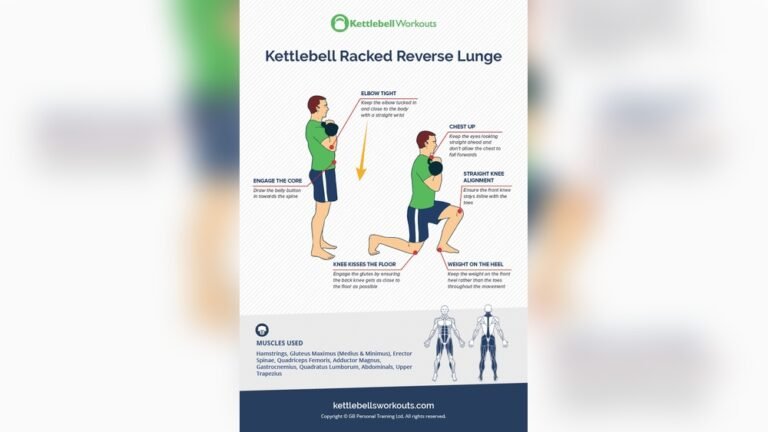
Injuries often happen due to poor technique or rushing through exercises. Warm up before each session to prepare your muscles. Keep your back straight and avoid rounding your spine. Engage your core to protect your lower back. Use a weight that matches your strength level. Stop if you feel pain or discomfort. Rest between sets to prevent fatigue.
Hip Thrust And Swing
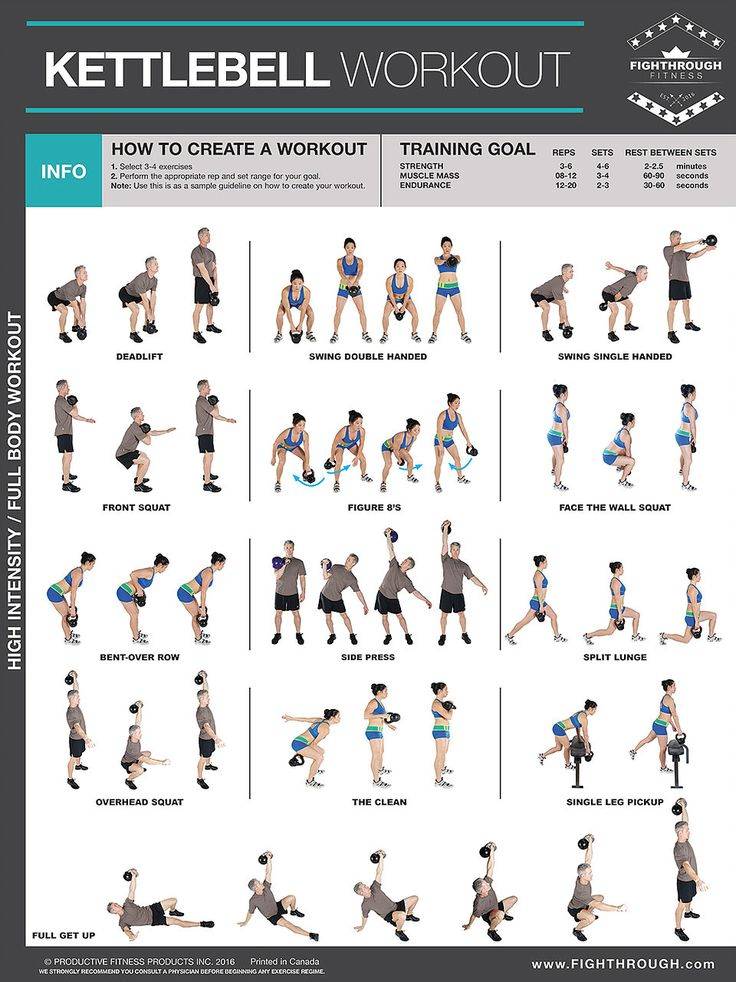
The hip thrust is the main movement in kettlebell swings. Push your hips backward, not down like a squat. Drive your hips forward to swing the kettlebell up. Keep your arms relaxed and let the hips do the work. Your knees should bend slightly but stay stable. This motion strengthens your glutes, hamstrings, and core. Practice this move slowly before increasing speed.
Maintaining Perfect Form
Stand with feet shoulder-width apart. Hold the kettlebell handle firmly with both hands. Keep your shoulders down and back. Your chest stays lifted throughout the exercise. Look straight ahead, not down at the kettlebell. Breathe steadily and avoid holding your breath. Control the kettlebell’s path on the upswing and downswing. Finish each rep with a strong hip lockout. Consistent practice builds muscle memory and improves technique.
Credit: www.greatlifefitness.com
Full-body Benefits
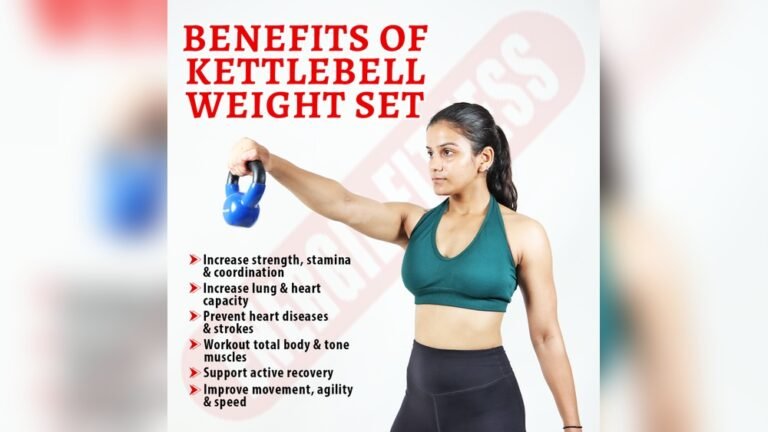
Using a kettlebell set offers many full-body benefits. It targets multiple muscle groups at once. This makes workouts efficient and effective. You build strength, improve heart health, and support better posture.
The kettlebell moves engage your whole body. Each exercise boosts power and endurance. Regular practice promotes overall fitness and well-being.
Strength And Power
Kettlebell workouts develop strength in many muscles. They focus on the glutes, hamstrings, back, and core. This builds a strong posterior chain. It improves stability and helps prevent injuries. The explosive movements increase power. This makes daily activities and sports easier.
Cardiovascular Health
Kettlebell exercises raise your heart rate quickly. This improves circulation and stamina. The constant movement burns calories fast. It helps reduce body fat and boosts endurance. This supports a healthy heart and lungs. You gain energy for longer periods.
Posture And Back Support
Many people suffer from poor posture due to sitting. Kettlebell training strengthens back and core muscles. It corrects muscle imbalances caused by slouching. This reduces back pain and discomfort. A strong core supports the spine well. Your posture looks better and feels stronger.
Fat Loss And Conditioning
Using a kettlebell set is excellent for fat loss and conditioning. The workouts engage multiple muscles and keep your heart rate high. This combination helps burn calories efficiently and improves overall fitness.
Short, intense kettlebell sessions can fit easily into any schedule. You do not need long hours to see results. Kettlebell exercises build strength and stamina at the same time.
Calorie Burn
Kettlebell exercises burn many calories in a short time. Movements like swings and snatches use large muscle groups. This means your body works hard and burns energy fast. The calorie burn continues even after your workout ends. This afterburn effect helps reduce body fat efficiently.
Boosting Metabolism
Regular kettlebell training raises your metabolism. The body keeps burning calories at a higher rate after exercise. This helps to lose fat and maintain a healthy weight. Muscle growth from kettlebell workouts also increases metabolism. More muscle means your body burns more calories at rest.
Functional Fitness
Kettlebell exercises mimic real-life movements. This improves balance, coordination, and mobility. You become stronger in everyday tasks like lifting and bending. Functional fitness reduces injury risk and builds endurance. It also makes your workouts practical and effective.
Credit: xprtfitness.com
Mental And Habit Gains
Using a kettlebell set regularly builds more than physical strength. It creates strong mental habits and improves your daily routine. The mental and habit gains are key reasons kettlebell workouts stay popular. These workouts help you develop consistency, discipline, and time-saving habits. This section explores how kettlebell training shapes your mindset and daily habits.
Building Consistency
Consistency is the foundation of progress. Using a kettlebell set daily forms a steady workout habit. Small, daily actions add up to big results. The simple routine of kettlebell exercises helps you stay on track. You learn to prioritize your health without excuses. Over time, this habit becomes natural and easy to follow.
Discipline And Confidence
Kettlebell training demands focus and discipline. Sticking to your routine builds mental strength. Each completed workout boosts your confidence. You see your progress and feel proud. This confidence spreads to other parts of your life. Discipline from kettlebell workouts helps you face challenges calmly and with control.
Time Efficiency
Kettlebell workouts are quick and effective. You spend less time exercising but still see great results. This saves time for work, family, or hobbies. Efficient workouts reduce stress about fitting exercise into your day. You create a balanced routine that fits your busy schedule. Time efficiency keeps you motivated and consistent.
Workout Tips
Using a kettlebell set effectively takes practice and care. Follow these workout tips to ensure safe and steady progress. Focus on proper technique and listen closely to your body’s signals. Consistent effort leads to better strength and fitness.
Start Gradually
Begin with lighter weights to learn the right form. Avoid rushing into heavy lifts that may cause injury. Short sessions help your muscles adjust. Increase weight and duration slowly as you gain confidence.
Listen To Your Body
Pay attention to aches or pain during workouts. Stop or reduce intensity if something feels wrong. Rest is as important as exercise for recovery. Proper rest lowers the risk of injuries and burnout.
Daily Practice Considerations
Daily kettlebell workouts can improve endurance and strength. Vary exercises to target different muscle groups. Include warm-up and cool-down routines to protect your joints. Balance work with rest days for best results.
Frequently Asked Questions
What Will 100 Kettlebell Swings A Day Do?
Doing 100 kettlebell swings daily builds strength, improves posture, boosts cardiovascular health, burns fat, and enhances core stability.
Is 20 Minutes Of Kettlebell Workouts A Day Enough To Lose Weight?
Yes, 20 minutes of daily kettlebell workouts can aid weight loss by burning calories and boosting metabolism. Consistency and proper form enhance results. Combine with a balanced diet for effective fat loss.
How To Use Kettlebells Correctly?
Use kettlebells with proper hip hinge technique. Push hips back, let the kettlebell swing, then thrust hips forward using glutes. Keep your core tight and back straight. Start with a manageable weight to maintain form and prevent injury. Gradually increase intensity as you gain strength.
How Heavy Should A Kettlebell Be For Beginners?
Beginners should start with 8-12 kg (18-26 lbs) kettlebells for women and 12-16 kg (26-35 lbs) for men. Choose lighter weights for overhead exercises and heavier for swings to ensure proper form and safety.
Conclusion
Using a kettlebell set can improve your strength and fitness steadily. Focus on proper form to avoid injury and gain benefits. Start with lighter weights and increase gradually as you build confidence. Daily practice helps develop a strong habit and better coordination.
Remember to listen to your body and rest when needed. Kettlebell exercises target many muscles and improve posture effectively. Keep your movements controlled and consistent for best results. This simple tool supports both physical health and mental discipline. Give yourself time to adapt and enjoy the progress you make.
I am a certified fitness coach with over 10 years of experience helping people improve their strength, endurance, and overall health. Specializes in workout programming, weight training, fat loss, muscle building, home fitness, and evidence-based nutrition.My goal is to make fitness simple and practical through well-researched guides, honest product reviews, and actionable training advice.