Are you ready to take your home gym to the next level? Choosing the right power rack is a game-changer for your workouts, but it all starts with understanding the perfect size for your space and needs.
You don’t want to end up with a rack that’s too big, too small, or just doesn’t fit your workout style. This size guide will help you find the ideal power rack dimensions, so you can lift safely and effectively without any guesswork.
Keep reading, and you’ll discover how to measure your space, what dimensions really matter, and how to pick a power rack that fits you perfectly. Your best workout setup starts here.
Credit: www.liftingitalia.com
Power Rack Basics
A power rack is a sturdy frame used for weight training. It supports lifting heavy weights safely and effectively. Understanding its basics helps you pick the right size and features. This knowledge ensures a better workout experience.
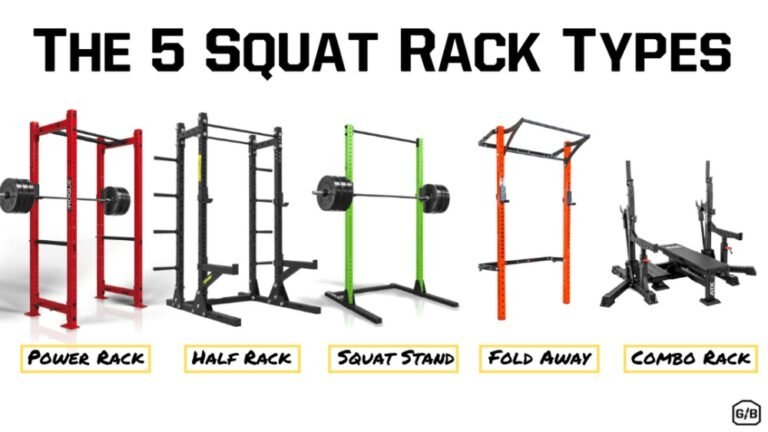
Power racks come in different sizes and shapes. Choosing the correct dimensions depends on your space and workout needs. Let’s explore the key features and common uses of a power rack.
Key Features
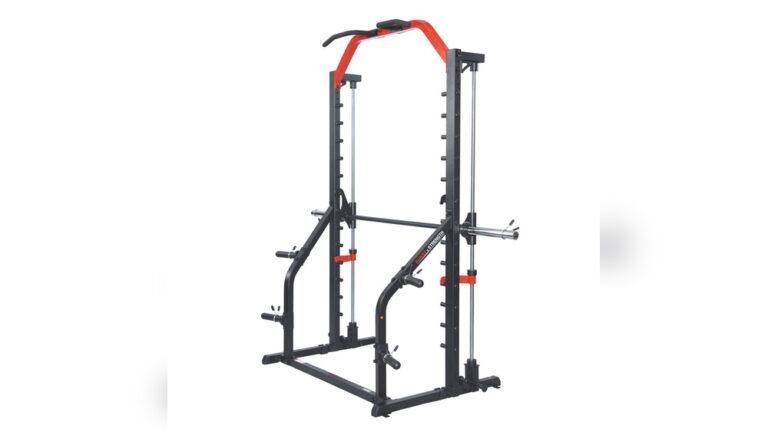
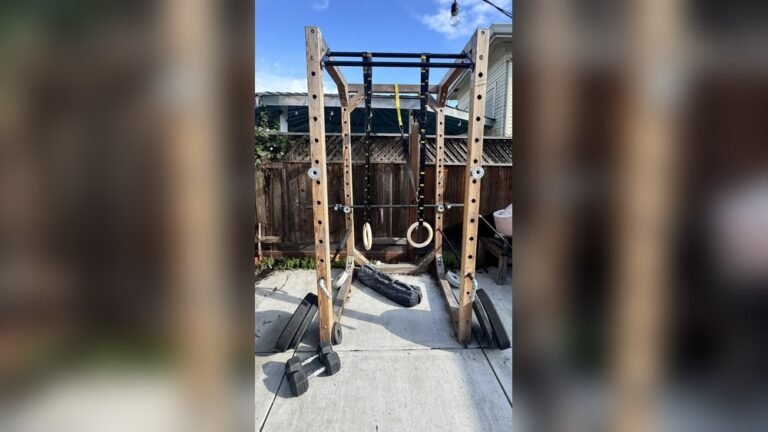
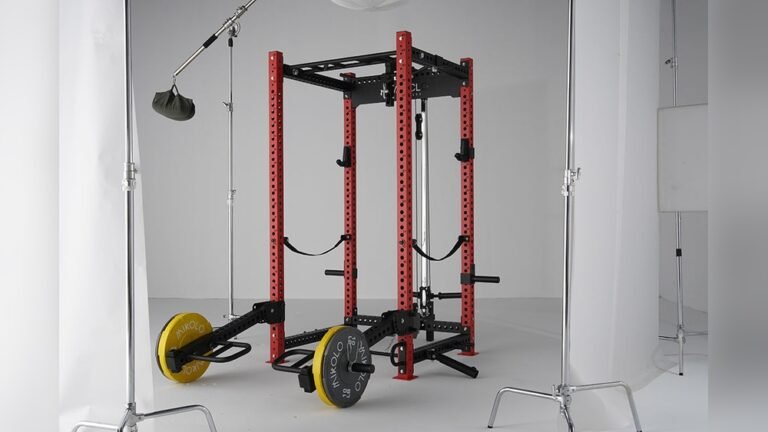
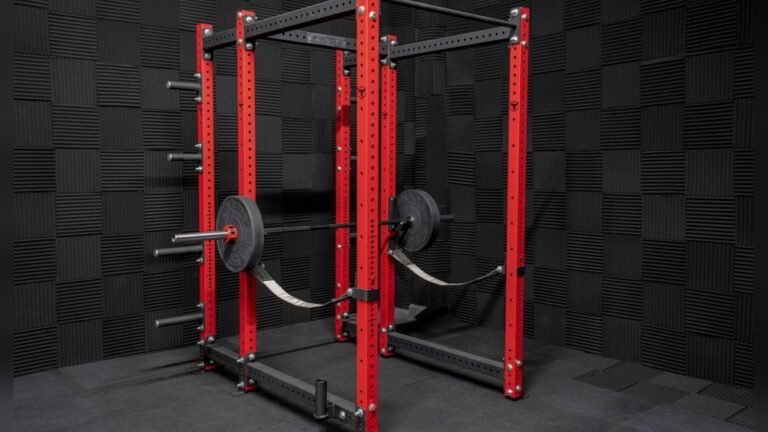
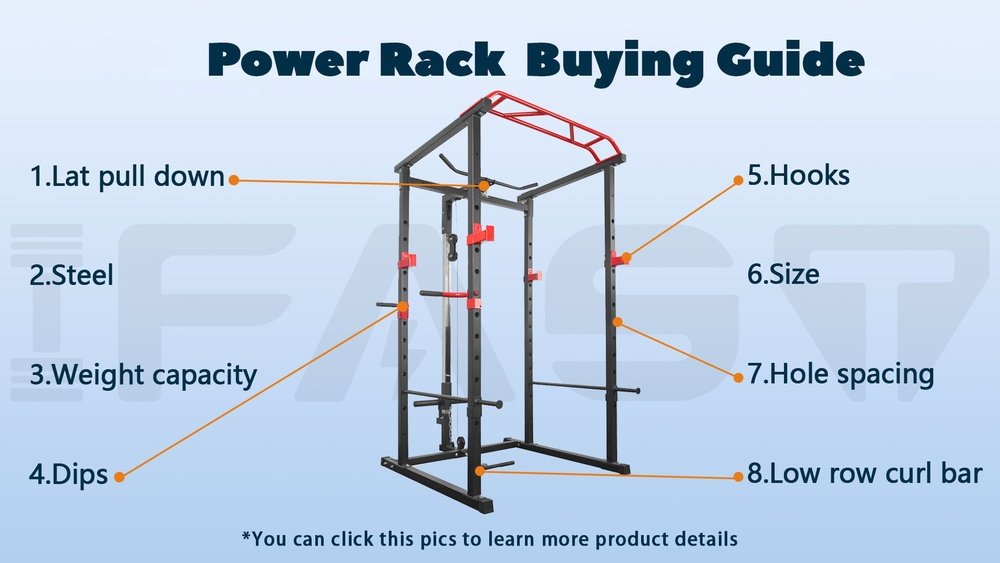
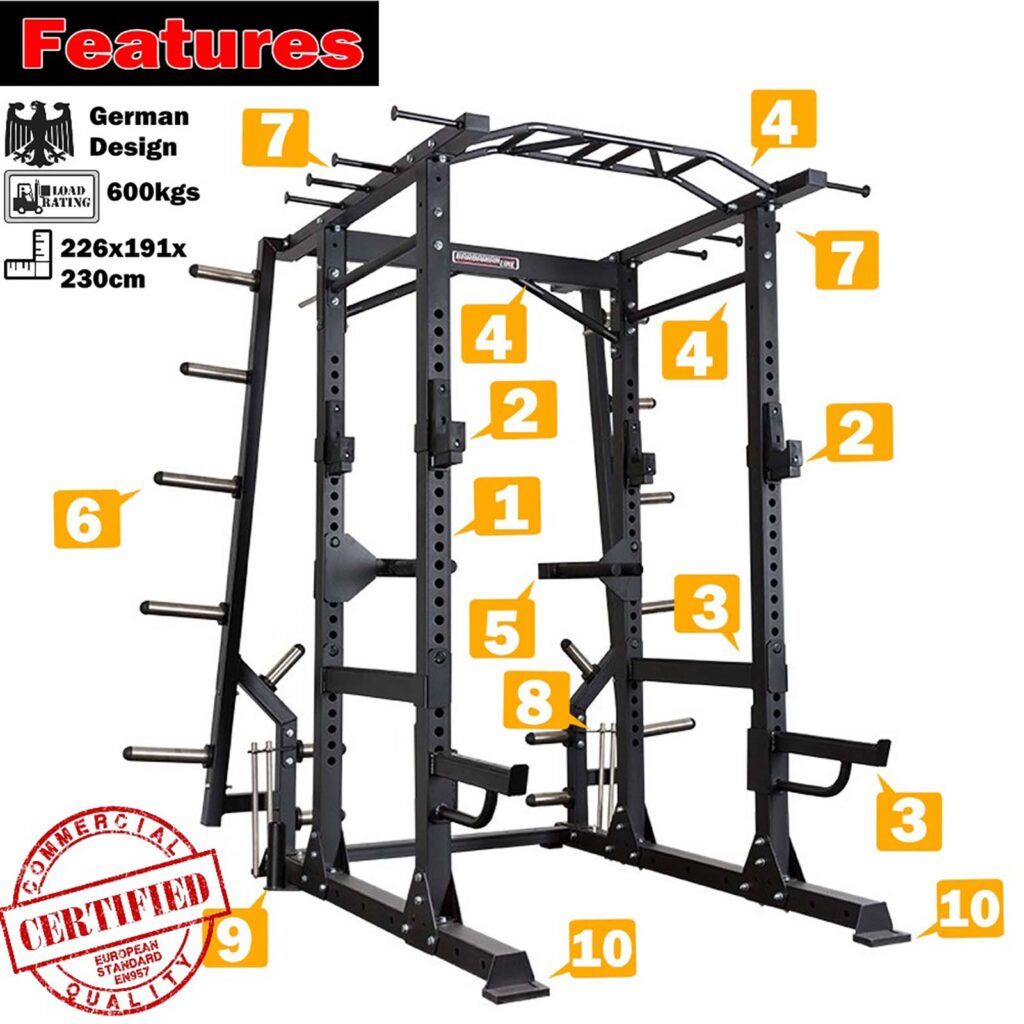
Power racks have strong vertical posts to hold weights. Adjustable safety bars catch the barbell if you fail a lift. They often include pull-up bars and weight storage pegs. Most racks have holes spaced evenly for easy height adjustment. The frame is made from thick steel for stability. These features make lifting safer and more versatile.
Common Uses
People use power racks for squats, bench presses, and deadlifts. They help train all major muscle groups. Power racks allow solo lifting without a spotter. Many use them for pull-ups and chin-ups too. Athletes and beginners benefit from the safety and support. A power rack fits well in home gyms and fitness centers.
Essential Measurements
Choosing the right power rack size is crucial for safety and workout comfort. Essential measurements help match the rack to your space and needs. Understanding these dimensions avoids installation problems and ensures smooth exercise sessions.
Height Considerations
Power racks come in various heights, usually between 80 and 90 inches. Measure your ceiling height before buying. Leave at least 6 inches of space above the rack for head clearance. Taller users need racks with more height for overhead lifts. Check if the rack includes pull-up bars or attachments that add extra height.
Width And Depth
Width affects how much space you have for barbell movements. Standard racks are about 48 inches wide, but wider models offer more room. Depth is the distance from front to back, usually 48 to 54 inches. A deeper rack provides better stability and space for accessories. Ensure the rack width and depth fit your workout style and available area.
Space Requirements
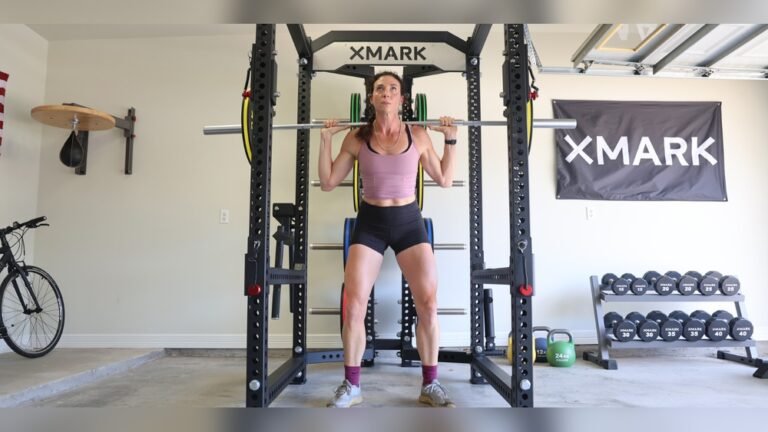
Allow extra space around the rack for safe movement and equipment use. Leave at least 24 inches on each side for loading weights and walking. Consider space for a bench if you plan to do bench presses. Check floor space and ceiling height to prevent cramped workouts. Proper spacing improves safety and comfort during exercises.
Choosing The Right Size
Choosing the right size for your power rack is important for safety and comfort. The rack must fit well in your workout space. It should also suit your height for proper exercise form. Plus, ceiling height can limit your options. These factors help you pick a rack that works best for your home gym.
Matching Rack To Workout Space
Measure the area where you want the power rack. Note the width, depth, and height. Leave extra room around the rack for movement and safety. A tight space can feel cramped and limit exercise options. Choose a rack size that fits easily without crowding the room.
Adjusting For User Height
Your height affects the rack size you need. Taller users need racks with higher uprights. This allows full range of motion during exercises like squats or pull-ups. Shorter users can choose smaller racks that still provide enough clearance. Check the rack’s height specifications before buying.
Considering Ceiling Clearance
Ceiling height is key for power racks with pull-up bars. Ensure there is enough space above the rack. This prevents hitting the ceiling during exercises. Measure from floor to ceiling and subtract a few inches for safety. Choose a rack that fits comfortably under your ceiling.

Credit: www.youtube.com
Safety Tips
Safety is the top priority when using a power rack. Following key safety tips helps prevent injuries and equipment damage. Knowing how to install, use, and anchor your power rack properly ensures a secure workout environment. This section covers essential safety measures every user should follow.
Proper Installation
Install the power rack on a flat, stable surface. Avoid uneven floors that cause instability. Follow the manufacturer’s instructions closely during assembly. Tighten all bolts and screws firmly. Check for any loose parts before each use. Proper setup reduces the risk of accidents.
Weight Capacity Awareness
Know the maximum weight your power rack can hold. Never exceed the stated weight limit. Include the weight of the barbell and plates when calculating total load. Overloading can damage the rack and cause failure. Use equipment designed for your training needs.
Secure Anchoring
Anchor the power rack to the floor if possible. Use anchor bolts or heavy-duty fasteners for stability. Secure anchoring prevents tipping during heavy lifts. Check anchors regularly to ensure they remain tight. This step adds extra safety to your workout space.
Customizing Your Power Rack
Customizing your power rack lets you tailor it to your workout needs. A well-customized rack improves safety and workout efficiency. It also maximizes your gym space and supports a variety of exercises. Choosing the right features matters for long-term satisfaction.
Add-ons And Accessories
Add-ons make your power rack more versatile. Options include pull-up bars, dip stations, and weight storage. Safety spotter arms and band pegs enhance your lifting safety. Choose accessories that fit your training style and goals. They help you perform more exercises without extra equipment.
Hole Spacing And Adjustability
Hole spacing affects how you set the rack’s attachments. Smaller spacing allows finer adjustment of safety bars and J-hooks. This improves comfort and safety during lifts. Look for racks with adjustable height settings. Adjustability supports different exercises and user heights.
Material And Build Quality
Strong materials ensure your power rack lasts long. Steel with thick gauge provides stability and safety. Powder-coated finishes resist rust and wear. Check welds and bolts for solid construction. A sturdy rack withstands heavy weights and daily use.
Common Size Standards
Power racks come in different sizes to fit various workout spaces. Knowing common size standards helps you choose the right rack. This guide explains standard dimensions and brand variations.
Understanding these sizes ensures your rack fits well and offers safe lifting. It also helps avoid buying a rack too big or small for your gym area.
Standard Dimensions
Most power racks have a height between 80 and 90 inches. The width usually ranges from 42 to 48 inches. Depth varies but typically falls between 40 and 48 inches. These dimensions provide enough space for most exercises.
Standard hole spacing for attachments is about 2 inches. This spacing allows flexibility for different bar heights. The frame thickness is often 2×2 inches or 3×3 inches for durability. Weight capacity generally supports over 700 pounds.
Variations By Brand
Different brands offer size variations to suit specific needs. Some brands make taller racks for taller users or Olympic lifts. Others design compact racks for small home gyms. Width and depth can change based on stability and accessory options.
Brands may also vary hole spacing slightly. Some use 1-inch increments instead of 2 inches. Frame thickness can range from 2×2 inches to heavy-duty 4×4 inches. Weight limits vary by material and build quality.
Check each brand’s size guide carefully before purchase. This helps match the rack to your workout space and goals.
Space Optimization
Optimizing space is key when setting up a power rack. A well-planned area makes workouts safer and more comfortable. It also helps keep your gym organized and efficient. Knowing how to arrange and use your power rack can save valuable room in your home gym.
Placement Tips
Place the power rack against a wall to save floor space. Leave enough room around it for movement and safety. Avoid placing it near doors or windows. Ensure the ceiling height fits the rack and your exercises. Use a flat, stable surface to keep the rack steady.
Multi-functional Use
Choose a power rack with attachments for many exercises. Use it for squats, pull-ups, and bench presses. Add storage hooks to keep weights organized and off the floor. This reduces clutter and frees up space for other gear. A versatile rack makes your gym more practical.
Maximizing Small Areas
In small spaces, opt for compact or foldable power racks. Measure your room carefully before buying. Use vertical space for storing accessories like bands or bars. Keep only essential equipment nearby to avoid crowding. Smart organization helps you train effectively in tight spots.
Maintenance And Longevity
Proper maintenance keeps your power rack safe and durable. Regular care helps avoid costly repairs and extends the rack’s life. A well-maintained rack supports your workouts for years without issues.
Simple steps protect your investment and ensure smooth use. Follow these guidelines to keep your power rack in top shape.
Routine Checks
Inspect your power rack weekly for loose bolts or parts. Tighten any screws that feel loose to prevent accidents. Check the welds for cracks or damage that may weaken the structure.
Look over the safety pins and hooks to ensure they hold weight securely. Clean the frame with a damp cloth to remove dust and sweat. Avoid harsh chemicals that can damage the finish.
Preventing Wear And Tear
Apply lubricant to moving parts like pulleys and hinges to reduce friction. Use a silicone spray or light oil for best results. Replace worn-out or rusted components immediately to keep the rack stable.
Place mats under the rack to protect the floor and reduce noise. Avoid dropping heavy weights directly on the rack frame. Store your power rack in a dry area to prevent rust and corrosion.

Credit: www.youtube.com
Frequently Asked Questions
What Are The Standard Power Rack Dimensions?
Standard power racks typically measure around 48″ wide, 48″ deep, and 84″ tall. Dimensions vary by model but usually fit most home gyms comfortably.
How Much Space Do I Need For A Power Rack?
Allow at least 6 feet by 6 feet of floor space to accommodate the rack and safe workout movement.
What Height Should A Power Rack Be?
Most power racks range from 80 to 90 inches tall, suitable for users up to 6’6” for overhead lifts.
How Do I Measure For A Power Rack?
Measure your workout area’s width, depth, and ceiling height. Ensure enough clearance around the rack for safety.
Conclusion
Choosing the right power rack size fits your space and workout needs. Measure your room carefully before buying. Consider the rack’s height, width, and depth. Allow extra space for movement and safety. A well-sized rack makes workouts safer and more effective.
Take time to compare different models and dimensions. This helps avoid problems after purchase. Remember, a good fit supports your fitness goals. Keep these tips in mind for the best power rack choice.
I am a certified fitness coach with over 10 years of experience helping people improve their strength, endurance, and overall health. Specializes in workout programming, weight training, fat loss, muscle building, home fitness, and evidence-based nutrition.My goal is to make fitness simple and practical through well-researched guides, honest product reviews, and actionable training advice.