When it comes to building your strength and setting up the perfect home gym, choosing the right power rack is a game-changer. But with so many types of power racks available, how do you know which one fits your space, your workout style, and your fitness goals?
You might feel overwhelmed by all the options, from full power cages to half racks, foldable designs to those with pulley systems. This guide breaks down the different types of power racks in simple terms, helping you find the ideal fit for your workouts and your home.
Keep reading to discover which power rack will unlock your full potential and make every lift safer and more effective.
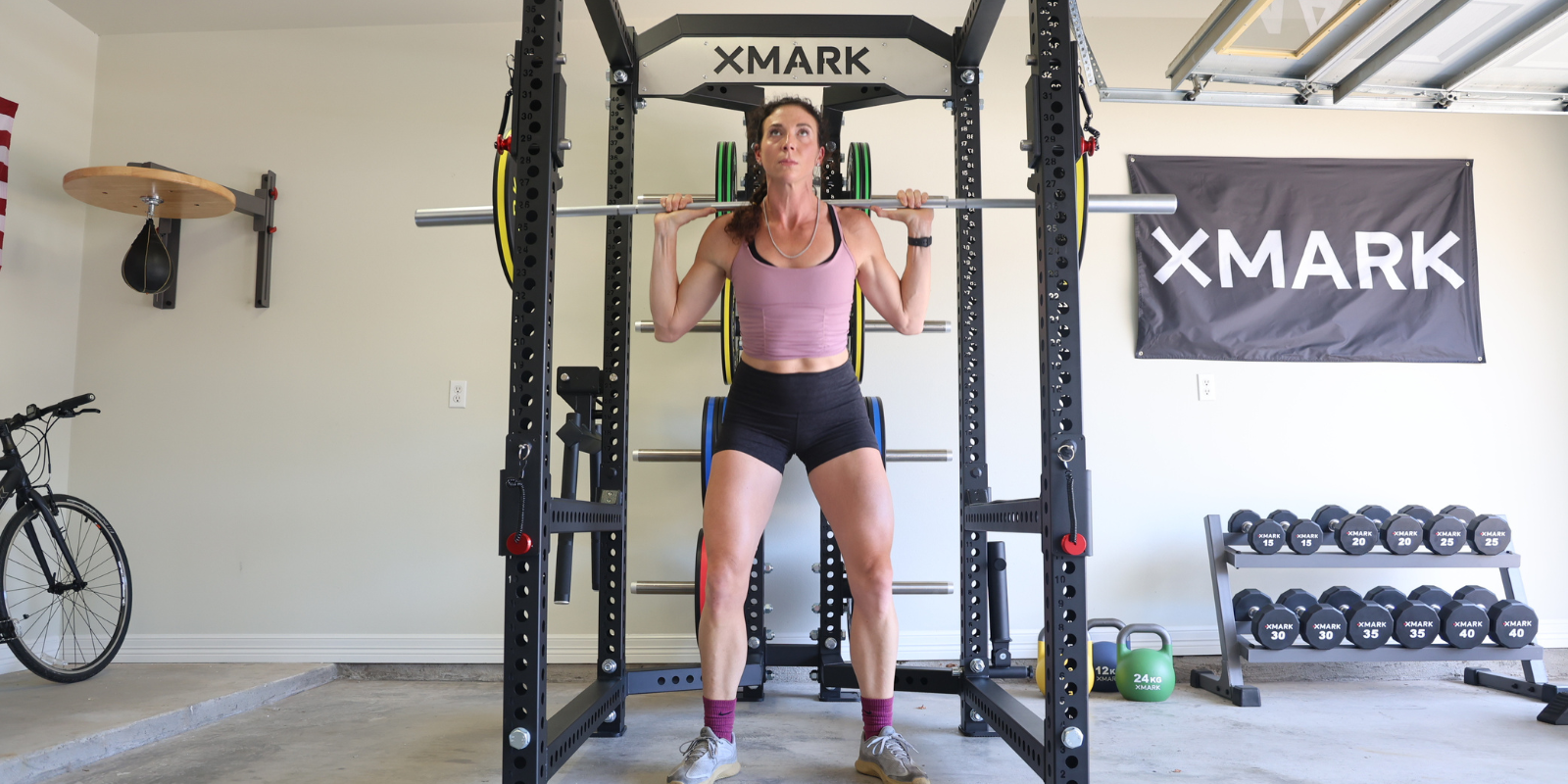
Credit: xmarkfitness.com
Full Power Racks
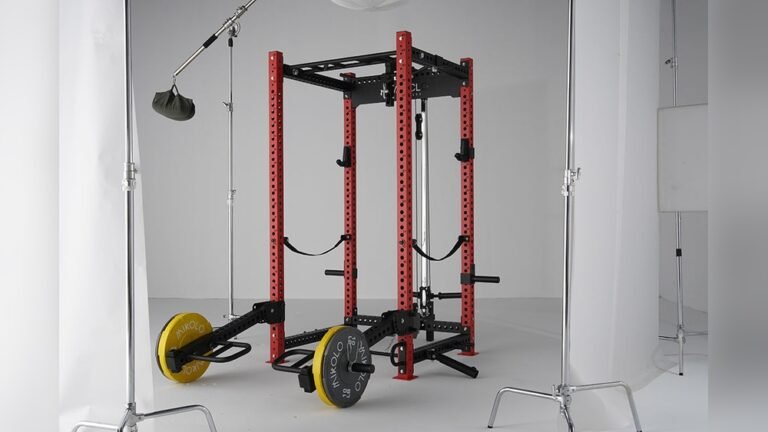
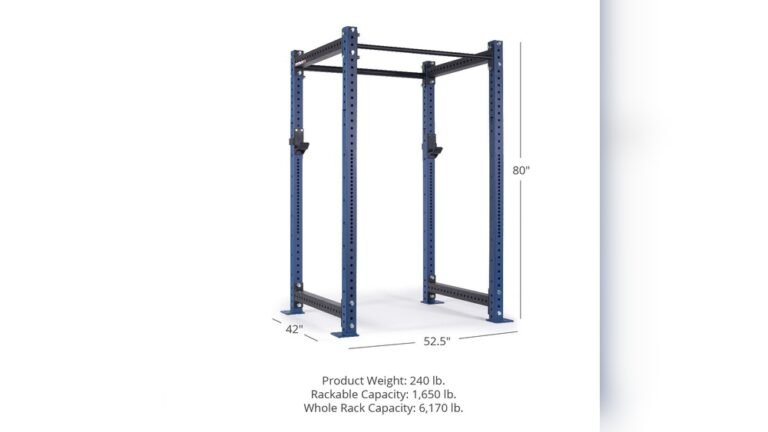
Full power racks are the most robust and versatile type of power racks. They provide a complete frame with four upright posts and multiple safety bars. This design allows for a wide range of exercises with heavy weights. Many athletes and fitness enthusiasts prefer full power racks for strength training. They offer excellent stability and safety during workouts.
Features And Benefits
Full power racks have a solid steel frame that supports heavy loads. They include adjustable safety bars to catch the barbell if you fail a lift. The racks come with multiple height settings for various exercises. Often, they have pull-up bars attached for added workout options. Their large footprint ensures strong stability and balance. These racks allow users to perform squats, bench presses, and overhead presses safely.
Ideal Uses
These racks suit users who lift heavy weights and train regularly. They are perfect for powerlifting, bodybuilding, and general strength training. Full power racks work well in home gyms and commercial facilities. They provide safety for solo lifters without a spotter. The racks support a wide range of barbells and attachments. Their versatility makes them ideal for both beginners and advanced lifters.
Popular Models
Several models stand out for quality and reliability. The Rogue R-3 Power Rack offers durability and a compact design. Titan T-3 Series Power Rack delivers solid construction at a budget price. REP Fitness PR-1100 is known for smooth adjustability and strong build. Fitness Reality 810XLT provides value with many features included. These models have excellent reviews and strong customer support.
Half Racks
Half racks offer a practical solution for strength training in smaller spaces. They provide essential support for lifting exercises without the bulk of a full power rack. Ideal for home gyms, half racks balance functionality and compactness.
These racks include two upright posts and adjustable safety bars. This design allows users to perform squats, bench presses, and pull-ups safely. The open back and sides create easy access and more room for movement.
Space-saving Design
Half racks fit well in tight spaces. Their smaller footprint compared to full racks suits apartments or rooms with limited area. Many models also feature wheels for easy relocation.
This design does not sacrifice stability. Most half racks use heavy steel frames and strong bolts for durability. The open design makes the area feel less crowded while keeping equipment secure.
Targeted Workouts
Half racks focus on core lifts like squats and presses. Adjustable safety bars allow for varied height settings to match different exercises and user heights. This versatility supports progressive training.
Some half racks include pull-up bars and dip attachments. These add bodyweight exercises without extra equipment. This makes half racks a smart choice for balanced strength routines.
Top Picks
Popular half racks include brands like Rogue, Titan, and Rep Fitness. These models combine solid build quality with user-friendly features. They often offer additional accessories like weight storage or band pegs.
Choosing the right half rack depends on budget, space, and workout needs. Look for sturdy construction, adjustable components, and a compact design. These factors ensure a safe and efficient training environment.
Squat Stands
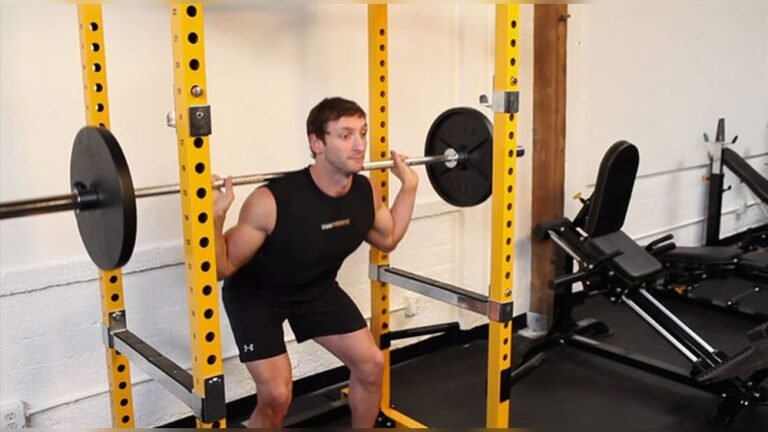
Squat stands offer a simple and effective solution for weightlifting enthusiasts. They focus mainly on the squat exercise, providing support for the barbell. Unlike full power racks, squat stands take up less space. They are ideal for small home gyms or limited workout areas.
Squat stands usually consist of two upright posts with adjustable hooks. These hooks hold the barbell at different heights. Many models are lightweight and easy to move around. This flexibility makes them popular among users who need a portable option.
Compact Solutions
Squat stands are great for saving space. Their narrow design fits into tight corners. Users can perform squats, overhead presses, and bench presses with the right bench. Some models even fold flat against a wall. This makes cleaning and storage easier.
Because they lack side panels, squat stands allow more freedom of movement. They are less bulky than full power racks. This benefit comes at the cost of some safety features. Spotter arms or safety bars may not be as strong or stable.
Pros And Cons
Pros of squat stands include low cost and portability. They are easier to assemble and move. Their small footprint suits apartments or shared spaces well. Many come with adjustable heights for different exercises.
Cons include less protection during heavy lifts. Without full enclosure, users must be more cautious. Spotting a heavy lift can be harder. Some models lack attachments for accessories like pull-up bars. This limits workout variety compared to power cages.
Best Brands
Rogue Fitness offers durable, steel-built squat stands with solid stability. Their products often feature powder coating for rust resistance. Titan Fitness provides budget-friendly options with good load capacity. REP Fitness stands out for adjustable designs and user-friendly setups. Fitness Reality produces compact, foldable squat stands suitable for small spaces.
Foldable Power Racks
Foldable power racks offer a smart solution for small spaces. They combine strength and convenience in one design. Ideal for home gyms, these racks fold flat against the wall. This feature frees up valuable floor space when not in use. Despite their compact form, foldable racks remain sturdy and safe for heavy lifting. They suit users who want a full power rack experience without a permanent footprint.
Space Efficiency
Foldable power racks save a lot of room. Their ability to fold flat helps keep workout areas open. This is perfect for apartments or small garages. These racks allow quick setup and easy storage. You can fold them after training and use the space for other activities. Space efficiency does not mean weaker build. Most foldable racks use strong steel for support and safety.
Setup And Portability
Setup is simple and fast with foldable racks. They attach securely to walls but fold down with ease. This feature makes them portable within your home. You can move the rack from room to room if needed. No heavy disassembly is required. The design supports quick transitions from workout to free space. Portability adds to the rack’s overall convenience for daily use.
Recommended Products
Popular foldable power racks include models from Titan Fitness and XMark. Titan Fitness offers heavy-duty racks with easy fold mechanisms. XMark designs focus on space-saving without sacrificing strength. Both brands provide accessories to customize your rack. These choices suit various budgets and workout needs. Always check product reviews for reliability and user satisfaction.
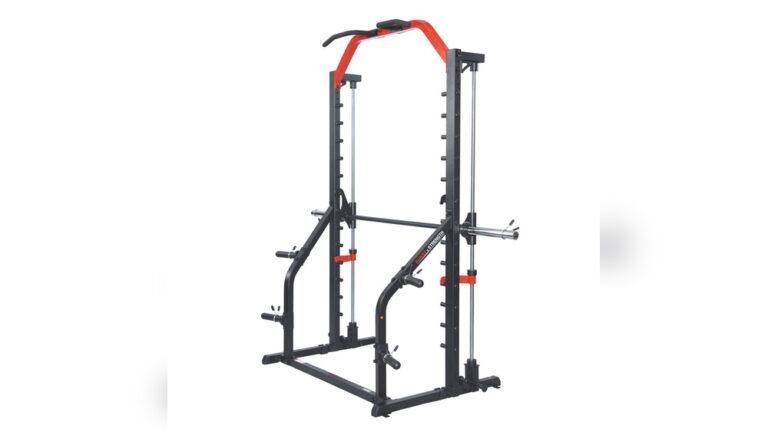
Power Racks With Pulley Systems
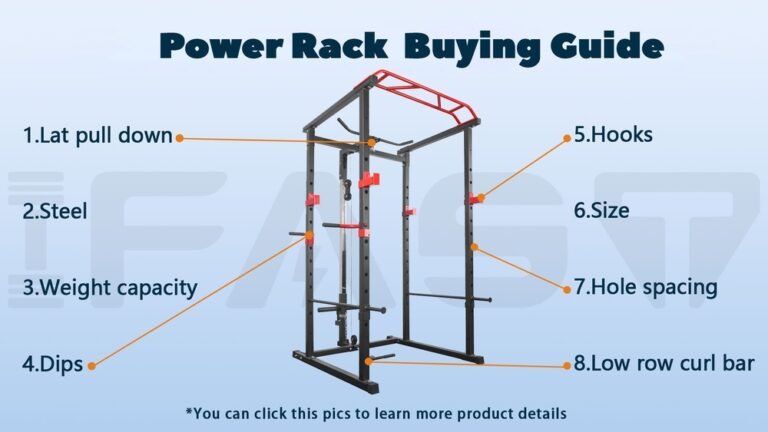
Power racks with pulley systems combine strength training with cable exercises. This design enhances workout variety in one compact unit. Many fitness enthusiasts prefer these racks for their multifunctional features. They allow users to perform pull-downs, rows, and tricep pushdowns alongside traditional lifts.
Added Versatility
These racks provide more than just a place to squat or bench press. The pulley system allows smooth, controlled movements for different muscle groups. You can switch from barbell exercises to cable workouts without changing equipment. This saves space and time during your workout sessions.
Cable Attachments
Cable attachments include handles, ropes, and bars. Each attachment targets specific muscles for varied workouts. For example, a lat pulldown bar works your back, while a rope targets triceps. Most racks allow quick swapping of these attachments for convenience.
Leading Models
Popular models often feature heavy-duty steel frames and adjustable pulleys. Brands like Rogue, Titan, and Rep Fitness offer reliable options. These models include safety catches and multiple pulley height settings. Their solid build ensures durability and stability during intense workouts.
Wall-mounted Racks
Wall-mounted racks offer a unique solution for strength training in limited spaces. These racks attach directly to your wall, freeing floor space and providing sturdy support for your workouts. Their design suits small home gyms or apartments where space is tight but stability is essential.
Installation Requirements
Wall-mounted racks need strong walls for secure installation. Concrete or brick walls work best to hold the rack safely. Installation requires drilling into the wall and using heavy-duty anchors or bolts. Proper mounting ensures the rack can support heavy weights without shifting or damage.
Space Saving Benefits
These racks save significant floor space by folding or sitting flat against the wall. They keep your workout area open and reduce clutter. Wall-mounted racks are ideal for rooms where every square foot counts. You can use the freed space for other exercises or equipment.
Durability Considerations
Durability depends on the rack’s materials and wall strength. Steel racks resist bending and hold heavy weights well. Check the rack’s weight limit before buying. Proper installation also protects the rack from wear and tear over time. A well-mounted wall rack can last for years with little maintenance.
Smith Machine Vs Power Rack
The Smith machine and the power rack are common choices for strength training. Both offer safety and support during heavy lifts. Each has unique features suited for different workout needs. Understanding their differences can help you pick the right equipment.
Functional Differences
The Smith machine has a fixed barbell on vertical rails. It guides the bar in a set path. This limits movement to one plane. The power rack is an open frame with adjustable safety bars. It allows free barbell movement in all directions. Users control balance and form more actively.
Advantages Of Each
The Smith machine offers extra stability. It helps beginners learn lifting technique safely. It reduces the need for a spotter. The power rack supports a wide range of exercises. It provides more freedom in movement patterns. It allows more natural lifting forms and muscle engagement.
Choosing Based On Goals
Choose the Smith machine for guided, safer lifts. It suits those new to weightlifting or rehabbing injuries. Pick the power rack to build strength and balance. It is ideal for experienced lifters seeking versatility. Your training goals decide which rack fits best.

Credit: glucksgym.com
Material And Build Quality
The material and build quality of a power rack affect its durability and safety. Strong materials provide stability during heavy lifts. A well-built rack lasts longer and supports intense workouts. Choosing the right material ensures your rack can handle the weight and use over time.
Steel Types
Most power racks use steel for strength. Mild steel is common and affordable. Some racks use thicker steel for extra durability. High-quality racks often use heavy-duty steel with a higher gauge. Thicker steel means better resistance to bending or breaking.
Weight Capacity
Weight capacity shows how much load a rack can support safely. Home racks usually support 500 to 1000 pounds. Commercial racks may hold over 1000 pounds. Always pick a rack with weight capacity above your lifting needs. This ensures safety and stability during exercises.
Finish And Coating
The finish protects the steel from rust and wear. Powder coating is popular for durability and smooth texture. Some racks have a zinc or chrome finish for extra rust resistance. A good coating keeps the rack looking new and extends its life. It also makes cleaning easier after workouts.
Additional Features
Power racks come with various additional features that improve workout safety and convenience. These extras help users lift weights more confidently and keep their gym area organized. They also allow customization, fitting different training styles and space limits.
Safety Bars And Spotters
Safety bars protect you during heavy lifts. They catch the barbell if you lose control. Spotter arms extend from the rack to hold the barbell safely. These features reduce injury risk during squats and bench presses. Adjustable safety bars fit different heights and exercises. They make solo training safer and more effective.
Weight Storage Options
Many power racks include built-in weight storage. Posts or pegs hold plates close to your workout space. This keeps your gym neat and prevents tripping hazards. Some racks have multiple storage points for various plate sizes. Proper storage also protects weights from damage and rust. Having weights handy saves time during workouts.
Attachments And Accessories
Power racks often support many attachments. Pull-up bars add upper body workout options. Dip bars and landmine attachments increase exercise variety. Some racks allow cable pulley systems for functional training. Other accessories include band pegs and resistance bands holders. These extras let you customize your rack for full-body workouts.
Choosing The Right Power Rack
Choosing the right power rack requires careful thought about your needs and space. The right rack supports your workouts and fits your environment well. Consider key factors before making a decision. These include space, budget, and training goals. Each one affects which power rack suits you best.
Space Considerations
Measure your workout area before buying a power rack. Some racks are large and need plenty of room. Others are compact and fit small spaces. Think about ceiling height too. A tall rack may not fit in low-ceiling rooms. Also, leave space around the rack for safe movement. Foldable racks save space when not in use.
Budget Factors
Power racks vary in price from budget to premium models. Set a budget that fits your finances. Basic racks cost less but may lack extra features. Higher-priced racks offer durability and added accessories. Consider long-term value and warranty. Buying a quality rack can save money over time.
Training Goals
Match the rack to your fitness goals. For heavy lifting, choose a sturdy, full-sized rack. If you do light workouts, a half rack might be enough. Some racks include pull-up bars and dip stations for versatile training. Think about the exercises you want to do often. Pick a rack that supports your routine well.

Credit: uchinogym.com
Frequently Asked Questions
What Are The Main Types Of Power Racks?
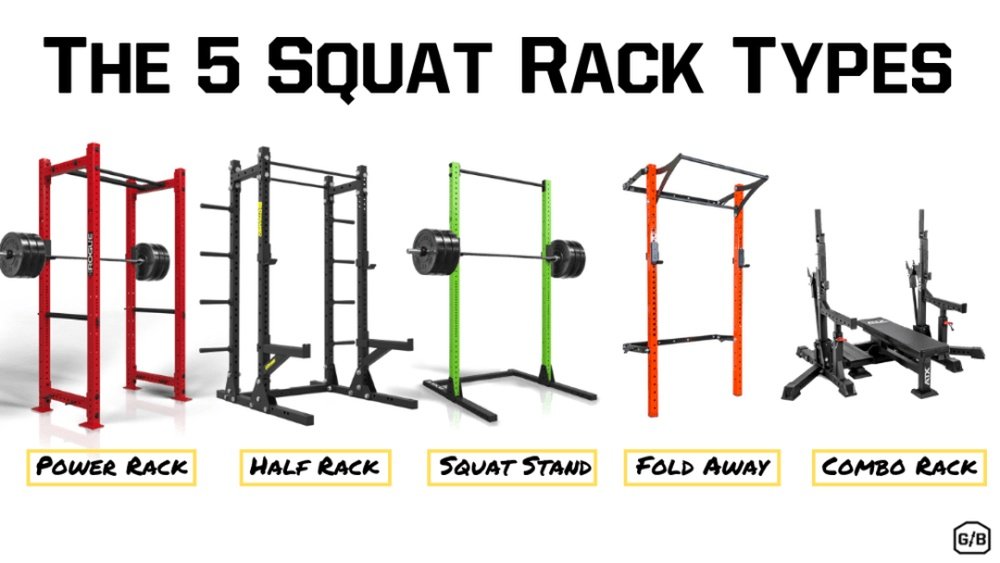
The main types of power racks include full power racks, half racks, and foldable racks. Each type varies in size, design, and functionality to suit different gym spaces and workout needs.
How Do Foldable Power Racks Save Space?
Foldable power racks are designed to be compact and can be folded against a wall. They are ideal for home gyms with limited space while still providing safety and versatility.
Which Power Rack Is Best For Home Gyms?
Half racks and foldable racks are often best for home gyms. They offer a balance of space-saving design and functionality, making them perfect for personal workout areas.
What Features Differentiate Power Racks With Pulley Systems?
Power racks with pulley systems include cable attachments for additional exercises. They allow for more versatility, enabling users to perform various upper and lower body workouts.
Conclusion
Choosing the right power rack depends on your workout needs and space. Full racks offer maximum safety and versatility. Half racks save space and suit smaller areas. Foldable racks are great for compact rooms. Consider features like pull-up bars or pulley systems.
Your ideal rack supports your fitness goals effectively. Investing time in research ensures satisfaction. Start building a stronger, safer home gym today.
I am a certified fitness coach with over 10 years of experience helping people improve their strength, endurance, and overall health. Specializes in workout programming, weight training, fat loss, muscle building, home fitness, and evidence-based nutrition.My goal is to make fitness simple and practical through well-researched guides, honest product reviews, and actionable training advice.