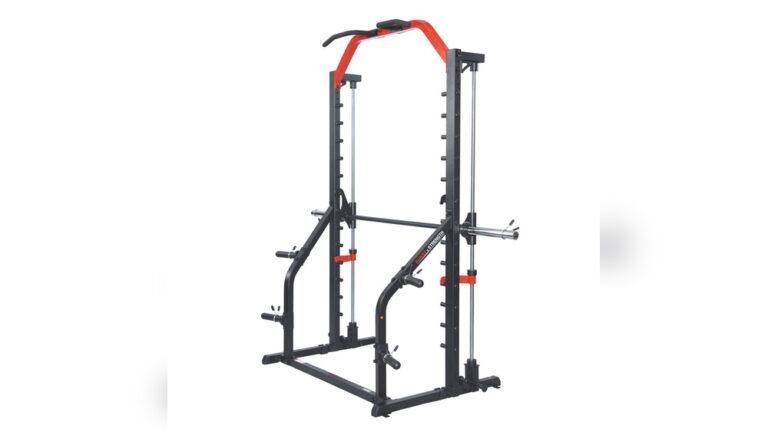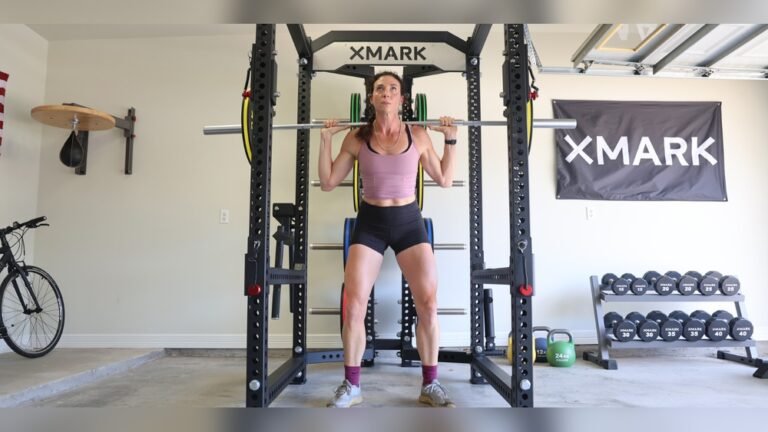
When it comes to using a power rack, your safety should always come first. Whether you’re squatting, bench pressing, or pulling, one small mistake can lead to serious injury.
But don’t worry—by following a few simple safety tips, you can protect yourself and get the most out of your workouts. You’ll learn easy-to-follow strategies to keep your power rack stable, secure, and ready for every session. Ready to lift with confidence?
Keep reading and discover how to make your power rack a safe and effective part of your fitness routine.
Choosing The Right Power Rack
Choosing the right power rack is essential for safe and effective workouts. A good rack supports your training and protects you from injuries. Consider key factors that affect safety and usability before buying. Focus on the material, size, and safety features to find the best fit for your needs.
Material And Build Quality
Select a power rack made from strong, durable materials. Steel is a common choice because it holds heavy weights well. Check the thickness of the steel; thicker frames are more stable. Welds and joints should be tight and smooth to avoid weak points. A solid build reduces wobbling and increases your safety during lifts.
Size And Weight Capacity
Match the rack size to your workout space and body size. The rack should fit comfortably in your room without blocking movement. Look for a weight capacity that exceeds your heaviest lifts. This margin keeps the rack safe under stress. A rack too small or weak can be dangerous during heavy exercises.
Safety Features To Look For
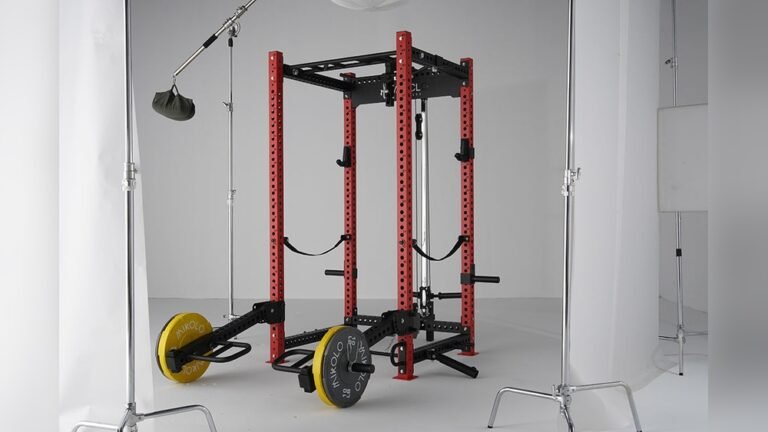
Choose a rack with adjustable safety bars or spotter arms. These catch the barbell if you fail a lift. Look for secure locking mechanisms that prevent accidental movement. Some racks have bolt-down options to keep the rack steady. Safety pins and hooks should be easy to adjust and strong enough to hold heavy loads.
Setting Up Your Power Rack
Setting up your power rack correctly is crucial for safe and effective workouts. A stable and secure rack prevents accidents and allows you to focus on your lifts. Small steps during setup improve your safety significantly. Below are key tips to ensure your power rack stays solid and safe during use.
Stable Floor Placement
Place your power rack on a flat, even surface. Uneven floors cause wobbling and increase risk of tipping. Avoid carpet or soft surfaces that can shift under weight. Concrete or hardwood floors work best. Check the floor for cracks or debris before setup. Stability starts from the ground up.
Anchoring And Weighting Down
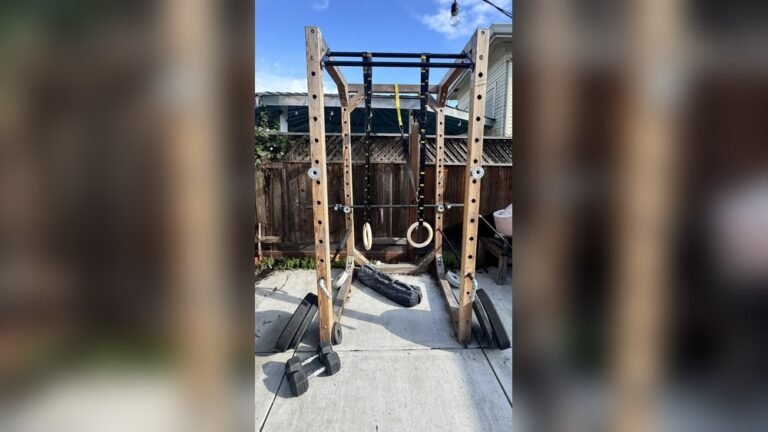
Secure your power rack by anchoring it to the floor if possible. Use bolts or brackets designed for your rack model. If anchoring is not an option, add heavy weight plates or sandbags to the base. This extra weight stops the rack from moving during lifts. Proper anchoring or weighting reduces accidents and rack movement.
Using Anti-slip Mats
Place anti-slip mats under your power rack to prevent sliding. Rubber gym mats provide grip and protect your floor. Mats also absorb some impact, reducing noise and wear on your equipment. Ensure mats cover the entire base area of the rack. This simple addition keeps your rack steady and your workout safe.
Essential Safety Equipment
Using a power rack safely requires more than just good technique. Essential safety equipment plays a key role in preventing injuries. This equipment protects your body and supports your workout. It also helps you handle heavy weights with confidence. Below, explore the main safety gear you need for a safer session.
Personal Protective Gear
Personal protective gear shields your body from potential harm. Weightlifting gloves improve grip and reduce calluses. Wrist wraps support your joints during heavy lifts. Knee sleeves protect your knees and keep them warm. A lifting belt stabilizes your lower back. Use these items to lower injury risk and enhance performance.
Proper Workout Attire
Wearing the right clothes boosts safety and comfort. Choose fitted clothing that won’t catch on the rack. Breathable fabrics keep you cool and dry. Closed-toe shoes with good traction prevent slips and foot injuries. Avoid loose or baggy clothes that may get stuck. Proper attire helps you move freely and safely.
Using Safety Bars And Spotter Arms
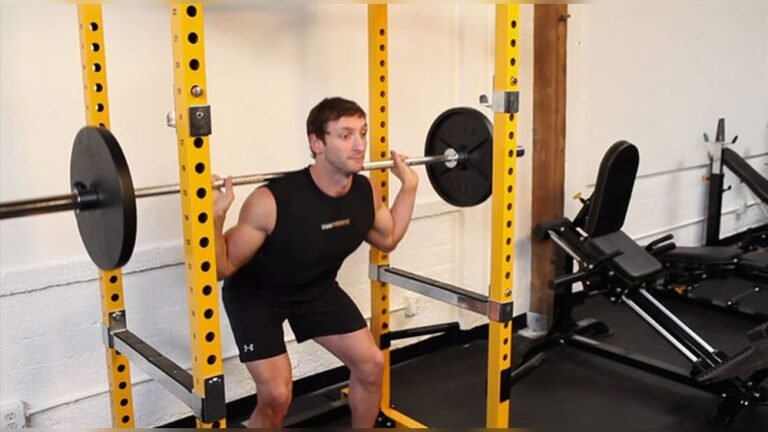
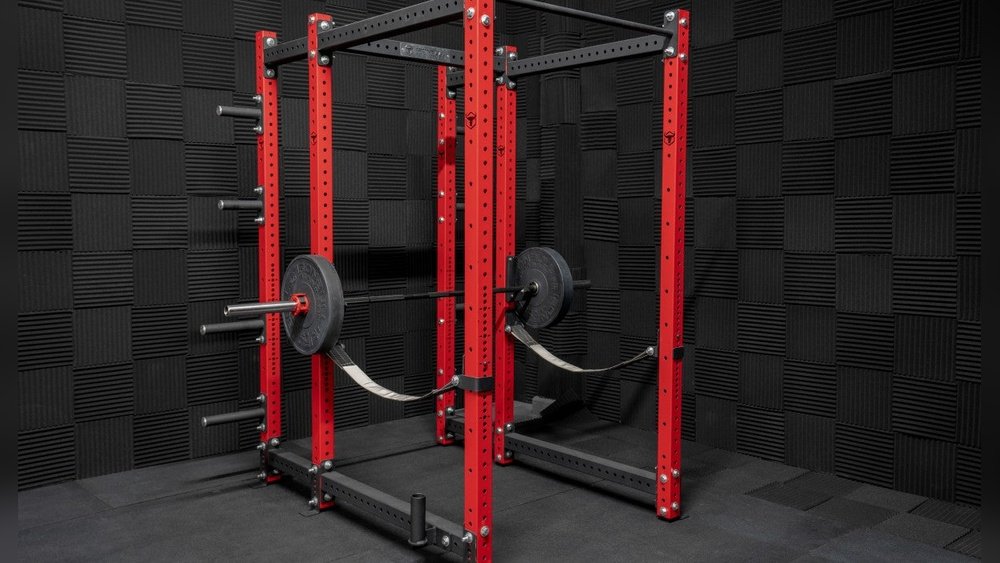
Safety bars and spotter arms catch the barbell if you fail a lift. Always set these bars at the right height before starting. They protect you from being pinned under heavy weights. Spotter arms allow solo training with confidence. Never skip using these safety features during squats or bench presses.
Credit: bookmyboat.ca
Inspecting Your Rack Regularly
Regular inspection of your power rack is essential for safe workouts. Small problems can turn into big dangers if ignored. Checking your rack often keeps it strong and reliable. It helps prevent accidents and injuries during lifting sessions.
Checking Bolts And Joints
Start by examining all bolts and joints on your power rack. Tighten any loose bolts to avoid wobbling. Loose parts reduce stability and increase risk. Use a wrench to make sure everything is secure. Check the joints for any unusual movement or gaps.
Inspecting Safety Mechanisms
Look closely at safety bars and pins. Make sure they slide smoothly and lock firmly. Safety catches must hold weight without slipping. Test them by applying light pressure before lifting. Replace any broken or bent safety parts immediately.
Identifying Wear And Tear
Look for signs of rust, cracks, or bends on the rack. Worn areas weaken the frame and can cause failure. Inspect the paint or coating for peeling, which can lead to rust. Check for worn spots on the bar holders and hooks. Replace parts showing damage to keep your rack safe.
Safe Workout Practices
Safe workout practices are essential when using a power rack. They help prevent injuries and improve your training results. Following simple rules keeps your sessions effective and secure. Focus on warming up, using correct form, and managing your weights wisely.
Proper Warm-up And Stretching
Start every workout with a warm-up. This raises your body temperature and prepares your muscles. Spend five to ten minutes doing light cardio or dynamic stretches. Stretch the muscles you plan to use during your workout. Warming up reduces the risk of strains and sprains.
Correct Form And Technique
Use proper form during every exercise. Poor technique increases the chance of injury. Keep your back straight and core engaged. Move slowly and with control. Avoid bouncing or jerking the weights. If unsure, ask for guidance or watch reliable tutorials.
Avoiding Overloading
Lift only weights you can handle safely. Overloading stresses your muscles and joints. Increase weight gradually as you grow stronger. Use safety bars and spotters to protect yourself. Never sacrifice form for heavier lifts. Safety always comes first in your training.

Credit: www.youtube.com
Using Spotters And Assistance
Using spotters and getting assistance during power rack workouts is vital for safety. Spotters help prevent injuries by supporting you in difficult lifts. They also boost confidence, letting you push your limits safely. Knowing when and how to use spotters makes workouts safer and more effective.
When To Use A Spotter
Use a spotter during heavy lifts like squats and bench presses. Spotters are essential if you lift near your maximum weight. They catch the bar if you fail to complete a lift. Always ask for help if you feel unsure or tired. Spotters reduce the risk of accidents and injuries.
Communication During Lifts
Clear communication with your spotter is crucial before every lift. Tell them how many reps you plan to do and when you need help. Use simple signals or words to request assistance. Make sure both you and your spotter understand each other. Good communication prevents confusion and keeps you safe.
Alternatives To Spotters
Sometimes, a spotter may not be available. Use safety bars or pins on the power rack as a backup. These catch the bar if you fail a lift. Machines with built-in safety features can also help. Start with lighter weights and increase gradually to stay safe alone. Proper setup and caution reduce the need for spotters.
Maintaining Clean And Clear Space
Maintaining a clean and clear space around your power rack is vital for safety. A tidy workout area reduces the risk of accidents. It also helps you focus on lifting without distractions. Clear space allows smooth movement and easy access to the rack. Follow these simple steps to keep your workout zone safe and organized.
Removing Clutter Around The Rack
Keep the floor near the power rack free of clutter. Store items like shoes, towels, and bottles away from the workout area. Avoid leaving loose equipment on the ground. Clutter can cause tripping or slipping during exercises. A clear space helps you move safely and confidently.
Keeping The Area Dry And Non-slip
Moisture creates slippery surfaces that increase injury risk. Wipe sweat or water spills immediately. Use rubber mats or gym flooring to improve grip. Choose mats that stay firmly in place. Dry, non-slip floors prevent falls and provide stable footing for heavy lifts.
Organizing Weights And Accessories
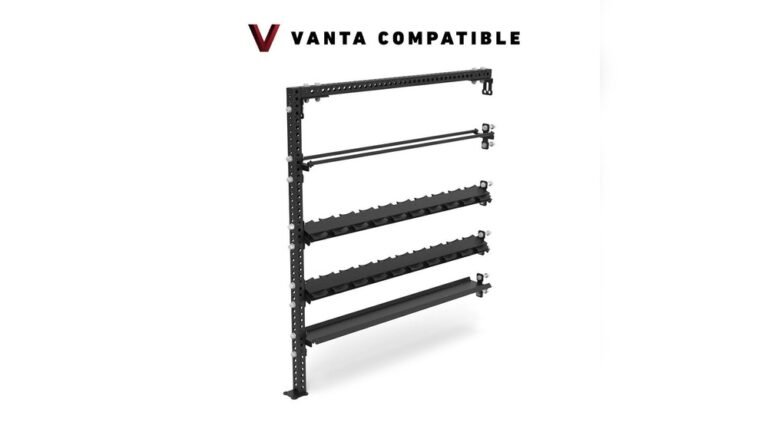
Store weights and accessories in designated racks or shelves. Keep smaller items like collars and bands in containers. Organizing gear prevents it from scattering on the floor. It also makes your workout faster and safer. Well-arranged equipment reduces clutter and hazards around the power rack.
Emergency Preparedness
Emergency preparedness is key to safe workouts with a power rack. Knowing how to react quickly can prevent injuries and save time. It means being ready for unexpected problems during your lifting sessions. This section covers essential tips to keep you safe and confident.
Knowing How To Safely Bail Out
Learn how to drop the bar safely if you cannot complete a lift. Practice controlled bail techniques with lighter weights first. Avoid sudden, uncontrolled drops to protect yourself and the equipment. Use safety pins or spotter arms properly to catch the bar. Always stay calm and focused during a bailout.
First Aid Readiness
Keep a first aid kit nearby and stocked with basics like bandages and antiseptic. Know simple first aid steps for common gym injuries. Learn how to treat cuts, bruises, and muscle strains. Having emergency contact numbers visible helps in urgent cases. Train yourself or workout partners in basic CPR and injury care.
Handling Equipment Failures
Inspect your power rack regularly for loose bolts or worn parts. Stop your workout if you notice any damage or instability. Report equipment issues immediately to avoid accidents. Understand how to safely lower weights if a rack component fails. Replace or repair faulty parts before using the rack again.
Routine Maintenance Tips
Routine maintenance keeps your power rack safe and reliable. Regular checks prevent accidents and extend the rack’s life.
Small efforts every week make a big difference in safety. Focus on key areas that need attention for smooth operation.
Lubricating Moving Parts
Apply lubricant to hinges, pins, and pulleys often. This reduces friction and prevents wear. Use a light machine oil or silicone spray. Avoid over-lubricating to keep the area clean. Smooth parts work better and stay safe during workouts.
Tightening Hardware
Check bolts, nuts, and screws regularly. Use the right tools to tighten loose hardware firmly. Loose parts can cause instability and injuries. Tight connections keep the rack steady under heavy loads. Make it a habit to inspect hardware before each session.
Replacing Damaged Components
Inspect the rack for cracked welds, bent bars, or worn padding. Replace broken parts immediately to avoid accidents. Use manufacturer-approved components for best fit and safety. Do not ignore damage; it can worsen and cause failure. Keeping parts in good shape protects you during lifts.

Credit: bona-store.com
Frequently Asked Questions
How To Make A Power Rack More Stable?
Anchor the rack base with heavy weight plates or sandbags. Place anti-slip mats underneath to prevent movement. Tighten all bolts and ensure the rack rests on a flat, even surface. Regularly inspect for loose parts to maintain stability during workouts.
What Are The Safety Tips For Power Tools?
Wear safety gear like goggles and ear protection. Inspect tools before use for damage. Keep your workspace clean and stable. Use clamps to secure materials. Handle tools firmly and maintain good footing. Turn off and unplug tools before adjustments. Store tools dry and perform regular maintenance.
Stay alert and avoid distractions.
What Should I Put Under My Power Rack?
Place rubber gym mats or anti-slip flooring under your power rack to protect floors and prevent slipping. Use weight plates or sandbags to stabilize the base and reduce movement during workouts.
What Are The Safeties On A Squat Rack?
Squat rack safeties include adjustable safety bars to catch the barbell if you fail a lift. J-hooks securely hold the barbell in place. Some racks have spotter arms for extra protection. Use safety pins or straps to prevent the bar from dropping too low.
Conclusion
Staying safe with your power rack is key for effective workouts. Always check your rack before each use. Keep safety bars and hooks properly set. Use collars on weights to stop slipping. Ensure your rack is stable and on a firm surface.
Wear proper footwear and focus on your form. Avoid distractions while lifting heavy weights. These simple steps help prevent injuries and build confidence. Train smart, stay alert, and enjoy your fitness journey safely.
I am a certified fitness coach with over 10 years of experience helping people improve their strength, endurance, and overall health. Specializes in workout programming, weight training, fat loss, muscle building, home fitness, and evidence-based nutrition.My goal is to make fitness simple and practical through well-researched guides, honest product reviews, and actionable training advice.