When you step up to the squat rack, your safety should always come first. Whether you’re a beginner or an experienced lifter, knowing how to use the squat rack properly can prevent injuries and boost your confidence in every lift.
Imagine pushing your limits with peace of mind, knowing the equipment is set up just right to protect you if things don’t go as planned. You’ll discover simple yet crucial safety tips that will help you adjust your squat rack perfectly, maintain proper form, and avoid common mistakes that could hold you back.
Ready to lift smarter and safer? Let’s dive into everything you need to keep yourself secure every time you squat.
Preparing The Squat Rack
Preparing the squat rack is a crucial step before lifting weights. Proper setup prevents injuries and helps you focus on your exercise. Take time to adjust the rack to your body and workout needs. Follow simple steps to ensure safety and efficiency.
Checking Equipment Condition
Look over the squat rack carefully. Check for any cracks, rust, or loose bolts. Make sure the frame is stable and does not wobble. Inspect the barbell for straightness and smooth rotation of the sleeves. Confirm that weight plates are free of damage and fit securely.
Adjusting Hooks And Safety Bars
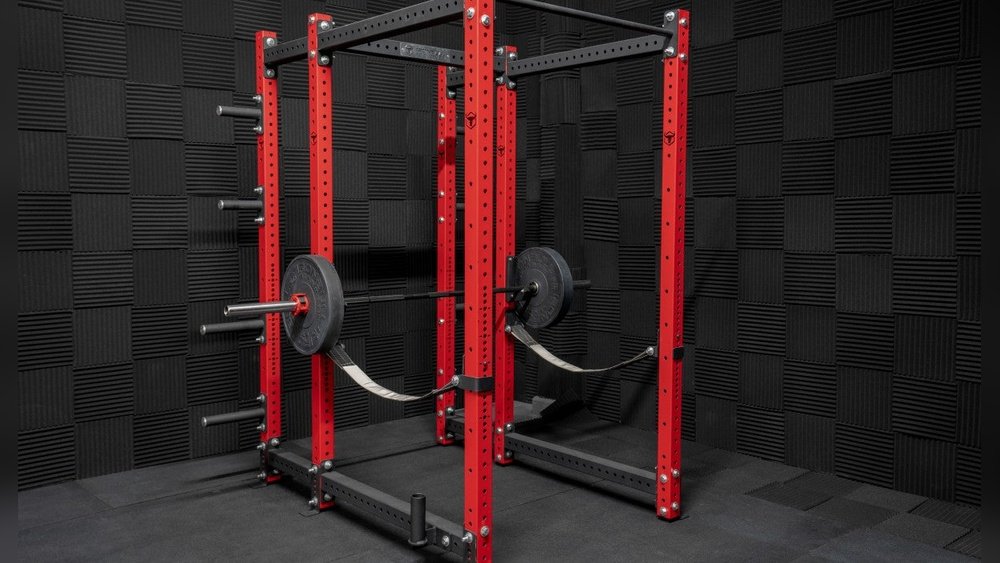
Set the hooks at a height where you can lift off comfortably. The hooks should be even on both sides to balance the barbell. Adjust the safety bars just below your lowest squat point. This position catches the barbell if you cannot complete a lift. Make sure both safety bars are at the same level.
Setting Safety Pins Correctly
Pull out the safety pins before moving the bars. Slide the bars to the chosen height using the rack’s numbers as a guide. Insert the long pin first for better stability. Twist or lock the pins so they do not move during your workout. Double-check all pins before starting your squat sets.

Credit: gymgear.com
Proper Squat Rack Setup
Setting up a squat rack correctly is key to lifting safely. A proper setup helps prevent injuries and allows you to focus on your form and strength. Adjust the rack to your body and workout style before loading weights.
Check every part of the rack to ensure it is secure and stable. Take time to position the safety bars and pins right. This creates a safe environment for your squats and builds confidence in your lifts.
Finding Your Squat Depth
Squat depth varies by person and goals. Find the depth where your thighs are parallel or lower to the floor. Mark this spot mentally or with a tape on the rack. Adjust the safety bars just below this point. This ensures the bars catch the weight if you cannot complete the squat.
Aligning Safety Bars Evenly
Safety bars must be at the same height on both sides. Use the rack’s numbers or markings to match them perfectly. Uneven bars create imbalance and risk injury. Stand back and check from different angles to confirm alignment. Even bars provide a reliable safety net during your lifts.
Securing Safety Pins Firmly
Safety pins lock the bars in place. Pull out the pin, slide the bar to the right height, and push the pin back in firmly. Twist the pin if your rack design requires it. Never skip this step. Loose pins can cause bars to slip or fall unexpectedly. A solid lock keeps the rack stable and your workout safe.
Key Safety Practices
Using a squat rack safely requires attention to key practices. These help prevent injuries and improve your workout. Proper setup and cautious lifting build confidence and strength. Focus on safety bars, avoid certain aids, and start light. These steps protect your body and keep your lifts controlled.
Using The Safety Bars Effectively
Set the safety bars just below your lowest squat position. This catches the bar if you cannot complete a lift. Make sure both bars are at the same height. Insert the pins fully and lock them in place. Proper use of safety bars reduces risk of injury. Always check the bars before lifting to ensure stability.
Avoiding Wrist Straps
Wrist straps can limit your grip strength development. Relying on straps may reduce control over the barbell. Use your hands to hold the bar firmly without assistance. Strong grips improve overall lifting safety and performance. Avoid straps to build natural strength and prevent accidents.
Starting With Light Weights
Begin your squat routine with lighter weights. This allows your body to adjust and learn proper form. Gradually increase the weight as you gain strength and confidence. Lifting too heavy too soon risks muscle strain and injury. Light weights help you focus on technique and control first.
Lifting Techniques
Proper lifting techniques are essential for safety and effectiveness when using a squat rack. Good technique reduces injury risk and helps build strength efficiently. Focus on form, breathing, and support to get the most from your workout.
Maintaining Proper Form
Keep your back straight and chest up throughout the squat. Your feet should be shoulder-width apart with toes slightly pointed out. Squat down by bending your hips and knees, not your back. Lower yourself until your thighs are parallel to the floor. Avoid letting your knees collapse inward. Push through your heels to stand back up. Proper form protects your joints and muscles from strain.
Breathing And Bracing
Inhale deeply before you lower into the squat. Brace your core by tightening your abdominal muscles as if preparing for a punch. Hold your breath during the descent and the initial push upward. Exhale slowly once you pass the hardest part of the lift. Proper breathing increases stability and supports your spine during the movement.
Using A Spotter When Needed
A spotter provides safety and confidence during heavy lifts. They stand behind you, ready to assist if you struggle or lose balance. Communicate your lifting plan clearly before starting. A spotter helps prevent accidents and allows you to lift heavier weights safely. Never hesitate to ask for help when lifting near your maximum capacity.
Preventing Common Injuries
Preventing injuries while using the squat rack is key for safe workouts. Most injuries happen due to poor preparation or ignoring body signals. Simple steps can lower risks and keep lifting safe and effective.
Focus on warming up, recognizing fatigue, and avoiding too much weight. These habits protect your muscles and joints from harm. Let’s explore each of these safety tips in detail.
Warm-up And Mobility Exercises
Start with light cardio to increase blood flow. Move your joints gently to improve flexibility. Perform dynamic stretches for hips, knees, and ankles. This prepares your body for the squat movement. Warm muscles reduce the chance of strains and tears.
Include bodyweight squats before lifting heavy weights. This activates muscles and improves form. Warming up also helps your nervous system work better. Proper warm-up is the first step to injury prevention.
Recognizing Fatigue Signs
Pay attention to your body’s signals during exercise. Muscle shaking, loss of control, and unusual pain are warning signs. Stop or lower the weight if you feel dizzy or weak. Fatigue increases the risk of dropping the bar or bad form.
Rest between sets to recover strength. Avoid pushing through extreme tiredness. Listening to your body helps you avoid injuries and stay consistent over time.
Avoiding Overloading The Bar
Use weights that match your current strength. Gradually increase the load over weeks or months. Heavy weights with poor form cause strains and joint issues. Overloading stresses muscles and ligaments too much.
Test your limits carefully and never sacrifice technique for heavier weights. Use safety bars and spotters for extra protection. Smart loading helps build strength safely and prevents accidents.

Credit: extremetrainingequipment.com
Routine Rack Maintenance
Routine rack maintenance ensures your squat rack stays safe and reliable. Regular checks prevent accidents and extend equipment life. Simple upkeep keeps your workouts smooth and worry-free.
Inspecting For Wear And Damage
Look closely at all parts of the squat rack for signs of wear. Check welds, bolts, and joints for cracks or looseness. Replace any damaged parts immediately to avoid injury.
Cleaning And Lubricating Parts
Keep your squat rack clean from dust and sweat. Wipe down surfaces after each use with a mild cleaner. Apply lubricant to moving parts like pulleys or adjustment pins to ensure smooth operation.
Reporting Faulty Equipment
Report any broken or unsafe equipment to gym staff right away. Using faulty racks increases risk of accidents. Prompt reporting helps maintain a safe workout environment for everyone.
Credit: blog.o2fitnessclubs.com
Frequently Asked Questions
What Are Two Safety Precautions That Should Be Taken When Using The Squat Rack?
Adjust safety bars just below your squat depth to catch the barbell if you fail. Always use proper form and a spotter for added safety.
What Are The Safeties On A Squat Rack?
Squat rack safeties are adjustable safety pins or bars that catch the barbell if you fail a lift. They prevent injury by blocking the bar from falling on you during squats or bench presses. Set them just below your lowest squat depth for effective protection.
How To Put Safety On A Squat Rack?
To set safety bars on a squat rack, remove the barbell first. Find your lowest squat depth. Rotate and pull out the safety bar pin. Slide bars to just below your squat depth, align both sides using rack numbers. Insert long pin first, lock securely, and verify both sides match.
What Are The Safety Precautions For Squats?
Maintain proper form by keeping your back straight and knees aligned. Warm up before squatting and start with light weights. Adjust safety bars just below your squat depth. Use a spotter for heavy lifts. Check equipment stability before use.
Conclusion
Staying safe around the squat rack protects your body and workout. Always adjust safety bars to your squat depth. Check equipment before lifting to avoid accidents. Start with light weights and focus on form. Use a spotter when lifting heavy loads for extra security.
Never ignore warm-ups; they prepare your muscles well. Remember, safety helps you train longer and stronger. Keep these tips in mind every time you squat. Safety first, progress follows.
I am a certified fitness coach with over 10 years of experience helping people improve their strength, endurance, and overall health. Specializes in workout programming, weight training, fat loss, muscle building, home fitness, and evidence-based nutrition.My goal is to make fitness simple and practical through well-researched guides, honest product reviews, and actionable training advice.


