Choosing the right squat rack size can make all the difference in your workout experience. If you’re setting up a home gym or upgrading your current equipment, you want a squat rack that fits your space, supports your lifting goals, and keeps you safe.
But how do you know what size squat rack is best for you? This guide will walk you through everything you need to consider—from dimensions and ceiling height to your lifting style and available room. By the end, you’ll feel confident in picking the perfect squat rack that matches your needs and helps you lift stronger, smarter, and safer.
Keep reading to find out exactly what size squat rack you need for your home gym setup.

Credit: www.ritfitsports.com
Squat Rack Types
Choosing the right squat rack depends on the type that fits your space and workout needs. Squat racks come in different styles. Each type offers unique benefits and features. Understanding these types helps you pick the best one for your home gym or training facility.
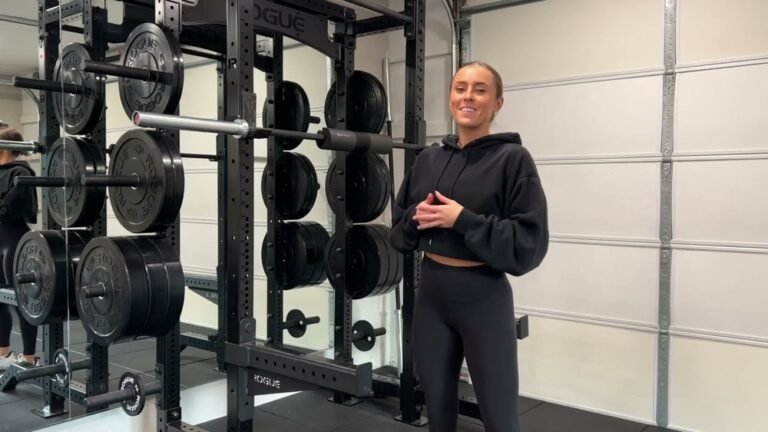
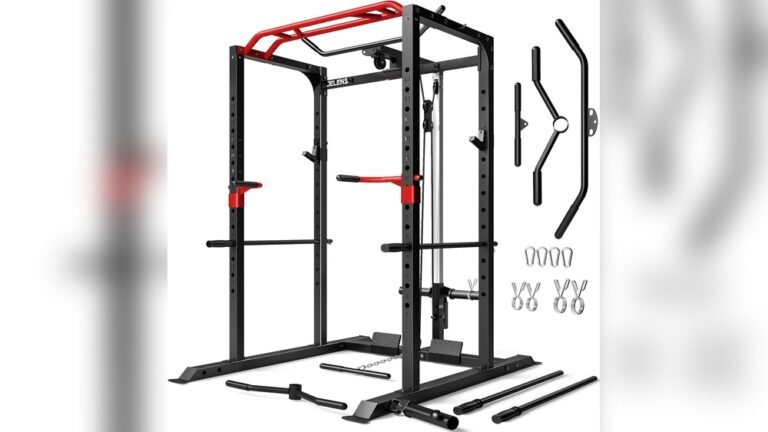
Power Racks
Power racks are the most versatile and sturdy option. They have four upright posts with adjustable safety bars. These racks allow heavy lifts with better safety. You can perform squats, bench presses, and pull-ups. Power racks need more space but offer great stability.
Half Racks
Half racks are smaller and take up less room. They have two upright posts instead of four. These racks are easier to move and fit in tight spaces. Half racks still provide safety bars for lifting. They are ideal for moderate weight training and smaller gyms.
Smith Machines
Smith machines have a barbell fixed within steel rails. The bar moves only up and down, offering guided motion. This design helps beginners keep balance during squats. Smith machines reduce the risk of injury by controlling the bar path. They are less flexible but good for focused workouts.
Wall-mounted Racks
Wall-mounted racks attach directly to the wall, saving floor space. These racks are compact and perfect for small areas. They usually include adjustable hooks and safety catches. Wall racks support basic squat and press exercises. Installation requires a strong wall and proper tools.

Credit: glucksgym.com
Key Size Measurements
Choosing the right squat rack depends on several key size measurements. These dimensions affect safety, comfort, and workout efficiency. Understanding height, width, depth, hole spacing, and barbell clearance helps pick the best rack for your space and needs.
Height Considerations
Height is vital for squat racks. It must suit your body and ceiling height. Taller racks allow full range of motion for overhead lifts. Check if the rack fits your gym room. Adjustable height racks offer more flexibility.
Width And Depth
Width affects how stable the rack feels during lifts. Wider racks provide better balance and safety. Depth impacts how much space the rack occupies. It should fit your workout area without crowding. Consider storage space for plates and accessories.
Hole Spacing And Adjustability
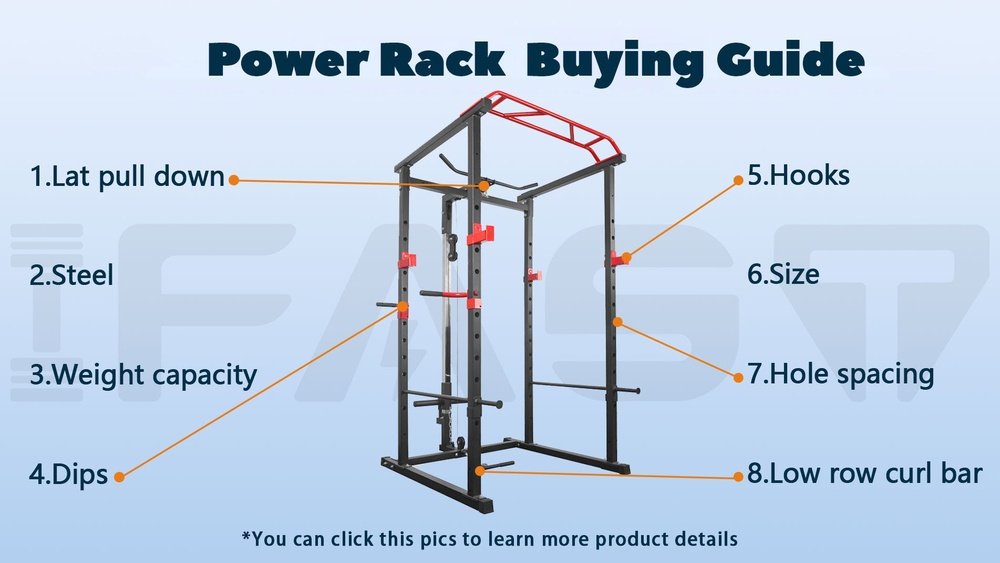
Hole spacing on uprights controls barbell placement. Closer holes allow precise height adjustments. This helps match your lifting style and exercise type. Adjustable safety bars and J-hooks increase rack versatility. Look for racks with standard hole spacing for easier upgrades.
Barbell Clearance
Barbell clearance is the space between uprights. It must fit standard barbells comfortably. Too narrow clearance limits movement and safety. Ensure enough room for collars and grip width. Proper clearance prevents damage and improves workout flow.
Space Requirements
Choosing the right squat rack size means understanding the space you need. Space requirements affect safety and workout comfort. Plan your area carefully to fit the rack and allow movement around it.
Consider the full footprint of the rack, plus extra room for lifting and adjustments. Think about your home gym layout before buying. Proper space helps you train better and avoid accidents.
Home Gym Dimensions
Measure the floor space where you want to place your squat rack. Most racks need at least 4 feet wide and 6 feet deep. Leave room around the rack for barbell loading and spotter access. A larger space makes it easier to add other equipment later.
Ceiling Height Needs
Check the height of your gym ceiling before buying a rack. Squat racks usually stand about 7 feet tall. Add space for overhead lifts like pull-ups or presses. A ceiling height of 8 feet or more works best to avoid hitting your head.
Floor Protection
Protect your floor from heavy weights and equipment. Use rubber mats or gym flooring under the squat rack. This prevents damage and reduces noise during workouts. Floor protection also improves stability for safer lifting.
Choosing By Training Level
Choosing a squat rack depends on your training level. Different levels require different rack sizes and features. Matching the rack to your experience helps improve safety and progress.
Each training stage has unique needs. The right squat rack supports your growth and workout style.
Beginner Needs
Beginners need a squat rack that is stable and easy to use. A compact size works well in small spaces. Safety bars are essential for spotting without a partner. Adjustable height settings help as your form improves. A rack that holds standard weight plates suits most new lifters. Focus on racks with simple, clear instructions.
Intermediate Lifters
Intermediate lifters lift heavier weights and need sturdier racks. Look for racks with higher weight capacities. More space for larger plates and attachments is helpful. Pull-up bars and dip stations add training variety. Racks with multiple adjustment points allow for different exercises. A wider footprint increases stability during intense sessions.
Advanced Athletes
Advanced athletes require heavy-duty racks built for intense training. High weight limits and reinforced frames prevent wobbling. Extra features like band pegs and safety catches support advanced lifts. Large storage space keeps plates organized and accessible. Modular designs let you customize your setup. Ensure the rack fits your training space comfortably.
Matching Goals To Rack Size
Choosing the right squat rack size depends on your fitness goals. Different goals need different rack features and sizes. Picking a rack that fits your plan helps you train safely and effectively. This section explains how to match your goals to the right squat rack size.
Strength Training
Strength training requires heavy weights and solid support. A larger, sturdy rack with high weight capacity suits this goal. It allows room for heavy barbells and safety bars. Choose racks with adjustable heights for different lifts. Space for adding extra equipment is helpful too.
Hypertrophy Focus
Muscle growth needs moderate weights and multiple exercises. A medium-sized rack works best here. It should support various attachments like pull-up bars and dip stations. This rack size offers enough space for accessory work. It helps you train different muscle groups effectively.
General Fitness
General fitness aims for overall health and basic strength. A compact rack fits well in small spaces. It supports basic lifts like squats and presses. Look for racks that are easy to move and store. This size is great for beginners or home gyms with limited room.
Important Features To Check
Choosing the right squat rack means checking key features carefully. These features affect safety, usability, and workout quality. Understanding these points helps find the best fit for your needs. Here are the important features to check before buying a squat rack.
Weight Capacity
Weight capacity shows how much load the rack can hold safely. Choose a rack that supports more than your maximum lifting weight. Consider future strength gains and heavier barbell sets. A higher weight capacity means better durability and safety during lifts.
Safety Spotter Arms
Spotter arms protect you if a lift fails. They catch the barbell and prevent injuries. Check if the arms are adjustable and sturdy. Strong spotter arms add confidence and allow safer heavy lifting. They are essential for solo training sessions.
Attachment Compatibility
Attachments increase rack functionality and training variety. Look for racks that support pull-up bars, dip stations, or weight storage. Compatibility ensures you can customize your setup over time. This flexibility helps create a complete home gym.
Build Quality And Materials
Strong materials provide stability and long-lasting performance. Steel frames with a thick gauge offer better support. Inspect welds and paint finish for durability and rust resistance. A well-built rack stays steady during intense workouts and lasts for years.
Adjusting For Form And Technique
Adjusting your squat rack for proper form and technique is key to safe and effective workouts. Small changes in rack height, bar positioning, and squat depth can greatly improve your lifting experience. Proper setup helps maintain balance and reduces injury risk. It also allows you to focus on correct muscle engagement.
Rack Height Settings
Set the rack height so the bar rests at shoulder level. This makes unracking and re-racking smooth and safe. The bar should sit low enough to allow a natural lift-off but high enough to avoid excessive bending. Adjust the pins or hooks until you find a comfortable height. Different exercises may need different settings.
Bar Positioning
Place the bar evenly across your shoulders. Center it to keep your weight balanced. Use the squat rack’s adjustable hooks to hold the bar steady. The bar should rest on your traps or rear delts, depending on squat style. Proper bar placement improves control and reduces strain on your wrists and elbows.
Customizing For Squat Depth
Squat depth affects which muscles engage most during the lift. Adjust safety bars or spotter arms to your preferred squat depth. This allows you to train safely at full range of motion. Beginners may start with a higher depth and lower it gradually. Use mirrors or video to check your form regularly.
Budget And Price Ranges
Choosing the right squat rack depends heavily on your budget. Squat racks come in various price ranges to suit different needs. Knowing what each price level offers helps you make a smart purchase. This guide breaks down the options into three main categories.
Entry-level Options
Entry-level squat racks are ideal for beginners and casual users. These racks are usually compact and simple in design. They cost less but still provide basic safety features. Expect a price range from $150 to $400. They work well for light to moderate lifting. Materials are often lighter, so check weight limits carefully.
Mid-range Choices
Mid-range squat racks offer better stability and more features. They suit intermediate lifters who want durability and flexibility. Prices typically range from $400 to $900. These racks include adjustable safety bars and pull-up stations. They use thicker steel for strength and last longer. This range balances quality and cost effectively.
Premium Models
Premium squat racks target serious lifters and gyms. They come with heavy-duty construction and advanced features. Prices start around $900 and can exceed $2000. These models offer high weight capacity and versatile attachments. They often include spotter arms, band pegs, and dip bars. Premium racks provide maximum safety and customization.
Popular Brands And Models
Choosing the right squat rack starts with knowing popular brands and models. These options offer various sizes, features, and durability. Understanding top choices helps you pick a rack that fits your space and workout needs.
Top-rated Squat Racks
Rogue Fitness stands out with its strong, versatile racks. Their R-3 and RML-390C models are favorites for home gyms. Titan Fitness offers budget-friendly racks with solid build quality. Rep Fitness racks also get praise for durability and safety features.
Customer Favorites
Many users prefer racks with adjustable heights and sturdy frames. The Fringe Sport Monster Rack is loved for its heavy-duty design. Fitness Reality racks attract beginners for their simple setup and affordability. Customers value easy assembly and reliable weight capacity.
Local Availability In Austin, Texas
Austin residents can find popular squat racks at local fitness stores. Stores like Dick’s Sporting Goods and Academy Sports carry major brands. Some specialty shops offer custom racks and delivery services. Checking local stock saves shipping time and costs.
Setup And Installation Tips
Setting up your squat rack properly is key to safe and efficient workouts. Follow simple steps to ensure your rack is stable and ready. This section covers assembly, anchoring, and maintenance tips for your squat rack.
Assembly Requirements
Start by unpacking all parts carefully. Check the instruction manual for all components. Use the right tools like wrenches and screwdrivers. Tighten bolts and screws firmly but avoid over-tightening. Assemble the rack on a flat surface to keep it level. Allow enough space around the rack for easy movement and adjustments.
Anchoring And Stability
Secure your squat rack to the floor if possible. Use anchor bolts designed for concrete or wood floors. This prevents the rack from tipping during heavy lifts. If anchoring is not an option, place heavy mats under the rack legs. Check the rack’s feet for rubber pads to avoid slipping. Regularly test the stability by gently shaking the rack.
Maintenance Advice
Clean the squat rack after each use to avoid rust buildup. Wipe down metal parts with a dry cloth. Lubricate moving parts like pulleys or adjustable pins monthly. Inspect bolts and joints regularly for looseness. Tighten any loose parts immediately. Store accessories like safety bars and hooks properly to prevent damage.

Credit: lepaystchad.com
Frequently Asked Questions
What Size Squat Rack Do I Need?
Choose a squat rack based on your height, lifting goals, available space, and barbell length. Standard racks are 7 feet tall and 4 feet wide. Ensure enough room for safe movement and attachments. Adjust size for Olympic bars or extra features.
How Much Should A 170 Lb Man Squat?
A 170 lb man should aim to squat between 135 to 225 lbs, depending on experience and fitness goals.
Are All Smith Machines 25 Lbs?
Not all Smith machines weigh 25 lbs. Bar weight varies by brand and model, typically ranging from 15 to 30 lbs. Always check the specific machine’s specifications to know its exact weight.
Is A 300lb Squat Impressive?
A 300lb squat is impressive for beginners and intermediate lifters. It shows solid strength and good progress. Advanced lifters may see it as a milestone. Bodyweight and training experience affect how impressive it appears. Consistent practice and proper form matter most for improvement.
Conclusion
Choosing the right squat rack size matters for safety and comfort. Measure your space before buying to avoid tight fits. Consider your height and lifting goals for the best fit. A well-sized squat rack supports proper form and progress. Take your time to find one that matches your needs.
This ensures a better workout experience every time. Keep these tips in mind for smart equipment choices. Your strength journey starts with the right setup.
I am a certified fitness coach with over 10 years of experience helping people improve their strength, endurance, and overall health. Specializes in workout programming, weight training, fat loss, muscle building, home fitness, and evidence-based nutrition.My goal is to make fitness simple and practical through well-researched guides, honest product reviews, and actionable training advice.