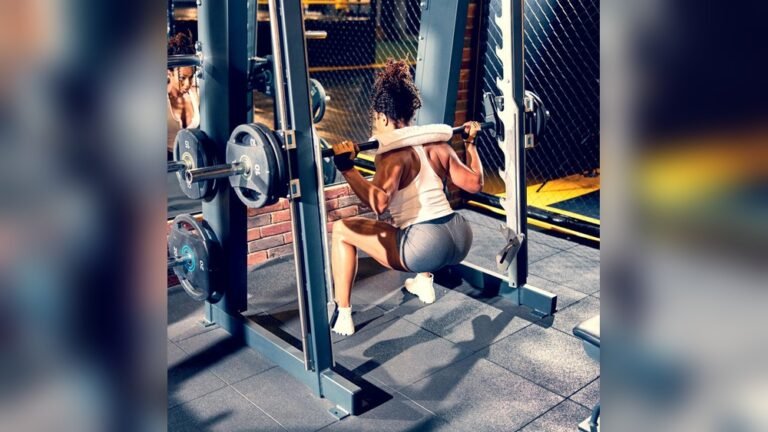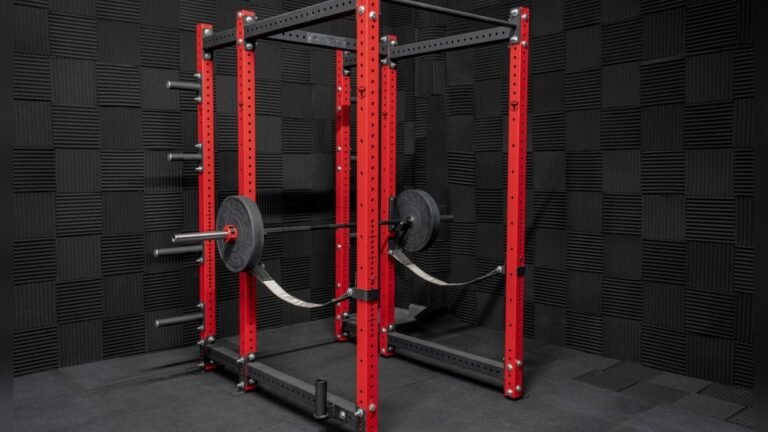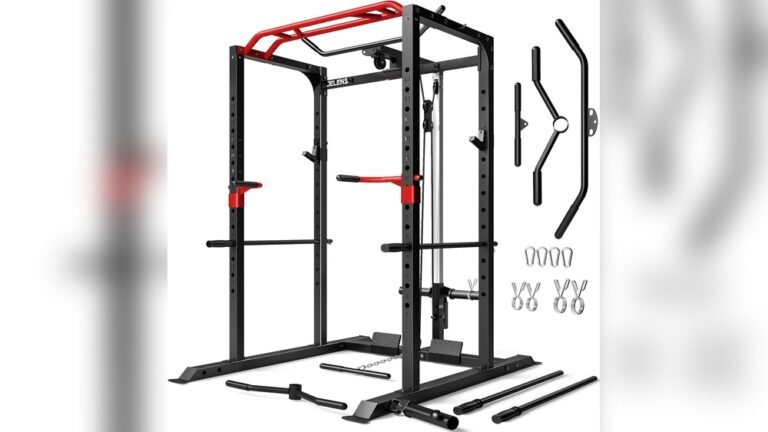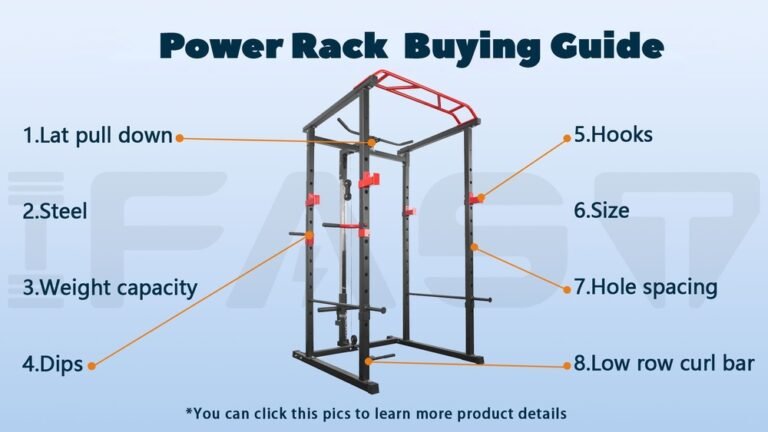
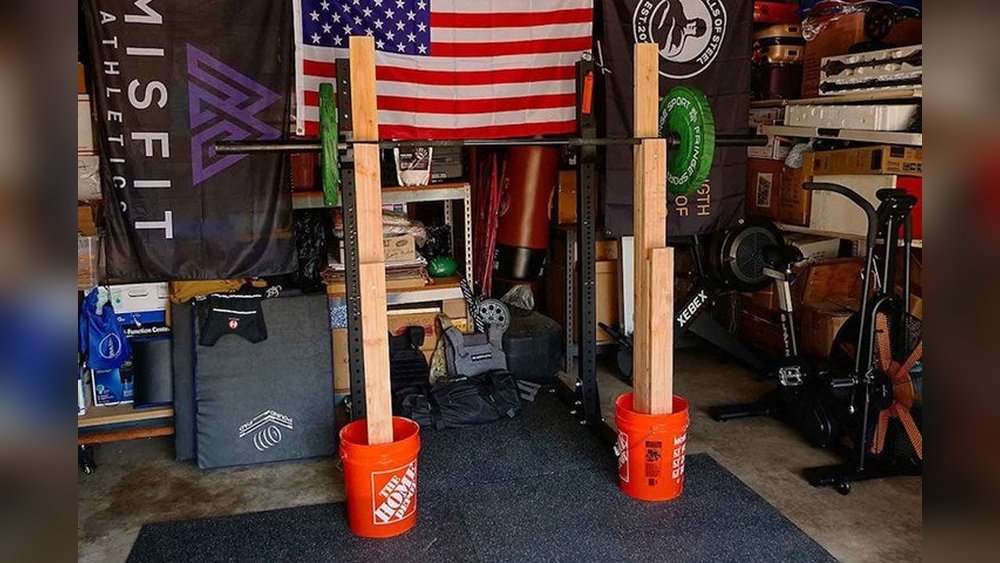
If you’re serious about building strength and muscle at home, a squat rack is a game-changer. But what if you don’t have the space or budget for a fancy setup?
Don’t worry—you can create your own squat rack with simple DIY hacks that save money and fit your space perfectly. Imagine having a sturdy, reliable rack that supports your workouts and helps you push your limits safely. You’ll discover easy, clever ideas to build or improve your squat rack using materials you might already have.
Ready to take your home gym to the next level? Let’s dive into the best DIY hacks that make squatting safer, smarter, and more affordable for you.
Diy Squat Rack Basics
Building a DIY squat rack starts with understanding the basics. A good squat rack supports heavy weights safely and fits your space well. It must be sturdy, reliable, and designed to match your workout needs. Planning carefully saves time and effort.
Many people want a squat rack that fits into small rooms or garages. Smart design choices help use space wisely. Safety should never be overlooked during the build process. Below are key points to guide your DIY squat rack project.
Materials And Tools Needed
Strong wood or metal is best for making a squat rack. Common wood types include pine or oak. For metal, steel pipes or square tubes work well. You will also need screws, bolts, and brackets to join parts securely.
Basic tools include a drill, saw, measuring tape, and wrench. A level and square help keep everything straight. Sandpaper or a grinder smooth sharp edges. Paint or sealant protects the rack from wear.
Design Options For Small Spaces
Compact racks save floor space and fit tight areas. Wall-mounted racks fold up when not in use. Corner racks use unused corners efficiently. Adjustable racks let you change heights for different exercises.
Simple designs without extra attachments keep the rack small. Using vertical bars instead of wide frames reduces footprint. Planning your space layout helps avoid clutter and allows safe movement.
Safety Considerations
Safety is the top priority in any squat rack build. Use strong materials that hold weight without bending. Test the rack with light loads before heavy lifting. Secure the rack to the floor or wall to prevent tipping.
Include safety catches or spotter arms to catch the barbell if dropped. Avoid sharp edges or rough surfaces that can cause injuries. Check all bolts and screws regularly for tightness. Proper lighting and clear space around the rack reduce accidents.

Credit: shop.lifefitness.com
Creative Rack Modifications
Creative rack modifications help improve your squat rack’s function and safety. These simple hacks make workouts smoother and more enjoyable. You can add features without buying expensive parts. These ideas are easy and cost-effective for home gym users. They enhance your rack’s usability and protect your equipment. Let’s explore some clever ways to upgrade your squat rack.
Magnet Tape Hacks
Magnet tape sticks to metal surfaces on your rack. Use it to hold small metal items like collars or clips. This keeps your accessories organized and easy to reach. Strong magnetic strips prevent items from falling during workouts. Applying magnet tape is quick and requires no tools. This hack saves time and keeps your workout space tidy.
Band Peg Attachments
Attach band pegs to your rack to add resistance bands. Bands increase workout variety and help with mobility drills. You can use simple hooks or bolts as pegs. Place them at different heights for versatile band placement. This DIY adds functionality without changing your rack’s frame. It’s a smart way to boost your training options.
Barbell Safety Pads
Barbell safety pads protect your shoulders and neck during lifts. Make your own by wrapping foam or old yoga mats around the barbell. Secure the padding with strong tape or Velcro straps. These pads reduce discomfort and prevent bruises. They also extend your barbell’s lifespan by reducing wear. This modification is affordable and easy to customize.
Pin Pipe Safety Solutions
Pin pipes act as safety catches on your squat rack. Use sturdy metal pipes that fit your rack’s pin holes. They catch the barbell if you fail a lift, preventing injury. Weld or securely fasten pipes for stable support. This DIY safety feature is crucial for heavy lifting at home. It offers peace of mind and protects your investment.
Combining Squat Rack With Other Equipment
Combining your squat rack with other equipment enhances your workout space and boosts functionality. This approach saves room and creates a versatile gym setup. You can perform more exercises without buying separate machines. Smart combinations also keep your area neat and organized. These DIY hacks help you build a practical home gym with less clutter.
Half Rack And Bench Press Combo
Building a half rack that doubles as a bench press station is a smart idea. It lets you switch between squats and presses quickly. The bench fits inside the rack, saving floor space. You can add adjustable hooks for the barbell. This setup supports multiple lifts, making it perfect for small areas. Use sturdy materials to keep it safe and stable.
Adding Storage For Accessories
Attach shelves or racks to the squat rack frame to hold accessories. Store weight plates, collars, and lifting gloves close by. This keeps your gear organized and easy to reach. Use hooks or small bins for smaller items. Adding storage reduces time spent searching for equipment. It also helps maintain a clean, safe workout area.
Hang Belts And Resistance Bands
Install hooks or pegs on the rack to hang belts and resistance bands. This prevents them from tangling or getting lost. Hanging equipment extends its lifespan and keeps it ready for use. Position hooks at different heights for easy access. This simple hack makes your gym look tidy and professional. It also speeds up your workout routine.
Alternative Squat Options Without A Rack
Training legs without a squat rack is easy with smart alternatives. These options target muscles effectively and keep workouts diverse. You can use bodyweight, dumbbells, barbells, or machines. Each method offers unique benefits. Let’s explore different ways to squat without a rack.
Single-leg Exercises
Single-leg moves improve strength, balance, and stability. Bulgarian split squats work quads and glutes by raising your back foot on a bench. Pistol squats are advanced, challenging one leg at a time. Use support if needed. Lunges and step-ups build power and balance. Add dumbbells for more resistance. These exercises require no rack and are easy to do at home.
Dumbbell And Kettlebell Variations
Dumbbells and kettlebells offer great squat alternatives. Goblet squats hold weight at chest level, which helps keep your posture straight. Weighted step-ups with dumbbells target legs and glutes while improving coordination. These tools allow for controlled movements and are safer without a rack. They also work core muscles as you stabilize the weight.
Barbell Moves Without A Rack
Barbell exercises can be done without a squat rack using different grips and positions. Zercher squats hold the barbell in the crook of your elbows, which avoids the need for a rack. Barbell lunges focus on one leg at a time, improving strength and balance. Landmine squats use a barbell anchored at one end, creating a safe, angled squat variation. These moves build muscle and strength without complex equipment.
Machine-based Alternatives
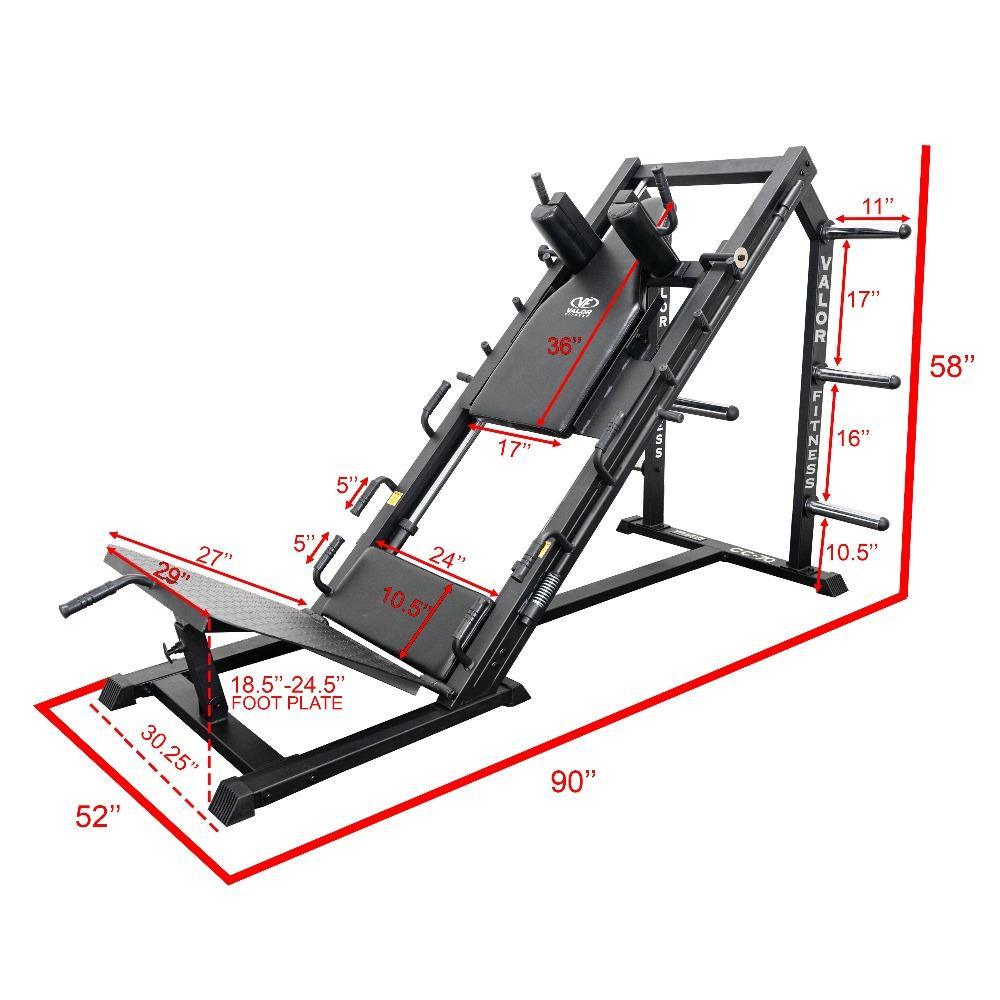
Machines provide a safe and effective way to train legs without a squat rack. Leg press machines push weight with your feet, targeting quads and glutes. Hack squat machines guide your movement, offering support and control. These options reduce the risk of injury and allow you to lift heavy weights comfortably. Machines are ideal for controlled, consistent training sessions.
Barbell Techniques For No Rack Setup
Training legs without a squat rack is simple with the right barbell techniques. These exercises use the barbell smartly, avoiding the need for a rack. Each move targets muscles efficiently and safely.
These barbell methods help build strength and improve balance. You can perform them at home or in a small gym space. The focus stays on form and control, reducing injury risks.
Zercher Squats
Zercher squats hold the barbell in the crook of your elbows. This position shifts weight to your core and legs. Start with light weight to perfect your stance and balance. Keep your chest up and back straight. This squat variation works your quads, glutes, and core muscles well.
Landmine Squats
Landmine squats use a barbell anchored on one end. Hold the free end close to your chest while squatting. This setup provides stability and control. It helps protect your lower back during the movement. Landmine squats focus on the legs and core with less strain on joints.
Barbell Lunges
Barbell lunges improve single-leg strength and balance. Rest the barbell across your upper back. Step forward with one leg and lower your hips until both knees bend at 90 degrees. Push back to the starting position and switch legs. This exercise builds muscle and improves coordination.
Jefferson Deadlift Variations
Jefferson deadlifts involve straddling the barbell between your legs. Grab the bar with one hand in front and the other behind. This stance reduces stress on your lower back. Lift the bar by straightening your hips and knees. It targets your hamstrings, glutes, and core muscles effectively.
Credit: www.centromedicoloira.com
Improving Power And Explosiveness
Improving power and explosiveness is key for athletes and fitness enthusiasts. These qualities help you jump higher, run faster, and lift heavier. Training with a squat rack can boost these traits effectively. Using simple DIY hacks, you can enhance your home gym setup to focus on explosive movements. Target your fast-twitch muscles for better athletic performance and overall strength.
Box Jumps And Sprints
Box jumps train your legs to explode off the ground quickly. Use a sturdy box or platform near your squat rack. Start with a low box and jump onto it with both feet. Land softly and step down carefully. Increase the height as you improve. This improves your vertical leap and leg power.
Sprints develop fast, powerful leg drive. Mark a short distance near your squat rack area. Sprint at full speed for 10-20 seconds. Rest and repeat for several rounds. This trains your body to generate quick bursts of energy. Combine box jumps and sprints for balanced power training.
Explosive Squat Variations
Explosive squats focus on speed and force during the lift. Try jump squats by lowering into a squat, then jumping up forcefully. Land softly and repeat. This helps build fast muscle fibers.
Another option is the squat with a pause. Lower into the squat and hold for 2 seconds before exploding up. This improves control and power.
Use your DIY squat rack to add resistance with a barbell or weights. Keep movements fast and controlled to maximize explosiveness. These variations make your regular squats more dynamic and powerful.
Loading And Unloading Barbell Hacks
Loading and unloading barbells on a squat rack can be tricky without the right technique. It takes effort and care to avoid injury and keep the weights secure. Simple hacks improve safety and make the process smoother. These tips also save time and reduce strain on your body. Use these smart ideas to handle your barbell weights better in any setup.
Safe Methods To Load Weights
Always place weights evenly on both sides of the barbell. This keeps balance and prevents tipping. Use collars or clamps to lock plates in place. Slide plates gently to avoid banging the bar or rack. Lift with your legs, not your back, to avoid injury. Ask for help if the plates are very heavy. Organize plates by size near the rack for quick access.
Using A Yoke For Versatility
A yoke can hold barbells and weights at different heights. It helps if your squat rack lacks storage or loading space. Secure the barbell on the yoke to lift plates without bending much. This tool makes adding or removing weights faster. Use a yoke with wheels for easy movement around the gym. It also supports other exercises like overhead carries and shrugs.
Managing Low Ceiling Constraints
Low ceilings limit how high you can lift or load plates. Position the squat rack away from low spots. Use smaller weight plates to reduce lifting height. Load weights while the bar is resting on safety pins or hooks. Avoid lifting plates overhead in tight spaces. Consider adjustable racks that allow bar height changes. Keep the workout area clear to move freely and safely.
Maintaining And Upgrading Your Rack
Maintaining and upgrading your squat rack ensures safety and improves workout quality. Regular care keeps it strong and reliable. Upgrades let you customize and add new features. This section offers simple tips for upkeep and smart improvements.
Regular Inspection Tips
Check bolts and screws for tightness each week. Look for rust or cracks on metal parts. Clean the rack with a damp cloth to remove sweat and dust. Test stability by gently shaking the rack before workouts. Replace worn parts right away to avoid injuries. Keep moving parts lubricated for smooth use. Record inspection dates to track maintenance easily.
Adding New Features Over Time
Add safety spotter arms for extra protection during lifts. Install weight storage pegs to keep plates organized. Attach pull-up bars for more exercise options. Use J-hooks that adjust in height for different exercises. Consider band pegs to add resistance bands. Add hooks or shelves to hold gym accessories. Upgrade grips or padding for better comfort.
Budget-friendly Upgrades
Use PVC pipe sleeves to protect the barbell and rack. Paint the rack to prevent rust and refresh its look. Build DIY attachments with wood or metal scraps. Add rubber mats beneath the rack to protect your floor. Use leftover bolts and washers to create custom hooks. Recycle old gym gear for new rack parts. Shop second-hand for affordable upgrade materials.

Credit: www.ryderwear.com
Frequently Asked Questions
What Can I Use Instead Of A Squat Rack?
You can use Bulgarian split squats, goblet squats, leg press machines, Zercher squats, or landmine squats instead of a squat rack. These options provide effective leg training without needing a rack.
What To Do If There Is No Squat Rack?
Perform single-leg exercises like Bulgarian split squats or pistol squats. Use dumbbells for goblet squats or weighted step-ups. Try machines such as leg press or hack squat. Consider barbell variations like Zercher squats, landmine squats, or barbell lunges that don’t require a rack.
How To Set Up A Squat Without A Rack?
Set the barbell on sturdy supports at shoulder height. Position yourself under the bar, lift it, and step back carefully. Use safety pins or spotters if possible. Alternatively, perform goblet squats, Bulgarian split squats, or landmine squats for effective rack-free training.
How To Hit Legs Without A Squat Rack?
Hit legs without a squat rack using Bulgarian split squats, goblet squats, lunges, step-ups, Zercher squats, landmine squats, or leg press machines. These exercises target leg muscles effectively without rack equipment. Use dumbbells, kettlebells, or bodyweight for resistance.
Conclusion
DIY squat rack hacks help save money and space. They let you customize your gym to fit your needs. Simple tools and materials often work best. These hacks keep your workouts safe and effective. Try different ideas to find what suits you.
Building your own rack brings pride and fun. Stay consistent, and your strength will grow. Keep improving your home gym step by step.
I am a certified fitness coach with over 10 years of experience helping people improve their strength, endurance, and overall health. Specializes in workout programming, weight training, fat loss, muscle building, home fitness, and evidence-based nutrition.My goal is to make fitness simple and practical through well-researched guides, honest product reviews, and actionable training advice.