If you’ve ever wondered how to get the most out of the Smith machine, you’re in the right place. This versatile gym tool can boost your strength training, but only if you use it correctly.
Whether you want to build muscle, improve your squat form, or add variety to your workouts, mastering the Smith machine is key. In this guide, you’ll discover simple tips and clear steps to use the machine safely and effectively. Ready to transform your fitness routine and avoid common mistakes?
Keep reading and unlock the full potential of the Smith machine today.
Smith Machine Setup
Setting up the Smith machine correctly is the first step to a safe and effective workout. Proper setup helps you perform exercises with good form and avoid injury. This section explains how to adjust the bar height, set safety catches, and position your feet for the best results.
Adjusting The Bar Height
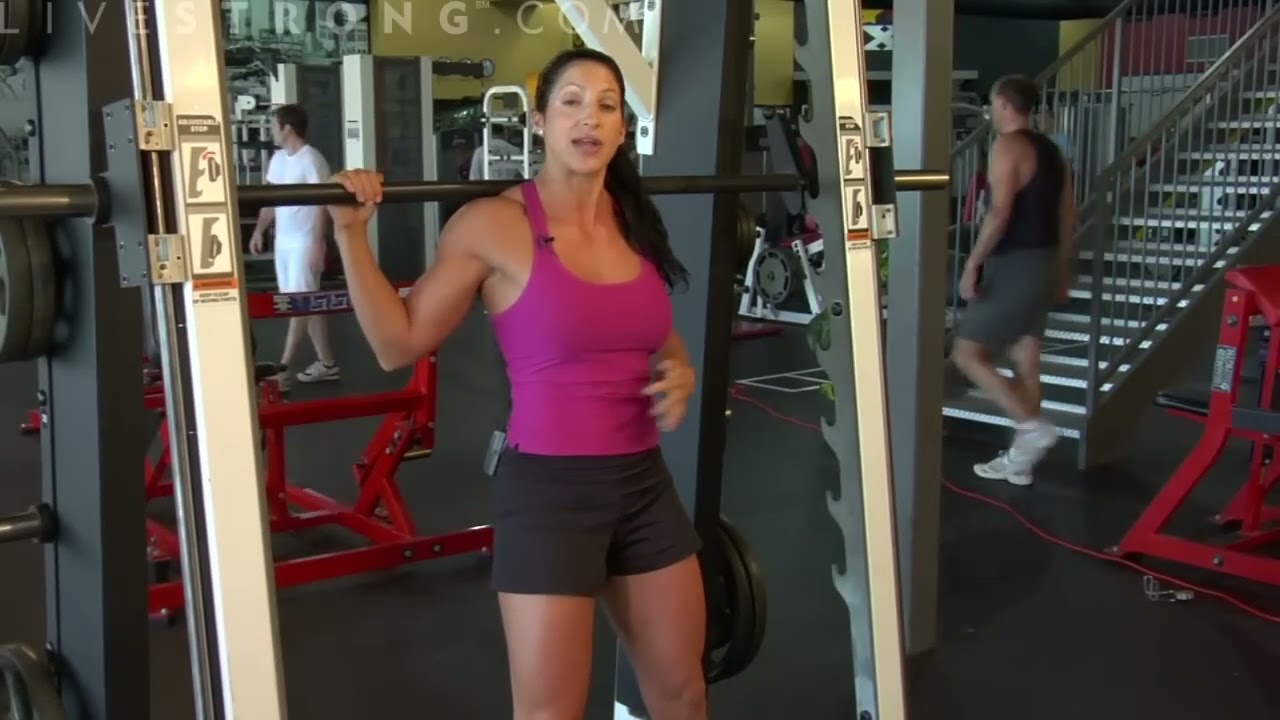
Stand under the bar to find the right height. The bar should rest comfortably on your shoulders for squats. For pressing, place the bar at chest level. Use the locking pins to secure the bar at your chosen height. Make sure the bar moves smoothly along the rails.
Setting Safety Catches
Safety catches stop the bar if you cannot lift it. Set them just below your lowest squat or press position. This prevents the bar from dropping too far. Check that the catches lock firmly in place. Adjust them each time you change exercises or bar height.
Foot Placement Tips
Place your feet shoulder-width apart for balance. Point your toes slightly outward for better stability. Keep your weight evenly on your feet. For squats, position your feet so your knees track over your toes. Avoid letting your heels lift off the floor.
Credit: www.youtube.com
Squat Techniques
Squat techniques on the Smith machine vary based on your stance and body orientation. Adjusting your position changes which muscles work hardest. This section explains how facing forward or backward affects muscle targeting. It also covers key tips for controlling your movement safely and effectively.
Facing Forward For Quads
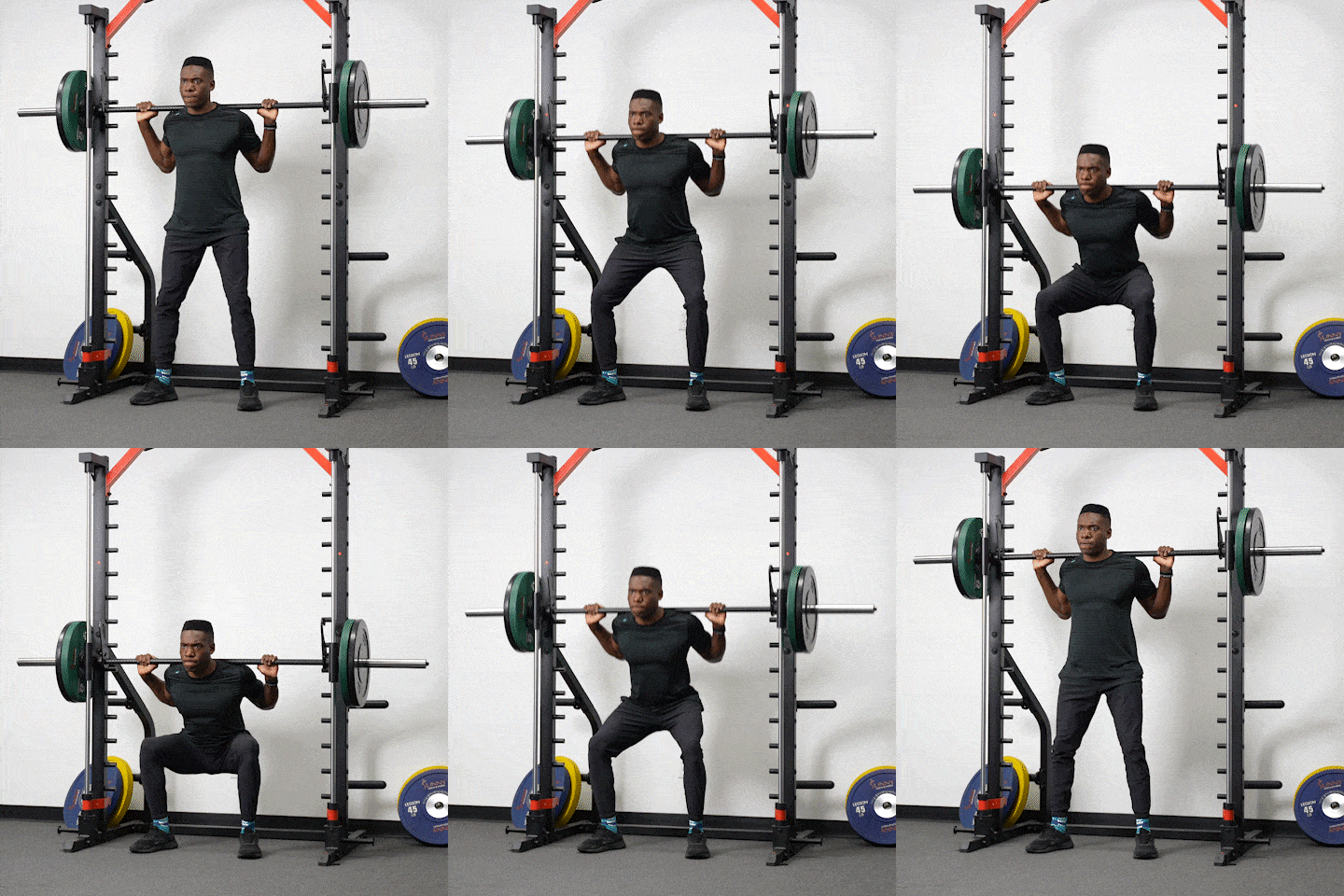
Stand under the bar with feet shoulder-width apart. Point your toes slightly outward. Keep your chest up and back straight. Lower your body by bending your knees. Push through your heels to return to start. This posture targets your quadriceps more than other muscles.
Facing Backward For Glutes
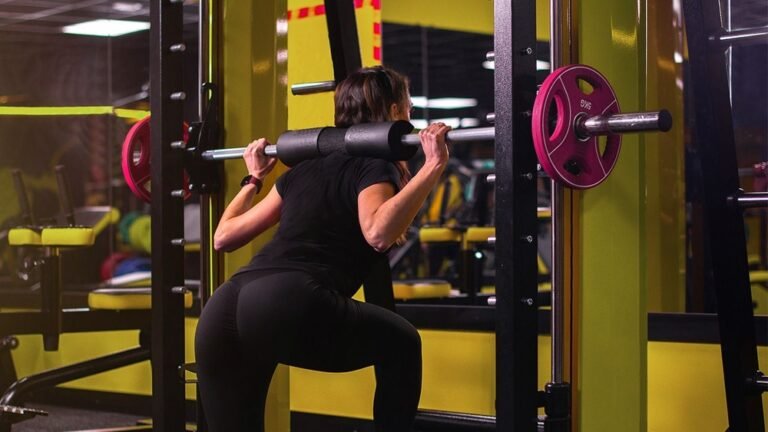
Position yourself so the bar rests on your traps. Step back so your body faces away from the machine. Place your feet wider and turn toes outward. Squat deeper by pushing hips back first. Rise by driving through your heels. This stance activates your glutes and hamstrings better.
Controlling The Movement
Keep your core tight throughout the squat. Avoid letting your knees collapse inward. Lower slowly and with control to prevent injury. Use the Smith machine’s guided bar path for balance. Set safety stops below your lowest squat point. Maintain steady breathing to support your effort.
Bench Press On Smith Machine
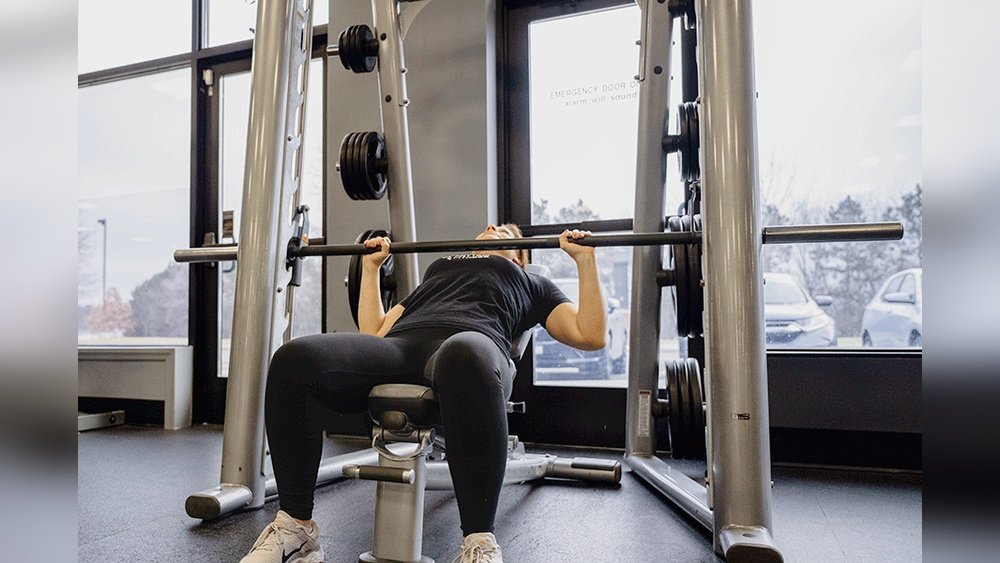
The bench press on the Smith machine offers a controlled way to build upper body strength. It guides the bar on a fixed path, making it easier to focus on your chest muscles. This exercise suits beginners and those who want a safer press without a spotter.
Using the Smith machine for bench pressing keeps the movement steady. You can adjust the bar height and hand placement to match your comfort. Proper technique helps avoid injury and improves muscle gains.
Proper Body Positioning
Lie flat on the bench with your feet flat on the floor. Your back should remain pressed against the bench. Keep your head, shoulders, and hips aligned. Position the bar over your chest, not your neck or stomach.
Maintain a natural arch in your lower back. Tighten your core to support your spine. Your shoulder blades should be squeezed together for stability. This setup helps protect your shoulders during the press.
Hand Grip And Bar Path
Grip the bar slightly wider than shoulder-width. Keep your wrists straight and firm. Lower the bar slowly to your mid-chest. The bar should move in a vertical line down and up.
Press the bar straight up without locking your elbows at the top. Keep your elbows at about a 75-degree angle from your body. This grip and path maximize chest activation and reduce joint stress.
Common Mistakes To Avoid
Avoid lifting your hips off the bench. This can strain your lower back. Don’t bounce the bar off your chest; lower it in control. Avoid flaring your elbows too wide, which can hurt your shoulders.
Do not grip the bar too narrow or too wide. Both can cause discomfort and reduce effectiveness. Keep your feet planted firmly to maintain balance. Watch for uneven bar movement and adjust if needed.
Deadlifts And Good Mornings
Deadlifts and good mornings are essential exercises for building strong hips, glutes, and lower back muscles. Using the Smith machine adds stability, making these moves safer for beginners. It guides the bar along a fixed path, helping maintain proper form. Proper technique ensures you target the right muscles and avoid injury.
Facing Direction Benefits
Facing either forward or backward on the Smith machine changes which muscles work more. Facing forward targets your quads and front thigh muscles. Facing backward shifts focus to your glutes and hamstrings. This position allows a deeper bend at the hips. Choose your stance based on the muscle group you want to develop.
Hip Hinge Mechanics
The hip hinge is the key movement in deadlifts and good mornings. Push your hips back while keeping your spine straight. The knees bend slightly but do not move forward much. This action loads the hamstrings and glutes effectively. Avoid rounding your lower back to protect your spine. Practice the hinge slowly before adding weight.
Maintaining Core Stability
Keeping your core tight supports your spine during these exercises. Brace your abdominal muscles as if preparing for a light punch. This creates a solid foundation to lift heavier safely. Avoid letting your belly sag or your back arch. Control your breathing, exhaling as you lift the bar. Strong core engagement reduces injury risk and improves performance.
Safety Tips And Precautions
Using the Smith machine safely helps prevent injuries and improves workout results. Paying attention to body position and machine settings is crucial. Simple safety steps keep you steady and strong during exercises.
Engaging Core And Back
Tighten your core muscles before lifting the bar. A strong core supports your spine and balances your body. Keep your back straight and avoid arching or rounding. This reduces strain and protects your lower back. Focus on controlled movements to maintain stability throughout each set.
Using Safety Stops Effectively
Set the safety stops at the correct height for your exercise. They catch the bar if you lose control or cannot complete a lift. Adjust stops just below your lowest point for squats or presses. This feature prevents the bar from dropping too far and causing injury. Always test the stops before starting your workout.
Avoiding Injury Risks
Start with lighter weights to learn proper form on the Smith machine. Do not lock your joints tightly at the top or bottom of each movement. Keep your wrists neutral and avoid bending them excessively. Wear proper footwear to provide good grip and balance. Stop immediately if you feel pain or discomfort during any exercise.
Choosing The Right Smith Machine
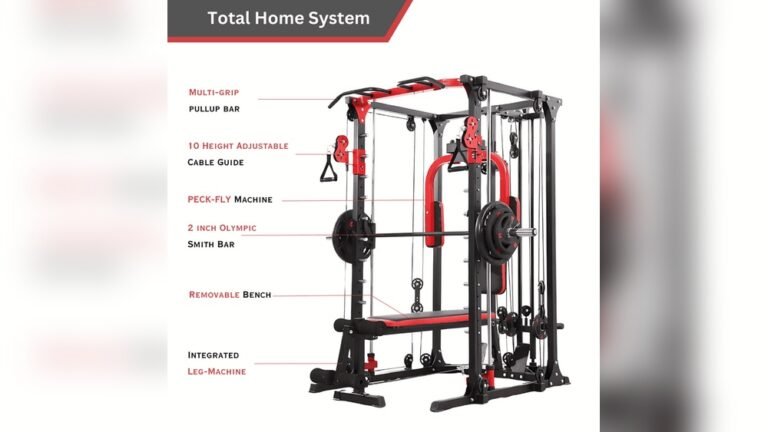
Choosing the right Smith machine is important for a safe and effective workout. The right machine fits your space, strength level, and exercise needs. It should support your body movements and offer stability. Understanding the types and features will help you pick the best one. This section covers key points to consider before buying or using a Smith machine.
Angled Vs. Vertical Bars
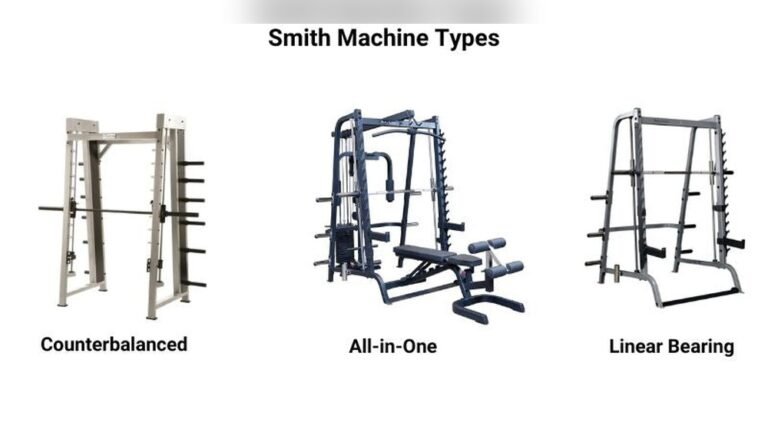
Smith machines come with two main bar types: angled and vertical. Angled bars tilt slightly, usually around 7 to 10 degrees. This angle mimics natural body movement during squats and presses. It feels more comfortable and reduces stress on joints. Vertical bars move straight up and down. They offer strict movement control but may feel less natural. Choose angled bars for more fluid exercises. Vertical bars suit users who want strict form and control.
Machine Stability And Features
Stable machines prevent wobbling during lifts. Look for a solid frame made of steel. Check the weight capacity to match your training level. Smooth, quiet pulleys or bearings improve the workout feel. Safety stops are essential to catch the bar if you fail a lift. Some models include adjustable hooks and counterbalances. These features help customize the machine to your body and strength. Stability and safety features protect you from injuries.
Gym Vs. Home Models
Gym models are usually larger and heavier. They handle more weight and heavy use. These machines have extra features and durability. Home models are smaller and lighter. They fit in limited spaces and have simpler designs. Home machines may have lower weight limits. Consider your space and workout goals before choosing. Home models suit beginners or light lifters. Gym machines serve advanced users and frequent training better.
Common Workout Routines
The Smith machine offers versatile workout routines suitable for all fitness levels. Its guided bar path helps maintain proper form and balance. You can target different muscle groups with simple adjustments. Here are common workout routines to try using the Smith machine.
Full Body Workouts
Full body routines engage multiple muscle groups in one session. Start with squats to work legs and core. Add bench presses to target chest and arms. Perform rows to strengthen your back muscles. Combine these moves for balanced strength and endurance. The Smith machine keeps the bar steady, making it easier to focus on form.
Lower Body Focus
Lower body workouts target glutes, quads, hamstrings, and calves. Use Smith machine squats for controlled leg training. Try lunges by stepping forward or backward under the bar. Hip thrusts help isolate the glutes effectively. Calf raises on the Smith machine improve ankle stability. These exercises build strong legs and reduce injury risk.
Upper Body Strength
Upper body routines improve chest, shoulders, back, and arms. Bench presses on the Smith machine develop chest and triceps. Shoulder presses build strong deltoids and traps. Bent-over rows focus on your back muscles. Close grip presses target triceps and forearms. The fixed bar path supports safe lifting and muscle isolation.
Credit: sunnyhealthfitness.com
Maximizing Results
Maximizing results on the Smith machine requires more than just lifting weights. It demands smart planning and tracking. Changing your routine and measuring growth push your limits safely. Focused effort and consistency bring the best gains.
Adjusting Reps And Sets
Changing the number of reps and sets affects muscle growth and endurance. For strength, use fewer reps with heavier weight. To build endurance, do more reps with lighter weight. Switch between these regularly to avoid plateaus. Listen to your body and adjust as needed.
Incorporating Supersets
Supersets combine two exercises without rest between them. This method saves time and increases workout intensity. Use the Smith machine for one exercise and free weights or bodyweight for the next. Target opposing muscle groups to improve balance and strength. Supersets help burn more calories and build muscle faster.
Tracking Progress
Keep a workout journal or use an app to record your sessions. Note weights, reps, and how you feel after each workout. Tracking helps identify what works and where to improve. Regularly review your progress and set new goals. This keeps motivation high and results consistent.

Credit: sunnyhealthfitness.com
Frequently Asked Questions
How To Properly Use A Smith Machine?
Position the bar on your shoulders or hands, adjust foot stance for target muscles, keep core tight, and control movement. Face forward for quad focus; face backward to engage glutes and hamstrings. Set safety catches below your range. Always maintain a straight back and steady pace.
Can Beginners Use The Smith Machine?
Beginners can use the Smith machine safely with proper guidance. It offers controlled movement and stability, reducing injury risk. Start with lighter weights, learn correct form, and focus on core engagement to build confidence and strength effectively.
What Is The 3-3-3 Rule In Gym?
The 3-3-3 rule in the gym means performing 3 sets of 3 reps with 3 minutes rest between sets. It builds strength efficiently.
How Much Is 225 Lbs On A Smith Machine?
225 lbs on a Smith machine equals 225 pounds of resistance, including the bar’s weight if not accounted separately.
Conclusion
Using the Smith machine helps you build strength safely and effectively. Focus on proper form and controlled movements for best results. Adjust your stance to target different muscles. Always keep your core tight and back straight during exercises. Practice regularly to improve confidence and technique.
Remember to use safety catches to prevent injuries. This machine offers a stable way to train, especially for beginners. Keep workouts simple and consistent to see steady progress. Enjoy your fitness journey with the Smith machine!
I am a certified fitness coach with over 10 years of experience helping people improve their strength, endurance, and overall health. Specializes in workout programming, weight training, fat loss, muscle building, home fitness, and evidence-based nutrition.My goal is to make fitness simple and practical through well-researched guides, honest product reviews, and actionable training advice.