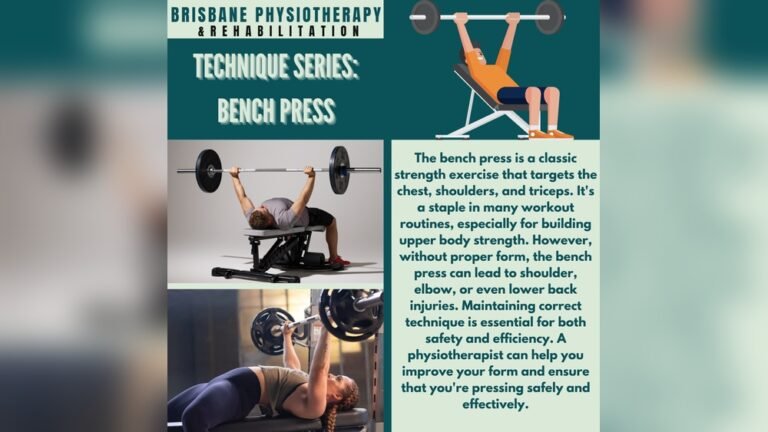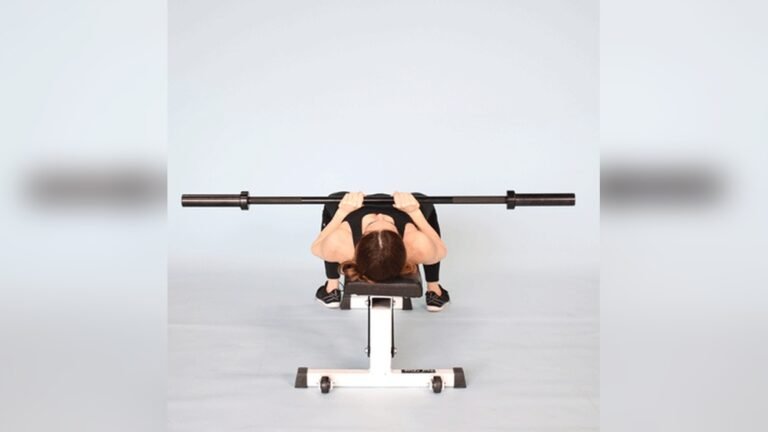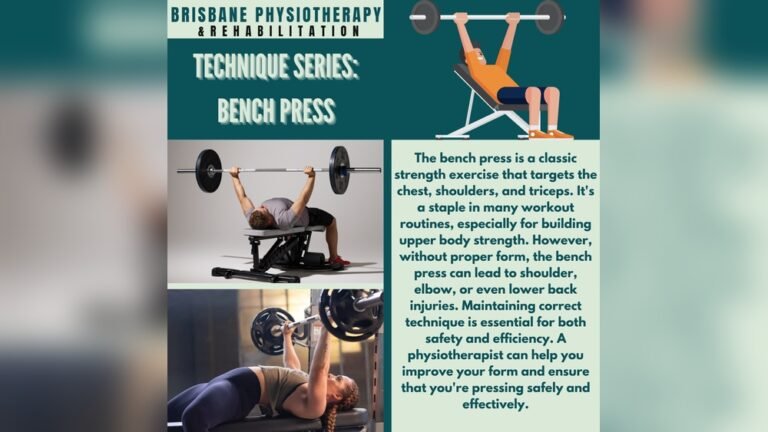
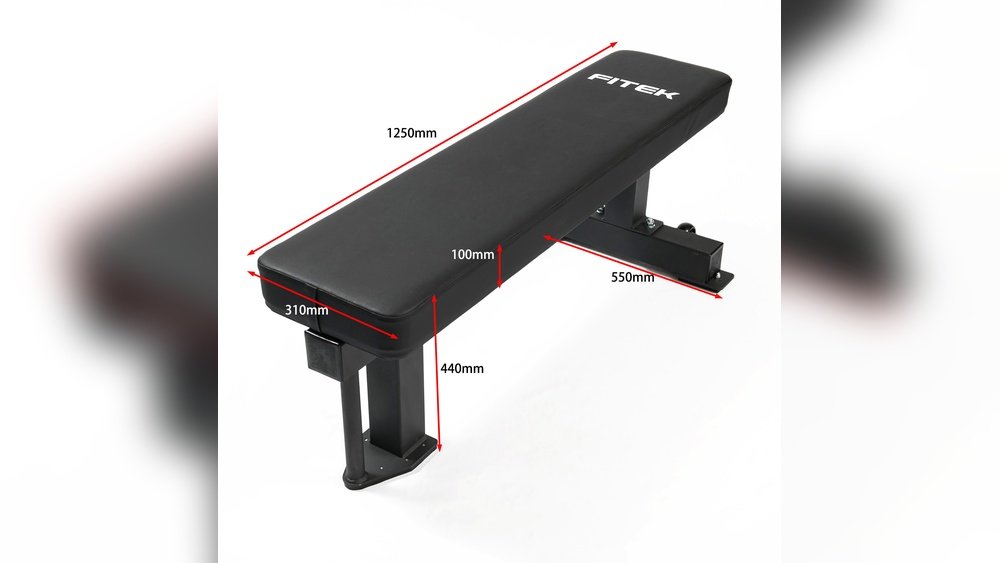
Choosing the right bench press bench can make a huge difference in your workout results, and your safety. But how do you know what size bench is perfect for you?
If you’ve ever wondered about the ideal dimensions for your bench press setup, you’re in the right place. This size guide breaks down everything you need to find a bench that fits your body, your grip style, and your lifting goals.
Keep reading, and you’ll discover how the right bench size can boost your performance, prevent injury, and make every rep feel just right. Your best bench press starts with the right bench, let’s find it together.
Credit: darmizananak.com
Bench Press Grip Width
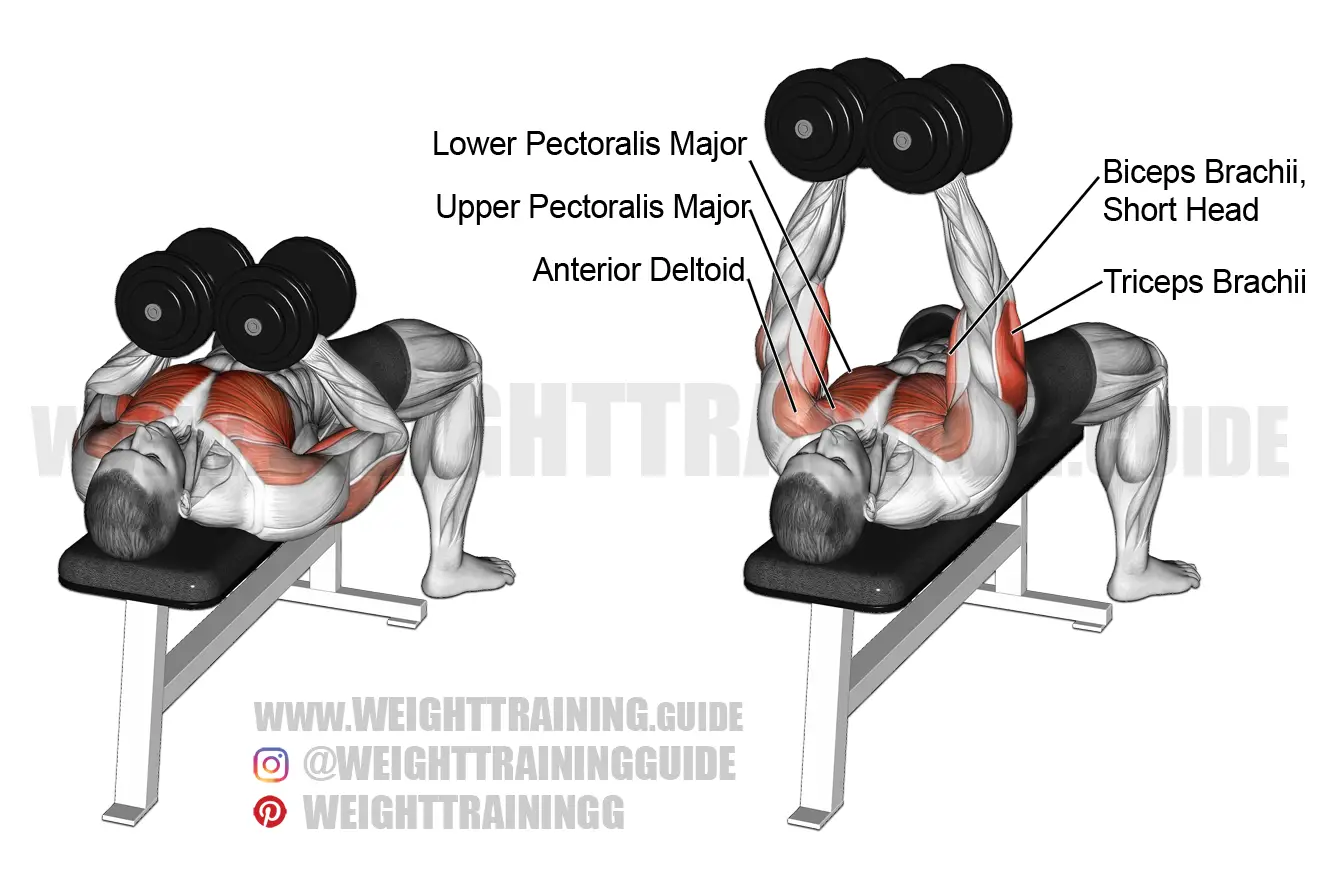
Finding your ideal bench press grip is key for good results and safety. A grip too wide stresses your shoulders, while too narrow puts extra strain on your wrists. The best grip usually places your hands so that your forearms are vertical when the bar is lowered.
Muscle activation changes with grip width. A wider grip targets the chest muscles more, while a narrow grip focuses on the triceps. Medium grip offers balanced work for chest, shoulders, and arms.
- Common mistakes include gripping the bar too wide or too narrow.
- Not keeping wrists straight can lead to injury.
- Failing to control the bar path reduces workout effectiveness.
Bench Press Strength Standards
Men’s average bench press varies with experience and bodyweight. For a typical man, benching around 135 lbs is common. Gym-goers often lift between 150 to 185 lbs. Advanced lifters can press over 225 lbs. Bodyweight impacts strength: heavier individuals tend to bench more.
Women’s average bench press is lower but still impressive. Most women lift around 65 to 85 lbs. Gym regulars can reach 95 to 115 lbs. Elite women lifters press over 135 lbs. Training consistency raises these numbers.
| Bodyweight (lbs) | Men’s Strength Levels (lbs) | Women’s Strength Levels (lbs) |
|---|---|---|
| Under 150 | 100 – 150 | 45 – 65 |
| 150 – 200 | 150 – 225 | 65 – 95 |
| 200 – 250 | 225 – 275 | 95 – 115 |
| Over 250 | 275+ | 115+ |
Strength depends on genetics, training, and bodyweight. Consistent effort improves bench press numbers. Age and training style also affect strength.
Factors Influencing Bench Press Performance
Genetics and body structure greatly affect bench press results. Some people have longer arms or different muscle types, making lifting easier or harder. Bone shape also plays a role in power and comfort during lifts.
Training consistency is key to progress. Regular workouts build strength and muscle. Skipping sessions slows improvement. Good habits, like warming up and resting, help avoid injuries and keep gains steady.
Bodyweight and muscle mass influence how much you can lift. More muscle usually means more strength. People with higher bodyweight often press heavier weights, but muscle quality matters more than size alone.
Bench Dimensions And Size
The standard bench sizes usually range from 43 to 52 inches in length and about 10 to 12 inches in width. This size fits most people comfortably for bench pressing.
Adjustable benches offer features like multiple backrest angles and seat positions. These allow users to perform different exercises, such as incline and decline presses. The bench height often varies between 16 to 20 inches to suit different users.
Choosing the right bench width and length depends on your body size and workout goals. A wider bench provides more support but may limit arm movement. A narrower bench allows greater freedom but less stability. Length should be enough to support your entire back without hanging off.
Selecting The Right Bench For You
Choosing between residential and commercial benches depends on your needs. Residential benches are lighter and smaller. They fit well in homes. Commercial benches are built for heavy use. They have a higher weight capacity and last longer.
Check the weight capacity before buying. Your bench should hold more than your max lift. This ensures safety and durability.
Portability matters if you need to move the bench. Look for benches that fold or have wheels. Storage space is also key. Foldable benches save room in small areas.
Credit: row.gymshark.com
Bench Press For Different Populations
Beginners should start with a standard bench width that feels comfortable. A grip slightly wider than shoulder width helps build strength safely. It reduces stress on the shoulders and targets the chest well. General gym-goers can adjust grip based on comfort and goals. Narrower grips focus more on triceps, wider grips on chest.
Advanced lifters and powerlifters often use specific grip widths. They choose grips that maximize their leverage and lift numbers. Powerlifters usually prefer a wider grip to reduce bar travel distance. Training with varied grips can help prevent injury and improve muscle balance.
Women may benefit from a slightly narrower grip due to typically shorter arm length. This grip reduces shoulder strain and improves control. Many women find a medium grip width best for strength and comfort. Adjusting grip width to individual anatomy is key for all lifters.
Common Bench Press Challenges
Injury prevention is key for safe bench pressing. Always warm up with light weights. Use a spotter to help with heavy lifts. Keep your wrists straight and avoid bouncing the bar on your chest. Wearing a bench press bench with proper size and support helps prevent strain.
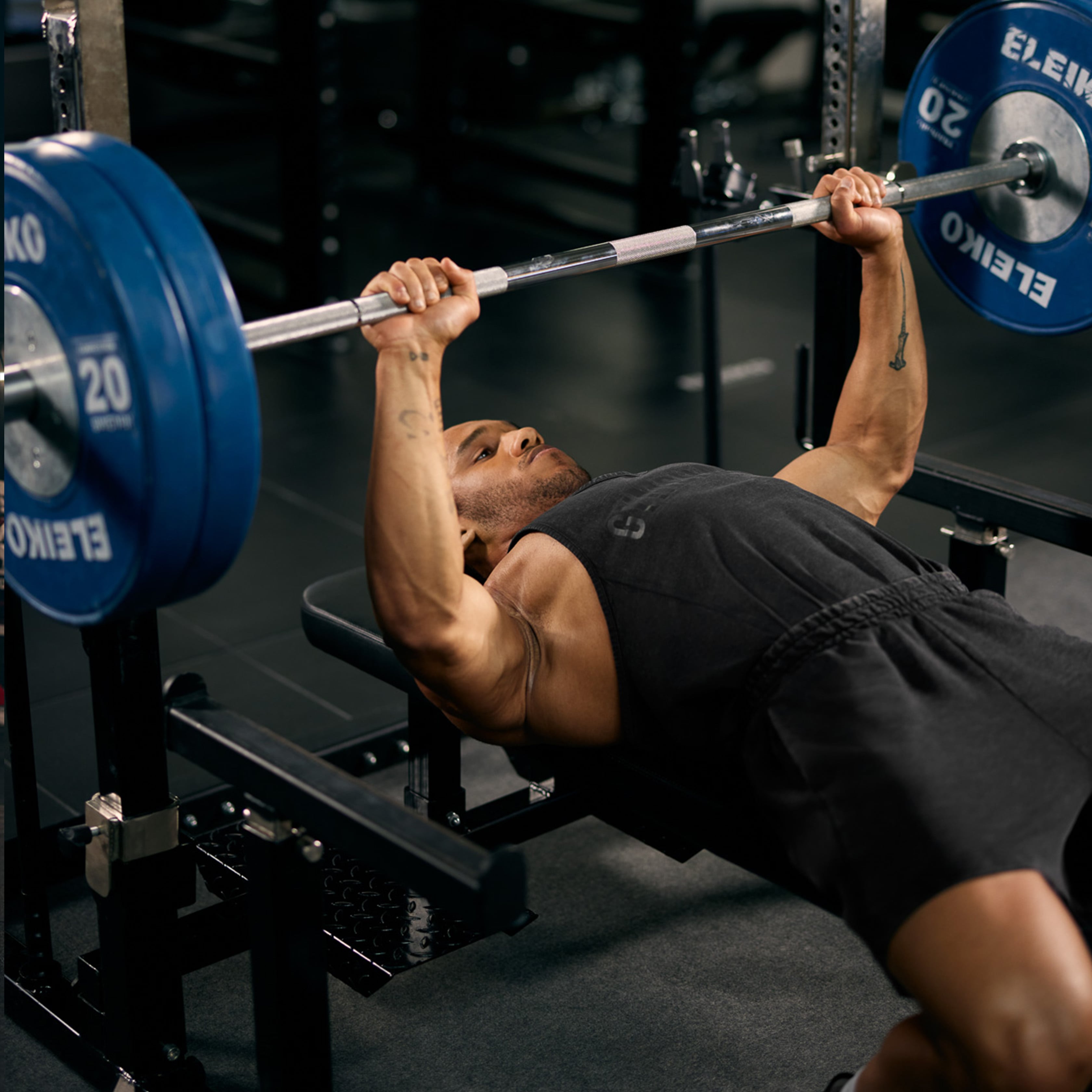
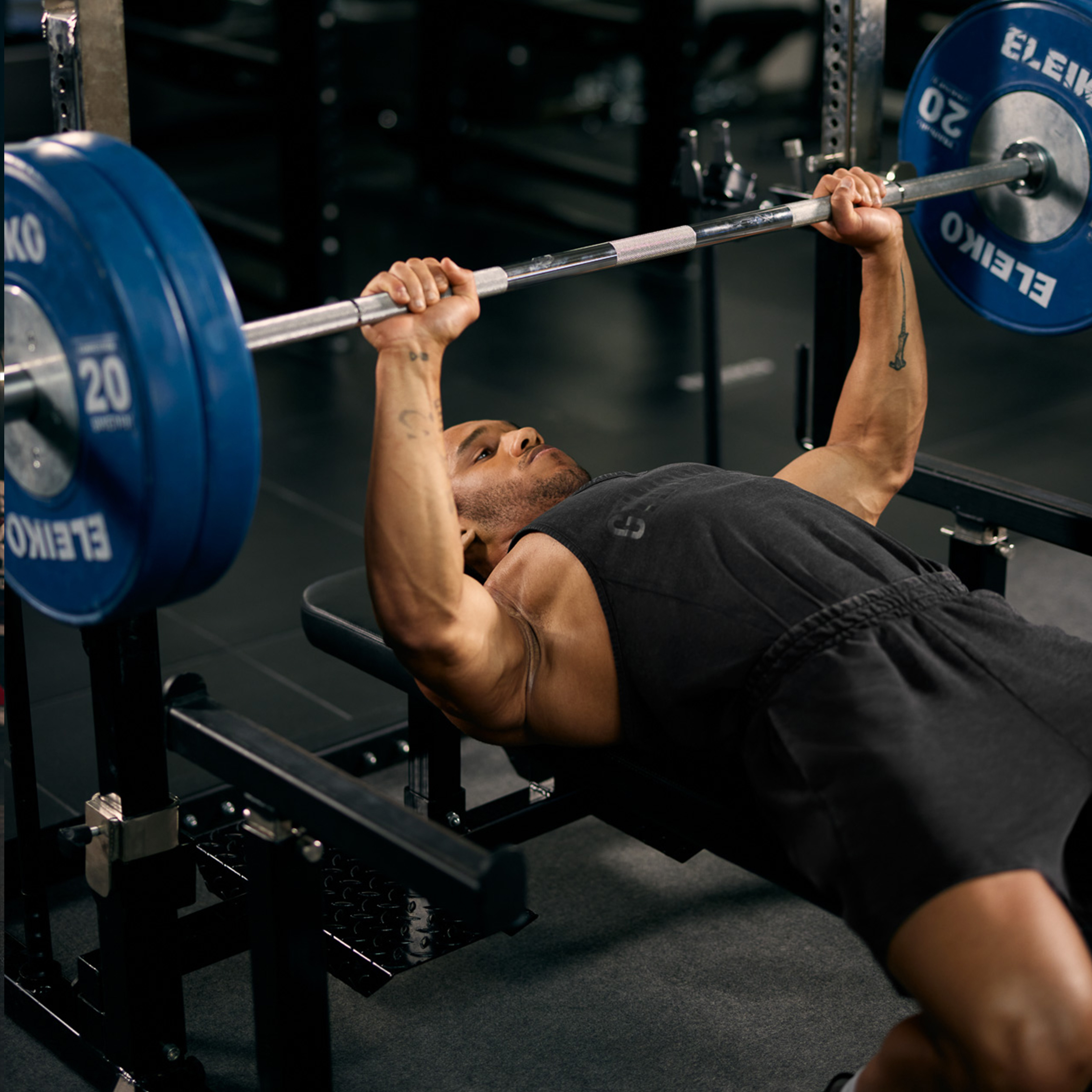
Good form improves strength and reduces injury risk. Keep your feet flat on the ground. Arch your back slightly while keeping your shoulders tight. Grip the bar evenly and lower it to the mid-chest slowly. Push the bar straight up without locking elbows at the top.
Plateaus happen when progress slows. Change your grip width to target muscles differently. Add small weight increases regularly. Try different bench angles or vary your reps and sets. Rest and proper nutrition also help overcome plateaus.
Credit: row.gymshark.com
Bench Shirt Sizing And Use
Bench shirts are special gear used in bench pressing. They help support your shoulders and chest. Their main purpose is to give extra strength and protect muscles during heavy lifts. They also help improve your form by keeping your arms in place.
Choosing the correct size is very important. A shirt too tight can restrict movement and cause discomfort. A shirt too loose won’t give enough support. Measure your chest and shoulders carefully before buying. Most brands provide size charts to help find the right fit.
The impact on performance is clear. A well-fitted bench shirt can add weight to your lift. It stores energy when you lower the bar and releases it when you push up. This helps lifters press heavier weights safely and confidently.
Frequently Asked Questions
What Is A Good Bench Press For My Size?
A good bench press varies by body weight, age, and training level. Generally, lifting your body weight is a strong goal. Beginners should start lighter and progress gradually. Consistent training, proper technique, and genetics also influence your ideal bench press strength.
How Rare Is A 225lb Bench Press?
A 225lb bench press is rare for the general population but common among dedicated gym-goers. It requires consistent training. Genetics, bodyweight, and experience influence the ability to lift this weight. For most, it represents an advanced strength level and often takes years to achieve.
How Rare Is A 200 Lb Bench Press?
A 200 lb bench press is rare for the general population but achievable for dedicated gym-goers. It requires consistent training and proper technique. Genetics, bodyweight, and experience influence this strength level. Many lifters reach this milestone after years of effort, making it a notable achievement.
How Rare Is A 300lb Bench Press?
A 300lb bench press is rare for the general population, requiring years of consistent training and good genetics. It signifies advanced strength.
Conclusion
Choosing the right bench press bench size matters for safety and comfort. A proper fit helps you lift more confidently and avoid injuries. Remember to consider your body size and workout space before buying. Use this guide to find a bench that suits your needs well.
Training becomes easier when equipment matches your build. Keep these tips in mind for better bench press sessions.
I am a certified fitness coach with over 10 years of experience helping people improve their strength, endurance, and overall health. Specializes in workout programming, weight training, fat loss, muscle building, home fitness, and evidence-based nutrition.My goal is to make fitness simple and practical through well-researched guides, honest product reviews, and actionable training advice.