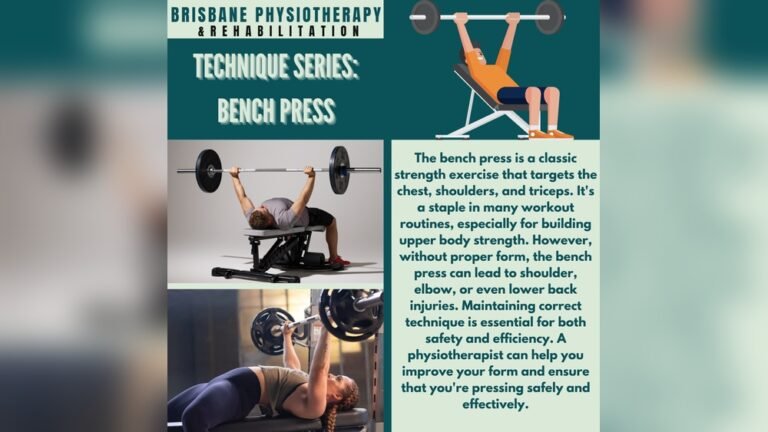
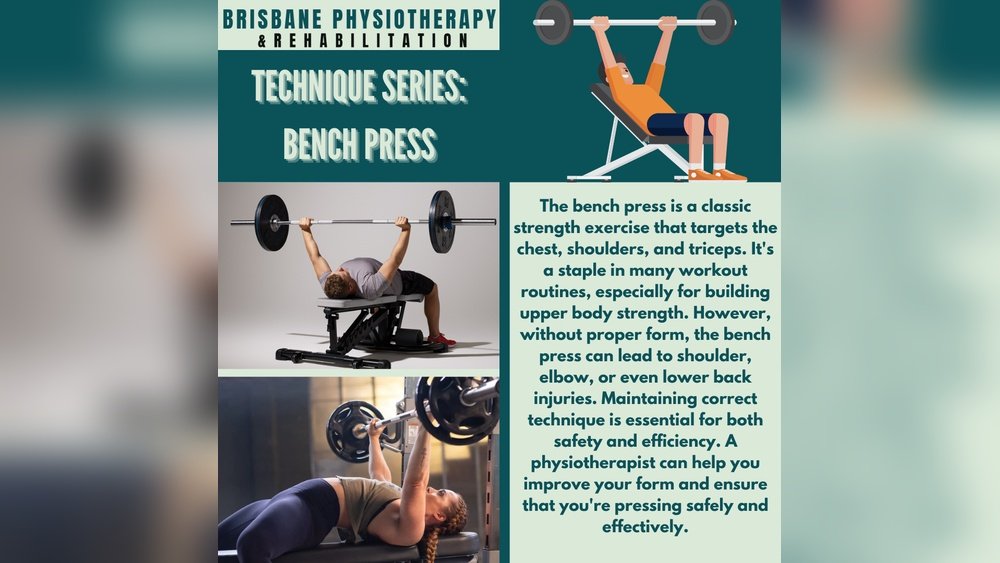
When you step up to the bench press, your focus is on building strength and pushing your limits. But have you ever paused to think about how to keep yourself safe during those intense reps?
Your bench press bench is more than just a piece of equipment, it’s your lifeline when lifting heavy. Without the right safety measures, you risk serious injury that could set back your progress or worse. You’ll discover simple, effective safety tips that protect you every time you press.
Whether you train alone or with a spotter, these practical steps will give you the confidence to lift smarter and safer. Keep reading to learn how to make your bench press sessions both powerful and injury-free.
Grip And Hand Placement
Wrap your thumbs firmly around the bar. This helps you hold the bar tightly and reduces slipping risk. Avoid using a thumbless grip, which can make the bar slip easily and cause injury.
Always maintain a locked grip by squeezing the bar hard. This gives more control and keeps your hands steady. A locked grip also protects your wrists and helps you lift safely.
Strong hand placement improves balance and power during the bench press. Proper grip reduces chances of accidents and ensures better performance.
Bench Setup
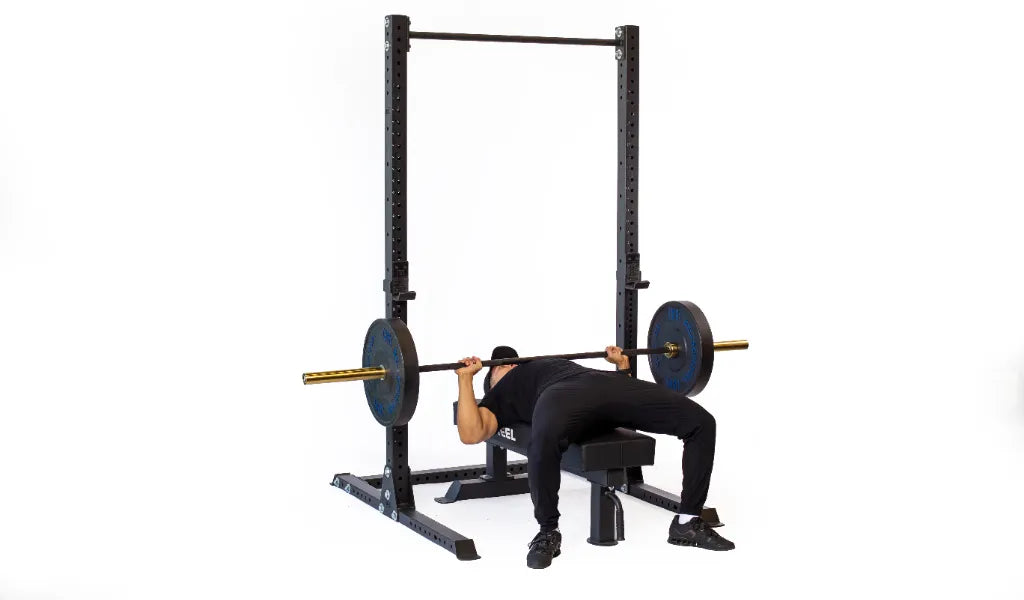
Safety arms or catcher bars help catch the bar if you drop it. They prevent serious injuries by stopping the bar from falling too far. Set these arms at a height where the bar does not hit them during your lift. This keeps your range of motion full and safe.
Adjust safety bars to match your arm length and bench height. Bars set too low may not catch the bar; too high can block your lift. Check the position before every workout to ensure proper protection.
Position the bench on a flat, stable surface. This stops the bench from moving or tipping during lifts. Avoid benches with loose parts or wheels unless they lock firmly. Stability is key for safe and effective bench pressing.
Weight Management
Avoid using collars on the barbell during bench press. Collars can cause uneven weight distribution. This makes the bar unstable and harder to control.
Always load weights evenly on both sides of the bar. Uneven weights can cause the bar to tilt and increase injury risk. Make sure plates are the same size and weight on each side.
Remove clips or safety pins after loading weights. Clips can get stuck or cause a sudden stop. This might lead to a dangerous situation if the barbell slips.
Failing Safely
Lower the bar slowly and carefully to avoid sudden drops. Moving the bar down gradually reduces risk of injury. It helps control the weight better.
Tilt the bar slightly to one side to dump the plates off safely. This lightens the load and allows you to free yourself quickly. Make sure the bar tilts just enough to slide plates off without losing control.
Keep your arms rigid and locked during failure. A firm grip and stiff arms help prevent the bar from falling on you. This position gives you better control and safety.
Spotter Techniques
Always use a spotter whenever possible to stay safe during bench press. The spotter can help if the weight becomes too heavy. Before lifting, talk clearly with your spotter. Decide on signals and how they will assist you.
The spotter’s hand placement is very important. Hands should be ready near the bar but not touching it. This allows quick help without interfering with the lift. The spotter must watch you closely and stay alert at all times.

Credit: www.anytimefitness.com
Form And Technique
Keep your body straight on the bench. Your feet should be flat on the floor. Your back must have a small arch, but your butt stays on the bench. This proper alignment helps prevent injury and lets you push more weight safely.
The bar should move in a straight line over your chest. Lower it with control, not too fast. Push the bar up using your chest muscles. This controlled bar path reduces strain on your shoulders and wrists.
Tighten your core by pulling your belly in. This keeps your body stable. Press your feet hard into the ground to use your legs for power. Engaging your core and legs supports your lift and protects your spine.
Bench Pressing Alone
Use safety bars every time you bench press alone. They catch the bar if you lose control. Set them at the right height, just below your chest level.
Avoid lifting heavy weights without a spotter nearby. Heavy loads increase risk of injury. Stick to lighter weights or machines if alone.
Practice emergency dumping by tilting the bar sideways to drop the plates. This helps if you cannot lift the bar. Keep a firm grip and arms straight while doing this.
Equipment Maintenance
Ensure the bench is stable before every workout session. Check that all bolts and screws are tight to prevent any wobbling or movement.
Look closely at the barbell and weights. Make sure the bar is straight and free from cracks. Weights should be securely fastened and not damaged.
Replace any worn or broken parts immediately. This includes bench padding, safety catches, or collars. Using damaged equipment can lead to injury.
| Equipment Part | What to Check | Action if Faulty |
|---|---|---|
| Bench | Stability, bolts, screws | Tighten or repair immediately |
| Barbell | Straightness, cracks | Replace if bent or cracked |
| Weights | Secure fit, no damage | Discard damaged plates |
| Safety Parts | Padding, collars, catches | Replace worn parts |
Common Mistakes To Avoid
Thumbless grip can cause the bar to slip from your hands. Always wrap your thumbs around the bar for a secure hold. This grip helps prevent accidents during lifts.
Ignoring safety bars is very risky. Safety bars catch the barbell if you fail a lift. Always set the safety bars at the right height to protect yourself.
Overloading the bar without a spotter is dangerous. A spotter helps you lift the bar if you get stuck. Never lift very heavy weights alone without assistance.

Credit: powertec.com
Credit: bellsofsteel.us
Frequently Asked Questions
How To Be Safe When Bench Pressing?
Wrap your thumbs around the bar for a secure grip. Use safety arms or spotter when possible. Avoid collaring the bar to dump weights if stuck. Maintain proper form and control throughout the lift. Stop immediately if you feel unable to push the bar up safely.
Is It True That Only 1% Of The World Can Bench 225?
Only about 1% of the global population can bench press 225 pounds. This feat requires significant strength and training.
How To Set Up Safeties For Bench Press?
Set safety bars just below your chest level to catch the bar if dropped. Adjust rack height to avoid bar resting on safeties during lifts. Always check stability before starting. Use collars only if you have a spotter. Keep your grip secure and controlled throughout the bench press.
How To Safely Fail Bench Press?
Lower the bar to your chest. If stuck, tilt one side to slide weights off. Keep a firm grip and locked arms to control the bar safely.
Conclusion
Safe bench pressing protects you from injuries and boosts confidence. Always use proper grip and set safety arms correctly. Avoid lifting too heavy without a spotter or safety bars. Focus on controlled, steady movements to keep the bar stable. Never rush your reps; take your time to maintain form.
Remember, safety helps you train longer and better. Keep these tips in mind for every workout session. Stay safe, lift smart, and enjoy your progress.
I am a certified fitness coach with over 10 years of experience helping people improve their strength, endurance, and overall health. Specializes in workout programming, weight training, fat loss, muscle building, home fitness, and evidence-based nutrition.My goal is to make fitness simple and practical through well-researched guides, honest product reviews, and actionable training advice.