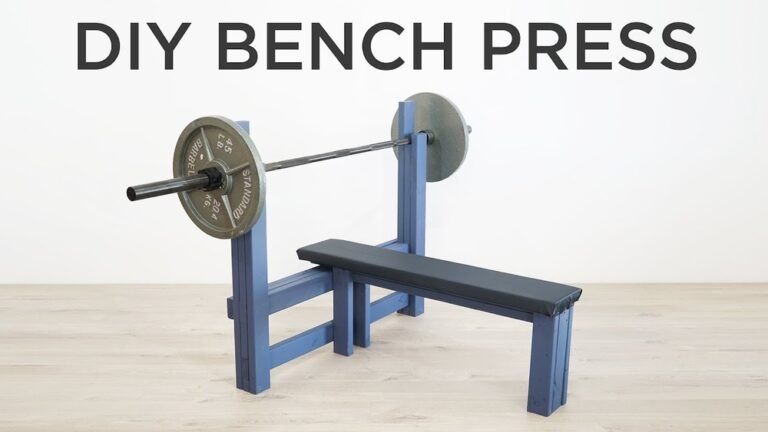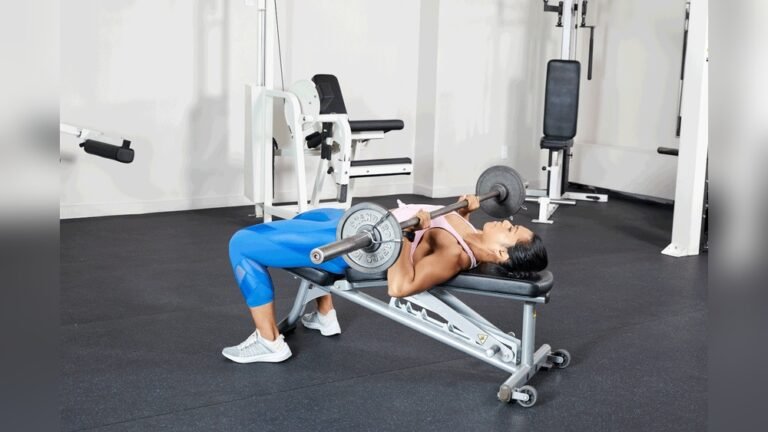
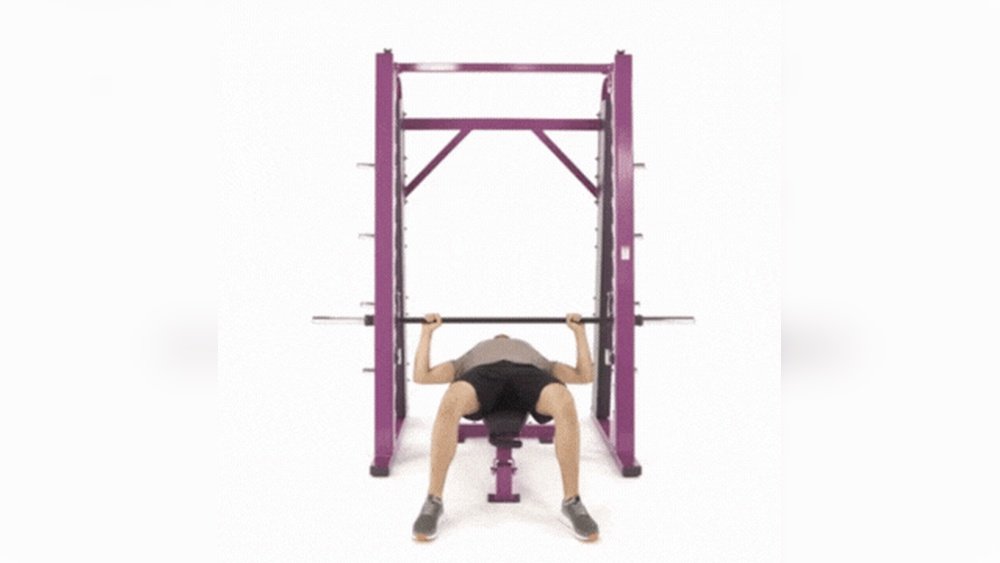
If you want to get the most out of your bench press workouts, understanding how to use your bench press bench correctly is key. Whether you’re a beginner or looking to perfect your form, this guide will walk you through everything you need to know.
From setting up the bench to nailing the right posture, you’ll discover simple tips that can boost your strength and keep you safe. Ready to transform your bench press routine and see real progress? Keep reading to unlock the secrets behind mastering your bench press bench.
Bench Press Basics
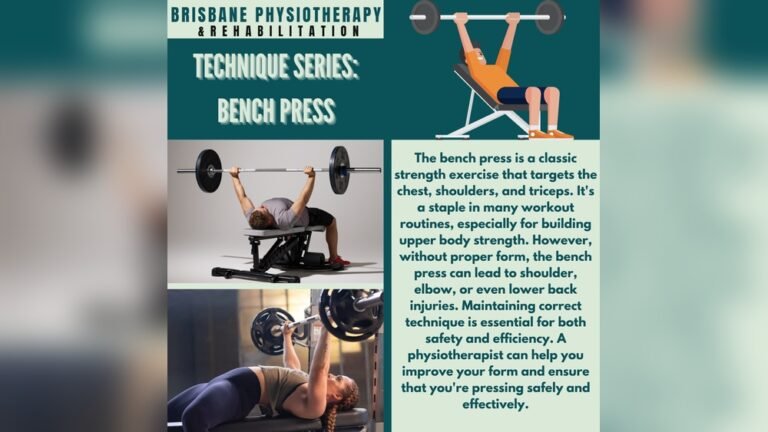
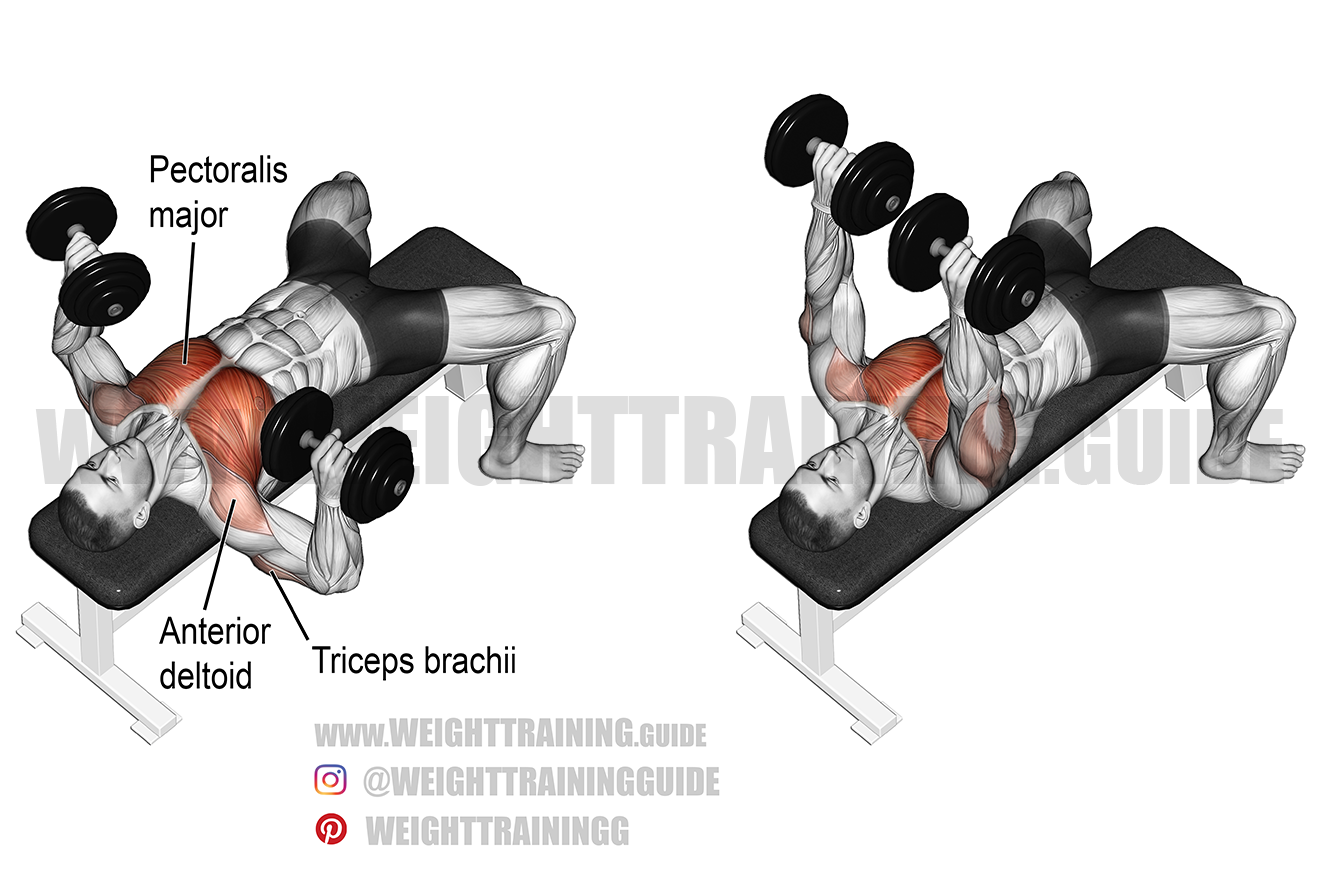
The bench press mainly works the chest muscles, called the pectorals. It also uses the shoulders (deltoids) and the triceps at the back of your arms. These muscles work together to push the bar away from the body.
There are several types of bench press:
- Flat bench press: Lie flat and press the bar straight up.
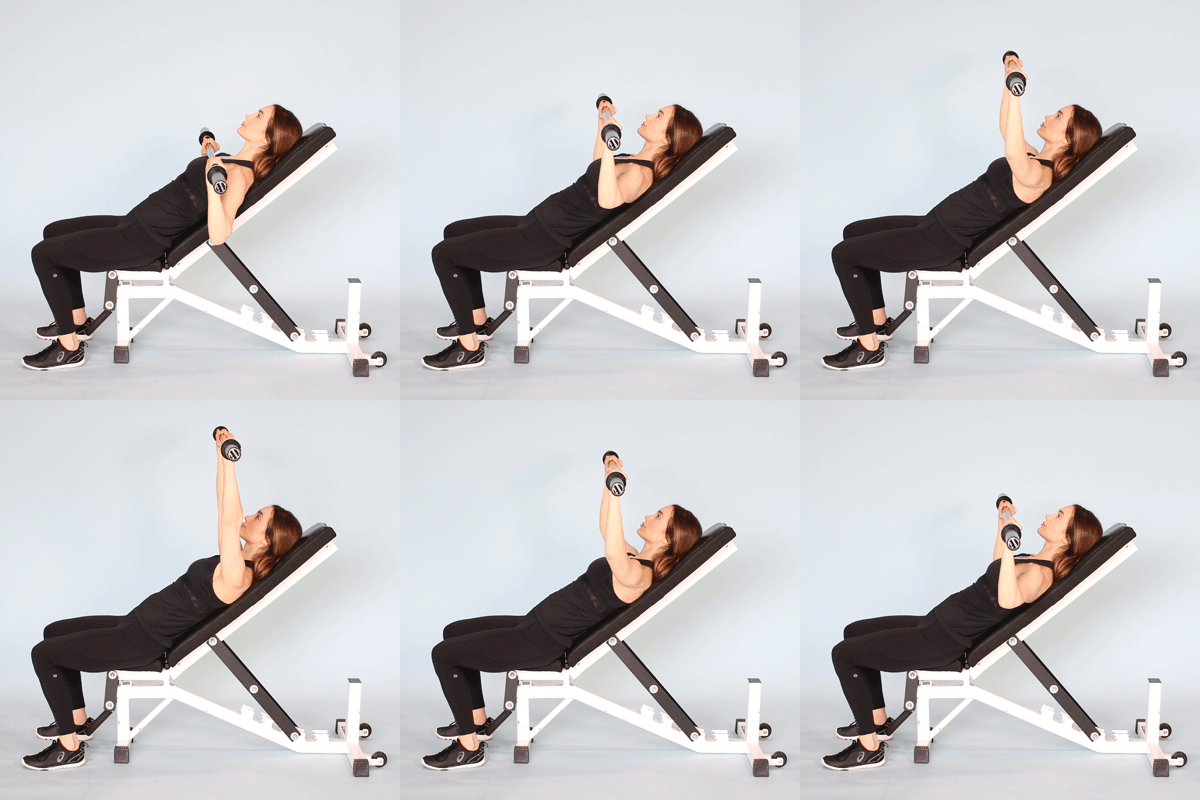
- Incline bench press: Bench is tilted up to target upper chest.
- Decline bench press: Bench is tilted down to focus on lower chest.
- Close grip bench press: Hands are placed closer to work triceps more.
Choosing The Right Bench
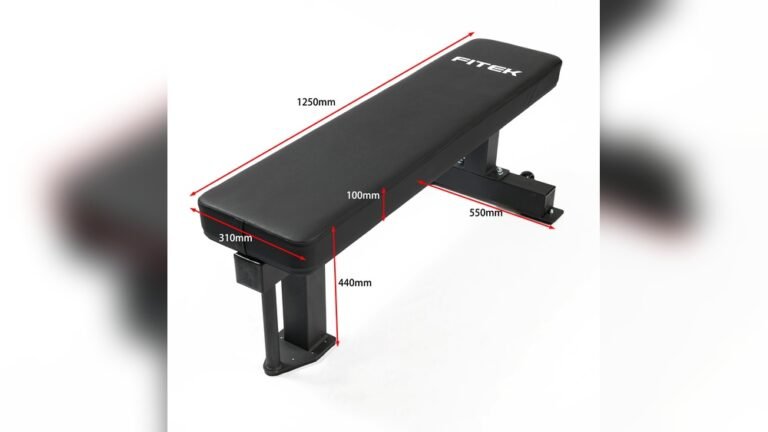
The choice between flat, incline, and decline benches depends on your workout goals. A flat bench is best for general chest exercises. An incline bench targets the upper chest and shoulders. A decline bench focuses on the lower chest area. Each bench offers a unique angle to work different muscles.
Material plays a big role in durability. Steel frames are strong and long-lasting. The padding should be thick and comfortable to support your back well. A bench must be stable to avoid any wobbling during lifts.
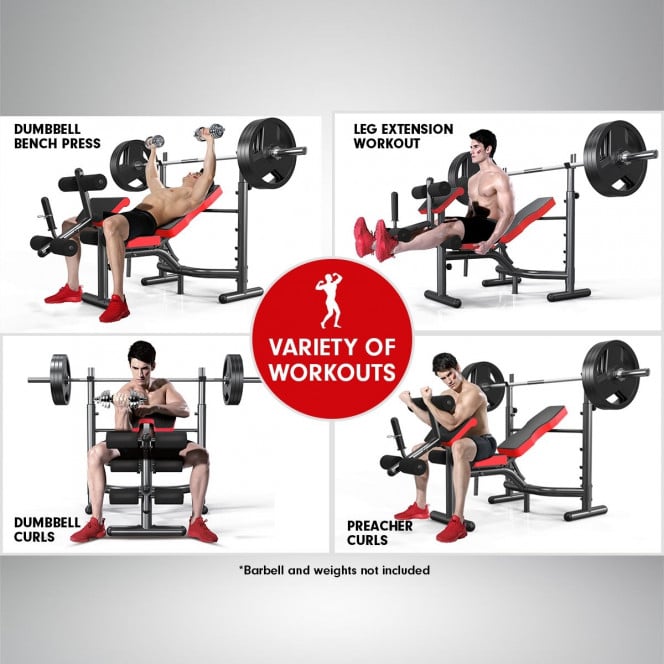
Adjustability makes a bench more versatile. Look for benches that adjust smoothly between angles. Multiple positions help you change exercises easily. Quick adjustment features save time during workouts.
Proper Setup
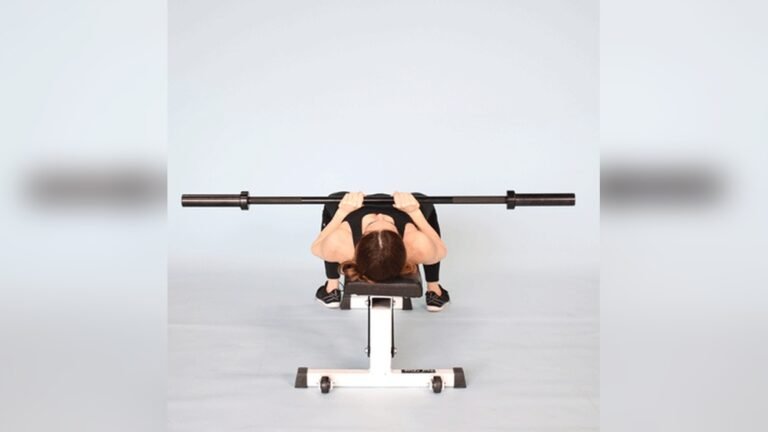
Lie flat on the bench with your eyes under the bar. Keep your back slightly arched and shoulders tight. Your chest should be up to create a strong base.
Place your hands evenly on the bar, slightly wider than shoulder width. This grip helps balance and power during the lift. Avoid a grip too wide or narrow to reduce injury risk.
Keep your feet flat on the floor, directly under or slightly behind your knees. This position helps stabilize your body and maintain balance while pressing.
Executing The Lift
Keep the bar path steady. Lower the bar in a straight line to your chest. Control the movement to avoid bouncing. Push the bar back up along the same path. This helps keep balance and safety.
Take a deep breath before lowering the bar. Hold your breath to create tightness in your chest and core. Exhale only after pushing the bar past the sticking point. This breathing method boosts power and stability.
Pause briefly when the bar touches your chest. This prevents using momentum and trains strength. At the top, lock out your elbows fully. This ensures full range of motion and proper muscle engagement.
Common Mistakes
Elbow positioning errors can reduce your bench press effectiveness. Keeping elbows too wide strains your shoulders. Elbows too close limits chest engagement. Aim for a 45-degree angle to protect joints and maximize power.
Overarching the back is a common mistake. Too much arch can cause lower back pain and injury. Keep your back pressed lightly against the bench. Maintain a natural curve without lifting your ribs too high.
Uneven bar movement means the bar doesn’t move straight up and down. This causes imbalanced muscle use and increases injury risk. Focus on pushing the bar evenly with both arms. Keep the bar path controlled and smooth.
Credit: www.healthline.com
Safety Tips
Always use a spotter to help lift the bar if you struggle. A spotter keeps you safe and prevents accidents. Make sure your spotter knows how to assist properly before starting.
Start with a proper warm-up. Warming up muscles reduces injury risk. Try light sets or stretches before heavy lifting. This helps your body prepare and improves performance.
Check all equipment carefully. Ensure the bench is stable and the barbell is secure. Look for any cracks or loose parts. Safety clips on the barbell prevent weights from slipping. Fix any problems before lifting.
Programming For Strength
Set and rep schemes depend on your goal. For building strength, use 3-5 sets of 3-6 reps. Keep the weight heavy enough to challenge your muscles but not too heavy to lose form.
Progressive overload means gradually increasing the weight or reps. This helps muscles grow and get stronger over time. Add small amounts of weight each week or increase reps.
Rest is very important. Take about 2-3 minutes of rest between sets. This allows muscles to recover and lift heavy again.
Also, get enough sleep and eat well to help your body repair. Recovery helps you avoid injury and stay strong for your next workout.
Credit: www.shoshitamam.com
Advanced Techniques
Pause reps improve control and strength by holding the bar on your chest briefly. This removes momentum and forces your muscles to work harder. Try pausing for one to two seconds before pressing up.
Tempo training controls the speed of each lift phase. For example, lowering the bar slowly for 3-4 seconds, pausing, then pressing up quickly. This builds muscle and improves form.
Board presses use wooden boards placed on the chest to limit the bar’s range of motion. This targets specific parts of the lift and helps improve lockout strength. Start with one or two boards and increase as you get stronger.
Accessory Exercises
Triceps strengthening exercises help push the barbell during bench press. Close-grip bench presses and tricep dips build stronger arms. These moves improve your pressing power.
Shoulder stability is key for safe bench pressing. Use dumbbell shoulder presses and external rotations to protect your joints. Stable shoulders reduce injury risk.
Upper back support keeps the bar steady. Rows and face pulls target the upper back muscles. Stronger back muscles improve your bench press form and control.
Troubleshooting Plateaus
Adjusting your form can help break through plateaus. Keep your wrists straight and grip firm. Lower the bar slowly, touching the chest softly. Avoid bouncing the bar off your chest. Engage your shoulder blades by pinching them together. This creates a stable base and protects your shoulders.
Changing workout intensity helps muscles grow. Use heavier weights with fewer reps sometimes. Other times, use lighter weights and more reps. This variation challenges muscles in new ways and prevents boredom.
Deload weeks allow your body to recover. During these weeks, lift lighter weights or do fewer sets. This helps reduce fatigue and lowers injury risk. After deloading, strength and energy often improve.
Credit: www.excelcare24.co.uk
Frequently Asked Questions
How To Use A Bench Press Correctly?
Lie back on the bench with feet flat. Grip the bar shoulder-width. Lower it to your chest slowly. Pause briefly, then push the bar up until arms straighten. Keep your back slightly arched and shoulders retracted for stability.
Is It True That Only 1% Of The World Can Bench 225?
Only about 1-2% of the general population can bench press 225 pounds. This feat is rare outside trained lifters.
What Is The 5 3 1 Method Of Bench Press?
The 5/3/1 bench press method cycles through sets of 5, 3, and 1 reps. It increases strength by using progressive overload with controlled intensity.
How Rare Is A 225lb Bench Press?
A 225lb bench press is moderately rare among average gym-goers but common for experienced lifters. It indicates solid upper-body strength.
Conclusion
Using a bench press bench correctly improves your workout safety and results. Focus on proper form and controlled movements each time. Adjust the bench and weights to fit your strength and goals. Consistency and patience help build muscle and avoid injury.
Keep practicing these tips to enhance your bench press routine. Your progress depends on steady effort and smart technique.
I am a certified fitness coach with over 10 years of experience helping people improve their strength, endurance, and overall health. Specializes in workout programming, weight training, fat loss, muscle building, home fitness, and evidence-based nutrition.My goal is to make fitness simple and practical through well-researched guides, honest product reviews, and actionable training advice.