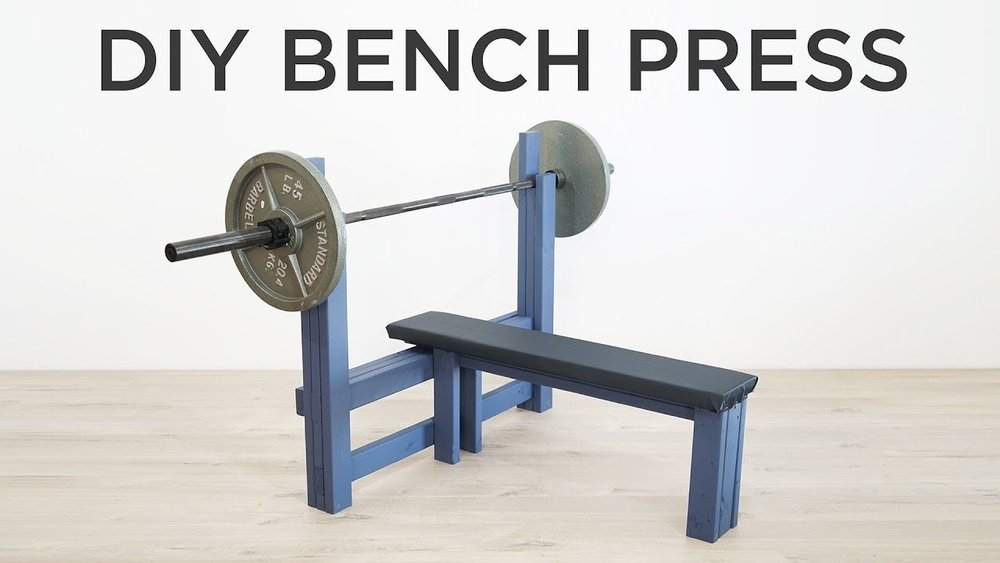
Looking to upgrade your bench press setup without breaking the bank? You’re in the right place.
Whether you’re short on space, budget, or just love a good project, these DIY hacks for your bench press bench will transform your home workouts. Imagine having a sturdy, customized bench built by you—designed to fit your needs perfectly. Stick around, and you’ll discover simple, effective ways to create or improve your bench press bench using everyday materials.
Ready to boost your strength training with smart, easy hacks? Let’s dive in!
Choosing The Right Materials
Wood types like oak, maple, and pine are common choices. Oak and maple offer great durability and support heavy weights well. Pine is softer but easier to work with and lighter. Using plywood layered boards can also add strength at a lower cost.
Metal frames are strong and long-lasting. They resist bending and can hold very heavy loads. However, metal requires welding skills and tools. Wood frames are easier to build at home and allow for more customization.
| Material | Durability | Cost | Ease of Use |
|---|---|---|---|
| Oak Wood | Very High | High | Moderate |
| Pine Wood | Moderate | Low | Easy |
| Metal Frame | Very High | Moderate to High | Hard (Welding needed) |
| Plywood Layers | High | Low | Easy |

Credit: opcionesadministrativas.com
Building A Stable Base
To build a stable bench press base, start with a wide and solid frame. Use thick wood or metal for the main supports. This ensures balance and strong support during lifts. Secure all joints tightly using heavy-duty screws or bolts. Loose fasteners can cause wobbling or accidents.
Add non-slip features like rubber pads or textured tape under the legs. This stops the bench from sliding on smooth floors. Check all connections before each use to keep the bench safe and steady. A well-built base improves your lifting experience and helps prevent injuries.
Customizing Bench Height And Width
Customizing bench height and width is important for a safe workout. Ergonomic considerations help reduce strain on your shoulders and back. A bench that is too high or too low can cause discomfort and poor form.
Adjustable bench designs allow you to change height and width easily. This flexibility fits different exercises and users. You can use hinges or sliding parts to make adjustments.
Fitting your body type means the bench should support your natural posture. Wider benches offer more comfort for broad shoulders. Narrower benches help keep your arms close to the body.
Incorporating Incline And Decline Options
Simple mechanisms like adjustable brackets or sliding pins work well for angle adjustment. These allow quick changes between incline, flat, and decline positions. Using a hinge with locking holes is an easy option. A metal frame with multiple slots also helps set different angles.
Having multiple angles increases workout variety. It targets different muscle groups, improving strength and shape. Incline presses focus on the upper chest, while decline presses target the lower chest. This variety helps avoid plateaus and boosts overall fitness.
- Use a simple pin system for fast angle changes.
- Build a hinged backrest with secure locking points.
- Add a sliding rail to adjust the bench position easily.
- Repurpose strong wood or metal parts for durability.
Padding And Upholstery Tips
Choosing comfortable foam is key for a good bench press bench. High-density foam offers better support and lasts longer. Look for foam that is at least 2-3 inches thick to avoid discomfort during workouts. Soft foam may feel nice but wears out quickly.
Covering materials affect both grip and durability. Vinyl and leather covers are popular because they are easy to clean and resist sweat. Fabric covers can be comfy but may absorb moisture and tear faster. A textured cover helps prevent slipping.
Simple upholstery techniques save time and money. Use a staple gun to attach foam and cover tightly to the bench frame. Make sure the cover is smooth and wrinkle-free to avoid pressure points. Adding extra staples at corners keeps the material secure.
Adding Storage And Accessories
Built-in weight storage keeps your space tidy and safe. Use sturdy hooks or metal pegs on the bench sides to hold plates. This saves floor space and makes weights easy to reach.
Attachment points for bands and straps add workout options. Install eye bolts at the bench ends or underneath. These let you use resistance bands or straps for extra exercises.
Phone or tablet holders help keep devices visible and secure. Attach a small shelf or clip near the bench. This makes watching workout videos or tracking progress simple and hands-free.
Safety Enhancements
Spotter arms and safety bars are essential for safe bench pressing. They catch the barbell if it slips, preventing injuries. You can install adjustable spotter arms on your bench frame for added protection.
Reinforce the bench by tightening all bolts and adding extra braces. Stronger joints help the bench hold heavier weights safely. Use metal brackets or wooden supports under the bench for better strength.
Perform regular maintenance checks to ensure safety. Inspect the bench for cracks, loose screws, or worn parts. Replace damaged components immediately. Keeping the bench in good shape avoids accidents and improves workout confidence.
Alternative Bench Press Setups
Using chairs or sturdy surfaces can replace a bench for pressing exercises. Choose a chair that does not wobble and can hold your weight safely. Place it so your upper back rests on it while your feet stay flat on the floor. This setup helps keep your body stable during lifts.
Floor press is another option. Lie flat on your back with the barbell or dumbbells above your chest. Press the weight upwards and lower it slowly. The floor limits your arm movement, reducing strain on your shoulders.
For an incline press, use a few firm cushions or stacked pillows to lift your upper back. This creates an angled surface to target different chest muscles. Make sure the surface is secure to avoid slipping during the exercise.
Progressive Overload Strategies
Tracking your bench press progress helps you see real gains. Use a notebook or app to write down weights, reps, and sets. This shows how much you improve over time. Take photos or videos sometimes to compare your form and strength.
Gradual weight increases are key. Add small amounts of weight each week, like 2.5 or 5 pounds. This steady rise helps muscles grow without injury. Avoid big jumps that cause strain or hurt your progress.
Incorporating accessory exercises supports your bench press. Try push-ups, dumbbell presses, or tricep dips. These exercises strengthen muscles used in bench pressing. Stronger muscles help you lift heavier weights safely and with better form.
Credit: www.pamsteele.org
Maintaining Motivation And Consistency
Set clear and realistic strength goals to stay motivated. Start with weights you can handle comfortably. Gradually increase the weight as you get stronger. This helps avoid frustration and injury. Keep your goals simple and achievable.
Create a workout schedule and stick to it. Consistency is key for progress. Plan sessions at the same time each day or week. Even short workouts add up over time. Write your plan down or use a calendar to stay on track.
Join a community or find workout buddies. Sharing progress and challenges helps keep you motivated. Group challenges or friendly competitions can make workouts fun. Support from others encourages you to push harder and stay committed.

Credit: gym-mikolo.com
Frequently Asked Questions
What Can I Use As A Bench For Bench Press At Home?
Use a sturdy chair, bench, or stable surface for bench press at home. DIY benches with wood or pallets also work well. Ensure stability and proper height for safe lifting.
How To Make A Bench Press Bench At Home?
Build a sturdy wooden frame using 2×6 lumber. Attach a flat, padded surface securely on top. Ensure stability by reinforcing corners with screws and brackets. Sand edges smooth. Add foam and durable vinyl for comfort. Test weight capacity before use.
This DIY bench suits home workouts safely and affordably.
How Much Should A 170 Lb Man Bench Press?
A 170 lb man should bench press about 135-170 lbs as a beginner. Intermediate lifters can aim for 170-210 lbs. Advanced lifters may press 210-255 lbs or more. Focus on proper form and gradual weight increase to build strength safely.
What To Use If You Don’t Have A Bench Press?
Use push-ups, dumbbell chest press, floor press, or dips as effective bench press alternatives at home.
Conclusion
Building your own bench press bench saves money and customizes your workout. Simple materials and clear steps make the project easy. These DIY hacks help create a sturdy, safe bench at home. Experiment with designs to fit your space and needs.
Consistent use improves strength and confidence in your lifts. Start small, stay safe, and enjoy your fitness journey.

I am a certified fitness coach with over 10 years of experience helping people improve their strength, endurance, and overall health. Specializes in workout programming, weight training, fat loss, muscle building, home fitness, and evidence-based nutrition.My goal is to make fitness simple and practical through well-researched guides, honest product reviews, and actionable training advice.