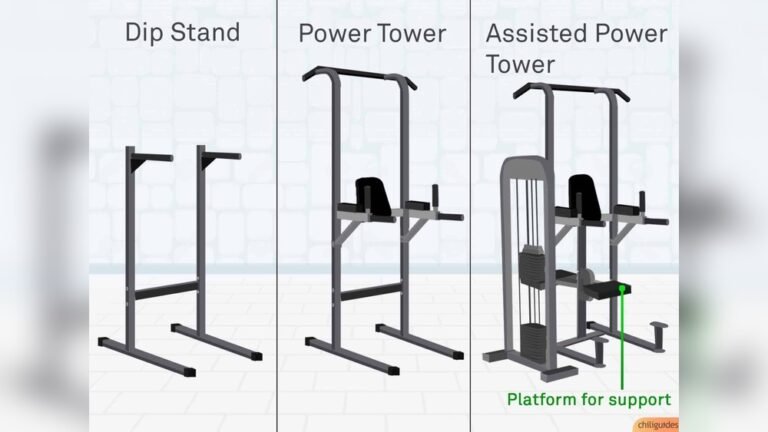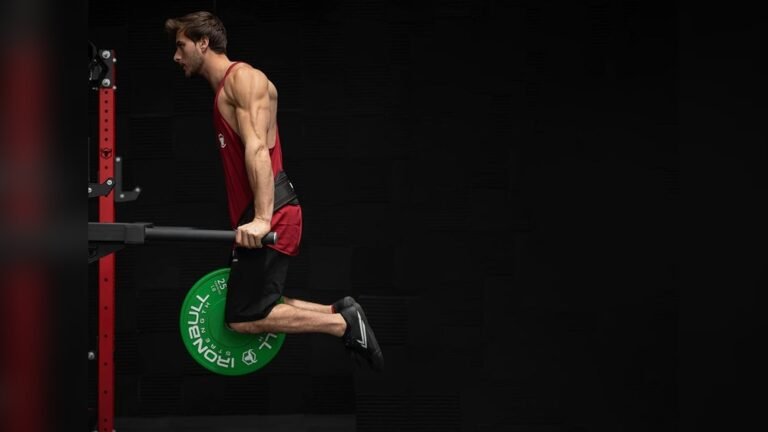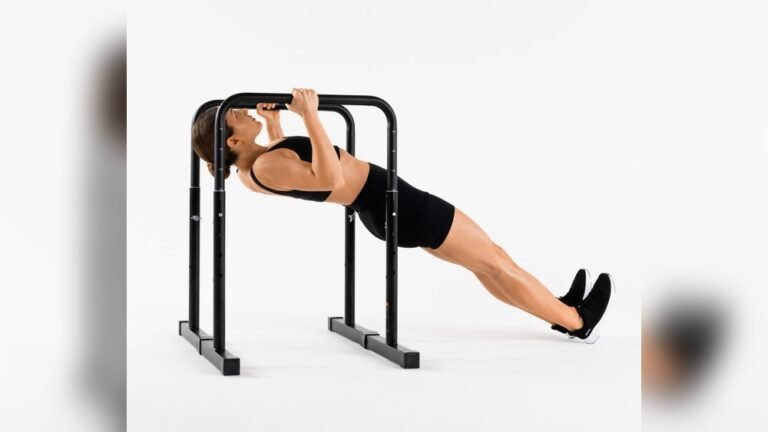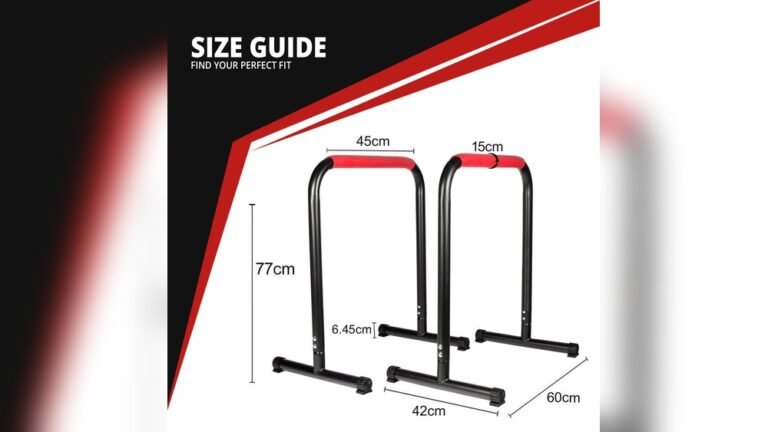
Looking to build strong, defined chest and triceps muscles but don’t have access to a dip station? You’re not alone.
Many fitness enthusiasts face this challenge but don’t realize that with a few smart DIY hacks, you can create your own dip station right at home. Imagine boosting your upper body strength and muscle tone using simple materials you already have.
You’ll discover easy, budget-friendly ways to set up your dip station, plus effective alternatives to dips that keep your workouts fresh and exciting. Ready to take your training to the next level? Keep reading and transform your workout space today!
Dip Bar Alternatives
Dip bars are great for upper body workouts, but not everyone has access to them. Many effective alternatives target the same muscles without special equipment. These options help keep your routine varied and challenging. Try different methods to find what fits your space and needs.
Bodyweight Options
Bodyweight exercises require no tools and still build strength effectively. Standard push-ups engage the chest, shoulders, and triceps. Change hand positions to diamond or close-grip push-ups for more triceps focus. Incline and decline push-ups change difficulty and muscle emphasis. Chair dips use two sturdy chairs or benches for support. Place your hands on the edges and lower your body slowly. This mimics dip motion using just your body weight.
Equipment-based Substitutes
Simple gym gear can replace dip bars well. Dumbbell presses, both flat and incline, target the same muscles. Close-grip bench presses emphasize the triceps and chest. Cable machines offer triceps pushdowns for constant muscle tension. Gymnastics rings or suspension trainers provide instability, increasing core and stabilizer work. These tools add variety and can improve your dip strength.
Using Household Items
Household objects often serve as dip bar alternatives. Two sturdy chairs placed parallel can work as dip bars. Make sure they are stable to avoid injury. A countertop edge or sturdy table can support your weight for dips or push-up variations. Use a pull-up bar at home for assisted dips or leg raises. Everyday items can turn your home into a mini gym without extra cost.
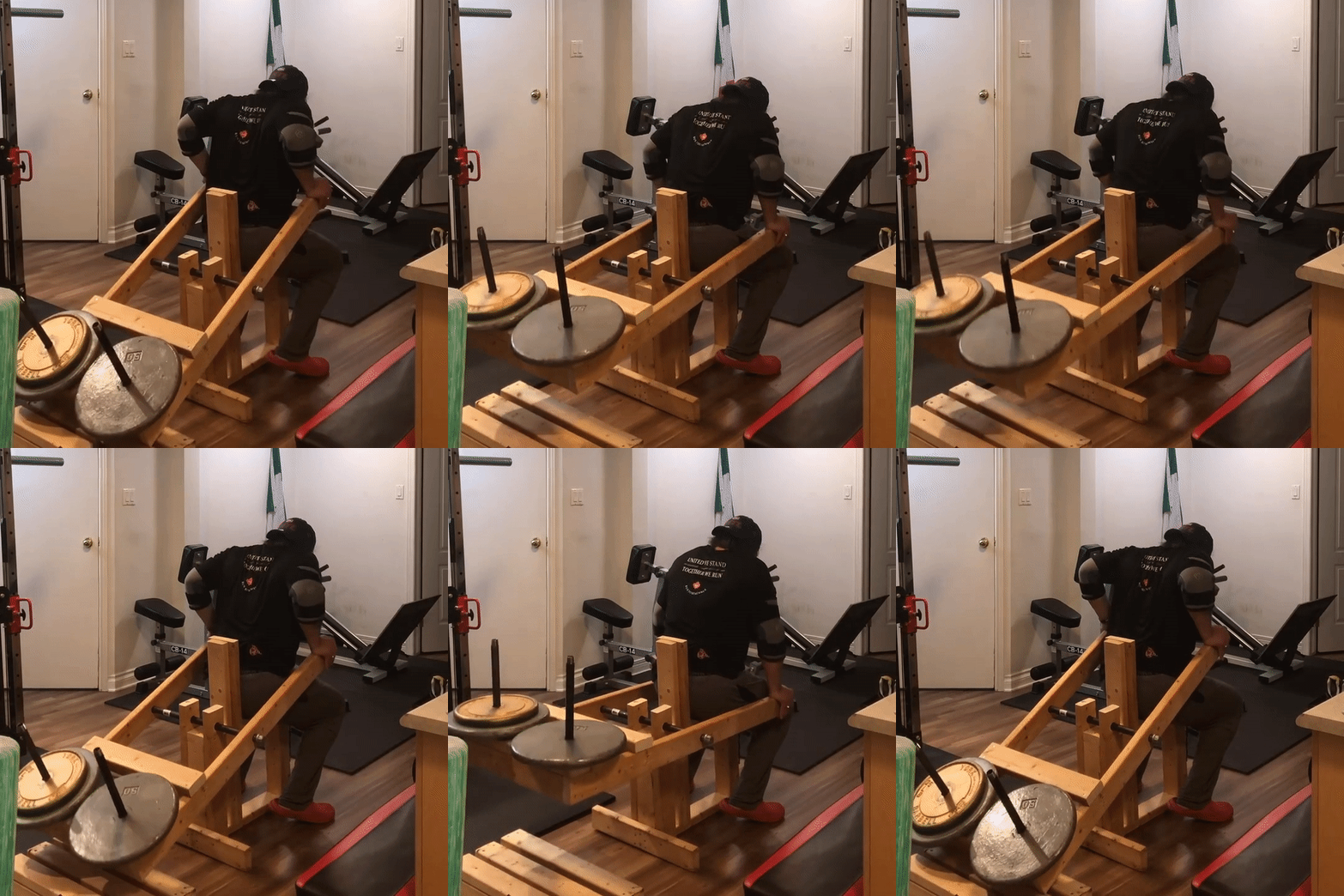
Credit: www.kaizendiygym.com
Push-up Variations
Push-ups are a simple and effective way to build upper body strength. Using a dip station or its alternatives, you can try different push-up styles. Each variation targets muscles in a unique way. This keeps workouts interesting and helps avoid plateaus.
These push-up versions focus on the chest, shoulders, and triceps. They work well for those who want to train without extra equipment. Let’s explore some popular push-up variations you can do at home or with a dip station.
Standard And Close-grip
Standard push-ups are the classic form. Hands are shoulder-width apart, keeping the body straight. This works the chest, shoulders, and triceps evenly. It also improves core stability.
Close-grip push-ups bring your hands closer, just under your chest. This targets the triceps more than the standard version. It also adds intensity to your workout.
Incline And Decline Styles
Incline push-ups place your hands on a raised surface. This makes the exercise easier and focuses on the lower chest. It’s great for beginners or warm-ups.
Decline push-ups have your feet elevated on a platform. This increases the difficulty and targets the upper chest and shoulders. It helps build strength for advanced exercises.
Diamond Push-ups
Diamond push-ups form a diamond shape with your hands under your chest. This variation puts more stress on the triceps. It also works the inner chest and shoulders effectively.
This style is harder than standard push-ups. Use it to add variety and challenge your muscles in new ways.
Chair Dip Techniques
Chair dip techniques offer an easy way to strengthen your triceps, chest, and shoulders. Using a simple chair, you can perform dips at home without special equipment. These exercises improve upper body strength and help tone muscles. Let’s explore some basic and advanced chair dip moves you can try.
Basic Chair Dips
Start by sitting on the edge of a sturdy chair. Place your hands beside your hips, gripping the chair’s edge. Move your body forward, keeping your feet flat on the floor. Slowly bend your elbows to lower your body. Keep your back close to the chair. Push back up to the starting position. Repeat for 8 to 12 reps.
Basic chair dips target your triceps and help build arm strength. Maintain steady control and avoid swinging. Keep your shoulders down and away from your ears. This form prevents injury and maximizes muscle work.
Advanced Variations
To increase difficulty, extend your legs straight out in front. This adds more weight for your arms to lift. Another option is to place your feet on a second chair or bench. This raised position makes dips harder and improves balance.
Try adding a pause at the bottom of each dip. Hold for two seconds before pushing up. This increases muscle tension and builds endurance. For more challenge, use a weighted backpack or hold a dumbbell on your lap.
Advanced chair dips build greater strength and muscle definition. Focus on slow, controlled movements. Avoid locking your elbows at the top. This keeps tension on the muscles and reduces joint strain.

Credit: www.youtube.com
Bench Press Alternatives
Bench press exercises build strong chest, shoulders, and triceps. Many people do not have access to a bench or barbell at home. DIY dip stations offer a great place to work upper body muscles. Yet, bench press alternatives help target the same muscles without a traditional setup. These exercises use dumbbells or body weight to keep workouts effective and varied.
Flat And Incline Presses
Flat presses focus on the middle chest. Lie on a flat surface like a sturdy bench or floor. Push dumbbells or a barbell up and lower them slowly. Incline presses work the upper chest and shoulders. Set the bench at a 30 to 45-degree angle. Press weights upward in a controlled motion. Both flat and incline presses build strength and muscle without a dip station. They also improve pressing power and stability.
Dumbbell Flyes And Squeeze Press
Dumbbell flyes stretch and contract chest muscles deeply. Lie on a flat or incline surface. Hold dumbbells above the chest with arms slightly bent. Slowly open arms wide, then bring them back together. The squeeze press combines pressing and flye motions. Press dumbbells together as you push upward. This keeps tension on the chest muscles longer. These exercises improve muscle shape and control. They add variety to pressing routines without heavy equipment.
Cable And Suspension Exercises
Cable and suspension exercises add variety and challenge to dip station workouts. They engage muscles in new ways, improving strength and stability. These exercises use cables or body weight suspension to create resistance.
Incorporate them into your routine for balanced upper body training. Below are some effective exercises to try with simple DIY setups.
Triceps Pushdowns
Triceps pushdowns focus on the back of your arms. Use a cable system or resistance bands attached above. Keep your elbows close to your body and push down until your arms are straight.
This move builds triceps strength, helping with dips and push movements. It’s simple and effective for home gyms.
Cable Flyes
Cable flyes target the chest muscles deeply. Attach cables or bands to a stable point on either side. Keep a slight bend in your elbows and bring your hands together in front of you.
This exercise improves chest shape and control. It helps develop strength for pushing exercises on the dip station.
Gymnastics Rings And Suspension Trainers
Gymnastics rings or suspension trainers offer a full-body challenge. Hang them from a sturdy bar or ceiling mount. Perform dips, push-ups, or rows with your body weight.
The unstable nature of rings forces your stabilizer muscles to work harder. This improves balance, core strength, and muscle coordination.
Diy Dip Station Builds
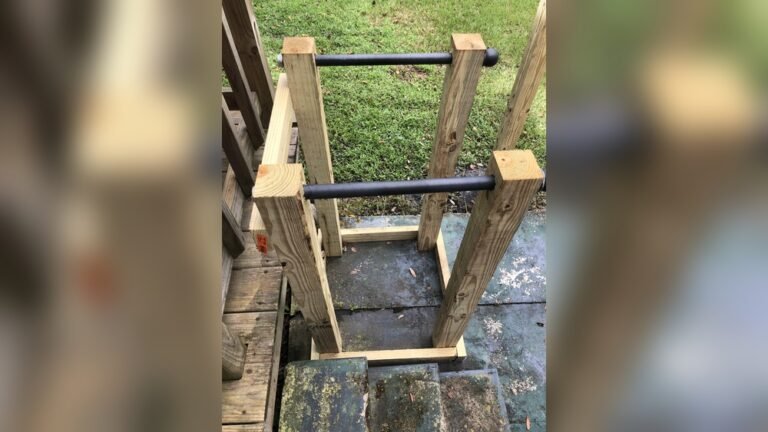
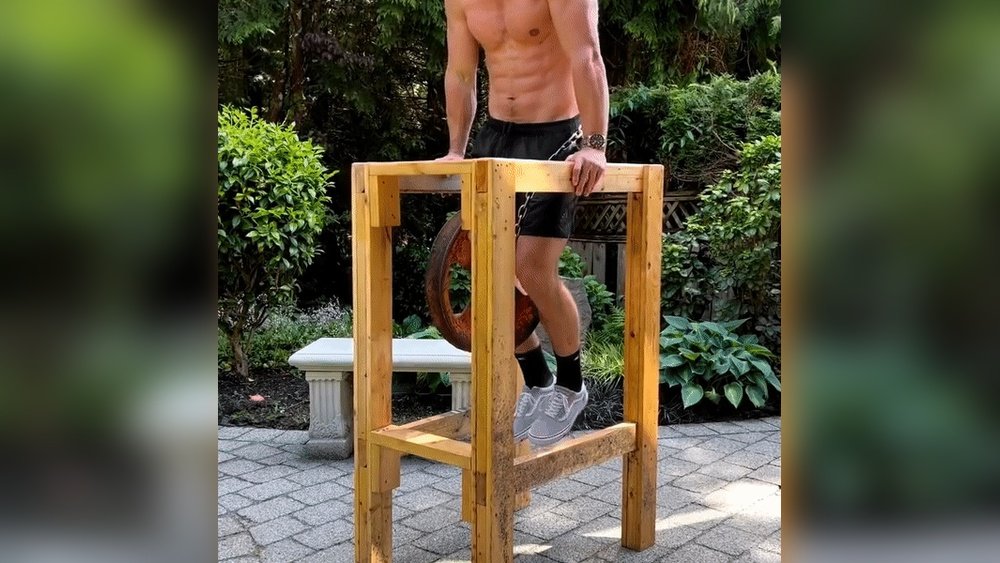
Building a dip station at home saves money and space. It offers a custom workout tool for strength training. DIY dip station builds use simple materials. These projects suit beginners and fitness enthusiasts alike.
Creating your dip station lets you control size and style. It fits small apartments or large home gyms. Below are easy ideas for DIY dip stations you can build today.
Pvc Pipe Parallettes
PVC pipes make affordable parallettes for dips and push-ups. They are lightweight and easy to assemble. Cut pipes to equal lengths and connect with elbow joints. Use end caps for safety and stability.
This setup supports your weight during dips. It also helps improve wrist position for push-ups. PVC parallettes are portable and store easily after workouts.
Portable Dip Bars
Portable dip bars fold or break down for easy transport. Use metal pipes or sturdy wooden planks for the frame. Add rubber grips for comfort and grip during exercises.
These bars fit small spaces and are perfect for travel. Carry your dip station to parks or gyms. Quick assembly makes them convenient for daily workouts.
Using Parallettes
Parallettes work well for dips, L-sits, and push-ups. They strengthen the chest, shoulders, and triceps muscles. Using parallettes reduces wrist strain compared to floor exercises.
Adjust height and width to fit your body size. Practice dips slowly to build strength and avoid injury. Parallettes also improve balance and core stability.
Benefits Of Dip Training
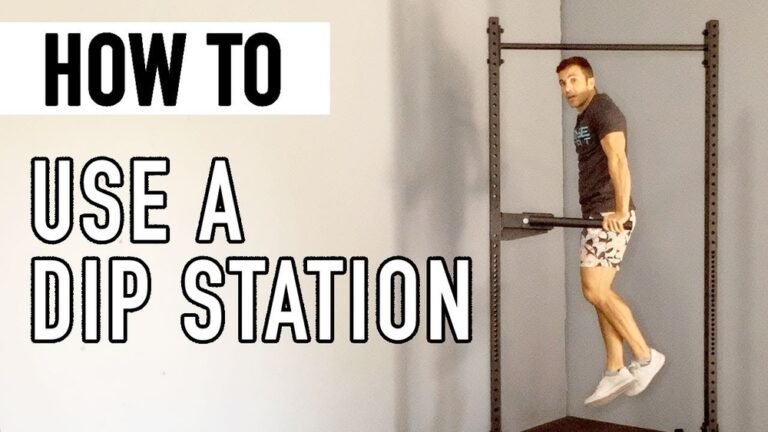
Dip training offers many benefits for anyone wanting to improve fitness. It uses your own body weight to build strength and muscle. This makes it simple and effective for home workouts. Dips work several muscles at once, saving time and effort.
Using a dip station or a DIY setup allows you to train without heavy equipment. This training style also improves how you move in daily life. It helps posture and builds endurance for longer activities.
Muscle Growth And Strength
Dips focus on the chest, triceps, and shoulders. These muscles grow stronger with regular dip training. The exercise targets the long head of the triceps, which many other moves miss. Stronger muscles improve your overall upper body power.
Bodyweight dips create resistance that challenges muscles to adapt and grow. You can increase difficulty by adding weight or changing form. This makes dips useful for beginners and advanced lifters.
Improved Endurance
Dip training builds muscular endurance by forcing muscles to work longer. This helps your arms and chest perform better during daily tasks. Endurance gains reduce fatigue and improve workout recovery.
Doing dips regularly increases stamina in your upper body. It also helps with other exercises like push-ups and pull-ups. Improved endurance supports overall fitness and health.
Posture And Functional Fitness
Dips strengthen muscles that support good posture. Strong shoulders and back muscles keep your spine aligned. This reduces pain and risk of injury.
Functional fitness means training for real-life movements. Dips mimic pushing motions used in many activities. Better functional fitness makes daily tasks easier and safer.
Using a dip station at home or outdoors helps maintain these benefits. Consistent dip training improves both strength and movement quality.
Avoiding Common Risks
Building and using a dip station at home offers great workout benefits. Yet, it comes with risks that can cause injuries or slow progress. Avoiding these common risks keeps your exercises safe and effective. Awareness and smart habits help protect your muscles and joints. Focus on form and listen to your body for the best results.
Preventing Overuse Injuries
Overuse injuries happen when you train the same muscles too much. They cause pain, swelling, and reduce your strength. To prevent this, take rest days between workouts. Do not push through pain; stop if you feel discomfort. Warm up your muscles before each session. Stretch your shoulders, chest, and triceps gently. Change your exercises to work different muscle groups. Use proper form to avoid strain on joints. This approach helps your muscles recover and grow stronger.
Overcoming Plateaus
Plateaus occur when your progress stalls despite regular training. Changing your routine can break these plateaus. Add variety by adjusting the number of reps or sets. Try adding weight or slowing down your movement for more challenge. Focus on controlled motion to engage muscles better. Rest and nutrition also play key roles in progress. Track your workouts to spot patterns and improvements. Small changes keep your muscles adapting and growing.
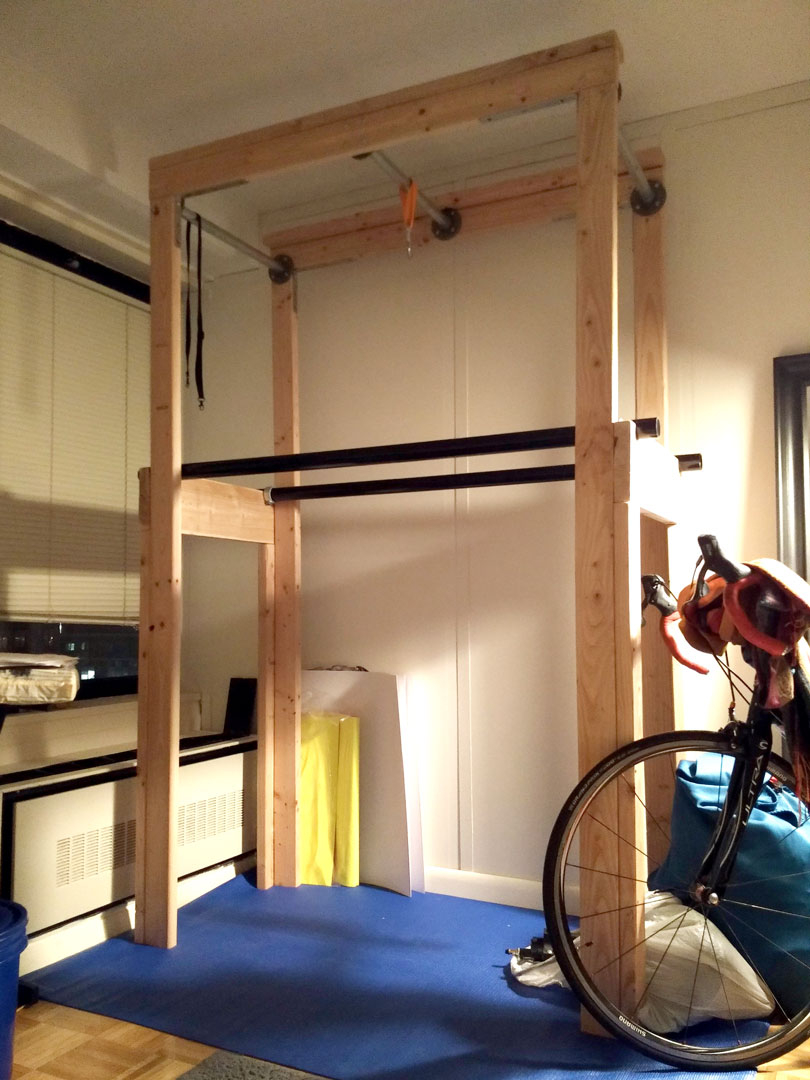
Credit: www.simplifiedbuilding.com
Frequently Asked Questions
What Can I Use Instead Of Dip Bars?
Use sturdy chairs for dips, push-up variations, close-grip bench presses, dumbbell presses, or suspension trainer exercises as dip bar alternatives.
What Will 100 Dips A Day Do?
Doing 100 dips daily significantly strengthens your chest, shoulders, and triceps. It increases muscle mass, endurance, and upper body definition. Consistent dips improve overall upper body power and tone, enhancing muscle size with proper form and recovery.
What Is An Alternative To Dips Without Equipment?
Bodyweight alternatives to dips include diamond push-ups, close-grip push-ups, and chair dips using sturdy chairs. These exercises target chest, shoulders, and triceps effectively without equipment.
How To Do Bar Dips Without Equipment?
Perform chair dips using two sturdy chairs spaced shoulder-width apart. Place hands on chairs, feet on the floor or another chair. Lower your body by bending elbows, then push up. Maintain proper form to target chest, triceps, and shoulders effectively without equipment.
Conclusion
Building a dip station at home saves money and space. Simple materials like wood or PVC work well. These DIY hacks help you stay fit without gym trips. You can customize your dip bars to suit your needs. Regular dips improve chest, shoulders, and triceps strength.
Try variations to keep workouts fresh and challenging. Stay consistent, and you will see progress fast. Enjoy the process and keep pushing your limits!
I am a certified fitness coach with over 10 years of experience helping people improve their strength, endurance, and overall health. Specializes in workout programming, weight training, fat loss, muscle building, home fitness, and evidence-based nutrition.My goal is to make fitness simple and practical through well-researched guides, honest product reviews, and actionable training advice.