If you’re serious about building upper body strength or simply want a convenient way to stay fit at home, choosing the right pull-up bar is key. But with so many types available, how do you know which one suits your space and fitness goals?
Whether you have limited room or want the most versatile setup, understanding the different pull-up bars can save you time, money, and frustration. You’ll discover the main types of pull-up bars—from door-mounted to freestanding—and learn what makes each one unique.
By the end, you’ll be ready to pick the perfect bar that fits your lifestyle and helps you crush your workouts every time. Keep reading to find out which pull-up bar is right for you!
Credit: valorfitness.com
Types Of Pull-up Bars
Pull-up bars come in different styles to fit various spaces and workout needs. Choosing the right type affects comfort and exercise variety. Each type has unique features and installation methods. Explore the common types below to understand their benefits and uses.
Doorway Bars
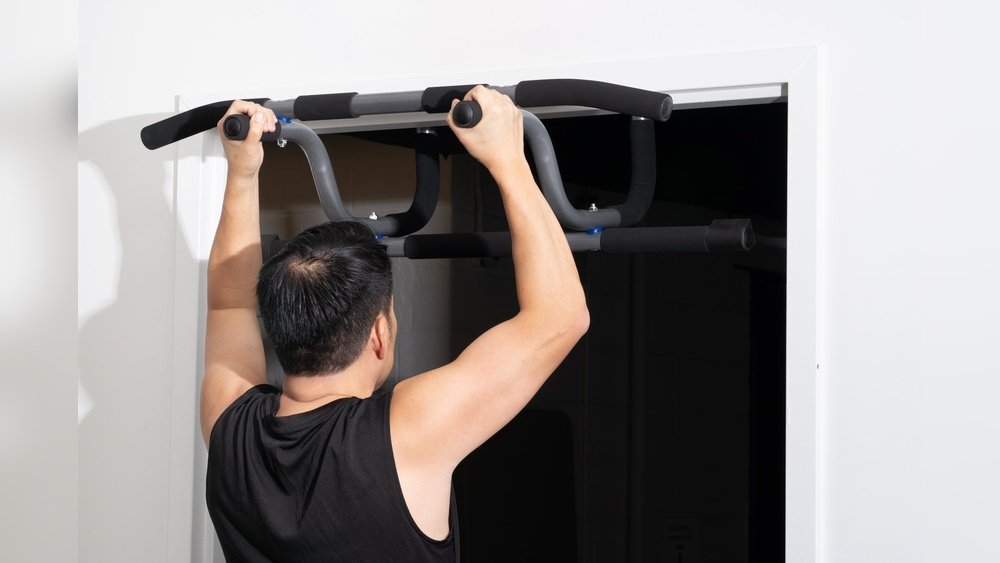
Doorway bars are simple and easy to install. They fit inside most door frames without damage. These bars allow quick setup and removal. Ideal for small spaces and beginners. However, they may have weight limits and less stability.
Wall-mounted Bars
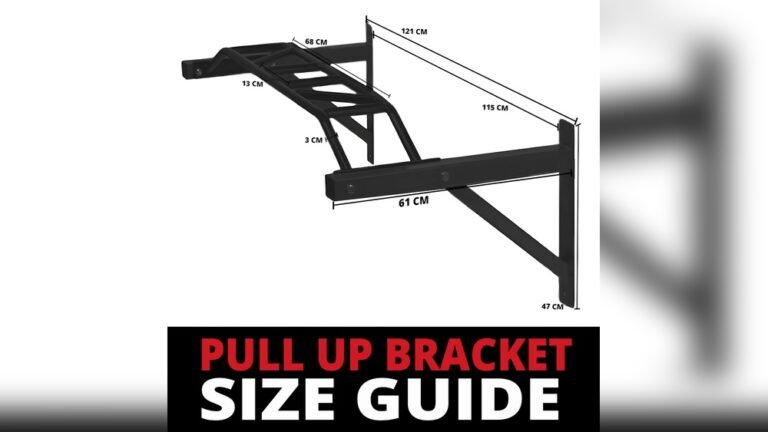
Wall-mounted bars offer strong support and stability. They require drilling into a wall for installation. Perfect for regular use and heavier users. These bars provide a fixed workout spot. They save floor space and can hold more weight.
Ceiling-mounted Bars
Ceiling-mounted bars hang from the ceiling, creating more room on the walls. They are excellent for high ceilings and garage gyms. These bars support dynamic movements and swings. Installation needs secure anchors in ceiling joists. They offer a sturdy and versatile workout option.
Freestanding Stations
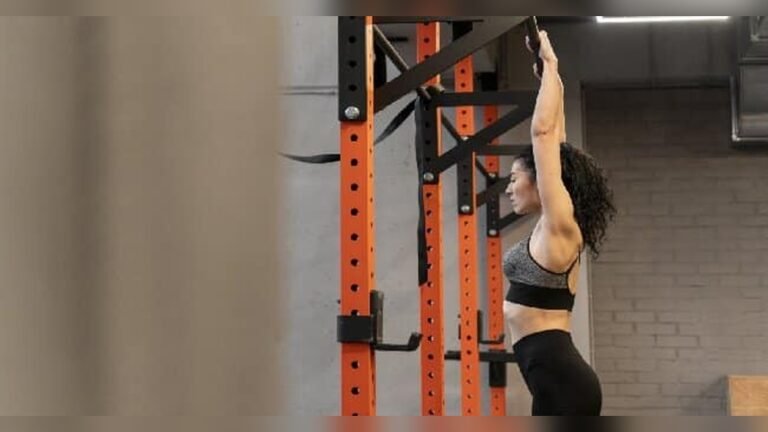
Freestanding stations come with a base, no wall or ceiling needed. They often include multiple exercise options like dip bars. Great for full-body workouts and outdoor use. These stations are bulky but movable. Suitable for those with enough floor space.
Parallel Bars
Parallel bars consist of two horizontal bars at waist height. They focus on dips, L-sits, and leg raises. Often part of freestanding stations or separate units. Perfect for bodyweight exercises targeting triceps and core. They add variety beyond traditional pull-ups.
Credit: www.pullup-dip.com
Choosing The Right Bar
Choosing the right pull-up bar is crucial for a safe and effective workout. The perfect bar fits your space, matches your fitness goals, and supports your weight. Consider these factors carefully before making a purchase. Each type of pull-up bar offers different benefits. Understanding your needs helps you pick the best one.
Space And Installation
Measure the area where you want to install the bar. Doorway bars need a standard frame size. Wall or ceiling bars require solid mounting surfaces. Freestanding bars need enough floor space. Check if you can drill holes or prefer no damage. Installation ease varies by type and model.
Workout Goals
Different bars suit different exercises. For basic pull-ups, a doorway bar works well. For advanced moves, try wall or ceiling bars. Freestanding bars allow more freedom and extra exercises. Your goals decide the bar type and features. Think about exercises you want to perform regularly.
Portability And Storage
Consider how often you will move the bar. Doorway bars are light and easy to move. Wall and ceiling bars are fixed and not portable. Freestanding bars can be heavy but sometimes foldable. If space is tight, look for bars that store easily. Portability is key for small homes or shared spaces.
Weight Capacity
Check the bar’s maximum weight limit before buying. A strong bar ensures safety during workouts. Most bars support between 200 to 400 pounds. Choose a bar with a higher limit than your body weight. This helps avoid accidents and extends bar life. Weight capacity is critical for heavy users or those adding weights.
Pull-up Bar Features
Pull-up bars come with various features that affect your workout quality. Choosing the right features can improve comfort and performance. Each feature plays a role in how you use the bar and what exercises you can perform.
Grip Options
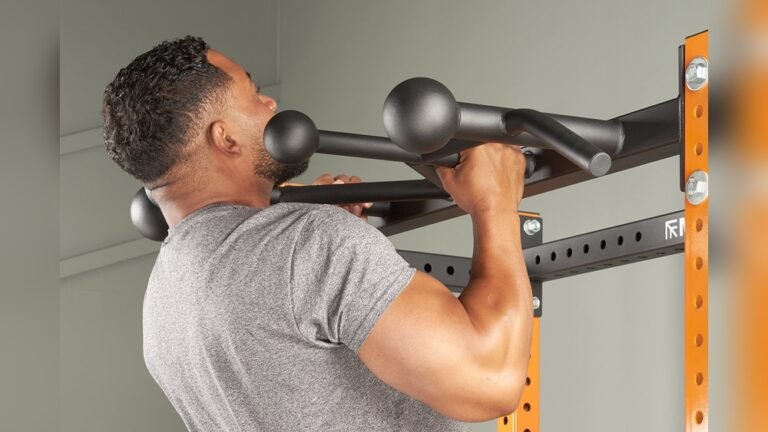
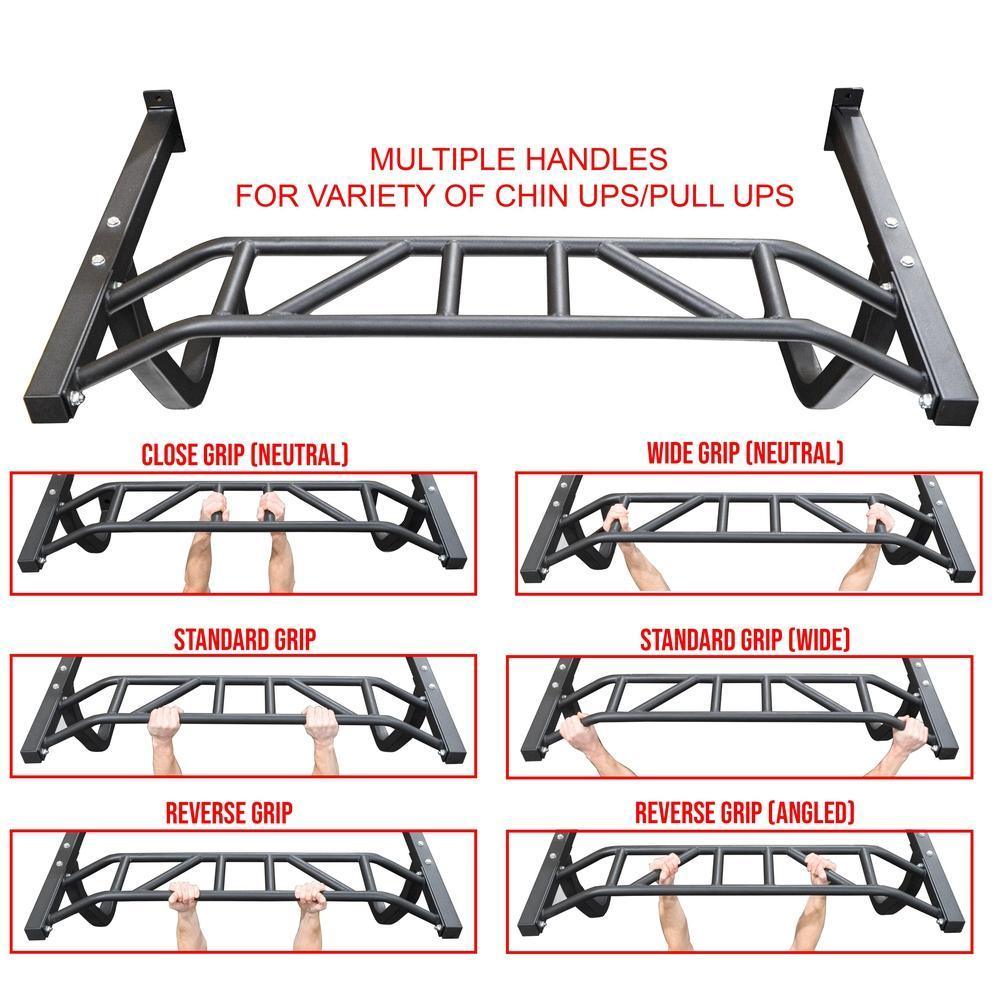
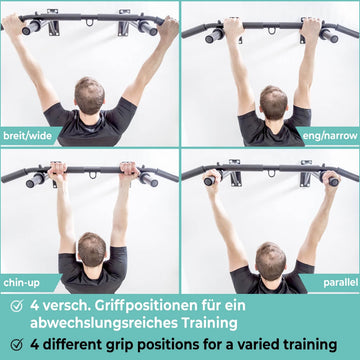
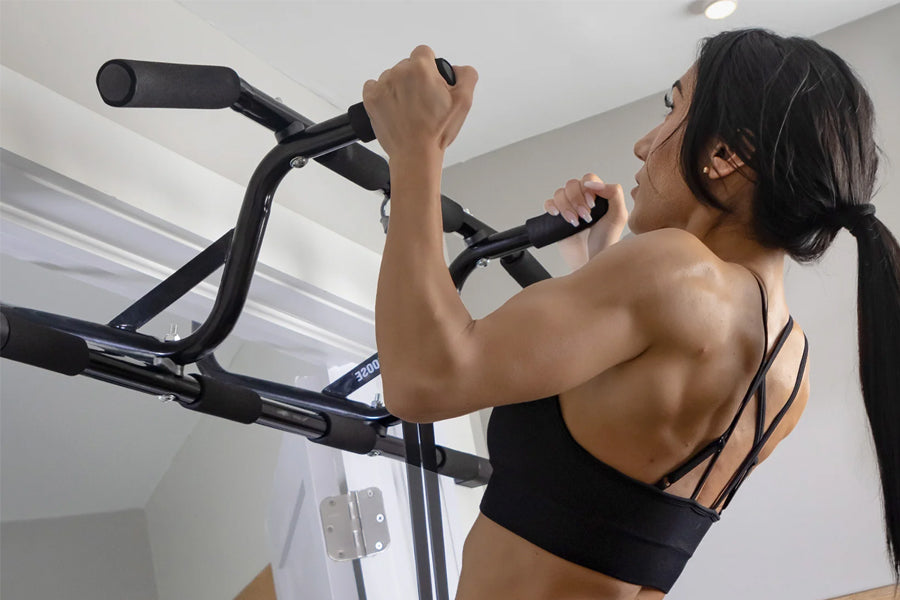
Grip variety changes how you target muscles during pull-ups. Some bars offer multiple grip positions: wide, narrow, neutral, or angled. Different grips reduce strain and help avoid injuries. Foam or rubber grips provide better hold and prevent slipping.
Adjustability
Adjustable bars fit different doorframes or wall spaces. Height and width can often be changed. This allows users of different sizes to train comfortably. Some bars also adjust for different exercise types, like chin-ups or leg raises.
Material And Durability
Strong materials ensure safety and long-term use. Steel is common due to its strength and resistance to bending. Powder coating or rust-resistant finishes protect the bar. Durable bars support heavier weights without wobbling.
Comfort And Safety
Padded grips add comfort and reduce hand fatigue. Non-slip surfaces increase safety during workouts. Secure mounting systems prevent the bar from falling or shifting. Safety features protect users and improve workout confidence.
Credit: www.dmoose.com
Popular Pull-up Bar Brands
Choosing the right pull-up bar depends on quality and brand reputation. Popular pull-up bar brands offer various designs to fit different needs. Some brands focus on home fitness, while others cater to professional gyms. Understanding these brands helps you pick a durable and safe product. The following sections highlight popular pull-up bar brands from major retailers and specialty fitness companies.
Home Depot Picks
Home Depot offers sturdy pull-up bars for home use. Their products include multifunctional bars with adjustable features. These bars fit door frames or walls and support different workout styles. Many Home Depot bars come with easy installation guides. The prices are reasonable, making them accessible for beginners.
Target Options
Target stocks affordable pull-up bars with simple designs. Most Target bars suit doorways and small spaces. They often feature lightweight materials for easy handling. Target’s pull-up bars attract casual users and those starting fitness routines. Sales and discounts make Target a budget-friendly choice.
Walmart Selections
Walmart offers a wide range of pull-up bars at competitive prices. Their selection includes freestanding and doorway models. Walmart’s bars are known for versatility and ease of use. Many come with grips to improve comfort during workouts. They cater to various fitness levels and space requirements.
Specialty Fitness Brands
Specialty brands focus on high-quality, durable pull-up bars. Companies like Rogue Fitness and Titan Fitness produce bars for serious athletes. These bars often have heavy-duty steel and advanced grip textures. Specialty brands offer wall-mounted and ceiling-mounted options. They prioritize safety and long-term use in gyms.
Pull-up Variations
Pull-up bars support many exercise styles. Pull-up variations target muscles differently. They improve strength, endurance, and control. Trying different pull-up types challenges your body in new ways. This variety keeps workouts fresh and effective.
Standard Pull-ups
Standard pull-ups use a firm grip on the bar. Your palms face away from you. Pull your chin above the bar slowly. Lower yourself with control. This move builds upper back and arm strength well. It suits beginners and advanced users alike.
Chest-to-bar
Chest-to-bar pull-ups require pulling higher than standard. You bring your chest to touch the bar. This needs more power and explosiveness. It improves muscle strength in the upper back and shoulders. This type helps athletes who want stronger pulls.
Kipping Pull-ups
Kipping pull-ups use momentum from your body. Swing your legs and hips to help pull up. This method allows more reps quickly. It combines strength with rhythm and timing. Many use kipping in CrossFit workouts for speed.
Butterfly Pull-ups
Butterfly pull-ups are fast and efficient. They use a circular motion to generate momentum. This helps complete reps without pausing. Butterfly style demands coordination and timing. It is common in high-level CrossFit training.
Benefits Of Different Pull-up Styles
Different pull-up styles offer unique benefits for your workout routine. Using various grips and techniques targets muscles differently. This variety helps improve overall fitness and prevents workout boredom.
Strength Building
Wide grip pull-ups focus on your back and shoulders. They increase upper body strength quickly. Close grip pull-ups target your arms and chest. Weighted pull-ups add resistance, making muscles work harder. Each style develops strength in specific areas.
Muscle Growth
Slow, controlled pull-ups increase muscle size effectively. Pausing at the top and lowering slowly creates more tension. Mixed grip pull-ups engage different muscle groups. This variety promotes balanced muscle growth. Changing styles prevents muscle adaptation and plateaus.
Endurance And Speed
Fast pull-ups improve muscular endurance and speed. Butterfly pull-ups use momentum to complete reps quickly. They train your body to move efficiently. High-rep sets build stamina for longer workouts. Switching styles challenges your muscles and heart.
Competition Readiness
Strict pull-ups build control and precision for contests. Chest-to-bar pull-ups help improve explosive power. Practicing different styles prepares you for any challenge. Training with varied pull-up bars mimics competition conditions. This readiness boosts confidence and performance.
Installation Tips
Installing a pull-up bar correctly is crucial for safe and effective workouts. Proper installation ensures stability and prevents accidents. Follow key tips to set up your pull-up bar securely and enjoy your exercise routine without worry.
Mounting Safety
Check the mounting surface before installation. Use solid wood studs or concrete walls for the strongest support. Avoid drywall or weak surfaces that can fail under weight. Use a stud finder to locate secure points. Tighten all bolts firmly but do not overtighten. Test the bar’s stability by applying gradual pressure before use. Safety must be your top priority during setup.
Wall And Door Compatibility
Choose a pull-up bar designed for your space. Doorway bars fit standard door frames but check your door’s thickness and strength. Wall-mounted bars need flat, clear wall space free of pipes or wires. Measure your available space carefully. Some bars offer adjustable widths for better fit. Ensure the bar does not block door movement or create hazards. Compatibility affects both safety and comfort.
Maintenance
Regularly inspect the pull-up bar after installation. Look for loose bolts or rust spots. Clean the bar to remove sweat and dust, improving grip and hygiene. Lubricate moving parts if the bar has adjustable features. Replace any damaged parts immediately. Proper maintenance extends the bar’s life and keeps workouts safe. Set a routine check every few weeks.
Common Mistakes To Avoid
Using a pull-up bar can boost your fitness quickly. Avoiding common mistakes keeps your workouts safe and effective. Many beginners make errors that could cause injury or reduce results.
Understanding these mistakes helps you get the best from your pull-up bar. Below are key errors to watch out for.
Improper Installation
Installing your pull-up bar incorrectly risks accidents. Always follow the instructions carefully. Use proper tools and check that the bar is secure. Loose bars can fall and cause injury. Test the bar by pulling gently before full use.
Wrong Bar Selection
Choosing the wrong pull-up bar limits your training. Some bars only fit certain door frames or walls. Pick a bar that suits your space and workout style. Avoid bars that feel unstable or too narrow. A solid, comfortable grip is essential for good form.
Neglecting Form
Poor form reduces exercise benefits and can hurt you. Keep your body steady and avoid swinging. Pull up smoothly and lower down slowly. Engage your muscles fully in every rep. Quality beats quantity for real progress.
Ignoring Weight Limits
Every pull-up bar has a maximum weight limit. Exceeding it can cause the bar to break. Know your weight and add any extra load, like weights or gear. Choose a bar with a safe margin above your total weight. Safety first to avoid accidents.
Frequently Asked Questions
What Are The Different Types Of Pull Up Bars?
Pull-up bars include door-mounted, wall-mounted, ceiling-mounted, and freestanding types. Parallel bars also offer varied exercise options. Choose based on space and workout goals.
Which Type Of Pullup Is Best?
The best pull-up type depends on your goal. Chest-to-bar pull-ups build explosiveness. Weighted pull-ups increase strength. Slow pull-ups with controlled eccentrics grow muscle size. Choose based on strength, size, or speed needs.
Why Do Crossfitters Do Butterfly Pullups?
CrossFitters do butterfly pull-ups to increase speed and efficiency, using momentum from hips and core. This technique conserves energy and allows more reps during workouts. It enhances performance in competitions by enabling faster, continuous pull-up cycles without resting between reps.
Is Smooth Or Knurled Pull-up Bar Better?
Knurled pull-up bars provide better grip and reduce slipping during intense workouts. Smooth bars feel comfortable but may cause hand slipping. Choose knurled bars for heavy training and smooth bars for casual use or beginners. Grip preference and workout intensity determine the best option for you.
Conclusion
Choosing the right pull-up bar depends on your space and workout goals. Door bars suit small spaces and quick setups. Wall and ceiling bars offer stability and support for heavier workouts. Freestanding bars provide versatility and mobility. Parallel bars add more exercise options for varied training.
Consider durability, ease of installation, and comfort. A good pull-up bar helps improve strength and fitness over time. Try different types to find what fits your needs best. Start simple, stay consistent, and enjoy your workout journey.
I am a certified fitness coach with over 10 years of experience helping people improve their strength, endurance, and overall health. Specializes in workout programming, weight training, fat loss, muscle building, home fitness, and evidence-based nutrition.My goal is to make fitness simple and practical through well-researched guides, honest product reviews, and actionable training advice.