Choosing the right size pull-up bar can make all the difference in your workout. If you’ve ever struggled with grip pain or felt your pull-ups just aren’t as effective as they could be, the size and thickness of your pull-up bar might be the reason why.
You want a bar that fits your hands comfortably, supports your weight, and matches your fitness goals. In this guide, you’ll discover how to pick the perfect pull-up bar size to boost your strength, avoid injury, and stay motivated every time you train.
Keep reading to find the key tips that will help you make the best choice for your home gym or workout space.

Credit: www.liftingitalia.com
Bar Height Options
Choosing the right bar height is key for effective pull-up workouts. It affects your comfort and exercise range. Different options fit various spaces and user heights. Understanding these options helps you pick the best pull-up bar for your needs.
Standard Heights
Most pull-up bars come in fixed standard heights. These usually range from 7 to 8 feet above the floor. This height suits most adults and allows full body movement. It also gives enough clearance for your head and legs.
Standard bars are simple to install. They work well in rooms with high ceilings. If your ceiling is lower, a standard height bar might be too tall to use safely.
Adjustable Bars
Adjustable pull-up bars offer flexible height settings. You can change the bar height to fit your space. This feature suits homes with varying ceiling heights. It also helps users of different sizes.
These bars are ideal for families or shared gyms. Adjusting the height is quick and requires no tools. This option provides more comfort and safety during workouts.
Ceiling Vs Doorway Installation
Ceiling-mounted bars are fixed at a chosen height. They provide a stable and strong pull-up platform. These bars need enough ceiling height and sturdy support beams.
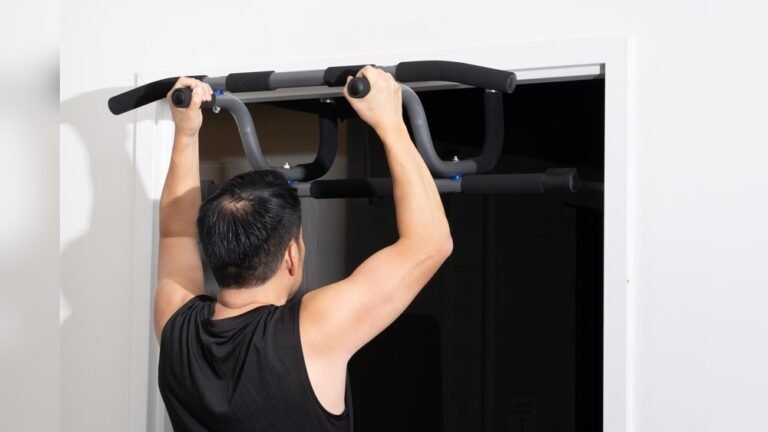
Doorway bars install between door frames. They fit standard door heights, usually 6.5 to 7 feet. These bars are easy to set up and remove. However, they may limit your pull-up range and comfort.
Choosing between ceiling or doorway depends on your space and workout style. Each installation type offers unique advantages and height options.

Credit: pipedreamfurniture.co.uk
Bar Diameter Choices
Choosing the right bar diameter is key for pull-up bars. The thickness of the bar affects your grip comfort and workout efficiency. Different diameters suit different hand sizes and strength levels. Understanding these options helps you pick the best fit for your training needs.
Standard Diameter
The standard pull-up bar diameter is usually about 1 inch (25 mm). It fits most hand sizes well. This size offers a good balance of grip and control. Many gyms and home bars use this diameter. It allows you to perform pull-ups without too much strain on your hands.
Thick Grip Benefits
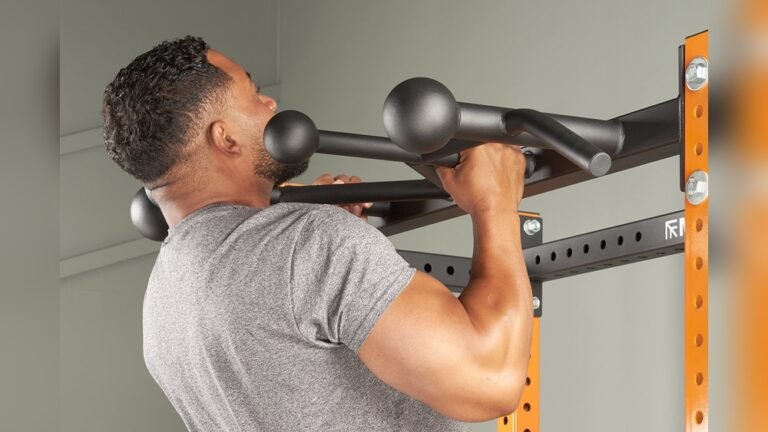
Thicker bars range from 1.5 to 2 inches (38 to 50 mm). They increase grip strength by making your hands work harder. Thick grips challenge your forearms and fingers more. This helps build stronger hands and better muscle endurance. Thick bars reduce wrist strain for some users as well.
Thin Bar Advantages
Thin bars are less than 1 inch in diameter. They suit people with smaller hands or less grip strength. Thin bars make it easier to hold on for longer sets. They allow faster hand movement and better control. Thin bars are ideal for beginners or rehabilitation exercises.
Material And Grip
The material and grip of a pull-up bar are key for a good workout. They affect how steady and safe the bar feels. Choosing the right material and grip can improve your hold and reduce hand pain. This guide covers common materials, grip textures, and comfort factors.
Common Materials
Pull-up bars use metal, foam, or rubber. Steel is strong and lasts long. Aluminum is lighter but less durable. Foam covers add softness and protect hands. Rubber grips offer good hold and resist slipping. Each material suits different needs and budgets.
Grip Textures
Grip texture affects how well you hold the bar. Smooth metal can feel slippery, especially with sweat. Knurled metal has rough patterns to improve grip. Foam grips are soft and cushion your hands. Rubber grips often have grooves or bumps for better control. Good texture helps prevent hand slips and injuries.
Comfort And Safety
Comfort is vital during pull-ups. Foam or rubber grips reduce pressure on your palms. They also lower the chance of blisters. A secure grip helps keep your hands in place. Safety features like non-slip coatings make workouts safer. Choose a bar that fits your hand size and grip style.
Sizing For Different Users
Choosing the right size pull-up bar matters for every user. The bar size affects comfort and performance. Different users have unique needs based on their body and goals. Sizing a pull-up bar properly helps avoid injuries and improves grip. This section breaks down sizing factors for different users.
Hand Size Considerations
Hand size plays a big role in pull-up bar choice. Smaller hands may struggle with thick bars. Larger hands find thinner bars uncomfortable and may slip. Measure your hand span before selecting a bar diameter. A bar between 1 to 1.5 inches suits most users. Choose a size that feels secure and easy to grip.
Strength Level Impact
Strength level influences bar thickness preferences. Beginners often do better with thinner bars. Thinner bars allow a firmer grip without overstraining the fingers. Advanced users may prefer thicker bars. Thick bars challenge grip strength and build forearm muscles. Pick a bar that matches your current strength for better control.
Training Goals Influence
Your training goals affect sizing decisions. For endurance training, thinner bars reduce hand fatigue. For strength and muscle growth, thicker bars increase difficulty. If you train for grip strength, use the thickest bar you can hold safely. Adjust the bar size as your goals change to keep progressing.
Installation Tips
Installing a pull-up bar correctly ensures safety and a better workout experience. This section covers key installation tips. Follow these steps for a strong, stable setup that fits your space.
Measuring Space
Measure the width of your doorway or wall area first. Leave extra room for your hands to move freely. Check the height to ensure you can hang fully without touching the floor. Mark the spots where the bar will mount. Use a level to keep the bar straight.
Mounting Options
Decide between door frame, wall, or ceiling mounting. Door frames are easy but may not support heavy weights. Wall mounts offer more stability. Use heavy-duty anchors for drywall or screws for studs. Always follow the manufacturer’s instructions. Use a drill and screwdriver to secure the bar tightly.
Safety Checks
Test the bar before full use by applying weight gradually. Check for any movement or loose screws. Inspect the mounting points regularly. Replace any worn parts immediately. Make sure the area below is clear of obstacles. Safety is key to avoid injuries during workouts.
Choosing Based On Fitness Level
Choosing a pull-up bar based on fitness level helps match your strength and skills. The right size and type support safer and more effective workouts. Each level needs different features to fit your current ability.
Beginner Recommendations
Beginners should start with a standard bar around 1 inch thick. It offers a comfortable grip without straining the hands. Bars with adjustable height help adapt to different door frames. Stability is key to avoid accidents. Choose bars that hold your body weight with ease. Look for simple designs that allow easy installation and removal.
Intermediate Options
Intermediate users benefit from thicker bars, around 1.25 inches, for better grip strength. Consider bars with multiple grip positions to vary workouts. Pull-up bars with added resistance bands or dip attachments add variety. A sturdy wall-mounted bar improves stability for advanced moves. Ensure the bar can support your increasing weight and reps. Quality materials like steel increase durability and safety.
Advanced Setups
Advanced athletes need heavy-duty bars with 1.5 inch or thicker diameters. Fat grip bars build serious hand and forearm strength. Ceiling or wall-mounted bars offer maximum stability for weighted pull-ups. Look for bars rated for high weight capacities and intense use. Customizable setups allow mixing pull-ups, muscle-ups, and leg raises. Strong mounts and secure anchors prevent movement during intense workouts.
Popular Pull-up Bar Styles
Choosing the right pull-up bar style helps match your space and workout needs. Different designs offer unique benefits. Some fit small rooms, while others provide more stability. Understanding popular pull-up bar styles makes your decision easier.
Wall Mounted
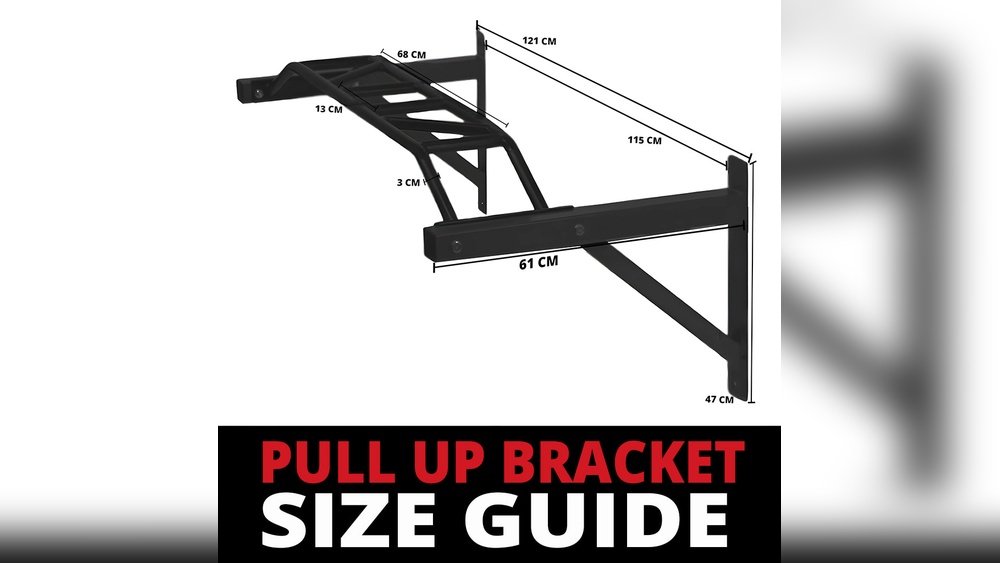
Wall mounted pull-up bars attach directly to a sturdy wall. They save floor space and provide strong support. These bars are ideal for permanent setups in home gyms. Installation requires drilling and solid wall material like concrete or wood studs. They offer a fixed height and stable grip for various exercises.
Doorway Bars
Doorway pull-up bars fit inside standard door frames without permanent installation. They use leverage to stay in place, making them easy to install and remove. These bars are perfect for renters or small spaces. They have limited weight capacity but work well for casual use. Check door frame width and depth before buying.
Freestanding Rigs
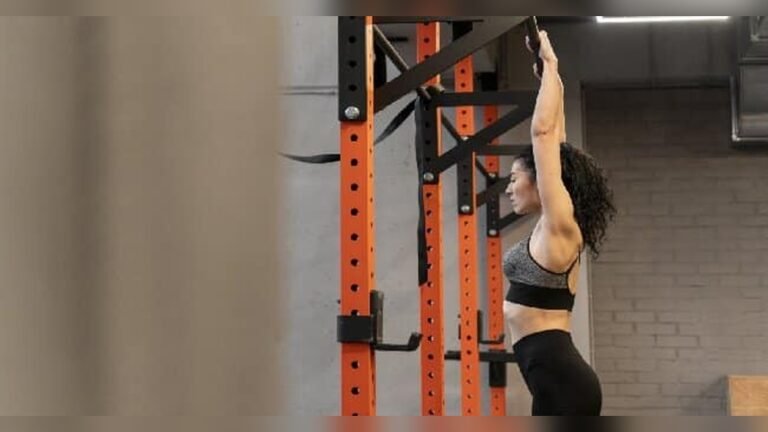
Freestanding rigs are standalone pull-up stations that do not need wall mounting. They offer adjustable heights and multiple grip positions. These rigs support heavier weights and more intense workouts. They require more floor space but provide great versatility. Often found in commercial gyms or serious home gyms.
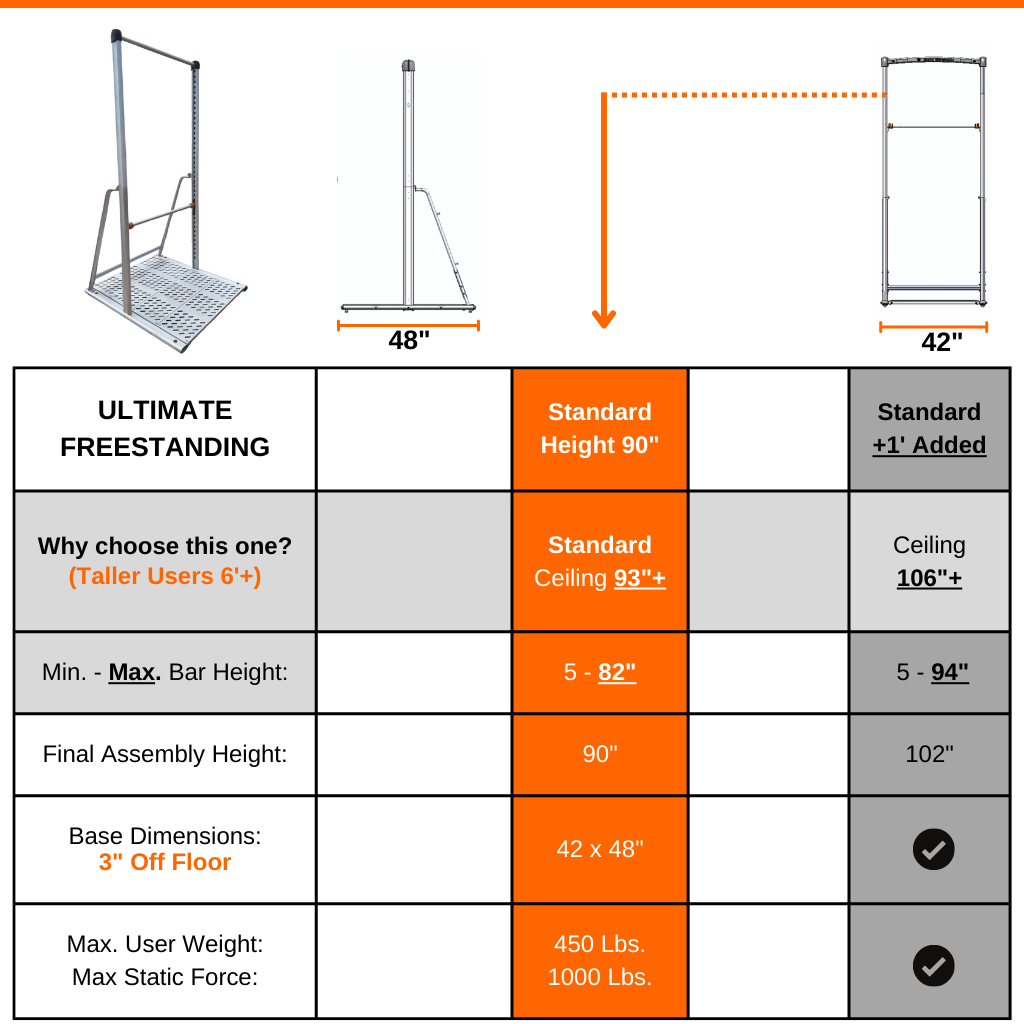
Credit: www.vicentetorns.com
Maintenance And Durability
Maintaining your pull-up bar ensures it stays safe and lasts long. Regular care prevents damage and keeps it sturdy for workouts. Understanding the durability helps you know when repairs or replacements are needed. Simple habits extend the life of your fitness equipment.
Cleaning Tips
Wipe the bar with a damp cloth after each use. Remove sweat and dirt to avoid rust and grime buildup. Use mild soap and water for deeper cleaning once a week. Dry the bar completely to stop moisture from damaging the metal. Avoid harsh chemicals that can wear down the finish.
Wear And Tear Signs
Check for cracks or bends in the bar regularly. Look for worn-out grips that affect your hold and comfort. Rust spots or flaking paint signal early damage. Loose screws or fittings make the bar unstable. Notice any strange noises during use, like creaking or wobbling.
When To Replace
Replace the pull-up bar if you see large cracks or severe rust. If the bar bends under your weight, it is unsafe to use. Worn grips that cannot be fixed reduce workout safety. When screws or attachments fail repeatedly, replacement is better. Prioritize safety to avoid injury during exercises.
Frequently Asked Questions
What Size Pull-up Bar Do I Need?
Choose a pull-up bar diameter between 1 to 1. 5 inches for a comfortable grip. Ensure the bar length fits your shoulder width plus extra space. Adjust height based on your ceiling and exercise type. Select sturdy materials supporting your weight safely.
How Do I Know What Size Pull-ups To Get?
Check your child’s weight and waist size on the pull-ups packaging chart. Choose the size matching these measurements for a comfortable fit.
How Many Pullups Should A 200lb Man Be Able To Do?
A 200lb man should aim to do 6-12 pull-ups, depending on fitness and training consistency. Strength and technique affect performance.
Is A Thinner Or Thicker Pull-up Bar Better?
A thicker pull-up bar increases grip strength and challenges muscles more. A thinner bar suits beginners and improves endurance. Choose based on your grip size and training goals.
Conclusion
Choosing the right pull-up bar size improves your workout comfort and safety. A proper diameter helps grip strength and reduces hand fatigue. Height matters too, ensuring full range of motion during exercises. Consider your body size and training goals before buying.
Testing different bars can help find the best fit. Remember, a well-sized bar supports better form and progress. Keep these tips in mind for an effective pull-up routine. Your fitness journey benefits from the right pull-up bar choice.
I am a certified fitness coach with over 10 years of experience helping people improve their strength, endurance, and overall health. Specializes in workout programming, weight training, fat loss, muscle building, home fitness, and evidence-based nutrition.My goal is to make fitness simple and practical through well-researched guides, honest product reviews, and actionable training advice.