Are you ready to take your workouts to the next level? A weighted vest can be a powerful tool to boost your strength, endurance, and calorie burn—but only if you use it the right way.
If you’re wondering how much weight to start with, which exercises work best, or how to avoid injury, you’re in the right place. This usage guide will walk you through everything you need to know to safely and effectively add a weighted vest to your routine.
Keep reading, and you’ll discover simple tips that help you get stronger, faster, and fitter without risking your health.

Credit: unimeleducacion.org
Choosing The Right Vest
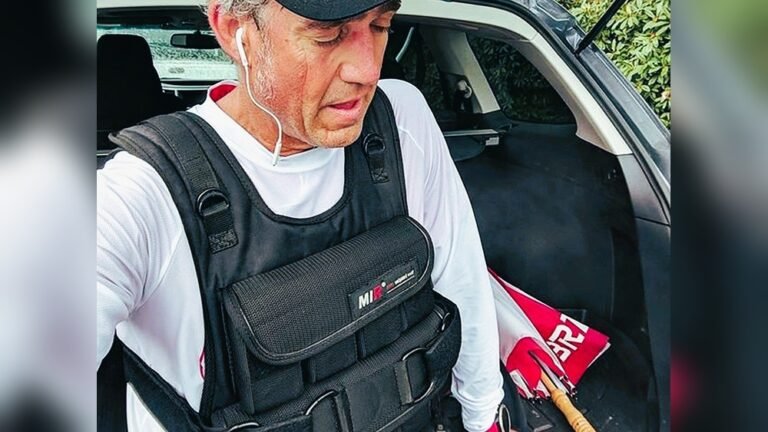
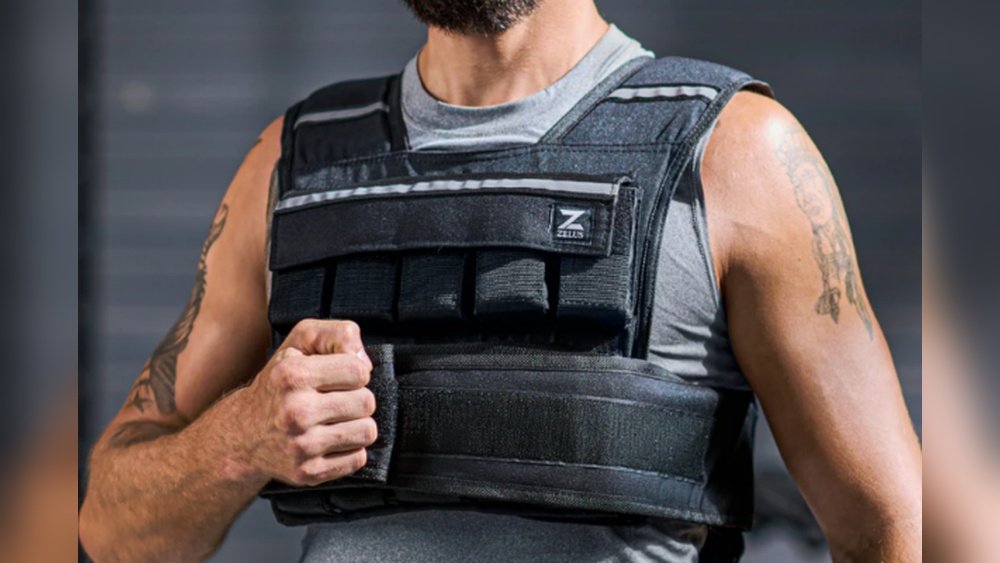
Choosing the right weighted vest is key for effective and safe workouts. The vest should fit well and feel comfortable. It must support your training goals without causing pain or discomfort. Consider weight options, fit, adjustability, and material before buying. These factors help improve your exercise experience and results.
Weight Options
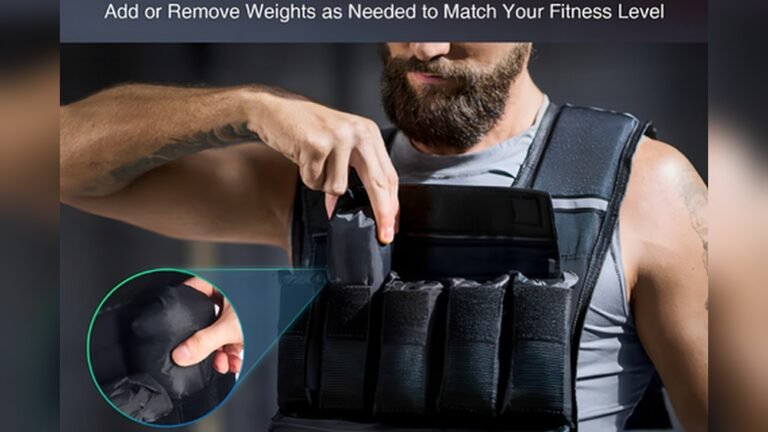
Pick a vest with weight options that match your strength level. Start with lighter weights to avoid injury. Look for vests with removable weights. This feature lets you add or remove weight easily. It helps you increase weight gradually as you get stronger.
Fit And Comfort
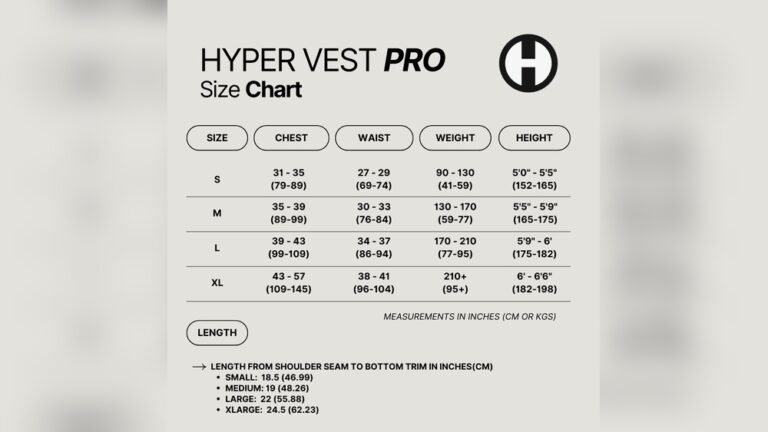
The vest should fit snugly but not too tight. A good fit stops the vest from moving during workouts. Check the size chart before buying. Try the vest on if possible. Comfort affects how long you can wear the vest. Avoid vests that cause chafing or restrict movement.
Adjustable Features
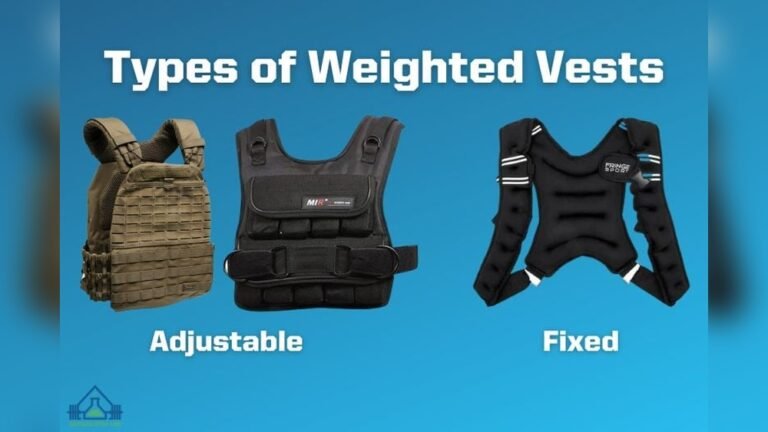
Adjustable straps help secure the vest to your body. They let you customize the fit for different clothes or exercises. Some vests have adjustable weight pockets too. These features make the vest more versatile. They improve stability and prevent shifting during activity.
Material And Breathability
Choose vests made with breathable materials. Good airflow reduces sweat and skin irritation. Look for fabrics like mesh or moisture-wicking polyester. Durable material ensures the vest lasts through tough workouts. Lightweight fabric adds to overall comfort and ease of use.
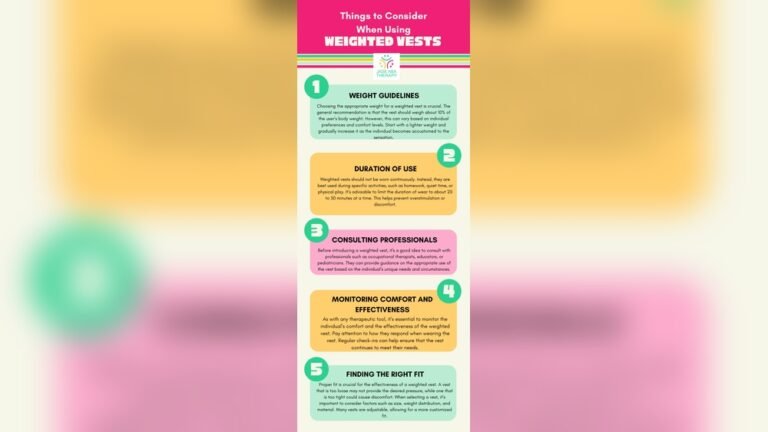
Weight Guidelines
Choosing the right weight for your weighted vest is crucial for safe and effective workouts. The weight you use should match your activity, fitness level, and training goals. Starting with too much weight can cause injury or poor form. Follow simple guidelines to find the best fit for your needs.
By Activity Type
Different exercises need different vest weights. For walking or light cardio, use 5% to 10% of your body weight. Running or high-intensity training requires less weight, about 3% to 5%. Strength training can handle heavier loads, around 10% to 15%, depending on your ability. Adjust weight to keep your form steady during each activity.
For Different Fitness Levels
Beginners should start light, with 2% to 5% of their body weight. This helps the body adapt without strain. Intermediate users can increase to 5% to 10%. Advanced athletes may use 10% or more, but only if they maintain proper technique. Always listen to your body and reduce weight if you feel discomfort or fatigue.
Progressive Loading Tips
Increase your vest weight gradually. Add small increments, like 1 to 2 pounds, every one to two weeks. Avoid big jumps in weight to prevent injury. Track your progress and note how your body feels after each session. Use adjustable vests to make changes easy. Rest days are essential to recover and build strength.
Safe Usage Tips
Using a weighted vest can boost your workouts and daily activities. Safety matters most. Follow these tips to avoid injuries and get the best results. Start slow, focus on form, and listen to your body. This guide will help you use your vest safely and effectively.
Starting Light
Begin with a light weight to let your body adjust. Wearing too much weight at first can cause strain. Use the vest for short periods initially. Gradually increase the weight as you feel stronger. This approach helps prevent injuries and builds endurance safely.
Maintaining Proper Form
Good posture keeps your body safe during exercises. The vest adds extra load, so focus on keeping your spine straight. Avoid leaning forward or slouching. Proper form reduces stress on joints and muscles. Stop if you notice your form slipping.
Warm-up And Cool-down
Always warm up before wearing the vest for exercise. Gentle stretches and light cardio prepare your muscles. After your workout, cool down with slow movements and stretches. This routine helps prevent soreness and improves recovery.
Listening To Your Body
Pay attention to any pain or discomfort. Stop using the vest if you feel sharp pain or unusual fatigue. Your body signals when something is wrong. Rest and reduce weight if needed. Safe use means respecting your limits and avoiding injury.
Best Exercises With Weighted Vest
Weighted vests add extra resistance to workouts, making exercises more challenging and effective. Using a weighted vest can boost strength, endurance, and calorie burn. Some exercises work best with this added weight. Below are the best exercises to try with a weighted vest for maximum results.
Walking And Jogging
Walking and jogging with a weighted vest increase cardiovascular effort. The extra weight forces your body to work harder. This improves stamina and burns more calories. Start with short distances and light weight. Keep a steady pace and good posture. Avoid heavy weights that cause discomfort or pain.
Bodyweight Movements
Bodyweight exercises become tougher with a weighted vest. Movements like push-ups, squats, and lunges build more muscle strength. The vest adds resistance without needing extra equipment. Perform slow and controlled reps to maintain form. Reduce weight if your technique starts to break down.
Stair Climbing
Climbing stairs wearing a weighted vest strengthens leg muscles. It also improves cardiovascular fitness. The extra load challenges your calves, quads, and glutes. Use handrails for balance if needed. Begin with a few flights and increase gradually. Avoid rapid steps to prevent injury.
Strength Training
Weighted vests add resistance to strength workouts. Use them during exercises like pull-ups, dips, and step-ups. The vest enhances muscle activation and power. Make sure the vest fits snugly to avoid shifting. Combine with proper rest and recovery for best gains.
Common Mistakes To Avoid
Using a weighted vest can boost your workouts and daily activities. Avoiding common mistakes ensures safety and better results. Pay attention to how you wear it and how your body feels. Missteps can cause injury or slow progress. Follow these tips to use your weighted vest properly.
Overuse Risks
Wearing a weighted vest every day can strain your muscles and joints. Your body needs time to recover. Use the vest no more than three times per week. Overusing can cause fatigue and injury. Balance vest workouts with rest and other exercises.
Excessive Weight
Adding too much weight too fast can harm your body. Start with a light load and increase gradually. Heavy weight affects your posture and movement. Choose a vest with adjustable weights. This helps you control how much weight you carry safely.
Ignoring Discomfort
Do not ignore pain or discomfort while wearing the vest. Pain signals your body needs a break or less weight. Stop immediately if you feel sharp pain. Adjust the vest to fit snugly but not too tight. Comfort helps prevent skin irritation and muscle strain.
Credit: www.newpatternsaba.com
Maintenance And Care
Proper maintenance and care extend the life of your weighted vest. Regular upkeep keeps it safe and comfortable for workouts. Small actions prevent damage and preserve vest quality.
Follow simple steps to clean, store, and inspect your vest. These habits protect the materials and weights inside. Caring for your vest is easy and important for best performance.
Cleaning Tips
Remove weights before cleaning the vest. Hand wash the fabric with mild soap and cold water. Avoid harsh chemicals or bleach that damage material.
Use a soft brush to clean stubborn stains gently. Rinse well and air dry on a flat surface. Do not machine dry or expose it to direct sunlight.
Storage Advice
Store your weighted vest in a cool, dry place. Avoid folding it tightly to prevent creases or damage. Hang it or lay it flat to keep shape intact.
Keep weights detached if storing for long periods. This reduces stress on seams and fabric. Protect the vest from dust by using a breathable bag.
Inspecting For Wear
Check your vest regularly for signs of wear and tear. Look for loose stitching, torn fabric, or damaged straps. Ensure weights are secure and evenly placed.
Replace or repair any worn parts immediately. A damaged vest can cause discomfort or injury during use. Regular inspections keep your vest safe and reliable.

Credit: unimeleducacion.org
Frequently Asked Questions
How Much Weight Should You Use In A Weighted Vest?
Start with 5-10% of your body weight in a weighted vest. Increase gradually as you maintain good form and comfort. Avoid weights causing pain or posture loss. Choose adjustable vests to control progression safely. Listen to your body to prevent injury.
How To Properly Use A Weighted Vest?
Wear a weighted vest snugly to avoid shifting. Start with light weights and maintain proper form. Use it during walks or exercises. Increase weight gradually, limit use to three times weekly, and stop if pain occurs. Warm up before use and stay hydrated.
How Often Should You Use A Weighted Vest?
Use a weighted vest up to three times per week. Start with light weight, increase gradually, and maintain good posture. Stop if you feel pain or discomfort.
What Is The Rule For Weighted Vests?
Wear a weighted vest with adjustable weight, ensuring a snug fit without discomfort. Start light, maintain good form, and avoid overuse to prevent injury.
Conclusion
Weighted vests can boost your workouts safely and effectively. Start with light weights and increase slowly. Always keep good posture to avoid injury. Use the vest during various exercises like walking or squats. Pay attention to your body’s signals and rest when needed.
Wearing the vest no more than three times weekly helps prevent strain. Choose a vest that fits well and stays secure. With proper use, weighted vests add challenge and variety to your fitness routine. Keep consistent and stay safe for the best results.
I am a certified fitness coach with over 10 years of experience helping people improve their strength, endurance, and overall health. Specializes in workout programming, weight training, fat loss, muscle building, home fitness, and evidence-based nutrition.My goal is to make fitness simple and practical through well-researched guides, honest product reviews, and actionable training advice.