If you’re thinking about adding a weighted vest to your workouts, you’re on the right track to boosting strength and endurance. But before you strap on that extra weight, it’s crucial to know how to use it safely.
Wearing a weighted vest can push your limits—but if you’re not careful, it can also put unnecessary strain on your joints and muscles. You’ll discover simple, practical safety tips that help you get the most from your vest without risking injury.
Ready to train smarter and protect your body? Keep reading to learn how to use your weighted vest the right way.
Choosing The Right Vest
Choosing the right weighted vest is crucial for a safe and effective workout. The right vest supports your body without causing discomfort or injury. It matches your fitness level and exercise goals. Understanding key aspects helps you make a smart choice.
Weight Selection
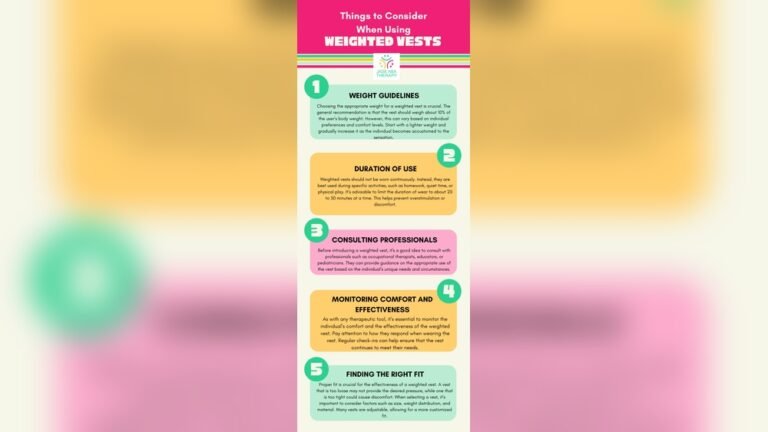
Select a vest weight that fits your current strength. Start with lighter weights to avoid strain. Gradually increase the load as your body adapts. A vest too heavy can hurt your joints and muscles. Choose a weight that lets you keep good form during exercise.
Key Features
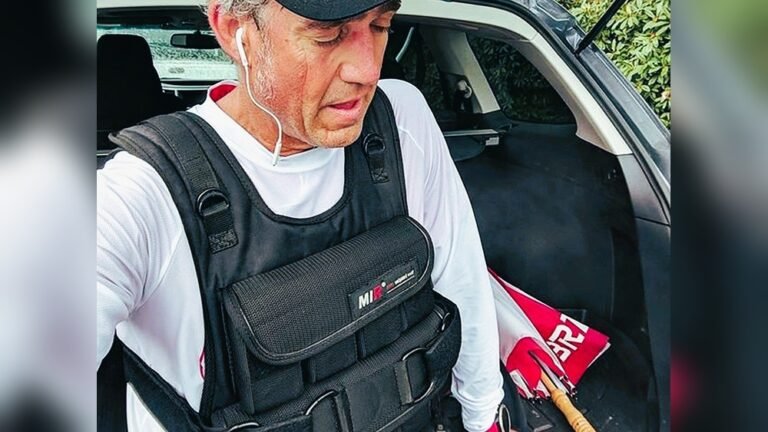
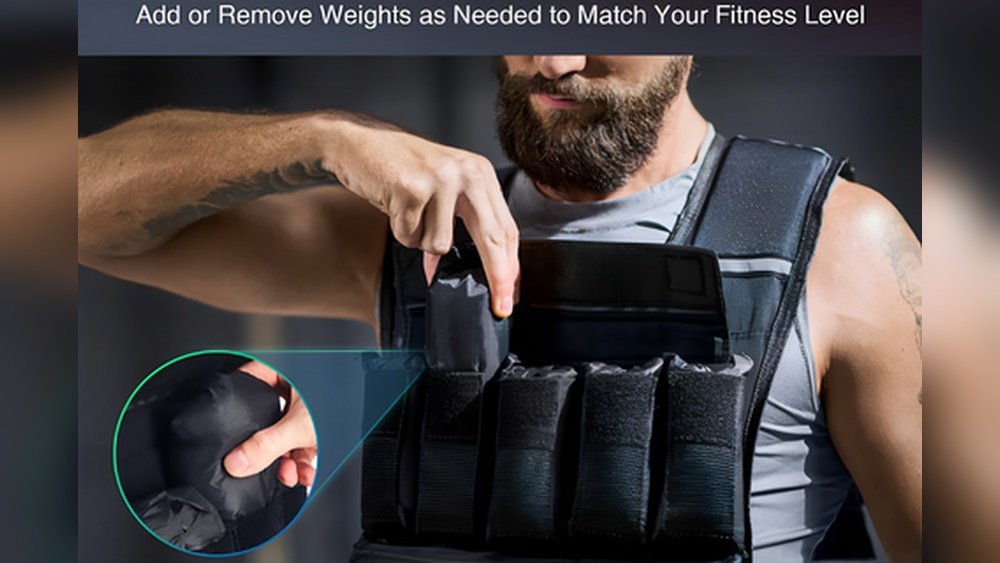
Look for adjustable weights to customize your load. Even weight distribution prevents imbalance and discomfort. Breathable fabric helps reduce sweat and skin irritation. Secure, adjustable straps ensure the vest fits snugly and stays in place. These features improve safety and comfort during workouts.
Types Of Weighted Vests
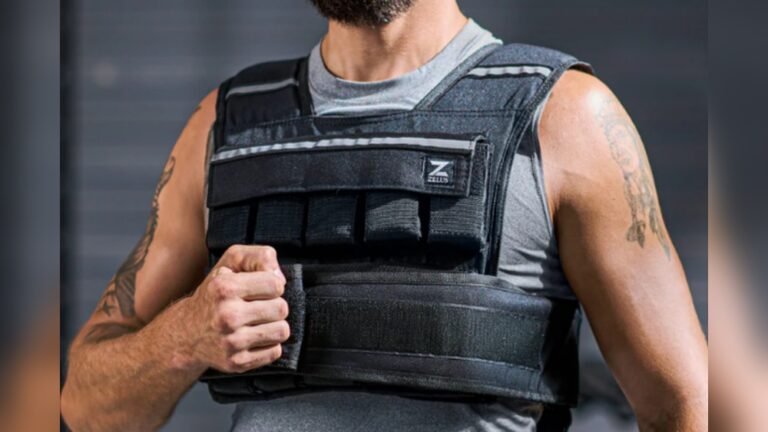
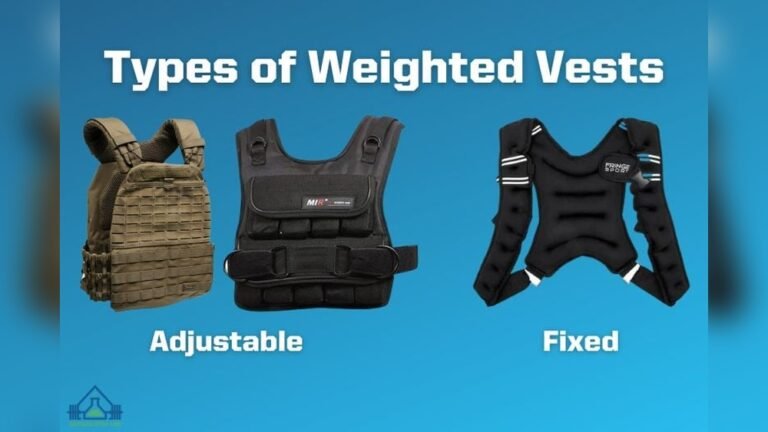
Soft vests offer comfort and flexibility, ideal for beginners. Hard vests provide extra durability for intense training. Some vests have fixed weights, while others allow you to add or remove weights. Choose a type that suits your workout style and comfort needs.

Credit: zelusfitness.com
Preparing For Use
Preparing to use a weighted vest is key for a safe and effective workout. Taking simple steps before wearing the vest helps your body adjust to the extra weight. Proper preparation lowers the risk of injury and improves comfort during exercise.
Starting With Light Weight
Begin with the lightest weight option available. This lets your muscles and joints get used to the added load. Wear the vest for short periods at first. Gradually increase the weight as your strength improves. Avoid jumping to heavy weights quickly. Slow progress prevents strain and discomfort.
Warming Up
Warm up your body before putting on the weighted vest. Do dynamic stretches and light cardio exercises. This increases blood flow and loosens muscles. Warming up reduces the chance of injury. It prepares your joints for the extra stress from the vest.
Checking Fit And Comfort
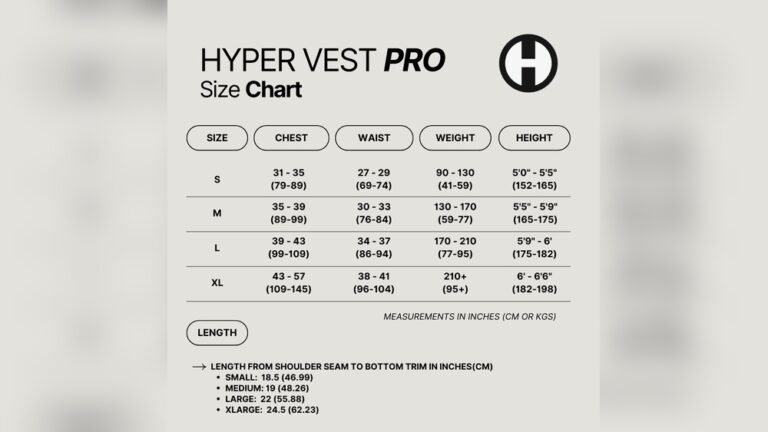
Make sure the vest fits snugly but not too tight. Adjust the straps for even weight distribution. A well-fitted vest stays in place during movement. It prevents chafing and discomfort. Check for any pinching or pressure points. Stop and readjust if you feel pain or irritation.
Maintaining Proper Form
Maintaining proper form while using a weighted vest is essential for a safe workout. The extra weight adds stress to your body. It can cause injury if your posture is incorrect. Focus on keeping your body aligned and movements controlled. This helps you get the most benefit without harm.
Avoiding Strain On Joints
Weighted vests increase pressure on joints like knees and shoulders. Keep your knees soft and avoid locking them during exercises. Use slow, steady movements to reduce impact. Do not overextend your joints or push beyond comfort. Good form helps protect your joints from injury and pain.
Adjusting During Workouts
Adjust the vest to fit snugly but not too tight. Shift the weight evenly on your body to stay balanced. Stop and fix the vest if it moves or feels uncomfortable. Change your pace or reduce weight if you feel strain. Small adjustments keep your form strong and safe.
Monitoring Body Signals
Pay attention to your body’s signals during workouts. Stop if you feel sharp pain or unusual discomfort. Watch for signs like joint stiffness or muscle fatigue. Rest and remove the vest if you feel dizzy or short of breath. Listening to your body prevents injuries and keeps training effective.
Safe Workout Activities
Using a weighted vest can boost your workouts but requires caution. Choosing the right activities helps prevent injuries and makes exercise safe. Focus on exercises that suit added weight and do not strain your body.
Low-impact Exercises
Low-impact exercises are gentle on your joints while wearing a weighted vest. Walking is an excellent choice. It increases strength without harsh impact. Try slow hiking or light step-ups too. These movements help build endurance safely. Avoid sudden jumps or fast changes in direction.
Strength Training Moves
Strength training works well with a weighted vest. Bodyweight exercises like push-ups, squats, and lunges benefit from extra resistance. Keep your form perfect to avoid injury. Start with lighter weights and increase gradually. Focus on controlled, steady movements. Avoid exercises that put stress on your back or shoulders.
Cardio With Caution
Cardio workouts with a weighted vest need care. Avoid high-impact cardio like running or jumping. These increase stress on joints and raise injury risk. Try low-impact cardio such as brisk walking or cycling. Keep sessions shorter than usual at first. Listen to your body and stop if you feel pain.
Avoiding Common Mistakes
Using a weighted vest can boost your workout, but mistakes can cause injury. Avoid common errors to stay safe and get the best results. Focus on gradual progress and good habits. This section covers key mistakes to avoid when using a weighted vest.
Overusing The Vest
Wearing a weighted vest every day strains your joints and muscles. Your body needs time to recover. Use the vest only during certain workouts. Avoid long hours of wearing it outside exercise. Rest days help prevent pain and injury.
Jumping To Heavy Weights
Start with light weights before adding more. Adding too much weight too fast harms your posture and balance. Increase the weight slowly over weeks. This helps your body adapt safely. Heavy weights can cause joint stress and muscle strain.
High-impact Movements To Skip
Avoid high-impact exercises like running, jumping rope, or burpees while wearing the vest. These movements add extra force to your joints. The vest increases this impact and raises injury risk. Choose low-impact exercises like walking or bodyweight moves instead.

Credit: www.youtube.com
Recovery And Rest
Recovery and rest are essential parts of any workout using a weighted vest. These help muscles repair and grow stronger. Proper recovery also reduces the risk of injury and fatigue. Without enough rest, your body cannot handle the extra weight safely. Focus on balancing exercise and rest days for the best results.
Allowing Muscle Recovery
Muscles need time to heal after weighted vest workouts. This healing time helps reduce soreness and prevents damage. Rest days give your muscles a chance to rebuild and grow. Avoid wearing the vest every day to let your body recover. Listen to your body if you feel pain or discomfort.
Balancing Workout Intensity
Keep your workouts varied in intensity to avoid overworking muscles. Mix light and heavy sessions to give your body time to adjust. Use the weighted vest for shorter periods at higher intensity. On easier days, lower the weight or skip the vest. This balance helps improve strength without causing harm.
Hydration And Breaks
Drink plenty of water before, during, and after workouts. Hydration helps muscles work better and recover faster. Take short breaks during exercises with the weighted vest. These pauses reduce stress on your joints and muscles. Staying hydrated and resting often improves safety and performance.
Long-term Safety Tips
Using a weighted vest regularly can improve strength and endurance. Long-term safety is key to avoid injuries and discomfort. Following simple safety tips helps you use the vest wisely over time. These tips protect your body and keep your workouts effective.
Not Wearing All Day
Do not wear the weighted vest all day long. Continuous use puts too much pressure on your joints. Your muscles and bones need time to rest and recover. Wearing it only during workouts is safest. This prevents strain and reduces injury risks.
Listening To Your Body
Pay close attention to how your body feels. Stop using the vest if you feel pain or discomfort. Mild soreness is normal, but sharp pain is a warning. Rest or reduce the weight until you feel better. Your body signals when to slow down or take breaks.
Regularly Inspecting The Vest
Check your weighted vest often for any damage. Look for tears, broken straps, or loose weights. Damaged parts can cause accidents or uneven weight distribution. Fix or replace the vest if you find problems. Keeping the vest in good shape ensures safe use every time.
Credit: www.10tv.com
Frequently Asked Questions
How To Safely Use A Weighted Vest?
Start with light weight and increase gradually. Maintain proper form to avoid joint strain. Warm up before use. Use for low-impact exercises like walking or squats. Avoid wearing it all day to prevent injury. Listen to your body and allow recovery time.
What Not To Do With A Weighted Vest?
Avoid high-impact exercises like running, jumping, or burpees with a weighted vest to prevent joint stress. Do not use excessive weight quickly or wear it all day. Always maintain proper form and allow recovery time to avoid injury.
What Is The Rule For Weighted Vests?
Start with light weight and increase gradually. Maintain proper form to avoid joint strain. Use for specific exercises, not high-impact activities. Limit wear time and allow recovery to prevent injury. Prioritize safety by warming up and listening to your body.
Is It Okay To Wear A Weighted Vest All The Time?
Wearing a weighted vest all day is unsafe and can cause joint strain. Use it only during short, controlled workouts.
Conclusion
Wearing a weighted vest can boost your workouts safely. Always start with light weight and increase slowly. Keep your exercise form steady and correct at all times. Avoid high-impact moves that strain your joints. Take breaks and listen to your body’s signals.
Proper use helps prevent injuries and improves fitness results. Use these tips to stay safe and enjoy benefits. Stay consistent, patient, and careful for the best experience. Safety matters most when training with added weight.
I am a certified fitness coach with over 10 years of experience helping people improve their strength, endurance, and overall health. Specializes in workout programming, weight training, fat loss, muscle building, home fitness, and evidence-based nutrition.My goal is to make fitness simple and practical through well-researched guides, honest product reviews, and actionable training advice.