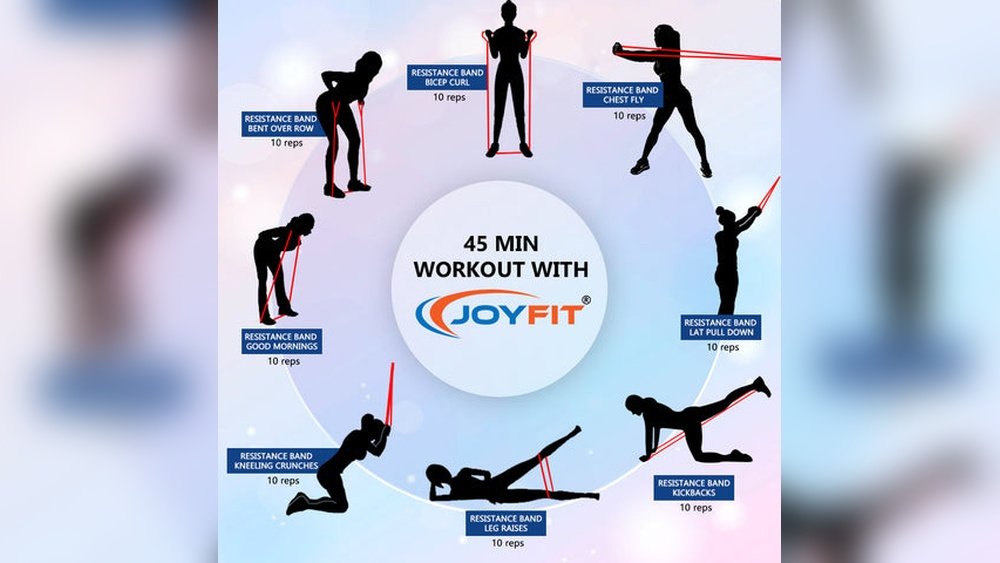
If you want to get stronger, tone your muscles, or improve your balance without bulky equipment, resistance bands are your perfect workout partner. They are simple, affordable, and incredibly effective.
But how do you use them to get the best results? Whether you’re just starting out or looking to add variety to your routine, this guide will show you exactly how to use resistance bands the right way. By the end, you’ll feel confident and ready to boost your fitness anytime, anywhere.
Keep reading to discover easy steps and tips that make your workouts smarter and more effective!
Benefits Of Resistance Bands
Resistance bands offer many benefits for fitness enthusiasts of all levels. They provide effective workouts that improve strength, balance, and flexibility. Using resistance bands helps you achieve fitness goals without heavy equipment. Their ease of use and affordability make them a popular choice worldwide.
Below are some key benefits of resistance bands that make them a valuable addition to any workout routine.
Builds Strength And Muscle
Resistance bands create tension that works your muscles hard. This tension helps build muscle strength similar to free weights. They target different muscle groups with controlled resistance. Regular use increases muscle tone and endurance effectively.
Enhances Stability And Balance
These bands activate small stabilizer muscles in your body. Strengthening these muscles improves overall balance and coordination. Better stability lowers the risk of injuries and falls. It also enhances functional movements in daily life.
Joint-friendly Workouts
Resistance bands offer low-impact exercise options. They reduce stress on joints compared to heavy weights. This makes them ideal for people with joint pain or injuries. You can strengthen muscles safely without risking further damage.
Versatility And Portability
Resistance bands suit many types of workouts. Use them for strength training, stretching, or rehab exercises. Their lightweight design makes them easy to carry anywhere. You can exercise at home, outdoors, or while traveling.
Adjustable Resistance Levels
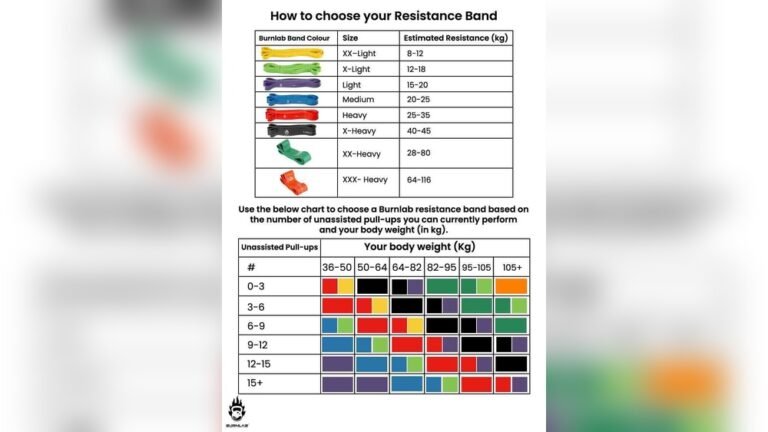
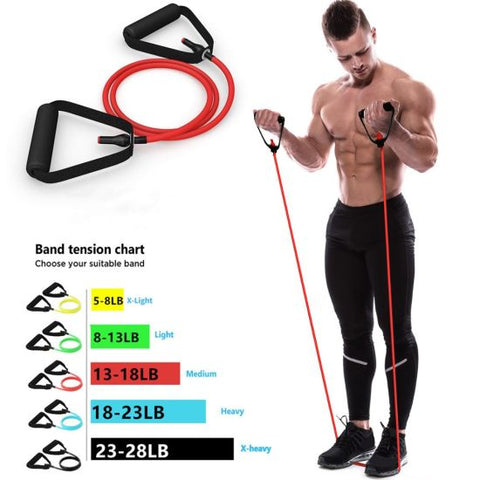
Bands come in various resistance levels from light to heavy. This lets you customize the intensity of your workout. Beginners start with lighter bands and progress to stronger ones. Adjustable resistance supports continuous improvement over time.
Choosing Bands Or Weights
Choosing between resistance bands and weights depends on your fitness goals and workout style. Both tools help build strength and improve muscle tone. Each has unique benefits suited for different situations. Understanding when to use bands or weights can boost your workout effectiveness.
When Bands Are Ideal
Resistance bands are perfect for beginners and rehab exercises. They provide gentle tension without heavy strain on joints. Bands are easy to carry and use anywhere, making them great for travel. They help improve muscle endurance and flexibility. Bands also activate small stabilizer muscles for better balance. Use bands for low-impact workouts or injury recovery. They suit those who want light resistance and gradual strength gains.
Situations For Weights
Weights work well for building serious muscle strength and size. They allow you to increase resistance in small, controlled steps. Weights suit experienced lifters aiming for heavy, progressive overload. Use weights to target specific muscle groups with precision. They are ideal for exercises like bench presses and squats. Weights help improve bone density and overall power. Choose weights when you want maximum resistance and muscle growth.
Types Of Resistance Bands
Resistance bands come in various types, each designed for specific exercises and fitness levels. Choosing the right band helps you target muscles effectively. Understanding these types makes workouts safer and more productive.
Loop Bands
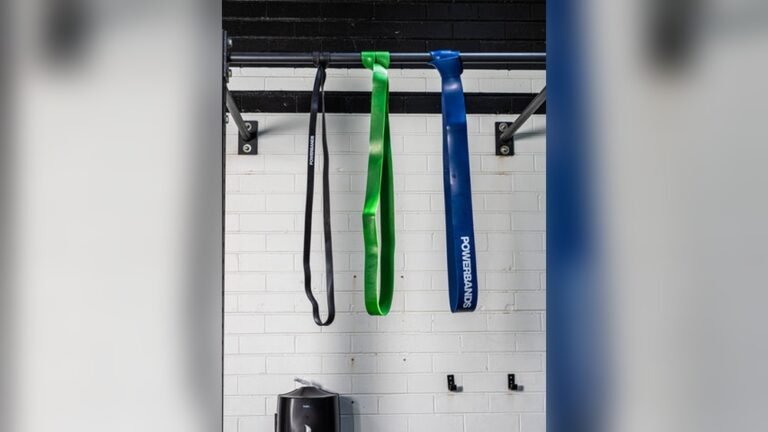
Loop bands form a continuous circle. They are usually flat and wide. Loop bands work well for lower body exercises. You can use them for squats, leg lifts, and glute bridges. They come in different resistance levels, from light to heavy. Their shape helps keep the band in place during movement.
Tube Bands With Handles
Tube bands have a round, flexible tube shape. Handles on each end offer a firm grip. These bands are perfect for upper body workouts like bicep curls and shoulder presses. They provide good control and comfort. The handles make it easy to perform pulling and pushing exercises.
Therapy Bands
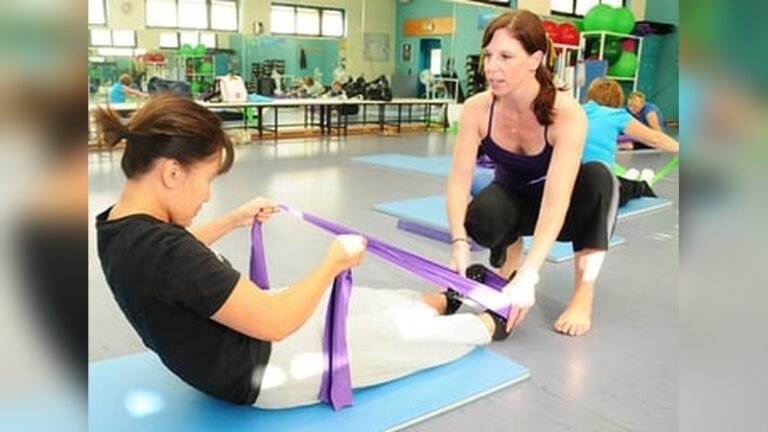
Therapy bands are flat and thin without handles. They are often used in physical therapy and rehabilitation. These bands provide light resistance. They help improve muscle strength gently. Therapy bands are great for stretching and mobility work too.
Figure-8 Bands
Figure-8 bands have a unique shape like the number eight. They come with handles on each loop. This design suits arm and shoulder exercises. Figure-8 bands are easy to hold and control. Their shape allows for smooth, natural movement during workouts.

Credit: www.thorfamilylaw.com
Setting Up Resistance Bands
Setting up resistance bands correctly is essential for a safe and effective workout. Proper setup helps you avoid injury and get the best results from your exercises. This section covers key steps to prepare your bands before starting.
Securing Anchors Safely
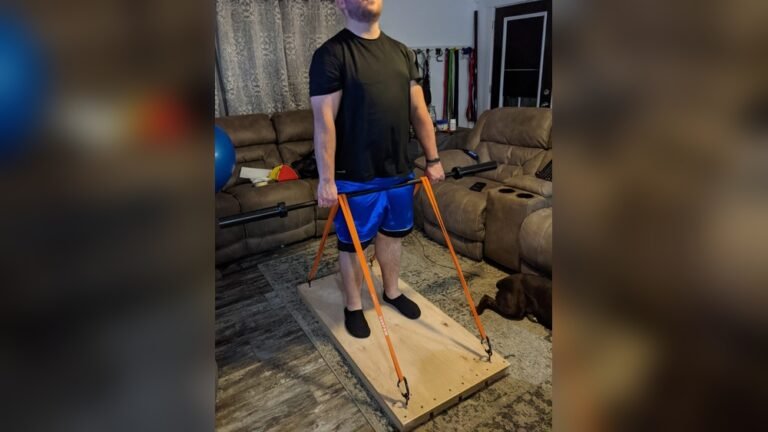
Choose a strong anchor point that will not move. Door handles, sturdy poles, or heavy furniture work well. Always check the anchor’s stability before attaching the band. Avoid sharp edges that can damage the band. Wrap a towel or cloth around rough surfaces to protect the band. Pull gently on the band to test the anchor’s hold. Never use weak or unstable objects as anchors.
Proper Band Placement
Place the band so it stays secure during exercises. Hold or loop it firmly around your body or anchor point. Position the band to create the right tension without overstretching. Keep the band flat to avoid twisting or rolling. Adjust the length to match your workout needs. Use handles or grips if available for better control. Always maintain steady tension for smooth, controlled movements.
Checking Band Condition
Inspect the band before each use. Look for cracks, tears, or worn spots that could cause breaks. Check the handles and attachments for damage too. Replace any damaged bands immediately to avoid injury. Clean bands with mild soap and water to keep them flexible. Store bands away from direct sunlight and heat to extend their life. Regular checks ensure your bands stay safe and effective.
Basic Resistance Band Exercises
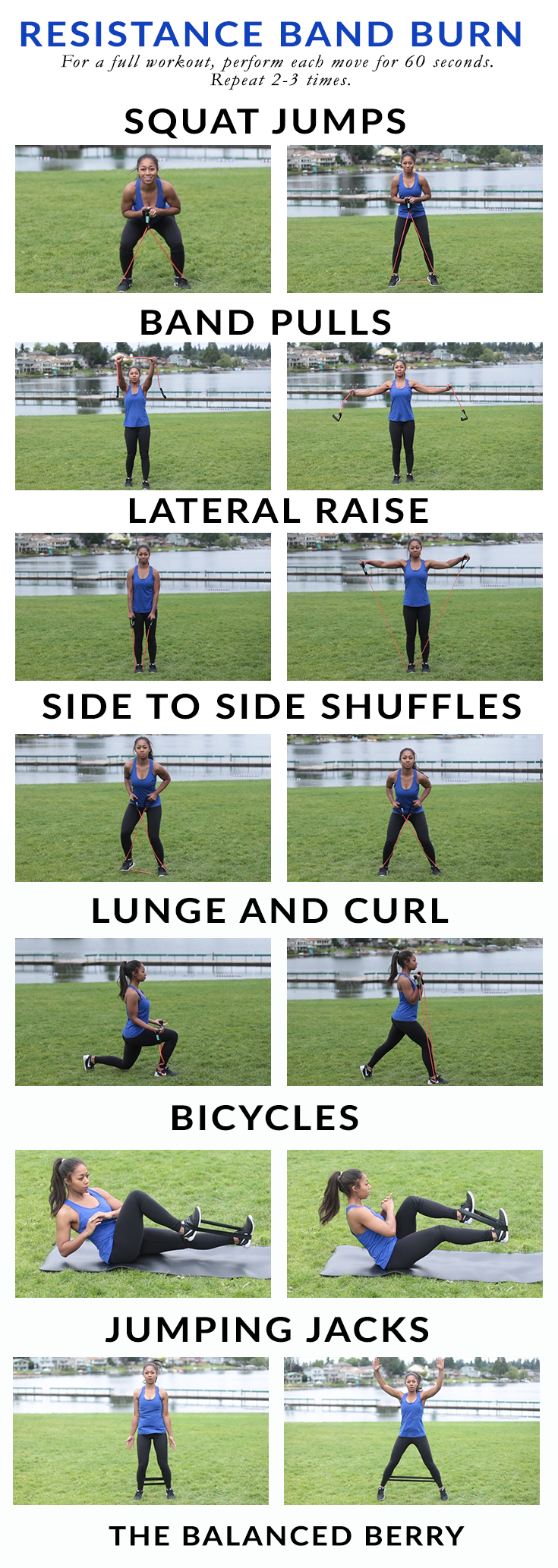
Basic resistance band exercises offer a simple way to build strength and improve fitness. These exercises suit all levels, from beginners to advanced users. Resistance bands add tension to your muscles, helping to tone and strengthen. They also support joint health by providing low-impact resistance. Below are some easy exercises to target different body parts using resistance bands.
Upper Body Moves
Start with band pull-aparts to work your shoulders. Hold the band with both hands, stretch it apart slowly. Try bicep curls by stepping on the band and pulling handles up. For triceps, hold the band overhead and stretch down behind your head. These moves strengthen arms, shoulders, and upper back effectively.
Lower Body Moves
Place the band around your thighs for squats to target legs and glutes. Step side to side with the band on your ankles to work hip muscles. Try glute bridges by lying down, band around knees, lifting hips up. These exercises improve lower body strength and stability.
Core Strengthening
Use the band for seated twists by holding it in front and rotating your torso. Plank with band around wrists adds resistance and engages your core more. Leg raises with band around ankles also challenge your abdominal muscles. These moves build a strong and stable midsection.
Stretching And Mobility
Stretch your legs by looping the band around your foot and pulling gently. Use the band to assist arm stretches, improving shoulder flexibility. Ankle circles with the band help increase ankle mobility. These stretches enhance range of motion and reduce muscle tightness.
Credit: lavinateriadelcall.com
Advanced Resistance Band Workouts
Advanced resistance band workouts push your fitness further. They build strength, endurance, and muscle control. Using bands with bodyweight exercises adds variety and challenge. Adjusting the intensity helps target different muscle groups. Full-body routines keep your workouts balanced and effective.
Combining Bands With Bodyweight
Pair resistance bands with bodyweight moves to increase difficulty. For example, add a band around your thighs during squats. This targets your glutes and thighs more deeply. Use bands in push-ups to activate your chest and arms harder. These combinations improve strength and coordination.
Increasing Intensity
Increase workout intensity by using thicker bands or doubling them. Slow down the movement to keep muscles under tension longer. Add more repetitions or sets to challenge endurance. Shorten rest times between exercises to boost workout intensity. These tactics help your muscles grow stronger.
Full-body Routines
Create full-body workouts by targeting all major muscle groups with bands. Combine exercises like banded squats, rows, and overhead presses. Include core moves such as banded Russian twists or leg lifts. Full-body routines burn calories and improve overall fitness. They save time and keep workouts balanced.
Tips For Effective Training
Using resistance bands effectively can greatly improve your workout results. Small changes make a big difference. Focus on key tips to train smart and safe. These tips help you get stronger and avoid injuries.
Maintaining Proper Form
Keep your body aligned during each exercise. Stand or sit straight and engage your core. Avoid leaning or twisting too much. Proper form targets muscles better and reduces injury risk. Watch yourself in a mirror or record your moves.
Controlling Band Tension
Adjust the band length to change resistance. Start with light tension and increase as you get stronger. Stretch the band slowly and evenly. Avoid snapping or jerking motions. Control helps you work muscles correctly and prevents strain.
Breathing Techniques
Breathe out when you pull or push the band. Breathe in as you return to start position. Keep a steady, natural breath. Holding your breath can cause tension and dizziness. Good breathing supports muscle function and endurance.
Avoiding Common Mistakes
Do not rush through exercises. Move slowly to feel the muscle work. Avoid using bands that are too tight or loose. Do not sacrifice form for more reps. Stop if you feel pain beyond normal effort. Rest between sets to recover.
Resistance Bands For Special Needs
Resistance bands offer unique benefits for people with special needs. They provide gentle, adaptable exercise options. These bands help improve strength, mobility, and coordination safely. Their lightweight and flexible nature make them easy to use at home or in therapy sessions. Resistance bands support various fitness levels and physical conditions.
Rehabilitation And Injury Recovery
Resistance bands are ideal for rehabilitation after injury. They allow controlled, low-impact movements that protect healing tissues. Therapists use bands to restore muscle strength and joint function gradually. Patients can adjust resistance levels as they progress. Bands help regain range of motion without strain or pain.
Senior Fitness
Seniors benefit from resistance bands to maintain strength and balance. These bands reduce fall risk by improving muscle stability. Exercises with bands are gentle on aging joints and bones. Seniors can perform seated or standing workouts safely. Bands encourage regular activity to support independence and health.
Beginners’ Friendly Workouts
Beginners find resistance bands easy to learn and use. The bands provide clear feedback through muscle tension. Users can start with light resistance and increase over time. Bands guide proper movement patterns to avoid injury. They build confidence and prepare users for more advanced workouts.
Maintaining And Storing Bands
Proper care extends the life of your resistance bands. Maintaining and storing bands correctly keeps them safe and ready for your next workout. Simple steps can prevent damage and ensure bands stay strong and flexible. Follow these easy tips for cleaning, storing, and replacing your bands.
Cleaning Bands
Clean bands after each use to remove sweat and dirt. Use warm water with mild soap. Gently rub the bands with a soft cloth or sponge. Avoid harsh chemicals or bleach. Rinse well and let them air dry completely before storing. Never use a dryer or direct heat to dry bands.
Proper Storage
Store bands in a cool, dry place away from sunlight. Keep them out of direct heat or cold. Avoid sharp objects or rough surfaces that can cut or tear bands. Use a bag or container to keep them organized. Hanging bands loosely prevents stretching or damage.
Replacing Worn Bands
Check bands regularly for tears, cracks, or thinning. Replace bands showing signs of wear immediately. Worn bands can snap during use and cause injury. Use new bands with the right resistance level for your workouts. Proper replacement keeps exercise safe and effective.
Credit: www.litmethod.com
Frequently Asked Questions
How Do You Use Resistance Bands For Beginners?
Start by choosing a light resistance band. Perform simple exercises like bicep curls and squats. Keep movements slow and controlled. Focus on proper form and breathing. Gradually increase resistance as strength improves. Use bands regularly for best results.
How To Lose Belly Fat With Resistance Bands?
Use resistance bands for targeted core exercises like seated twists, leg raises, and standing oblique crunches. Combine with cardio and a healthy diet to reduce belly fat effectively.
Do Resistance Bands Really Work?
Yes, resistance bands effectively build strength, improve muscle endurance, balance, and flexibility. They offer joint-friendly, portable workouts suitable for all fitness levels. Research shows bands activate muscles similarly to weights, making them a versatile and affordable option for beginners and injury recovery.
What Are Common Mistakes With Resistance Bands?
Common mistakes with resistance bands include using incorrect form, choosing wrong resistance levels, neglecting warm-ups, and not securing bands properly. Avoid overstretching bands and skipping gradual progression to prevent injury and maximize effectiveness.
Conclusion
Resistance bands offer a simple way to improve your fitness anywhere. They help build strength, flexibility, and balance without heavy equipment. Use different band tensions to match your skill level. Regular practice brings steady progress and better muscle control. These bands fit well into any workout routine.
Start small, stay consistent, and enjoy the results. Resistance bands make exercising easy, effective, and affordable for everyone. Keep moving and feel the benefits every day.
I am a certified fitness coach with over 10 years of experience helping people improve their strength, endurance, and overall health. Specializes in workout programming, weight training, fat loss, muscle building, home fitness, and evidence-based nutrition.My goal is to make fitness simple and practical through well-researched guides, honest product reviews, and actionable training advice.