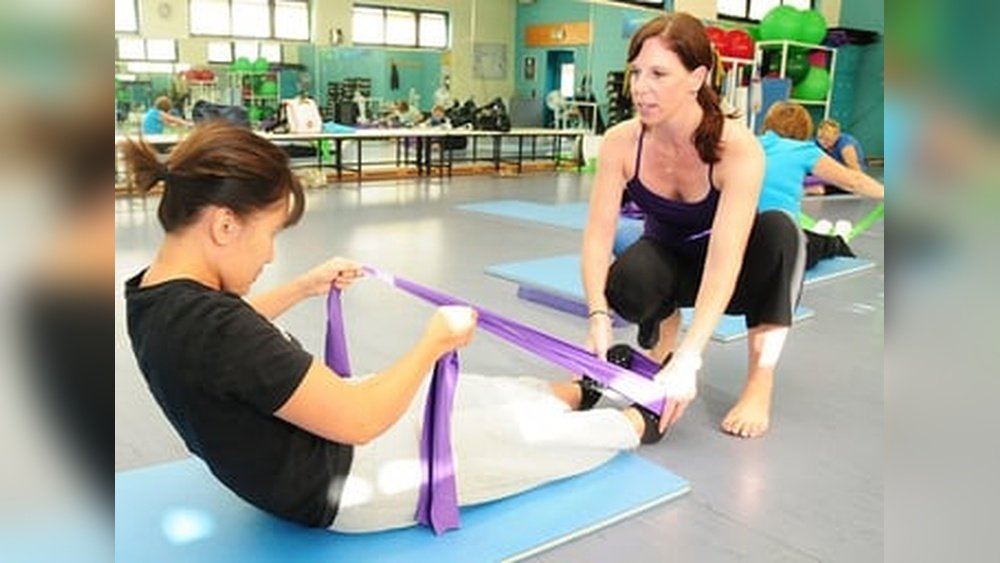
Using resistance bands is a fantastic way to build strength, improve flexibility, and get a full-body workout right at home or in the gym. But here’s the thing—if you’re not careful, these simple-looking bands can snap, slip, or cause unexpected injuries.
That’s why knowing how to use them safely is just as important as your workout routine itself. You’ll discover easy-to-follow safety tips that protect your body and keep your resistance bands in top shape. Ready to work out smarter and safer?
Let’s dive in and make every rep count without risking a single injury.

Credit: redefineyourpain.com
Inspect Bands Regularly
Regular inspection of resistance bands ensures safe and effective workouts. Bands can wear down over time and cause injury if not checked. A quick examination before each use protects you from unexpected breaks or snaps.
Check For Tears And Nicks
Look closely at the entire length of the band. Small tears or nicks weaken the band’s strength. Even tiny damage can cause the band to snap during exercise. Avoid using any band with visible cuts or rough spots.
Look For Discoloration
Discoloration can signal material breakdown. Bands may fade or change color after exposure to sunlight or sweat. This change often means the band is less elastic and more prone to breaking. Replace bands that show unusual color changes.
Replace Damaged Bands
Using damaged bands increases injury risk. Do not try to repair or stretch worn bands. Always replace any band with damage or signs of wear. New bands guarantee the right resistance and safety for your workouts.
Proper Storage Tips
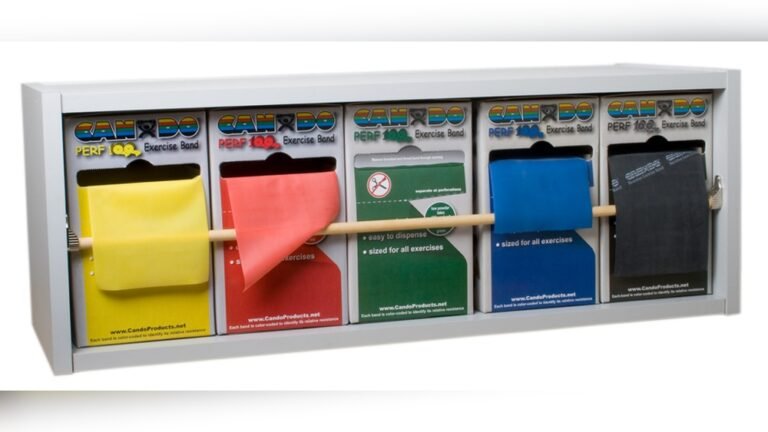
Proper storage of resistance bands is key to keeping them safe and long-lasting. Bands can lose their strength or break if stored incorrectly. Follow simple steps to protect your bands and keep them ready for every workout.
Avoid Heat And Sunlight
Heat and sunlight can damage resistance bands quickly. Store bands away from direct sunlight. Avoid placing them near heaters or in hot rooms. High temperatures cause the material to weaken and crack.
Keep Away From Sharp Objects
Sharp objects can cut or puncture your resistance bands. Store bands where nails, scissors, or other sharp items cannot touch them. Keep bands inside a bag or box to prevent accidental damage.
Store In Cool, Dry Places
Moisture can harm resistance bands by causing mold or material breakdown. Keep bands in a cool, dry area. Avoid damp basements or bathrooms. Dry storage helps bands maintain their strength and elasticity.
Safe Exercise Practices
Safe exercise practices are essential for effective and injury-free resistance band workouts. Resistance bands provide versatile training options but require care and attention. Following safe methods helps protect muscles and joints while maximizing exercise benefits.
Proper technique and mindful movement reduce risks of strains or accidents. Respect the band’s tension and maintain control throughout each motion. These habits support steady progress and long-term fitness success.
Start Exercises Slowly
Begin every exercise at a gentle pace. This allows your muscles to warm up and adjust to resistance. Starting slowly lowers the chance of sudden strain or injury. Gradually increase speed and intensity as you gain confidence and strength.
Maintain Controlled Movements
Keep your movements smooth and steady. Avoid jerky or fast motions that can cause the band to snap back. Controlled exercises engage muscles better and protect joints. Focus on form and deliberate muscle engagement during each repetition.
Keep Tension Throughout
Maintain constant tension on the band during exercises. This keeps muscles active and prevents the band from slipping or losing resistance. Do not let the band go slack between reps. Continuous tension ensures better muscle activation and workout effectiveness.

Credit: www.strengthzonetraining.com
Correct Body Alignment
Correct body alignment plays a key role in safe resistance band workouts. It helps protect joints and muscles from strain. Proper posture ensures the band works on the right muscles. Pay close attention to your spine, hips, and shoulders. Keep your body steady and balanced throughout each exercise. This focus reduces the risk of injury and improves workout results.
Avoid Slumping Or Twisting
Slumping puts pressure on the lower back and neck. It weakens your posture and increases injury risk. Keep your chest lifted and shoulders back. Maintain a neutral spine during exercises. Avoid twisting your torso sharply. Twist only as the exercise requires, with control. Good posture helps the band target muscles effectively.
Use Proper Foot Placement
Feet should be flat and stable on the ground. Place them shoulder-width apart for balance. Avoid standing on uneven or slippery surfaces. Proper foot placement supports body alignment. It also prevents slips and falls during resistance moves. Adjust your stance to keep steady as the band stretches.
Do Not Use Handles On Feet
Handles on feet can cause cuts or discomfort. The band may slip and snap back unexpectedly. Instead, loop the band around the arch or use bands without handles. Use a towel or cloth for padding if needed. Safe foot placement protects your skin and improves grip. This small step prevents accidents during workouts.
Avoid Common Mistakes
Avoiding common mistakes with resistance bands keeps workouts safe and effective. Many injuries happen due to simple errors. Learning what not to do protects your body and your bands. Follow these tips to exercise confidently and prevent accidents.
Never Release Under Tension
Do not let go of a resistance band while it is stretched. The band can snap back quickly and hit your body. This sudden recoil may cause bruises or eye injuries. Always control the band until it returns to its resting state. Keep a firm grip during every move.
Do Not Use Jerky Motions
Use slow and steady movements with resistance bands. Jerky or fast actions increase the risk of the band slipping or breaking. Smooth motions protect your joints and muscles from strain. Controlled exercises improve strength more effectively. Focus on form over speed.
Skip Suspension Uses
Resistance bands are not designed for suspension training unless stated. Avoid hanging your body weight from them. Suspension can overstretch or damage the bands. This misuse leads to accidents or band failure. Stick to pulling or stretching exercises only.
Warm-up And Cool-down
Warming up before and cooling down after resistance band exercises protect your muscles and joints. These steps improve your workout safety and help prevent injuries. A good warm-up prepares your body for exercise. Cooling down aids recovery and reduces muscle soreness.
Importance Of Warming Up
Warming up raises your body temperature and increases blood flow to muscles. This makes muscles more flexible and less prone to injury. Start with light cardio or dynamic movements. This activates your muscles and joints for resistance band exercises. A proper warm-up enhances your performance and reduces the risk of strains.
Stretch Before Workouts
Stretching before exercise improves your range of motion. Use gentle, controlled stretches targeting the muscles you will work. Avoid bouncing or overstretching. Focus on slow, steady movements to prepare muscles and tendons. Stretching with resistance bands can also activate muscles safely before intense exercise.
Hydrate And Cool Down
Drink water before, during, and after your workout. Hydration supports muscle function and prevents cramps. After your workout, cool down with light movements and stretches. This helps your heart rate return to normal gradually. Cooling down also reduces muscle stiffness and aids recovery.
Choose The Right Equipment
Choosing the right equipment is the first step to safe resistance band workouts. The right gear protects you from injury and helps you exercise effectively. Not all bands and accessories are created equal. Selecting proper resistance, sturdy handles, and good shoes makes a big difference in your safety and results.
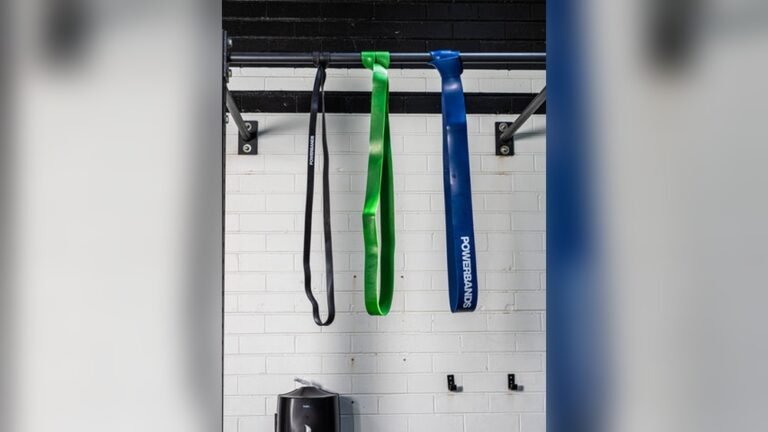
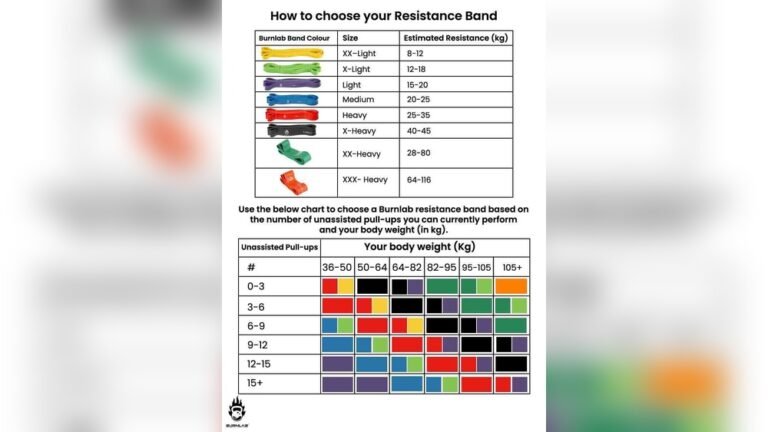
Select Proper Band Resistance
Pick a band with resistance that matches your strength level. Bands come in light, medium, and heavy resistance. Start with lighter bands if you are new. Using too much resistance can cause strain or band breakage. Gradually increase resistance as you get stronger. This helps avoid injuries and keeps your muscles challenged.
Use Quality Handles
Handles give you a secure grip and control during exercises. Choose handles made from strong materials with a comfortable grip. Poor quality handles may slip or break under tension. Check the connection between the handle and band before each use. Replace handles if you notice cracks, tears, or loose parts. Safe handles reduce the chance of accidents.
Replace Worn-out Shoes
Wear proper shoes when using resistance bands. Shoes with good support and grip protect your feet and improve stability. Worn-out shoes increase the risk of slipping or losing balance. Replace shoes once the soles wear thin or support fades. Strong footing helps you perform movements safely and confidently.

Credit: ironcorefitness.net
Anchor Resistance Bands Safely
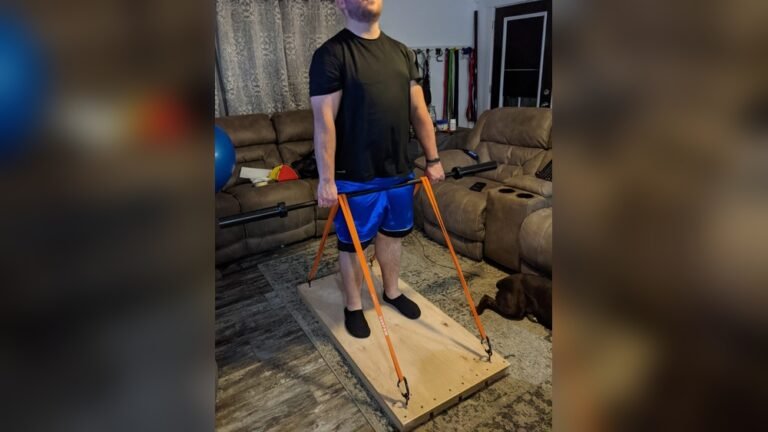
Anchoring resistance bands correctly is essential for safe workouts. Improper anchoring can cause the band to slip or snap back, leading to injury. Taking a few precautions ensures a secure setup and smooth exercise flow.
Use Secure Anchor Points
Choose strong, stable objects to anchor your resistance bands. Door anchors designed for bands work well. Avoid weak or movable items that can shift during use. Solid hooks, poles, or heavy furniture also provide good support.
Avoid Sharp Edges
Keep bands away from rough or sharp surfaces. Edges can cut or wear down the band material quickly. Use padding or cloth to protect the band if contact with edges is unavoidable. This prevents damage and extends the band’s life.
Check Stability Before Use
Test the anchor point before starting exercises. Give it a firm pull to confirm it holds steady. Ensure the band is properly attached and not twisted. Stop immediately if you feel any slipping or looseness to avoid accidents.
Frequently Asked Questions
What Are The Safety Considerations For Resistance Bands?
Always inspect resistance bands for damage before use. Avoid sudden, jerky movements to prevent injury. Maintain proper form and secure anchoring points. Store bands away from heat, sunlight, and sharp objects. Never release bands under tension to avoid snapping back and causing harm.
How To Safely Use Resistance Bands?
Inspect resistance bands for damage before use. Warm up properly and wear suitable clothing. Perform slow, controlled movements. Secure bands to stable anchors away from sharp edges. Store bands in cool, dry places away from sunlight and chemicals to prevent damage.
What Are The 5 Rules Of Exercise Safety?
1. Warm up before exercising to prepare muscles and prevent injury. 2. Use proper form and controlled movements to avoid strain. 3. Inspect equipment for damage before each use. 4. Wear appropriate clothing and footwear for support and comfort. 5.
Stay hydrated and cool down after workouts to aid recovery.
What Should You Not Do With A Resistance Band?
Do not release a stretched band suddenly; avoid jerky movements and poor form. Never use damaged bands or improper anchors. Keep bands away from heat, sharp objects, and chemicals. Always maintain tension and warm up before exercises. Avoid using bands as suspension trainers unless designed for it.
Conclusion
Using resistance bands safely protects your body and extends band life. Always check bands for damage before each use. Move slowly and keep control during exercises. Store bands in cool, dry places away from sunlight. Avoid sharp objects and improper anchoring points.
Follow these tips to enjoy effective and injury-free workouts. Stay mindful and consistent for better results. Safety first, strength follows.

I am a certified fitness coach with over 10 years of experience helping people improve their strength, endurance, and overall health. Specializes in workout programming, weight training, fat loss, muscle building, home fitness, and evidence-based nutrition.My goal is to make fitness simple and practical through well-researched guides, honest product reviews, and actionable training advice.