Are you ready to transform your workouts with a simple, affordable tool? Resistance bands are incredibly versatile and effective, whether you’re just starting out or looking to enhance your fitness routine.
But to get the best results, you need to know how to use them properly. This usage guide will help you pick the right bands, understand the different types, and show you how to maximize your workouts safely and efficiently.
Keep reading to discover how resistance bands can become your new favorite fitness companion and help you reach your goals faster than you imagined.
Credit: www.livescience.com
Choosing Bands
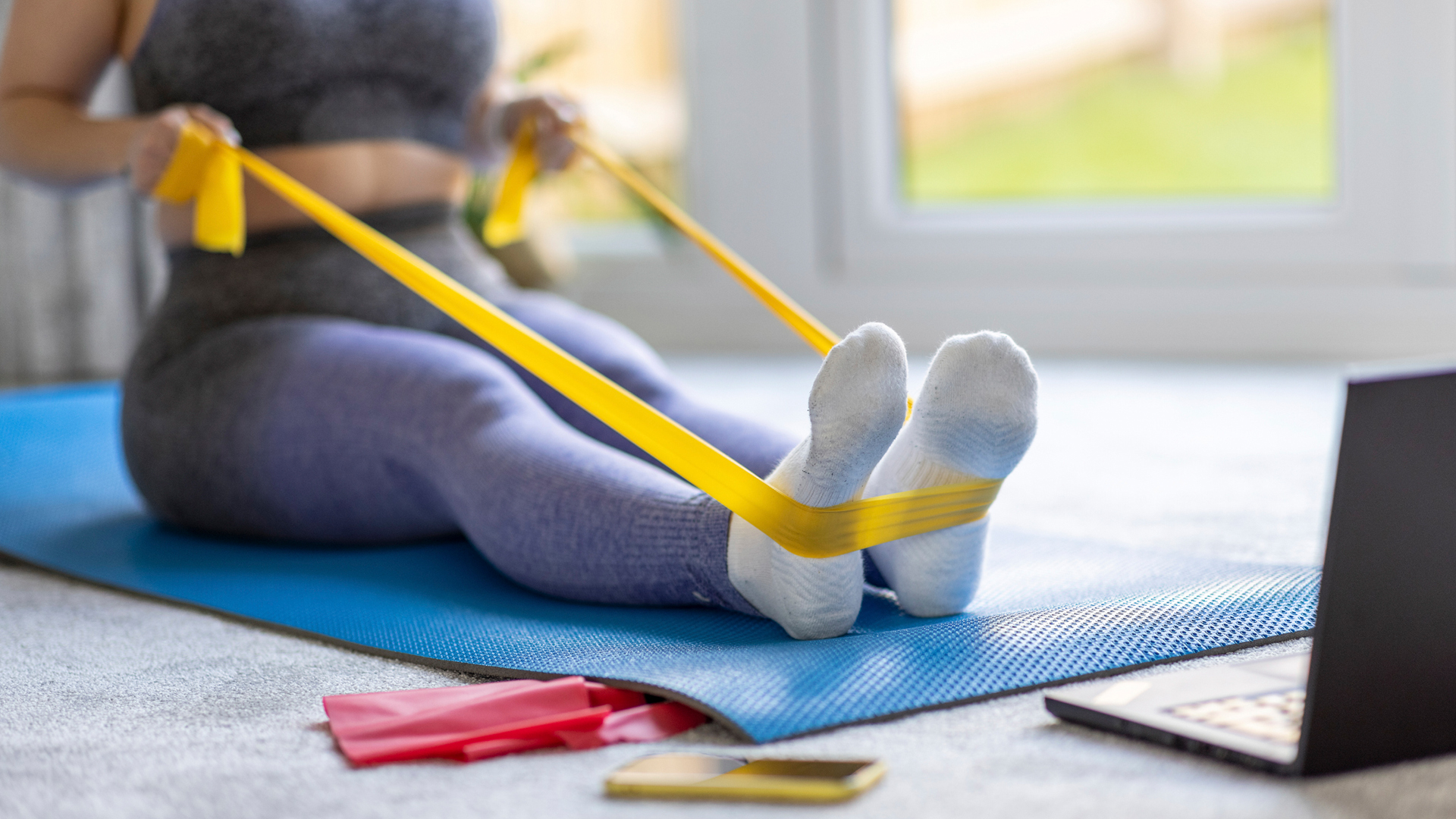
Choosing the right resistance bands makes your workout safe and effective. The variety of bands can confuse beginners. Understanding resistance levels, band types, materials, and matching bands to muscle groups helps you decide.
Each band serves a different purpose. Picking the correct one improves your form and results. Consider your strength and workout goals when selecting bands.
Resistance Levels
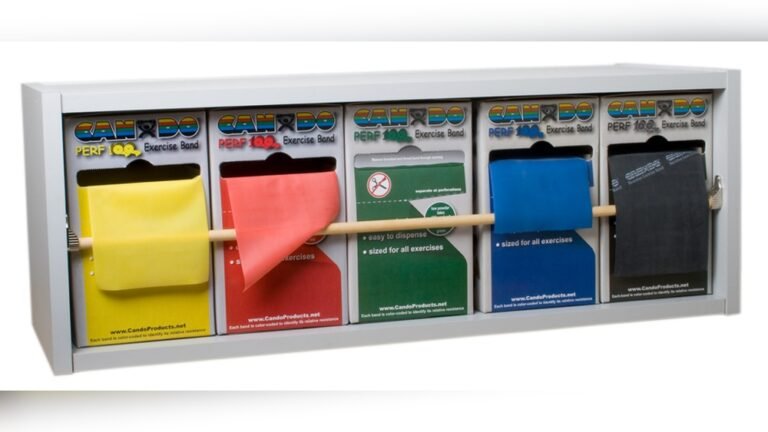
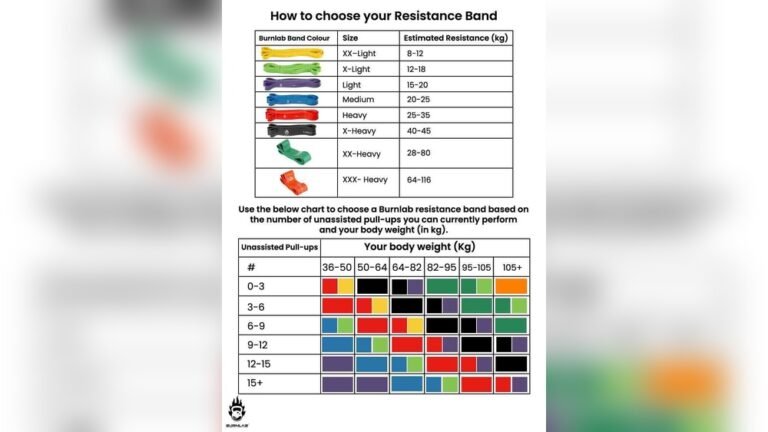
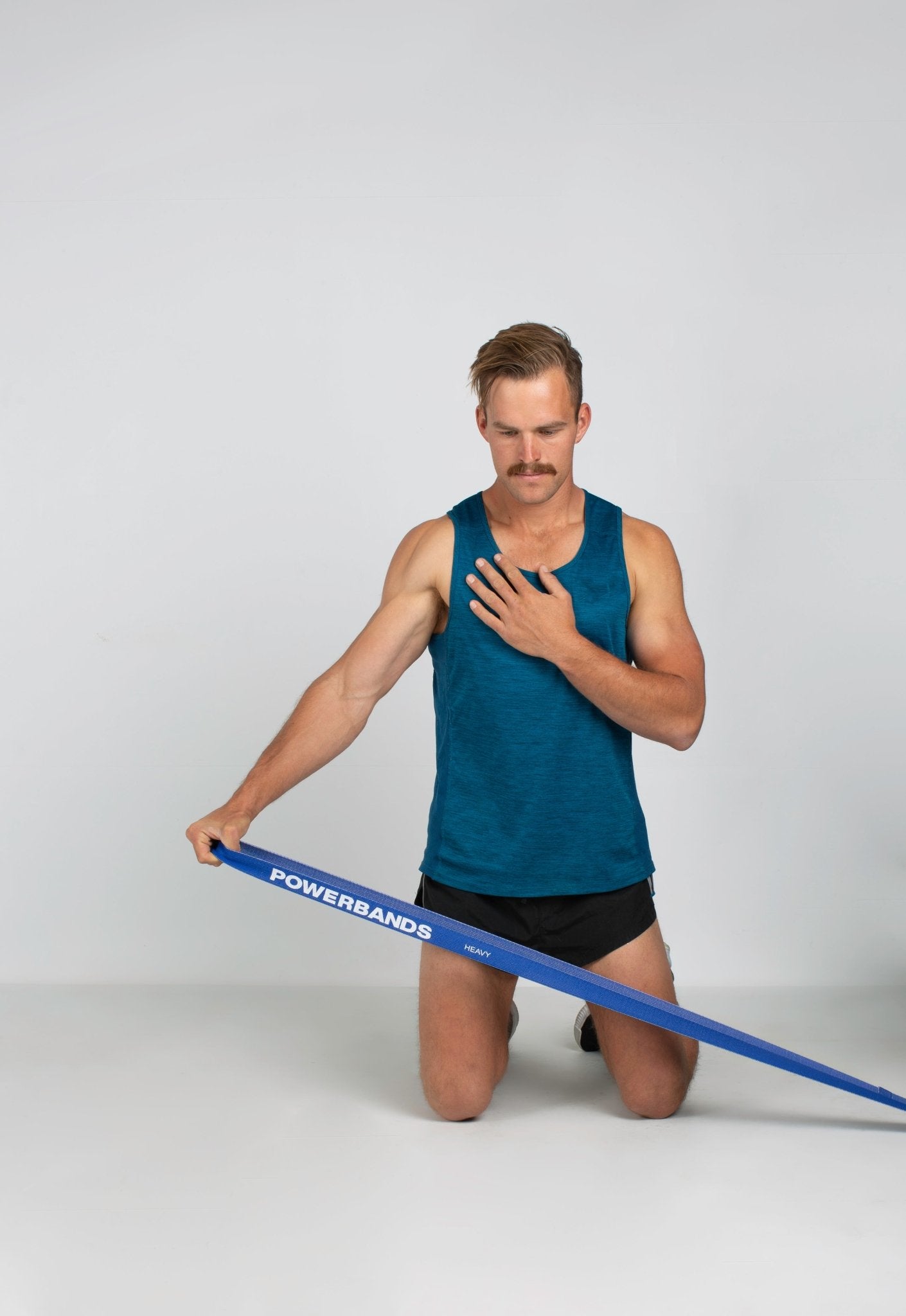
Resistance bands come in different tensions. Lighter bands suit beginners or small muscles. Colors often show resistance: yellow or red means light, black means heavy. Check the brand’s color guide, as colors can vary. Start with light bands to learn proper form. Increase resistance as you grow stronger.
Band Types And Sizes
There are loop bands and long tube bands. Loop bands are short and circular. They target legs and glutes well. Long tube bands are versatile and often include handles. They are good for full-body exercises and stretching. Choose shorter bands for arms and longer bands for full-body work. Width also affects resistance. Thicker bands offer more tension. Thinner bands are easier to stretch.
Materials And Durability
Resistance bands come in latex, rubber, and fabric. Latex and rubber bands stretch well and feel smooth. They suit most exercises. Fabric bands are durable and do not roll or pinch skin. They are great for leg and glute workouts. Pick a material that feels comfortable and lasts long. Quality bands save money over time.
Matching Bands To Muscle Groups
Use lighter bands for small muscles like arms and shoulders. Heavier bands work best for large muscles like legs and back. Longer bands help with stretching and full-body moves. Mixing different bands in your set allows targeted training. This balance prevents injury and improves strength evenly.
Credit: powerbands.com.au
Starting Workouts
Starting workouts with resistance bands sets the tone for a safe and effective session. Using the right approach helps build strength and avoid injury. Begin gently and focus on learning proper movements. Gradually increase intensity as your body adapts. This section guides beginners through warm-ups, basic exercises, and form tips to start confidently.
Warm-up With Bands
Warming up prepares muscles and joints for exercise. Use light resistance bands for 5 to 10 minutes. Perform slow, controlled movements like arm circles, leg lifts, or gentle squats. This increases blood flow and loosens tight muscles. Warm-ups reduce injury risk and improve workout quality.
Basic Exercises For Beginners
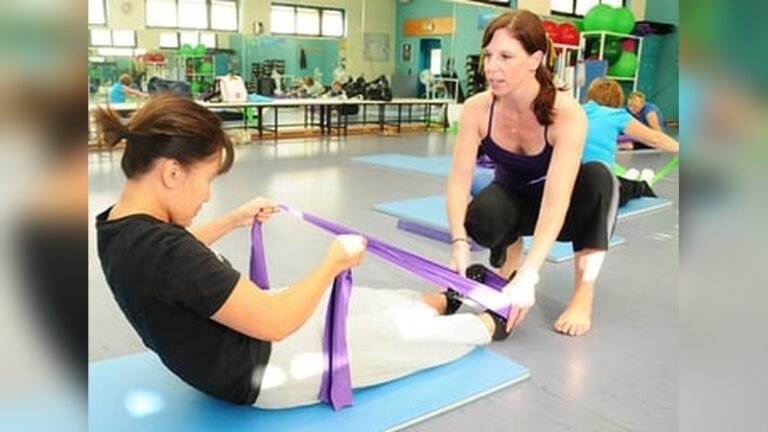
Start with simple exercises targeting major muscle groups. Examples include banded squats, seated rows, and chest presses. Choose a light band with manageable resistance. Perform 2 to 3 sets of 10 to 15 reps. Focus on smooth, steady motions. Avoid rushing or using jerky movements to prevent strain.
Form And Technique Tips
Good form is key for effective workouts and safety. Keep your core tight and posture upright. Move joints through their full range without locking them. Control the band’s tension throughout each exercise. Avoid letting the band snap back quickly. Breathe steadily and avoid holding your breath during reps.
Workout Tips
Using resistance bands effectively requires smart workout strategies. These tips help you build strength safely and steadily. Follow clear guidelines to avoid injury and get the most from each session.
Focus on proper form and controlled movements. Keep your muscles engaged throughout exercises. Consistency matters more than speed or heavy resistance early on.
Reps And Sets For Beginners
Start with 2 to 3 sets per exercise. Aim for 10 to 15 reps in each set. Rest 30 to 60 seconds between sets. This range helps build endurance and strength safely. Avoid pushing too hard at the start. Focus on smooth, controlled motions.
Progressing Resistance
Increase resistance gradually to avoid strain. Move to thicker or shorter bands as you grow stronger. Add more sets or reps to challenge muscles further. Track your progress weekly. Progressing slowly improves strength and prevents injury.
Combining Bands With Other Equipment
Use resistance bands alongside dumbbells or bodyweight exercises. Bands add tension and variety to workouts. Combine bands with machines to target muscles differently. Mixing tools keeps workouts fresh and effective. This approach builds balanced muscle strength and improves flexibility.
Band Care
Proper care of resistance bands extends their life and ensures safe workouts. Bands can wear out quickly without the right attention. Small steps in cleaning, storage, and handling keep them strong and reliable. Follow simple tips to maintain your bands in top shape.
Cleaning And Maintenance
Wipe bands with a damp cloth after each use. Use mild soap and water for deeper cleaning. Avoid harsh chemicals or alcohol, which can damage the material. Let bands air dry completely before storing. Check for tears or cracks regularly. Replace bands showing signs of damage to prevent injury.
Storage Recommendations
Store bands in a cool, dry place away from sunlight. Heat and UV light cause bands to weaken and lose elasticity. Keep them flat or gently rolled to avoid creases. Avoid folding bands sharply, which can cause cracks. Use a storage bag or box to protect bands from dust and sharp objects.
Avoiding Damage
Do not overstretch bands beyond their limit. Stretching too far can cause snapping or permanent damage. Avoid sharp or rough surfaces that can cut or wear down bands. Keep bands away from pets that may chew on them. Use bands only for their intended exercises to maintain strength and shape.
Common Mistakes
Resistance bands are simple tools but easy to misuse. Many beginners make common mistakes that slow progress and cause injury. Avoiding these errors improves workout results and safety.
Understanding these frequent errors helps you use resistance bands correctly. Pay attention to resistance level, exercise form, and warm-up routines. These factors make a big difference.
Using Incorrect Resistance
Choosing the wrong band resistance is a common error. Too light bands do not challenge muscles enough. Too heavy bands strain muscles and joints.
Start with lighter bands to learn proper movements. Gradually increase resistance as strength improves. Different exercises need different band tensions.
Poor Form Habits
Bad form reduces exercise benefits and risks injury. Many users let bands snap back quickly or lose control. Maintain steady, controlled movements throughout each set.
Focus on posture and muscle engagement. Slow and controlled reps build strength better. Use a mirror or record yourself to check form.
Ignoring Warm-up And Cool-down
Skipping warm-up and cool-down harms muscles and joints. Warm-up prepares your body for exercise and reduces injury risk. Cool-down aids recovery and prevents stiffness.
Spend 5-10 minutes warming up with light cardio or dynamic stretches. After workouts, stretch the muscles worked with the bands gently.
Credit: fitcord.com
Targeted Workouts
Resistance bands allow focused exercises for different body areas. Targeted workouts help you strengthen specific muscles. These bands are flexible tools that suit all fitness levels.
Choose the right band for each muscle group. Use lighter bands for smaller muscles and heavier ones for larger muscles. This guide shows simple moves for upper, lower, and full body workouts.
Upper Body Moves
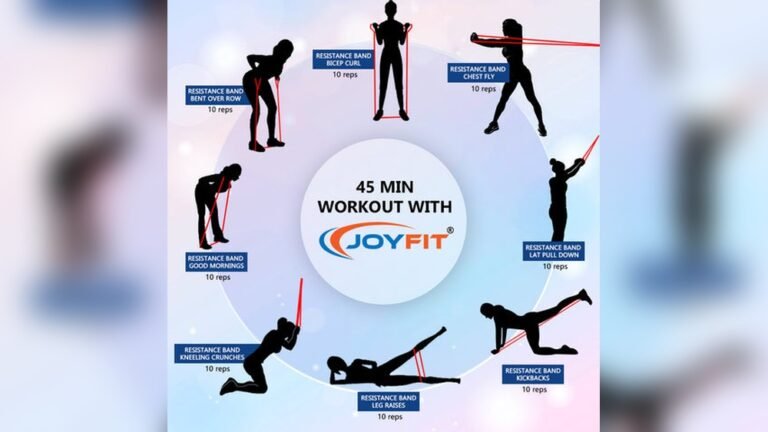
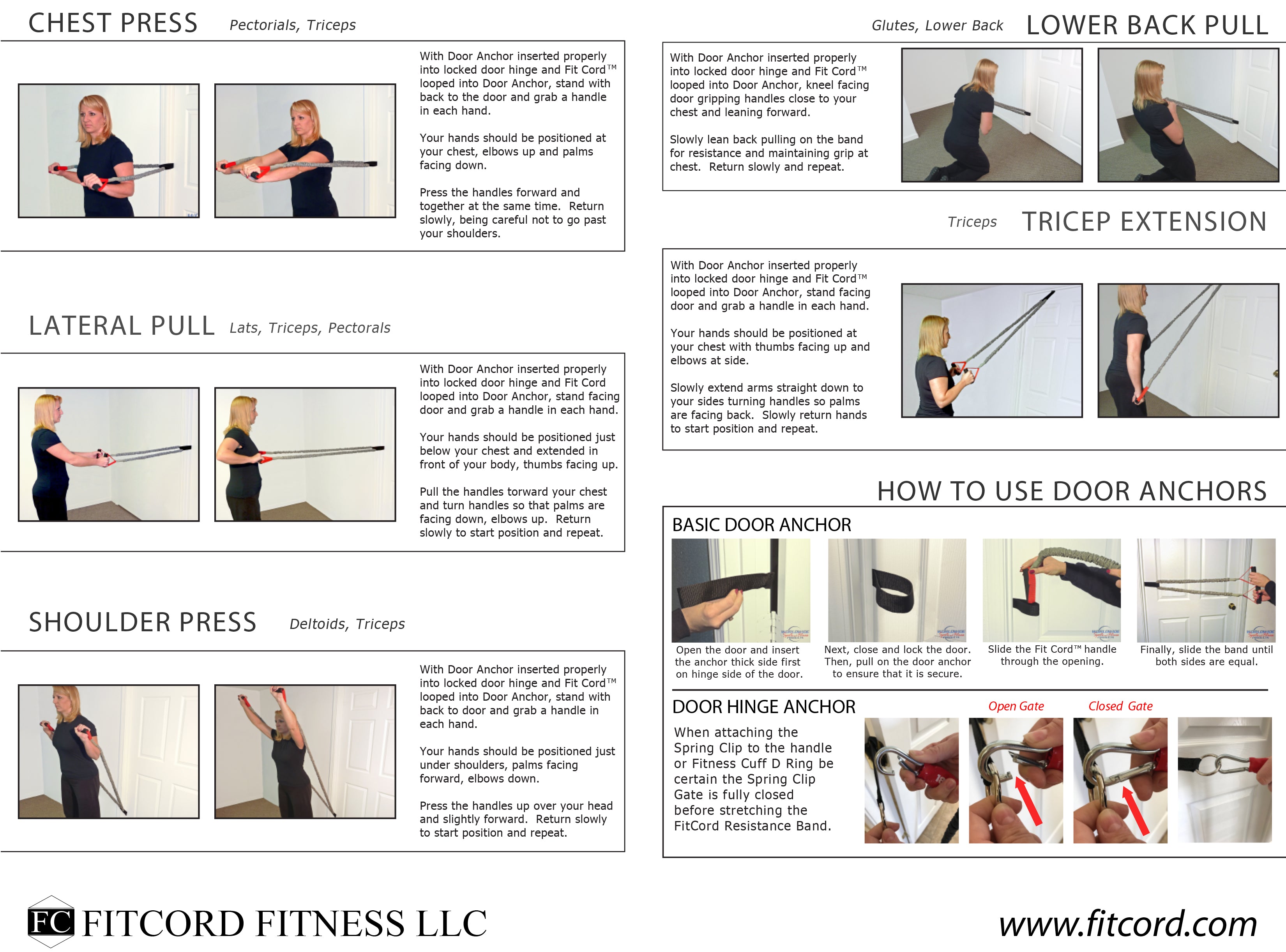
Use resistance bands to tone arms, shoulders, and chest. Try bicep curls by stepping on the band and pulling handles up. Perform shoulder presses by pressing the band overhead while standing. Rows work your back by pulling the band towards your body. These exercises improve strength and muscle shape.
Lower Body Moves
Focus on legs and glutes with resistance bands. Squats with bands around knees increase muscle activation. Side leg lifts target outer thighs and hips. Glute bridges with bands add extra resistance for your buttocks. These moves build power and improve balance.
Full Body Routines
Combine upper and lower body moves for full body strength. Start with banded squats, then add rows and presses. Use longer bands for stretching after strength exercises. Full body routines save time and boost overall fitness. They help improve coordination and muscle endurance.
Frequently Asked Questions
What Is The Proper Way To Use Resistance Bands?
Hold the band securely and maintain proper posture. Perform controlled movements matching your fitness level. Start with light resistance to master form. Use appropriate band length and thickness for targeted muscles. Gradually increase tension to challenge muscles safely.
How Many Minutes Should I Use Resistance Bands?
Use resistance bands for 15 to 30 minutes per session. Focus on proper form and rest between sets. Adjust time based on your fitness level and goals.
How Do You Know Which Resistance Band To Use?
Choose resistance bands by matching resistance to your strength and target muscles. Start light to master form. Use shorter bands for arms, longer for full-body. Buy a set with varied tensions. Prioritize durable materials like fabric to avoid rolling or snapping.
Test bands to find the right challenge.
What Do The Different Colors Of Resistance Bands Mean?
Resistance band colors indicate resistance levels, varying by brand. Generally, yellow is lightest, progressing to black as heaviest. Choose colors based on your strength and exercise needs. Lighter bands suit small muscles; heavier bands target large muscles for effective workouts.
Conclusion
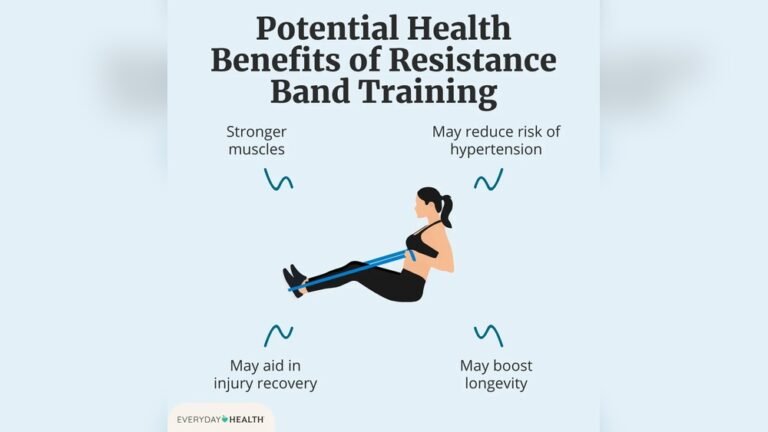
Resistance bands offer a simple way to improve strength and flexibility. Start with lighter bands to learn proper form and avoid injury. Choose bands based on your workout goals and muscle groups. Using a variety of bands helps target different areas effectively.
Always focus on controlled movements for the best results. Regular use can enhance your fitness without needing heavy equipment. Keep your bands in good condition to ensure safety and durability. Small daily efforts with resistance bands lead to steady progress over time.
I am a certified fitness coach with over 10 years of experience helping people improve their strength, endurance, and overall health. Specializes in workout programming, weight training, fat loss, muscle building, home fitness, and evidence-based nutrition.My goal is to make fitness simple and practical through well-researched guides, honest product reviews, and actionable training advice.