Your powerlifting belt is more than just gear—it’s a crucial partner in every heavy lift you conquer. But are you giving your belt the care it deserves?
Neglecting its maintenance could lead to cracks, stiffness, or even early wear, putting your safety and performance at risk. You’ll discover simple, effective tips to keep your powerlifting belt in top shape for years to come. Ready to protect your investment and lift with confidence?
Let’s dive into the essential maintenance steps that every lifter should know.
Choosing The Right Belt Material
Choosing the right material for a powerlifting belt affects comfort and durability. The belt must provide firm support during heavy lifts. Some materials offer better stiffness and longevity. Others focus on flexibility and ease of cleaning. Understanding material types helps you maintain your belt well.
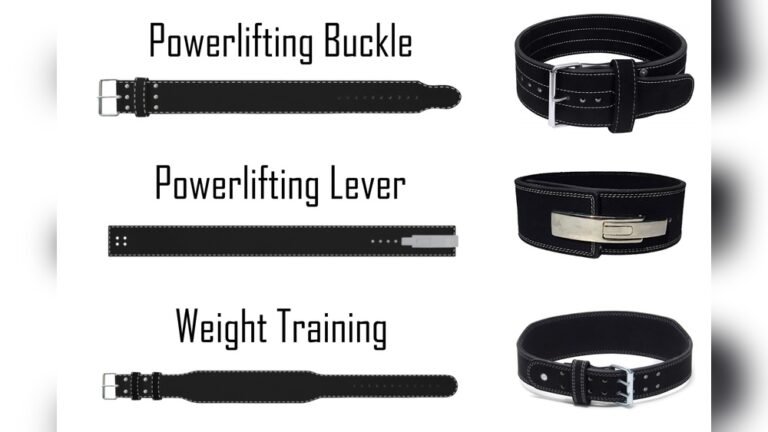
Leather Vs Synthetic Options
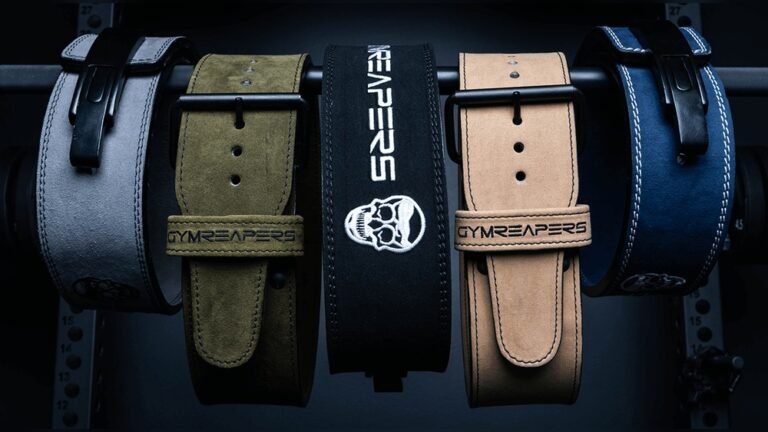
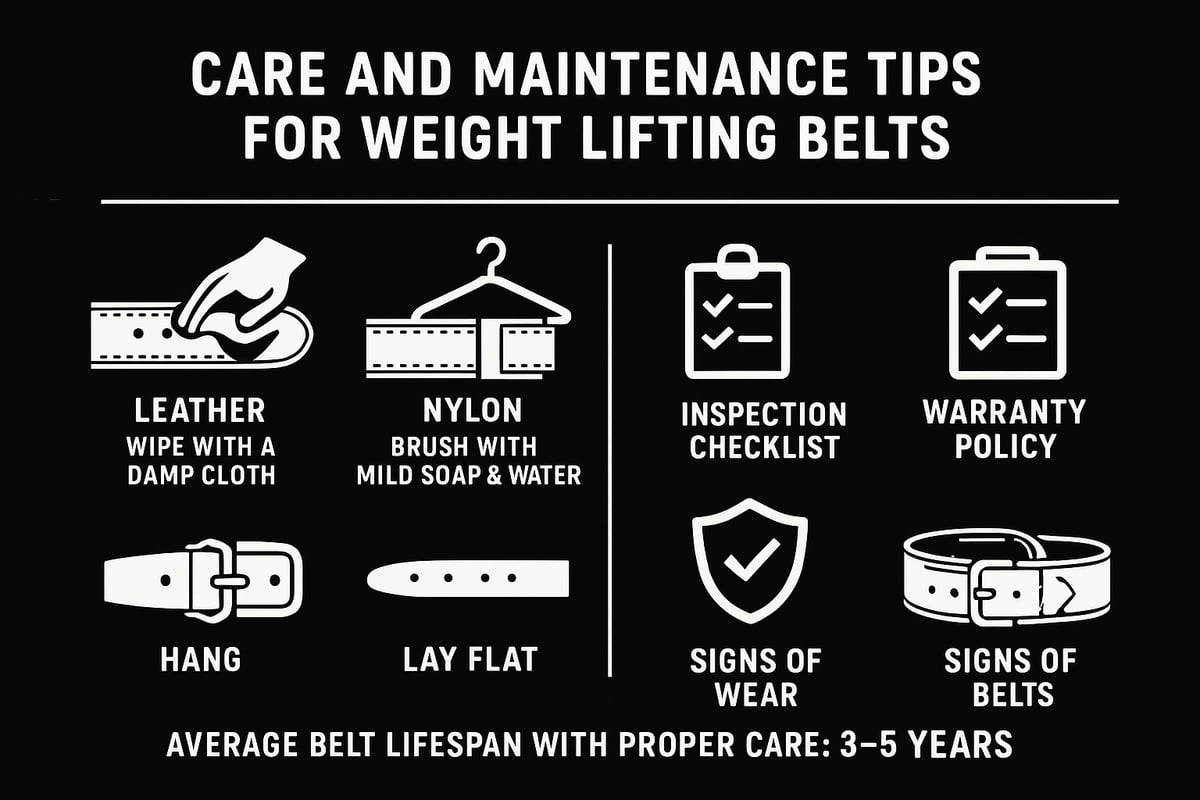
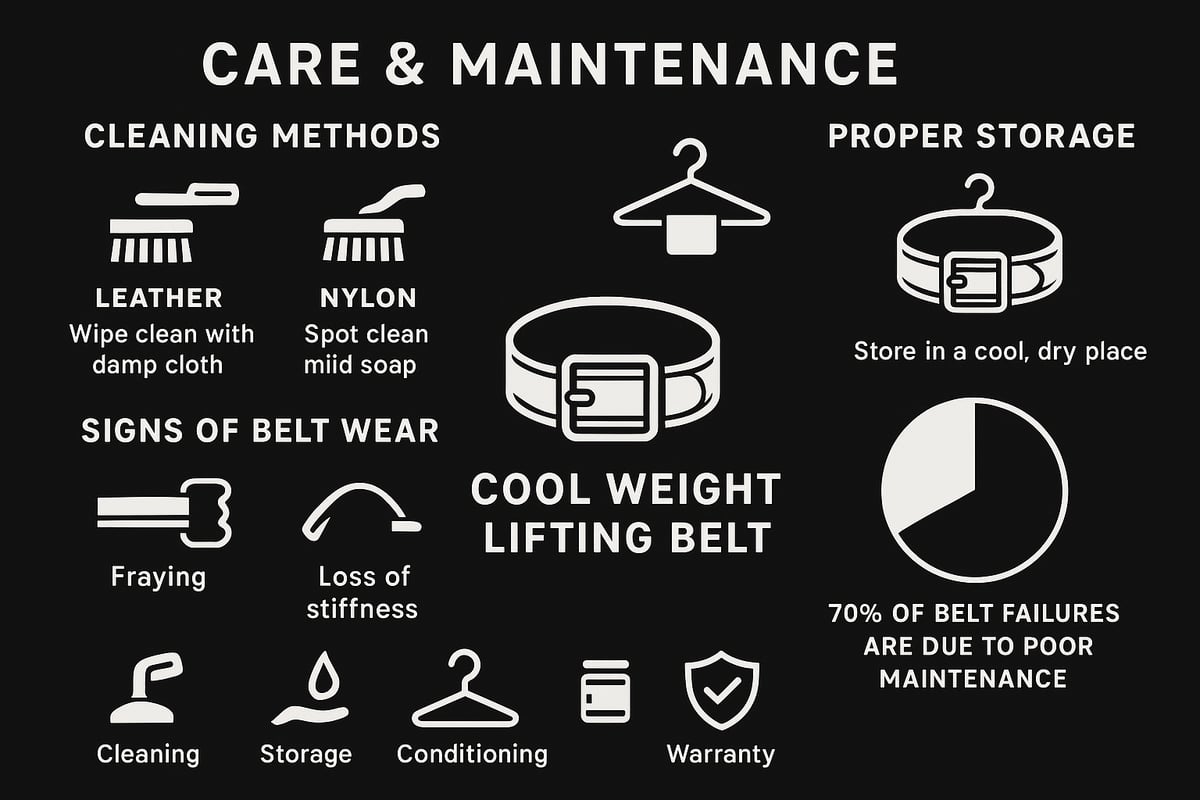
Leather belts are popular for their strength and durability. They mold to your body over time, giving a custom fit. Leather also tends to last longer with proper care. Cleaning requires gentle wiping and occasional conditioning to prevent cracks.
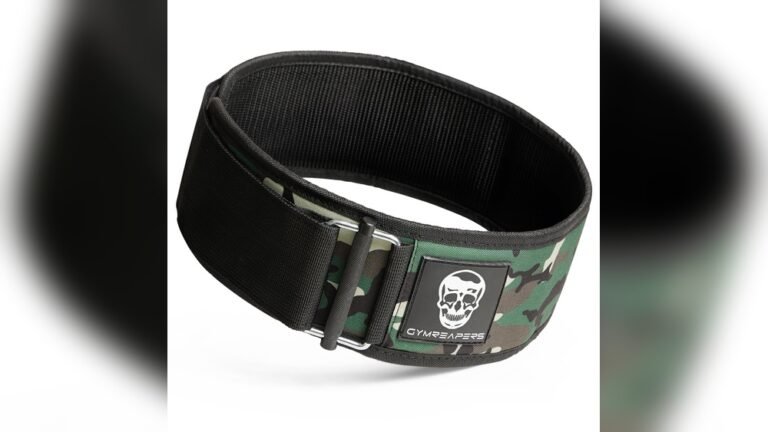
Synthetic belts use materials like nylon or polyurethane. These belts are lighter and easier to clean. They resist water and sweat better than leather. However, synthetic belts may wear out faster and lose stiffness.
Thickness And Width Considerations
Belt thickness affects support and comfort. Thicker belts offer more rigidity but might feel stiff at first. Thinner belts are more flexible but may not provide enough support for very heavy lifts.
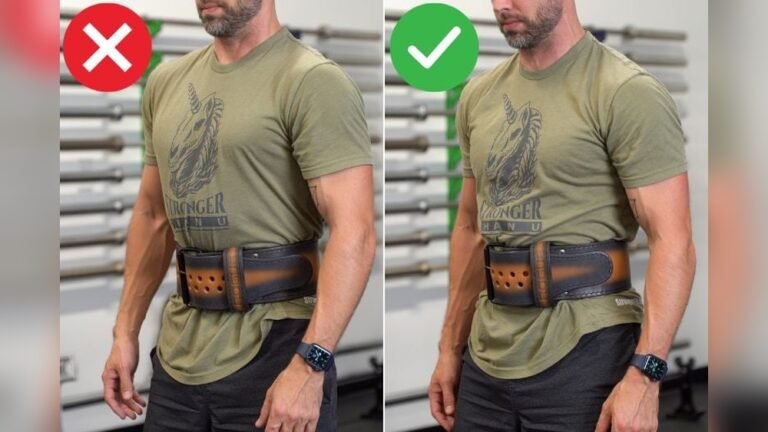
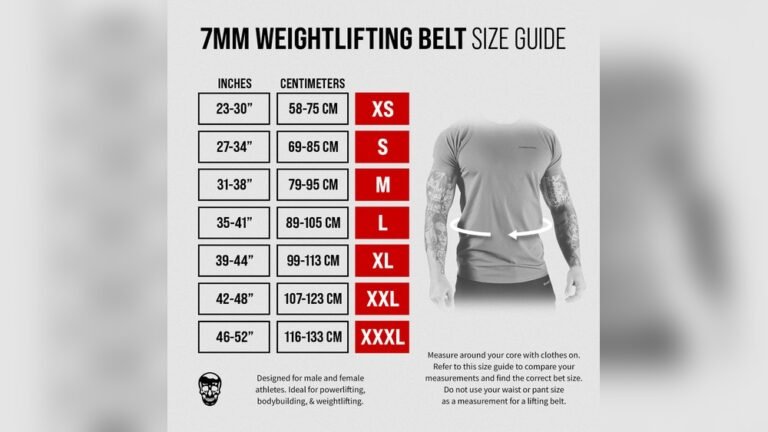
Width impacts how the belt fits your waist and back. Most powerlifting belts are 4 inches wide. Some prefer narrower belts for better movement. Choose a width that feels secure without restricting breathing.

Credit: katamu.co
Daily Cleaning Techniques
Daily cleaning of your powerlifting belt keeps it fresh and long-lasting. Sweat and chalk build up quickly during workouts. Removing them every day prevents damage and bad odors. Simple cleaning steps protect the belt’s material and maintain its look.
Removing Sweat And Chalk
Use a soft, dry cloth to wipe off sweat and chalk. Focus on both sides of the belt, especially areas touching your body. Avoid using harsh brushes that can scratch the surface. This quick step stops grime from settling deep into the belt.
Using Mild Soap And Water
Mix a small amount of mild soap with water. Dip a soft cloth into the soapy water, then wring it out well. Gently wipe the belt’s surface to clean dirt and sweat. Never soak the belt or use strong detergents. After cleaning, use a dry cloth to remove moisture. Let the belt air dry completely before the next use.
Deep Cleaning Methods
Deep cleaning your powerlifting belt keeps it safe and long-lasting. Dirt, sweat, and chalk build-up reduce its support and comfort. Regular deep cleaning removes grime without harming the material. Use gentle tools and mild cleaners to protect the belt’s surface. Below are key methods to deep clean your belt effectively.
Soft Brush Use
Choose a soft brush with gentle bristles for cleaning. Lightly scrub the belt to remove dirt and chalk. Focus on stained or soiled areas for better results. Avoid hard scrubbing to prevent scratches or damage. A soft brush reaches crevices and the belt’s texture easily.
Avoiding Harsh Chemicals
Use mild soap or leather cleaner instead of harsh chemicals. Strong chemicals weaken the belt’s material and cause cracks. Test any cleaner on a small area before full use. Rinse thoroughly with clean water to remove all soap. Let the belt air dry naturally, away from direct heat.
Credit: katamu.co
Drying And Storage Tips
Proper drying and storage are key to keeping your powerlifting belt in good shape. These steps prevent damage and extend the belt’s life. Moisture and improper storage can cause the leather or material to crack, warp, or lose strength. Follow these simple tips to maintain your belt’s quality.
Air Drying Properly
After cleaning or sweating, let the belt dry naturally. Lay it flat or hang it in a well-ventilated area. Avoid folding the belt while drying to keep its shape. Do not use heaters or dryers, as heat can dry out and crack the leather. Air drying keeps the belt flexible and strong.
Avoiding Direct Sunlight
Keep your belt away from direct sunlight. Sunlight can fade colors and dry out the material. Over time, this causes the belt to become brittle and weak. Store the belt in a shaded, cool place to protect it. This simple step helps maintain the belt’s look and durability.
Best Storage Practices
Store your belt flat or hang it by the buckle to avoid creases. Use a breathable bag or cover to keep dust off. Avoid tight spaces where the belt could get bent or crushed. Regularly check the belt for any signs of wear. Proper storage keeps your belt ready for every lifting session.
Conditioning And Oiling
Conditioning and oiling are key steps to keep your powerlifting belt in good shape. These processes protect the leather from drying out and cracking. They also keep the belt flexible and comfortable for your lifts. Proper care extends the life of your belt and maintains its appearance. Follow simple methods to condition and oil your belt correctly.
Choosing The Right Leather Conditioner
Pick a leather conditioner made for thick, heavy leather. Avoid products with wax or silicone, as they can clog the leather pores. Look for natural conditioners like mink oil or leather balm. These penetrate deeply and keep the leather soft. Always test the conditioner on a small spot first. This prevents any unwanted discoloration or damage.
Applying Neatsfoot Oil
Neatsfoot oil is a popular choice for powerlifting belts. It nourishes and restores dry leather effectively. Use a clean, soft cloth to apply a thin layer. Rub the oil gently into the leather, covering all surfaces. Let the belt absorb the oil for several hours or overnight. Wipe off any excess oil to avoid a sticky finish.
Frequency Of Conditioning
Condition your belt every 3 to 6 months, depending on use. Frequent lifters may need to oil their belt more often. Check for signs of dryness, cracks, or stiffness. Conditioning helps prevent these issues and keeps the belt flexible. Avoid over-oiling, which can weaken the leather and cause damage.
Buckle And Edge Care
The buckle and edges of a powerlifting belt need special care to last longer. These parts face the most wear and tear during lifting sessions. Proper care helps keep the belt strong and looking good. Simple steps can protect your belt from damage and keep it functional.
Cleaning Under The Buckle
Dirt and sweat collect under the buckle after each workout. Use a soft cloth or a small brush to clean this area gently. Avoid harsh chemicals that can harm the metal or leather. Wipe the buckle dry to stop rust and corrosion. Regular cleaning prevents buildup and keeps the buckle working smoothly.
Maintaining Belt Edges
The edges of the belt can crack or fray over time. Inspect the edges regularly for any damage. Use a leather conditioner or edge dressing to keep them soft and flexible. Apply the conditioner lightly with a cloth, then let it dry naturally. This care stops edges from splitting and extends your belt’s life.
Handling Common Issues
Powerlifting belts face wear and tear with regular use. Handling common issues helps keep your belt strong and safe. Small problems can grow if ignored. Timely care preserves belt quality and extends its life.
Preventing Cracks And Dryness
Leather belts dry out over time and start to crack. Keep your belt supple by applying leather conditioner. Use a soft cloth to rub the conditioner evenly on the belt. Avoid using too much oil or cream as it can weaken the leather.
Store your belt in a cool, dry place away from direct sunlight. Heat and moisture accelerate leather damage. Wipe off sweat and chalk after each workout to prevent buildup. This simple habit stops dryness and cracking early.
Fixing Minor Damages
Small scratches and scuffs appear during heavy lifting. Clean the belt gently with a damp cloth before fixing any damage. Use leather repair kits to fill in scratches or tears. Follow the instructions carefully for best results.
For loose stitching, use a strong needle and thread to sew it back. Avoid pulling the stitches too tight to prevent new holes. Repairing minor issues quickly keeps your belt safe for lifting heavier weights.
Extending Belt Lifespan
Extending the lifespan of a powerlifting belt saves money and keeps your gear reliable. Proper care helps the belt maintain its shape and strength. Small habits during training can make a big difference over time.
Rotating Belts
Use more than one belt if possible. Rotating belts gives each one time to rest. This prevents constant wear in one spot. It also helps the leather or material dry out between uses. Dry belts last longer and resist cracking.
Avoiding Over-tightening
Do not tighten the belt too much. Over-tightening strains the belt’s material. It can cause stretching and damage to the buckle area. Tighten just enough to support your core. A snug fit protects your body and the belt itself.
Credit: katamu.co
Frequently Asked Questions
How Long Do Powerlifting Belts Last?
Powerlifting belts typically last 2 to 5 years with proper care. Regular cleaning and conditioning extend belt life significantly. Avoid moisture and harsh chemicals. Inspect for cracks or wear often to ensure safety and durability during lifts.
How To Clean A Powerlifting Belt?
Clean a powerlifting belt by wiping it with a soft, damp cloth and mild soap. Gently scrub stained areas. Avoid harsh chemicals and abrasive brushes. Let it air dry completely. Regularly apply leather conditioner or oil to maintain flexibility and prevent cracking.
How Do You Care For A Sbd Belt?
Clean your SBD belt with a damp cloth and mild soap. Avoid harsh chemicals. Let it air dry fully. Apply leather conditioner regularly to prevent cracking and maintain flexibility. Store in a cool, dry place away from direct sunlight. Wipe off chalk and sweat after each use.
How Do You Take Care Of A Belt?
Clean your belt with a soft, damp cloth and mild soap. Avoid harsh chemicals. Let it air dry fully. Apply leather conditioner regularly to prevent cracking. Store in a cool, dry place away from direct sunlight. Wipe off chalk and sweat after each use to maintain durability.
Conclusion
Caring for your powerlifting belt helps it last longer and stay strong. Clean it regularly with a soft cloth and mild soap. Avoid harsh chemicals that can damage the leather. Keep the belt dry and store it properly when not in use.
Small steps make a big difference in belt durability. Follow these tips to protect your investment and support your lifts safely. Remember, a well-maintained belt performs better and feels comfortable every time. Take care of your gear, and it will take care of you.
I am a certified fitness coach with over 10 years of experience helping people improve their strength, endurance, and overall health. Specializes in workout programming, weight training, fat loss, muscle building, home fitness, and evidence-based nutrition.My goal is to make fitness simple and practical through well-researched guides, honest product reviews, and actionable training advice.