If you’re serious about lifting heavier and protecting your back, knowing how to use a powerlifting belt can make a big difference. This simple tool does more than just support your lower back—it helps you create the tight core stability needed to push through tough squats, deadlifts, and bench presses.
But wearing it wrong can hold you back or even cause discomfort. In this guide, you’ll learn exactly where to place your belt, how tight it should be, and when to strap it on for maximum benefit. Keep reading, and you’ll lift smarter, safer, and stronger every time you hit the gym.
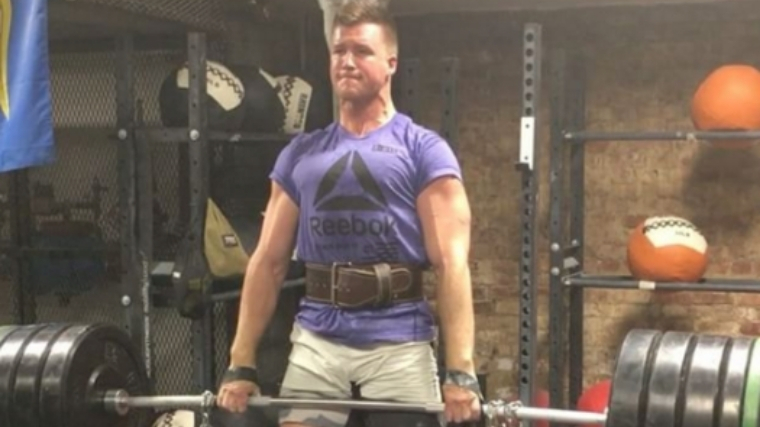
Credit: barbend.com
Powerlifting Belt Benefits
Using a powerlifting belt offers several key benefits for lifters. It helps improve safety and performance during heavy lifts. Wearing a belt can protect your body and support your core muscles. Below are the main advantages of using a powerlifting belt.
Core Stability Boost
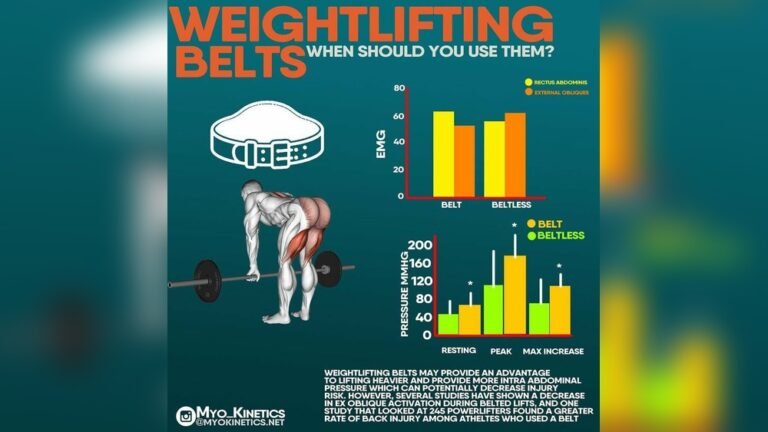
A powerlifting belt increases pressure inside your abdomen. This pressure creates a solid base for your core muscles. It helps keep your torso tight and stable during lifts. A stable core reduces the risk of injury. It also allows you to lift heavier weights safely.
Lower Back Support
The belt supports your lower back by limiting excessive movement. It helps maintain the natural curve of your spine. This support reduces strain on the lumbar area. Lower back pain and injuries become less likely. The belt acts like an external brace during heavy lifts.
Enhanced Lifting Performance
Wearing a powerlifting belt can improve your lifting power. The extra core stability lets you generate more force. This helps with squats, deadlifts, and other heavy exercises. Many lifters notice better control and balance. The belt gives confidence to push through tough lifts.
Choosing The Right Belt
Choosing the right powerlifting belt is key to improving your lifts and protecting your body. The belt supports your core and lower back during heavy lifts. A good belt fits well and matches your lifting style. Knowing the differences in materials, types, and sizes helps you pick the best option for your needs.
Material And Thickness
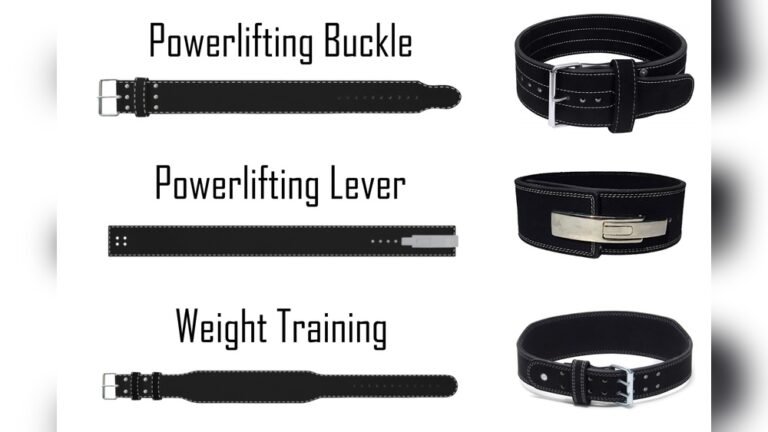
Most powerlifting belts are made from leather or synthetic materials. Leather belts offer strong support and last long. Synthetic belts are lighter and often more comfortable. Thickness usually ranges from 10mm to 13mm. Thicker belts provide more support but may feel stiff at first. Choose a thickness that balances comfort and stability.
Belt Types: Lever Vs. Prong
Lever belts use a lever to fasten quickly and tightly. They offer easy adjustment and firm support. Prong belts have one or two prongs that go into holes on the belt. They allow more size adjustment but take longer to fasten. Lever belts suit lifters who want fast changes. Prong belts suit those who want a perfect fit.
Sizing Tips
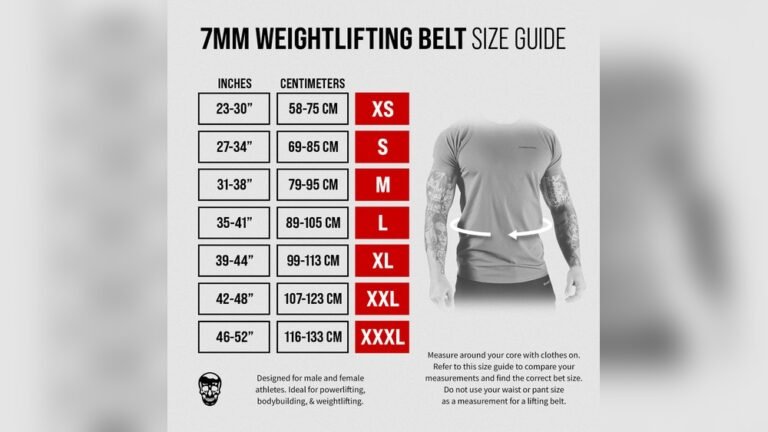
Measure your waist where the belt will sit, usually above the hips. Use the belt brand’s sizing chart to find your size. The belt should fit snugly but not cut into your skin. If between sizes, pick the smaller one for a tighter fit. Remember, belts stretch with use, so avoid a belt that feels too loose.
Proper Belt Placement
Proper belt placement is essential for effective support and safety during powerlifting. Wearing the belt correctly helps stabilize your core and protect your lower back. Incorrect placement can reduce the belt’s benefits and even cause discomfort. Follow these guidelines to position your powerlifting belt for the best results.
Positioning Around The Midsection
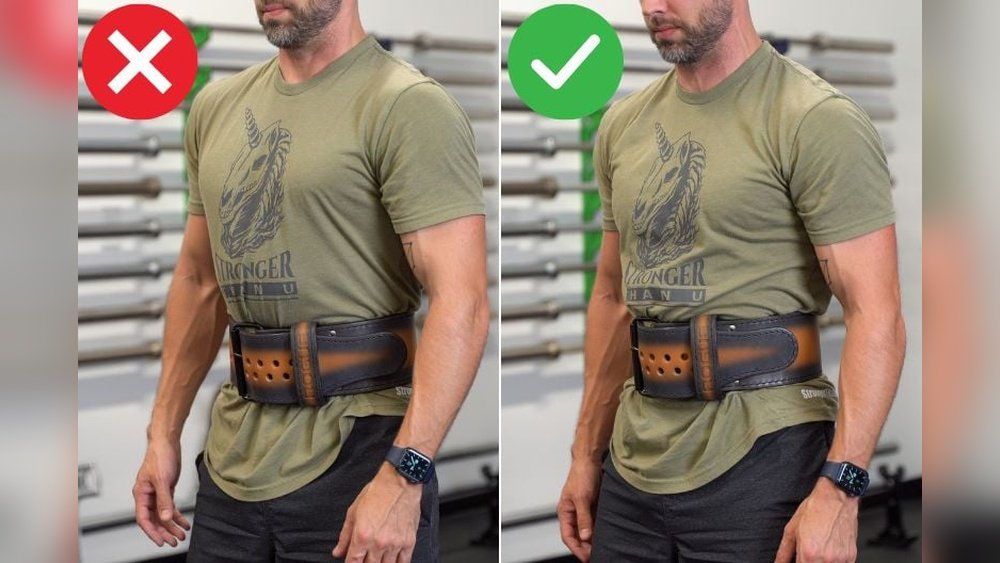
Place the belt around your midsection, covering the lower ribs and upper hips. It should sit snugly but not so tight that it restricts breathing. The belt needs to press against your abdominal muscles to increase intra-abdominal pressure. This pressure helps stabilize your spine during heavy lifts.
Aligning With Belly Button And Hips
Align the belt so it sits just above your belly button and wraps around the hip bones. This position supports your core and lower back evenly. Avoid placing the belt too high on the ribs or too low on the hips. Proper alignment ensures maximum stability during squats, deadlifts, and other lifts.
Avoiding Common Placement Errors
Do not position the belt too low, as it will fail to support your spine properly. Avoid placing it too high, which can limit breathing and movement. Do not wear the belt too loose; it must be tight enough to provide pressure but still allow you to breathe deeply. Check placement before every lift to maintain safety and support.
Correct Tightening Technique
Using a powerlifting belt correctly improves your safety and strength during lifts. The key is tightening the belt properly. Too loose, and it won’t support you well. Too tight, and it may restrict your movement and breathing. Follow these steps to find the right balance.
Achieving Snug But Comfortable Fit
Place the belt around your waist, above your hips. Tighten it until it feels snug but not painful. You should feel firm support without discomfort. The belt should stay in place during movement. Avoid over-tightening to prevent blood flow issues. Check that you can still move and breathe easily.
Breathing And Bracing Against The Belt
Take a deep breath into your belly, not your chest. Push your stomach out against the belt. This action increases intra-abdominal pressure and stabilizes your core. Keep your chest up and brace your abs hard. The belt acts as a firm wall to push against. This helps protect your spine during heavy lifts.
Adjusting Between Sets
Loosen the belt slightly between sets to relax your body. This prevents discomfort and allows better blood flow. Before each lift, tighten the belt back to the snug fit. Check the position and make sure it hasn’t shifted. Small adjustments can improve your comfort and performance. Listen to your body for any signs of pain or numbness.
When To Wear A Belt
Knowing when to wear a powerlifting belt can improve your lifting safety and performance. The belt adds support to your core and lower back during heavy lifts. It helps maintain good posture and reduce injury risk. Using a belt at the right times is key to getting the most benefit.
Heavy Lifts Like Squats And Deadlifts
Wear a belt during heavy squats and deadlifts. These lifts put a lot of pressure on your lower back. The belt increases abdominal pressure and supports your spine. It helps keep your core tight and stable. This allows you to lift heavier weights more safely. Avoid using a belt for light weights to build natural core strength.
Bench Press Considerations
Wearing a belt for bench press is less common but can help. The belt gives extra core support when you lift heavy. It can improve your stability on the bench. Use it if you feel your lower back or core needs extra help. Keep in mind, the belt is not as crucial for bench press as for squats or deadlifts.
Managing Lower Back Issues
A belt can be useful if you have lower back problems. It helps reduce strain on your spine during lifting. The added support can prevent pain and injury. Always use the belt along with proper form and technique. Consult a professional if you have serious back issues before lifting heavy.

Credit: squatuniversity.com
Using The Belt Safely
Using a powerlifting belt can improve your lifting safety and performance. The key is to wear it correctly and not depend on it too much. A belt supports your lower back and core, but it should not replace proper technique or strength. Follow simple tips to use your belt safely and get the best results.
Avoiding Over-reliance
Do not use the belt for every lift. Relying on it too much weakens your natural core muscles. Save the belt for heavy sets or personal records. Train without it during warm-ups and lighter lifts. This approach keeps your body strong and balanced.
Maintaining Proper Form
Always focus on correct lifting technique. The belt helps keep your spine stable but does not fix poor form. Keep your back straight and chest up during lifts. Use the belt to feel more secure, not to cheat on your posture. Proper form reduces injury risk more than any belt.
Incorporating Core Training
Build your core strength alongside belt use. Exercises like planks, leg raises, and bird dogs improve stability. A strong core supports your spine naturally. This lowers the chance of injury and improves overall performance. Use the belt as a tool, not a crutch.
Common Mistakes To Avoid
Using a powerlifting belt can improve your lifting form and protect your back. Avoid common mistakes to get the best results. Many lifters make errors that reduce belt effectiveness or cause discomfort. Knowing what to avoid helps you lift safely and confidently.
Wearing The Belt Too Loose Or Too Tight
Wearing the belt too loose means it will not support your core. You will feel unstable during lifts. On the other hand, a belt too tight can cause pain and restrict breathing. Find a snug fit that lets you brace your core without discomfort.
Incorrect Belt Position
The belt should sit around your lower back and abdomen. Placing it too high or too low reduces support. The belt must cover the area where your core muscles engage. Adjust it so it feels natural and helps keep your spine stable.
Using Belt For Light Lifts
A powerlifting belt is designed for heavy lifts only. Using it for light exercises can weaken your core over time. Your muscles need to work without assistance during easy lifts. Save the belt for squats, deadlifts, and other heavy movements.
Maximizing Strength Gains
Wearing a powerlifting belt tightens your core and supports your lower back during heavy lifts. It helps keep your spine stable and reduces injury risk. Use it for squats, deadlifts, and bench presses to improve strength safely.
Integrating Belt Use Into Training
Use the powerlifting belt during heavy lifts only. It helps keep your spine safe and your core tight. Start by wearing the belt on squats, deadlifts, and bench presses. Avoid relying on the belt for lighter sets. Train some sets without the belt to build natural core strength. Over time, your body will learn to brace better with the belt on. This balance boosts your overall strength safely.
Breathing Techniques For Power
Proper breathing increases the belt’s support. Take a deep breath before you lift. Push your belly out against the belt firmly. This action raises intra-abdominal pressure, making your core more stable. Hold your breath while lifting heavy weight. Exhale only after completing the lift. Practice this breathing method to improve power and reduce injury risk.
Progressive Overload Strategies
Increase your weights gradually to build strength. Use the belt as you add more weight over time. Track your lifts and aim for small, steady gains. Combine belt use with good form and breathing. This approach helps your body adapt safely to heavier loads. Avoid sudden jumps in weight to prevent injury. Progressive overload with a belt maximizes strength gains effectively.
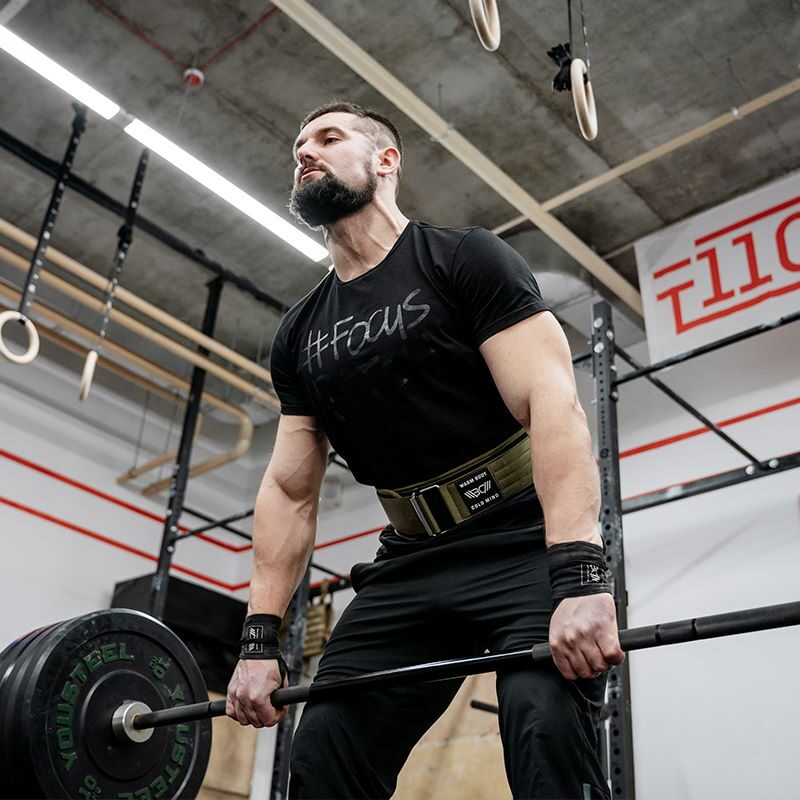
Credit: blog.warmbody-coldmind.com
Frequently Asked Questions
When To Wear A Powerlifting Belt?
Wear a powerlifting belt during heavy lifts like squats, deadlifts, and bench presses. It stabilizes your core and protects your lower back. Use it when lifting near your maximum weight or if you have back issues. Tighten it firmly but allow deep breaths for proper support.
How Do Powerlifting Belts Work?
Powerlifting belts increase intra-abdominal pressure, stabilize your core, and support your lower back. This boosts lifting performance and reduces injury risk during heavy lifts.
Does A Powerlifting Belt Actually Help You Bench More?
A powerlifting belt can help you bench more by increasing core stability and intra-abdominal pressure. This support enhances lifting power and reduces injury risk during heavy bench presses.
How Heavy Should You Lift Before Using A Belt?
Use a belt when lifting weights near or above 80% of your one-rep max. It helps stabilize your core and protect your lower back.
Conclusion
Using a powerlifting belt correctly boosts your lifting safety and strength. Place the belt tightly around your waist, just above your hips. Always brace your core against the belt before lifting. This helps keep your spine stable during heavy squats, deadlifts, and presses.
Remember, the belt supports your body but does not replace good form. Practice with lighter weights to get comfortable using it. Consistent use can help reduce injury risk and improve performance over time. Stay mindful of your body’s signals and adjust the belt as needed.
Powerlifting belts are a helpful tool when used properly.
I am a certified fitness coach with over 10 years of experience helping people improve their strength, endurance, and overall health. Specializes in workout programming, weight training, fat loss, muscle building, home fitness, and evidence-based nutrition.My goal is to make fitness simple and practical through well-researched guides, honest product reviews, and actionable training advice.