Are you ready to take your powerlifting to the next level? A powerlifting belt can be a game-changer, helping you lift heavier weights while protecting your back.
But using it the wrong way can do more harm than good. That’s why knowing the right safety tips for your powerlifting belt is essential. You’ll discover simple, practical advice to wear, care for, and use your belt safely. Keep reading to learn how to maximize your strength gains without risking injury—your body will thank you!

Credit: www.ebay.com
Powerlifting Belt Types
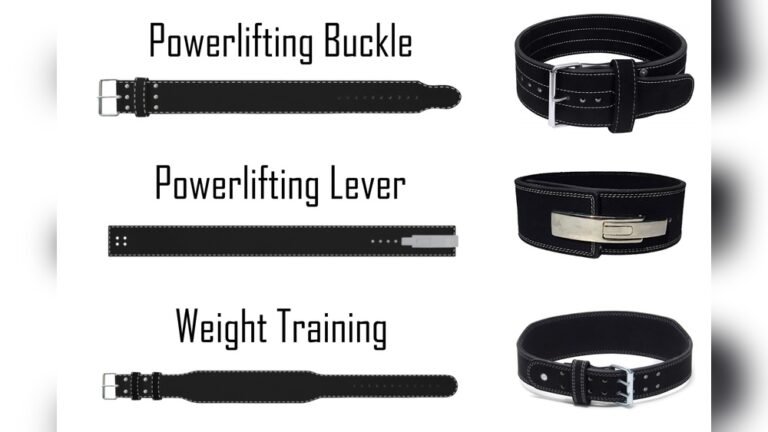
Choosing the right powerlifting belt is key for safety and performance. Different types fit various needs and preferences. Understanding these types helps you pick the best belt for your training style.
Leather Vs Nylon Belts
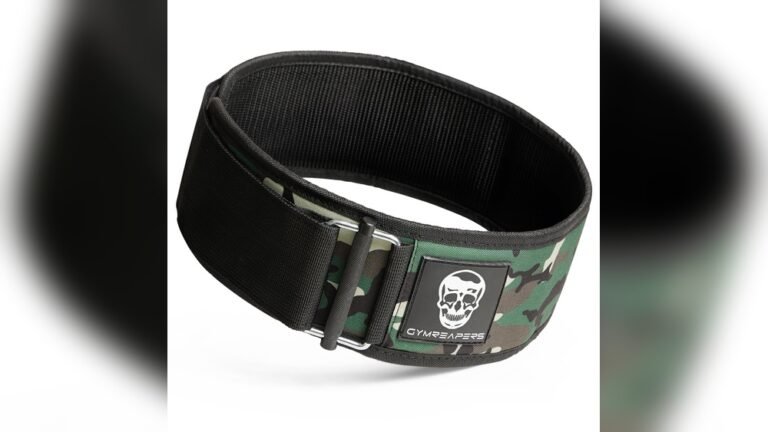
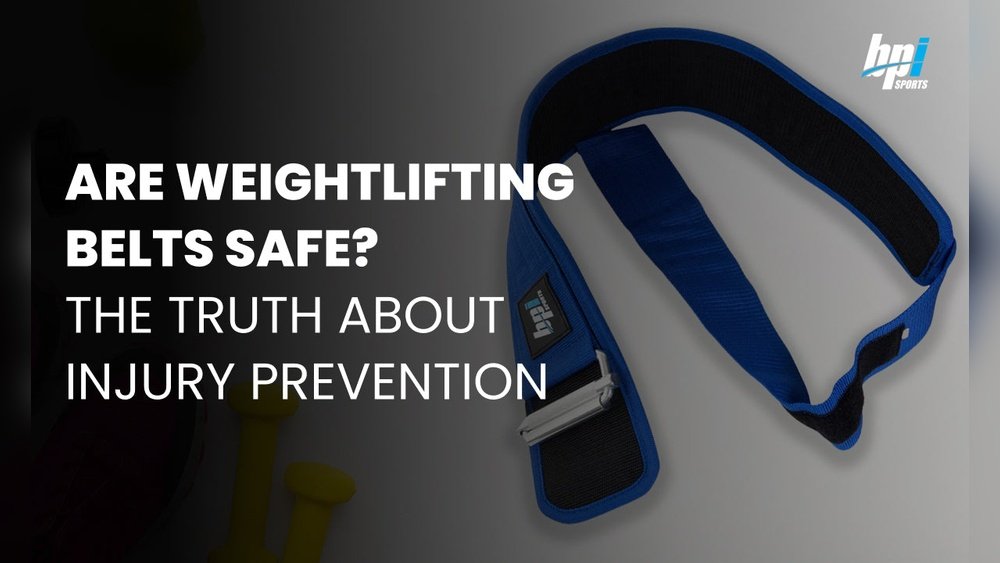
Leather belts are stiff and durable. They offer strong support and last long. Nylon belts are more flexible and lighter. They provide comfort but less rigid support. Both types protect your back during heavy lifts.
Single Prong Vs Double Prong
Single prong belts use one buckle pin. They are easier to adjust quickly. Double prong belts have two pins for extra security. They hold the belt tighter but take longer to fasten. Choose based on your comfort and security needs.
Olympic Vs Powerlifting Belts
Olympic belts are thinner and more flexible. They allow more movement and speed. Powerlifting belts are thicker and stiffer. They provide maximum support for heavy lifts. Pick the style that matches your lifting goals and technique.
Choosing The Right Belt
Choosing the right powerlifting belt is key to safety and performance. A belt that fits well supports your lower back and helps maintain proper posture. It also reduces the risk of injury during heavy lifts. The right belt should feel snug but not too tight. This section covers important factors to consider when selecting your belt.
Sizing And Fit
A good belt must fit your waist size exactly. Measure your waist at the belly button level for accuracy. Avoid belts that are too large or too small. Too loose belts do not provide enough support. Too tight belts can restrict breathing and movement. Check the belt’s size chart before buying. Try it on if possible, to ensure comfort and security.
Belt Width And Thickness
Most powerlifting belts have a width between 4 and 6 inches. Wider belts offer more back support but may limit flexibility. Thicker belts, around 10mm to 13mm, provide better stability. Thinner belts allow easier movement but less support. Choose width and thickness based on your lifting style and comfort. Beginners often prefer a 4-inch width with moderate thickness.
Material Considerations
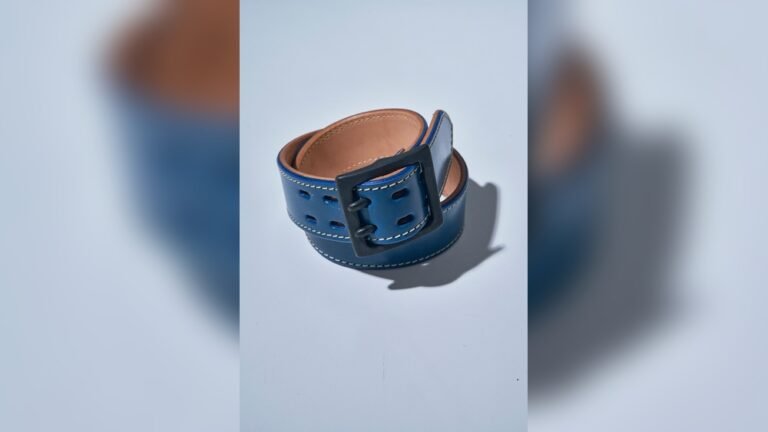
Leather belts are popular for their durability and firm support. They mold to your body over time for a custom fit. Synthetic belts can be lighter and more flexible but may wear out faster. Consider the stitching and buckle quality for long-term use. Leather belts require care to prevent cracking and damage. Select a material that balances comfort, support, and longevity.
Proper Belt Positioning
Proper belt positioning is essential for powerlifting safety and performance. Wearing the belt correctly ensures maximum support for your core and lower back. It helps stabilize your spine during heavy lifts. Incorrect placement can reduce the belt’s effectiveness and increase injury risk.
Aligning With Your Belly Button
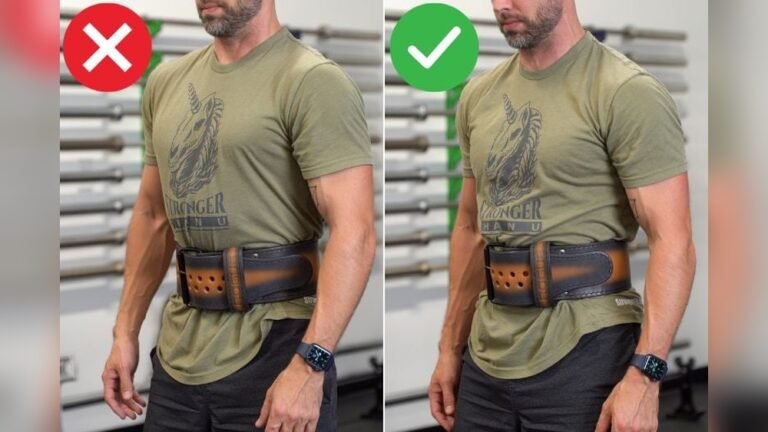
The belt should align with your belly button for consistent support. This position helps maintain proper abdominal pressure. It acts like a brace for your core muscles. Place the belt so it sits evenly around your waist. Avoid positioning it too high or too low.
Placement On Lower Back
Position the belt to cover your lower back completely. It should rest above your hip bones but below the rib cage. This area needs the most support during heavy lifts. The belt creates pressure that reduces stress on your spine. Make sure it feels snug but not uncomfortable.
Adjusting For Comfort And Support
Tighten the belt enough to feel firm support around your midsection. It should not restrict breathing or movement. Adjust the belt so it stays in place during your lifts. Comfort helps you focus on proper form and technique. Test the fit before starting your workout.

Credit: gunsmithfitness.com
Wearing The Belt Correctly
Wearing a powerlifting belt correctly is vital for safety and performance. A belt supports your lower back and helps maintain proper posture. Incorrect use can cause discomfort or injury. Learning how to wear the belt right improves your lift and protects your body.
Tightening Techniques
Place the belt around your waist, just above your hips. Tighten it firmly but not too tight. You should feel support without pain. Use your hands to pull the belt ends toward each other. Secure the buckle or Velcro to hold the belt in place. Check that the belt does not move when you breathe.
Breathing And Bracing With A Belt
Take a deep breath into your belly while wearing the belt. Push your stomach out against the belt to create pressure. This pressure stabilizes your spine during the lift. Keep your chest up and brace your core muscles. Maintain this tightness until the lift ends. Exhale slowly after completing the movement.
When To Use The Belt During Lifts
Use the belt for heavy lifts like squats and deadlifts. It helps when lifting near your maximum weight. Avoid wearing the belt for light exercises or warm-ups. Use it only during challenging sets to build strength safely. Listen to your body and adjust belt use as needed.
Breaking In A New Belt
Breaking in a new powerlifting belt is key for comfort and safety. A stiff belt can cause discomfort and distract from your lifts. Gradually easing into wearing it helps the belt mold to your body. This process improves support and reduces the chance of injury.
Wearing During Warm-ups
Wear your belt during warm-ups to get used to the feel. This helps your body adjust without strain. It prepares your muscles and spine for heavier lifts. Wearing it often prevents sudden pressure on your abdomen. Start with lighter sets and increase gradually.
Softening Leather Belts
Leather belts are stiff at first and need softening. Use a leather conditioner to keep the material flexible. Massage the belt with your hands to loosen it. Over time, the belt will become more pliable and comfortable. Avoid bending it sharply to prevent cracks.
Conforming To Body Shape
Repeated wear helps the belt match your body shape. The belt forms around your waist and back for better fit. A well-fitted belt offers steady support during lifts. Tighten the belt snugly but not too tight. This balance improves breathing and bracing ability.
Credit: katamu.co
Maintaining Your Belt
Maintaining your powerlifting belt is key for safety and durability. A well-kept belt supports your lifts and lasts longer. Simple care routines keep it strong and comfortable. Pay attention to cleaning, drying, and storing. These steps protect the belt’s material and shape.
Cleaning And Conditioning
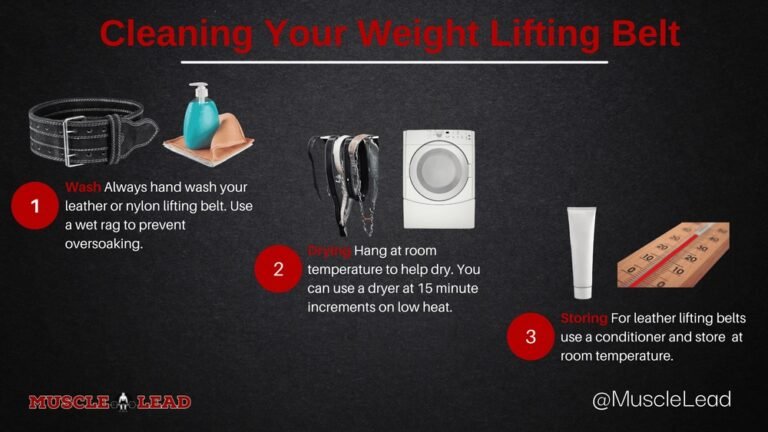
Clean your belt regularly to remove sweat and dirt. Use a damp cloth with mild soap. Avoid soaking or harsh chemicals. After cleaning, dry it with a soft towel. Conditioning the leather keeps it soft and flexible. Apply a leather conditioner every few months. This prevents cracking and extends the belt’s life.
Keeping It Dry
Moisture damages leather and weakens stitching. Always dry your belt after workouts. Air dry it at room temperature. Never use direct heat like a hairdryer. Keep the belt away from damp places. A dry belt stays firm and reliable during lifts.
Proper Storage Tips
Store your belt in a cool, dry place. Avoid folding or bending it sharply. Hang it or lay it flat to keep shape. Keep it away from direct sunlight to prevent fading. Proper storage prevents damage and maintains belt support.
Safety Precautions
Safety precautions are vital when using a powerlifting belt. The belt supports your lower back and core during heavy lifts. Yet, relying too much on it can cause problems. Understanding how to use the belt correctly protects your body and improves performance.
Avoid Over-reliance On The Belt
Using a powerlifting belt should not replace proper lifting technique. The belt helps but does not do all the work. Over-relying on the belt can weaken your natural core strength. Train your muscles and use the belt only for heavy or max lifts.
Core Strength And Belt Use
Strong core muscles reduce injury risk during lifting. A powerlifting belt supports the core but does not build it. Focus on exercises that strengthen your abs and lower back. Use the belt as a tool, not a crutch, to keep your core engaged.
Recognizing Belt Limits
Powerlifting belts have limits on support and comfort. Wearing the belt too tight can restrict breathing and movement. A loose belt offers little protection. Find the right fit and do not push beyond your body’s limits. Listen to your body and adjust the belt as needed.
Preventing Injuries
Preventing injuries is essential for anyone using a powerlifting belt. The belt adds support but does not replace good habits. Proper use and awareness reduce the risk of harm during heavy lifts.
Using Correct Lifting Form
Maintain a strong and steady posture throughout each lift. The belt supports your lower back but cannot fix poor form. Keep your spine neutral and avoid rounding your back. Focus on engaging your core muscles before lifting. This helps distribute the load evenly and protects your body from strain.
Timing Belt Usage
Wear the belt only during your heaviest sets. Avoid using it for warm-ups or light lifts. Overuse can weaken natural core strength. Put on the belt just before lifting and remove it right after. This practice helps your muscles stay strong and ready without over-relying on the belt.
Listening To Your Body
Pay close attention to any discomfort or pain. Stop lifting if you feel sharp or unusual pain. Rest and recover before attempting heavy lifts again. The belt can protect, but your body signals must guide your training. Take breaks and avoid pushing through pain to prevent serious injury.
Frequently Asked Questions
How To Protect A Lifting Belt?
Keep your lifting belt dry and clean to prevent damage. Regularly apply leather conditioner to maintain flexibility. Store it in a cool, ventilated place away from direct sunlight. Avoid excessive bending or folding to preserve its shape and durability.
How To Break In A New Powerlifting Belt?
Wear the belt during warm-ups and lighter sets to help it conform to your body. Over time, it softens and becomes flexible.
What Are The Rules For Powerlifting Belts?
Powerlifting belts must fit snugly around the waist, positioned near the belly button. Tighten securely for proper support. Use belts during heavy lifts only, not warm-ups. Maintain correct bracing by taking a deep breath and pushing the abdomen outward. Follow specific competition rules for belt thickness and width.
How To Properly Wear A Powerlifting Belt?
Position the belt around your waist, aligning it near your belly button. Tighten it snugly but comfortably. Take a deep breath, brace your core, and lift. Avoid over-tightening to maintain proper breathing and support during lifts.
Conclusion
Wearing a powerlifting belt can protect your back during heavy lifts. Always choose the right size for comfort and support. Tighten the belt firmly but avoid restricting your breathing. Practice proper breathing and bracing techniques while lifting. Keep your belt clean and dry to extend its lifespan.
Store it in a cool, dry place away from direct sunlight. Regular care helps maintain the belt’s strength and flexibility. Follow these safety tips to lift confidently and reduce injury risk. Stay focused and listen to your body throughout your training.
I am a certified fitness coach with over 10 years of experience helping people improve their strength, endurance, and overall health. Specializes in workout programming, weight training, fat loss, muscle building, home fitness, and evidence-based nutrition.My goal is to make fitness simple and practical through well-researched guides, honest product reviews, and actionable training advice.