If you’re serious about powerlifting, you know that a good belt isn’t just an accessory—it’s a game-changer. But with so many types of powerlifting belts out there, how do you choose the right one for your needs?
Your belt can boost your performance, protect your back, and give you the confidence to push heavier weights. You’ll discover the main types of powerlifting belts, what makes each unique, and how to find the perfect fit for your training style.
Keep reading to unlock the secrets that can take your lifts to the next level!
Powerlifting Belt Types
Powerlifting belts help stabilize the core and protect the lower back. Choosing the right belt can improve your lift and reduce injury risk. Various types of belts exist, each with unique features and materials. Understanding these can guide you to the best fit for your training style and needs.
Leather Belts
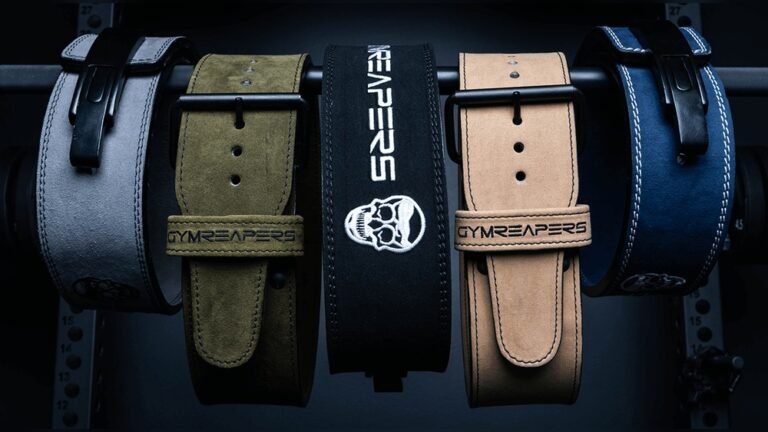
Leather belts offer strong support and durability. They are stiff and thick, providing firm pressure around the waist. These belts often have a single or double prong buckle. Lifters prefer leather belts for heavy lifting and competitions. The rigid nature helps maintain proper posture during lifts.
Nylon And Fabric Belts
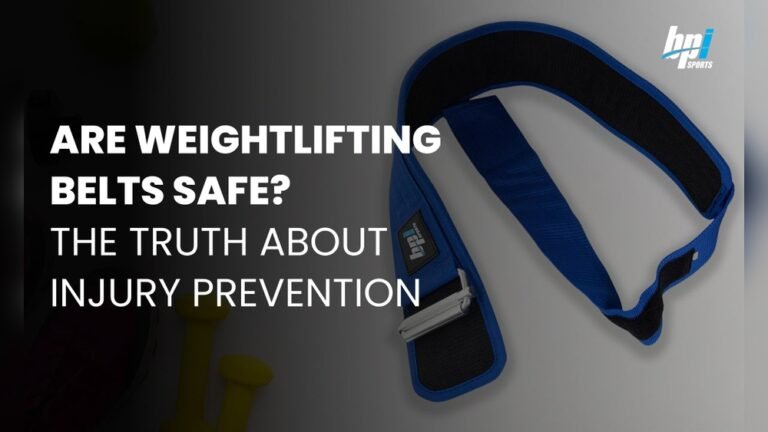
Nylon belts are lighter and more flexible than leather. They provide moderate support and are easier to adjust. Fabric belts often have a softer feel and are suitable for beginners. These belts are also more breathable, making them comfortable for longer workouts.
Velcro Belts
Velcro belts use hook-and-loop fasteners for quick adjustments. They are convenient and easy to put on or remove. These belts offer less support compared to leather but are great for general training. Velcro belts are popular among lifters who want comfort and flexibility.
Lever Belts
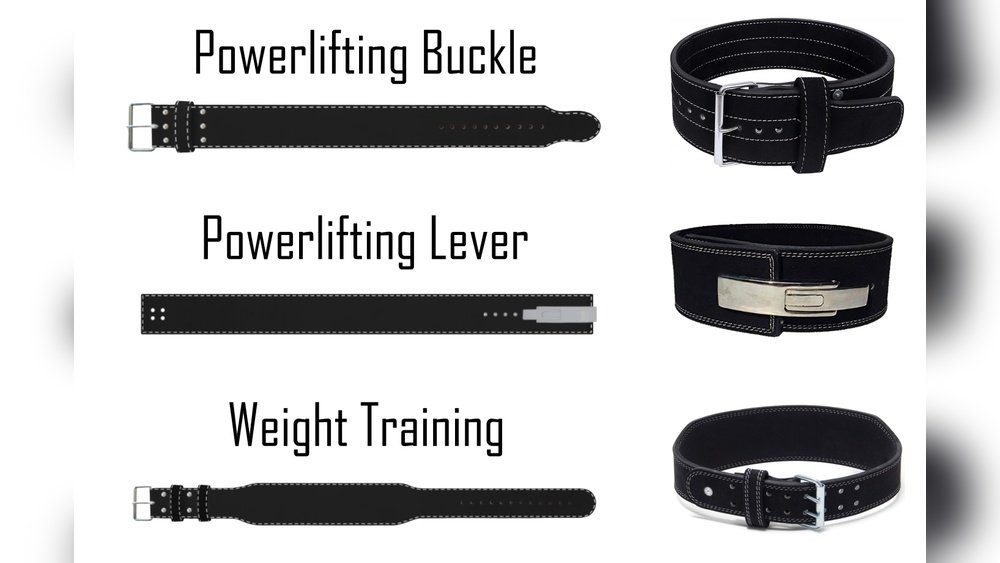
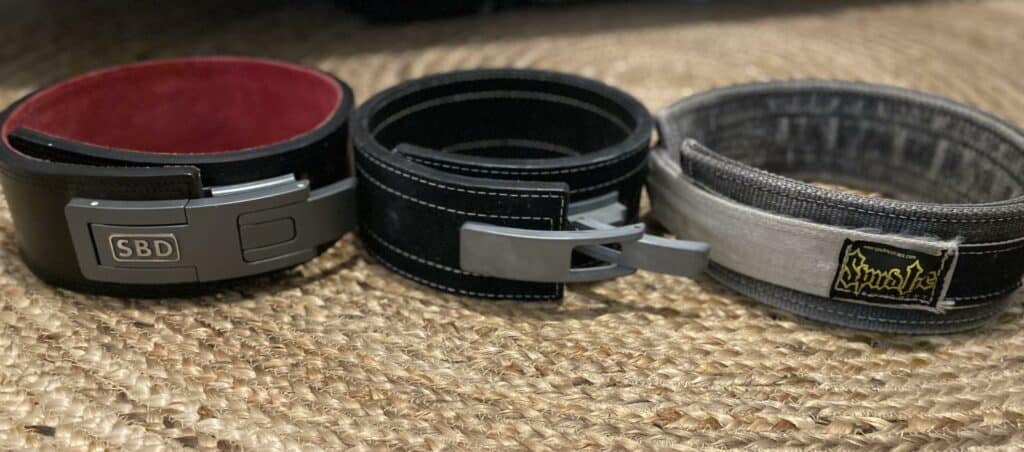
Lever belts feature a lever mechanism for fast tightening and release. They provide consistent, firm support with less hassle than prong belts. Many powerlifters use lever belts for their secure fit. These belts are ideal for those who lift heavy regularly and need quick belt changes.
Prong Belts
Prong belts have one or two metal prongs to secure the strap. They offer adjustable tightness and a reliable hold. Prong belts are sturdy and common in powerlifting circles. These belts combine traditional style with effective support during heavy lifts.
Contoured Belts
Contoured belts are shaped to fit the body’s natural curves. They reduce pressure on the hips while providing strong core support. These belts improve comfort and mobility during lifts. Contoured designs help lifters maintain better positioning without sacrificing support.
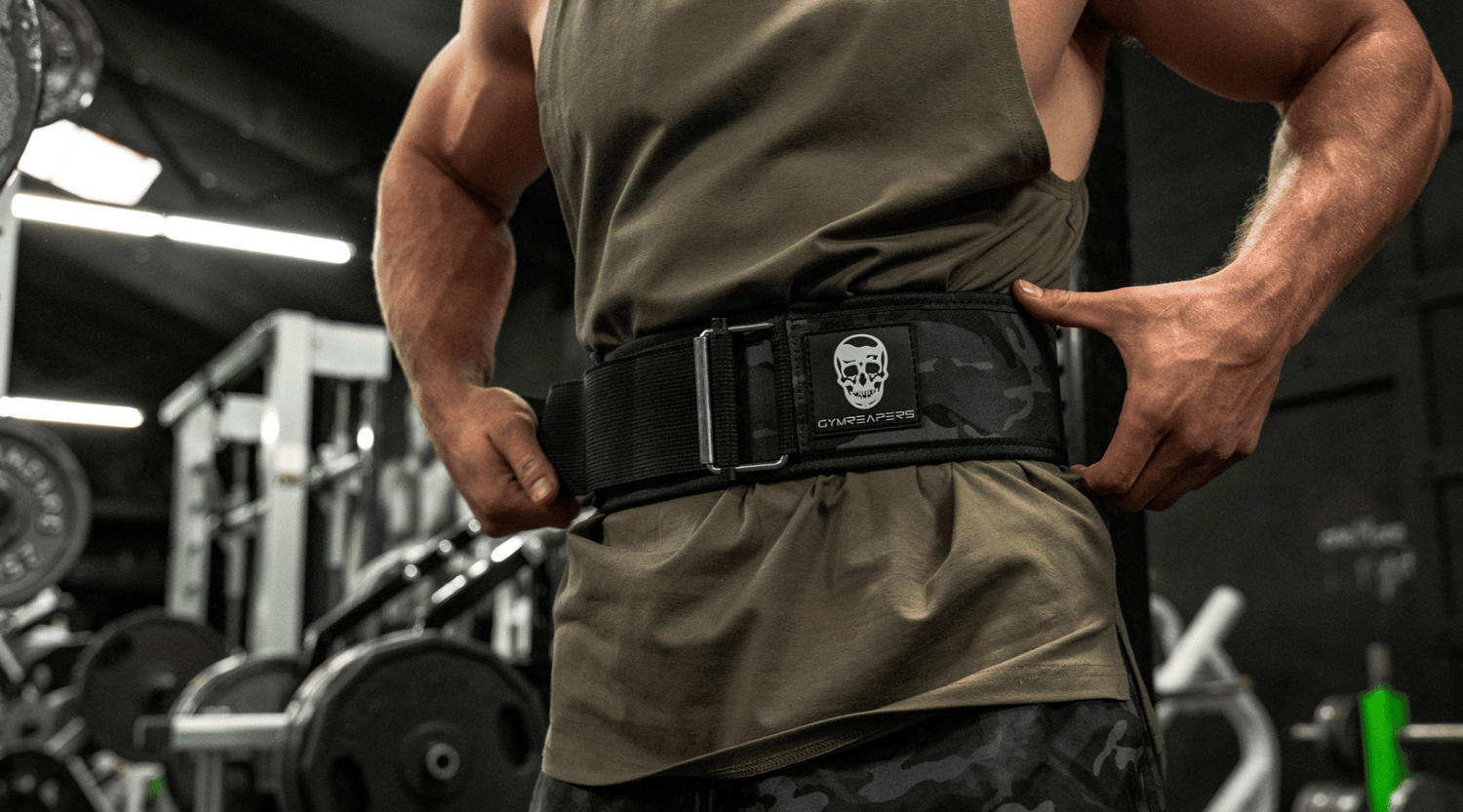
Credit: www.gymreapers.com
Key Features To Consider
Choosing the right powerlifting belt involves more than just style. Key features affect your lifting performance and safety. Understanding these aspects helps pick a belt that fits your needs perfectly. Focus on support, comfort, size, break-in, and durability to make a smart choice.
Support And Rigidity
A powerlifting belt must provide strong support to your core. The rigidity helps stabilize your spine during heavy lifts. Stiffer belts offer better protection but may feel less flexible. Softer belts give more movement but less support. Balance is important for effective lifting.
Comfort And Flexibility
Comfort affects how long you can wear the belt during workouts. Flexible belts adapt better to your body shape. Look for smooth edges and soft lining to avoid skin irritation. A comfortable belt encourages consistent use and better training results.
Thickness And Width
Belt thickness usually ranges from 6mm to 13mm. Thicker belts are more rigid and supportive. Width affects how well the belt fits your waist and back. Standard powerlifting belts are around 4 inches wide for even pressure distribution. Choose a size that matches your body and lifting style.
Break-in Time
New belts often feel stiff and need breaking in. Break-in time varies by material and thickness. Leather belts usually take weeks to soften. Some synthetic belts require less time. A well-broken-in belt fits better and feels more comfortable during lifts.
Durability
Durability depends on belt material and construction quality. Leather belts last longer with proper care. Stitching and buckle quality also impact lifespan. Durable belts withstand heavy use and keep support intact. Investing in a strong belt pays off in the long run.
Benefits Of Different Belts
Different types of powerlifting belts offer unique benefits to enhance your lifting experience. Choosing the right belt can improve your performance and safety. Each belt style supports your body in distinct ways. Understanding these benefits helps you pick the best belt for your needs.
Versatility For Various Lifts
Some belts are designed to work well with many types of lifts. They provide support during squats, deadlifts, and bench presses. These belts allow flexibility and movement without sacrificing stability. A versatile belt fits different training styles and goals.
Maximal Load Support
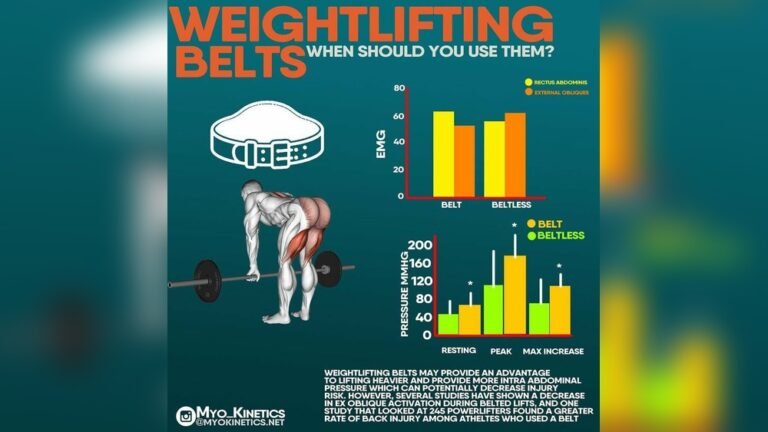
Thicker and stiffer belts offer strong support for heavy lifts. They help keep your core tight and reduce injury risk. These belts are ideal for maximal effort days. They enhance power by stabilizing your spine and increasing intra-abdominal pressure.
Comfort For Long Training
Soft and padded belts improve comfort during long workout sessions. They reduce pressure points and chafing on your skin. Comfortable belts encourage consistent use and better focus. They are perfect for those who train frequently or for hours.
Ease Of Use And Adjustability
Belts with quick-release buckles or adjustable straps save time. They allow you to tighten or loosen the belt easily. This feature is helpful for changing lifts or sharing belts between lifters. Easy-to-use belts improve convenience and fit.
Choosing Belt By Lifting Style
Choosing the right powerlifting belt depends on your lifting style. Each style has unique needs for support and flexibility. Selecting a belt that matches your training helps improve performance and safety. Understanding differences between belts for powerlifting, Olympic weightlifting, and bodybuilding guides you to the best fit. Beginners also need belts that offer comfort and ease of use. Below are options categorized by lifting style.
Powerlifting Specific
Powerlifting belts focus on maximum support and stiffness. They are usually thick and wide, especially around the lower back. These belts help stabilize the core during heavy squats, deadlifts, and bench presses. The goal is to create a solid base for lifting very heavy weights safely. Powerlifting belts often have a single prong or lever for a tight fit. They limit abdominal expansion to increase intra-abdominal pressure.
Olympic Weightlifting
Olympic weightlifting belts are more flexible and thinner than powerlifting belts. They allow a wider range of motion needed for fast, dynamic lifts like the snatch and clean and jerk. These belts usually have a tapered design, wider at the back and narrower at the front. The belt supports the lower back without restricting movement. Athletes choose these belts for comfort and mobility during explosive lifts.
Bodybuilding
Bodybuilding belts focus on moderate support and comfort. These belts are not as stiff or thick as powerlifting belts. They help maintain good posture during moderate to heavy lifts like squats or overhead presses. Bodybuilders often wear belts to protect their lower back and improve core engagement. These belts also come in various widths and materials to match personal preference.
Beginner Friendly Options
Beginners benefit from belts that balance support and comfort. Soft, adjustable belts made from nylon or leather offer easy fitting. These belts help new lifters learn to brace their core properly. They are lighter and less restrictive than competition belts. Beginner belts can be worn for different lifting styles as lifters explore their preferences and progress.
Popular Belt Brands And Models
Powerlifting belts provide essential support during heavy lifts. Choosing the right belt brand and model affects comfort and performance. Popular brands offer various lever belts designed for powerlifters. These belts differ in materials, thickness, and locking mechanisms. Understanding top brands helps you pick the best belt for your lifting needs.
Ethos Lever Belt
The Ethos Lever Belt features durable leather and a quick-release lever. It offers firm support for squats and deadlifts. Many lifters appreciate its balance between stiffness and comfort. The belt fits securely and adjusts easily for a tight fit. It suits both beginners and experienced lifters.
Titan Fitness Lever Belt
Titan Fitness lever belt is known for its solid build and affordability. It uses thick leather for maximum back support. The lever lock system ensures quick adjustments and secure fitting. This belt is popular among budget-conscious powerlifters. It stands up well to heavy training sessions.
Rogue Powerlifting Belt
Rogue belts are crafted from premium leather and have a classic look. The lever mechanism locks tightly, providing excellent stability. Lifters admire its durability and consistent performance. Rogue offers various sizes and thickness options. It is a trusted choice in many gyms worldwide.
Sbd Lever Belt
The SBD Lever Belt is built for serious competitors. It features rigid leather and a robust lever system. This belt meets many competition standards for powerlifting. Lifters rely on its strength and precise fit. It offers superior support, especially during maximal lifts.
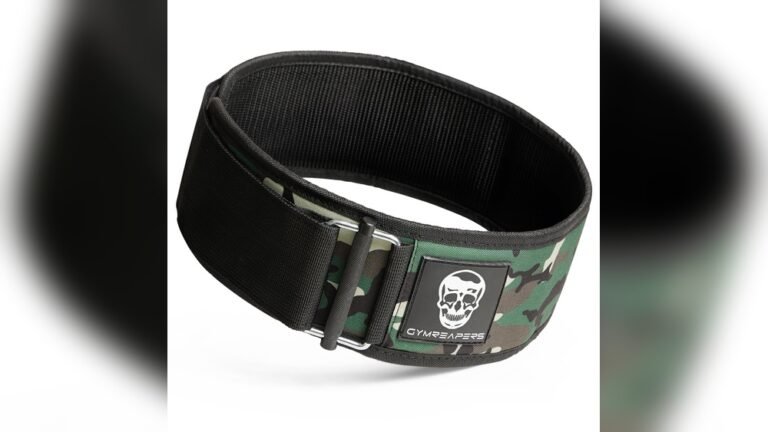
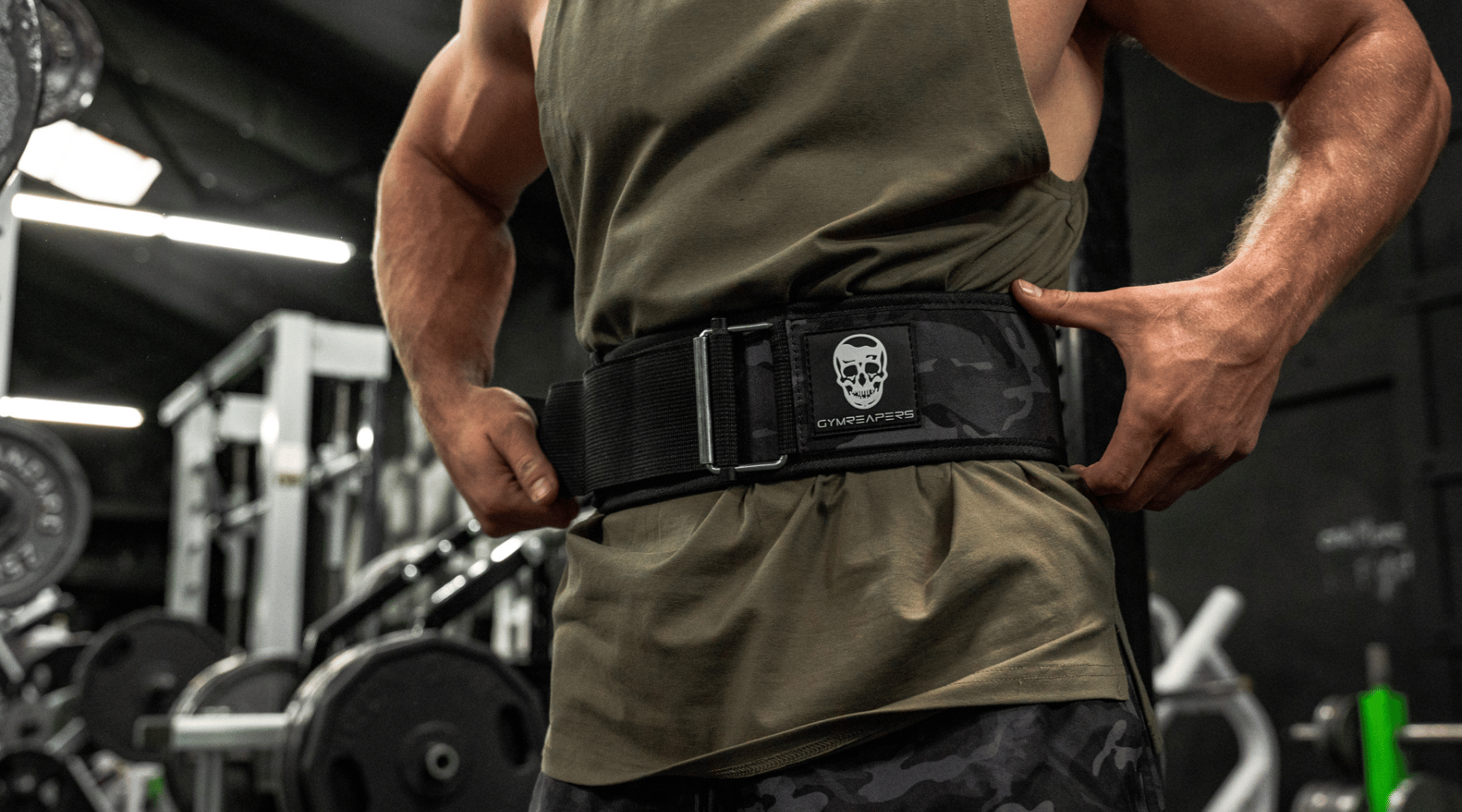
Gymreapers Lever Belt
Gymreapers lever belt combines quality materials with aggressive styling. It uses thick leather and a sturdy lever for secure locking. This belt fits tightly and holds up under heavy loads. Many lifters enjoy its aggressive design and reliable support. It is a solid option for both training and competition.
Sizing And Fit Tips
Choosing the right size and fit for your powerlifting belt is crucial. A well-fitted belt supports your back and core during heavy lifts. Poor fit can reduce effectiveness and cause discomfort. Follow these sizing and fit tips to find the perfect belt for your lifting needs.
Measuring Waist Correctly
Use a soft tape measure to measure your waist. Measure around your natural waistline, above your hips and below your ribs. Take the measurement after exhaling normally. Avoid measuring over clothing for accuracy. Compare your measurement to the belt’s sizing chart. This ensures you pick the right size belt.
Adjusting For Comfort
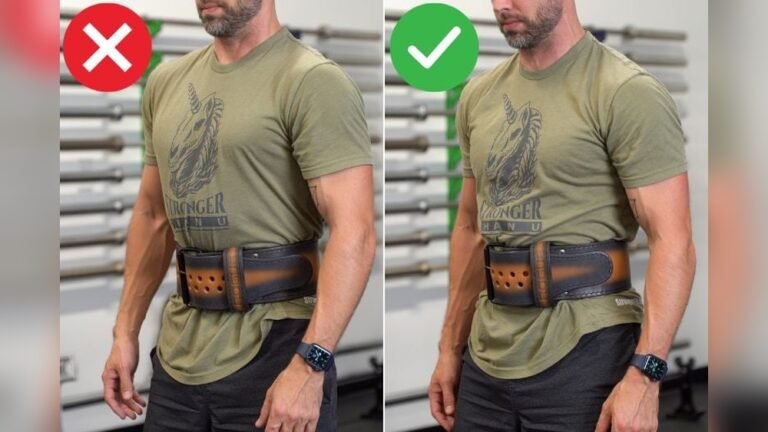
Try the belt on before lifting. Tighten it until you feel solid support without pain. The belt should feel snug but not restrict breathing. Adjust the buckle or lever to fine-tune the fit. A comfortable belt lets you brace your core effectively. Remember, a little movement inside the belt is normal.
Avoiding Common Fit Mistakes
Do not choose a belt too large or too small. Too large belts offer poor support and slip during lifts. Too small belts can cause pain and cut off circulation. Avoid placing the belt too high or too low on your waist. Wear it at the same spot every time for consistent support. Check fit regularly as your body changes with training.
Maintenance And Care
Proper maintenance and care keep your powerlifting belt safe and useful longer. Belts face constant pressure and sweat during workouts. Neglect can cause damage and reduce support. Follow simple steps to clean, store, and manage wear. This care helps maintain belt shape, strength, and comfort.
Cleaning Leather Belts
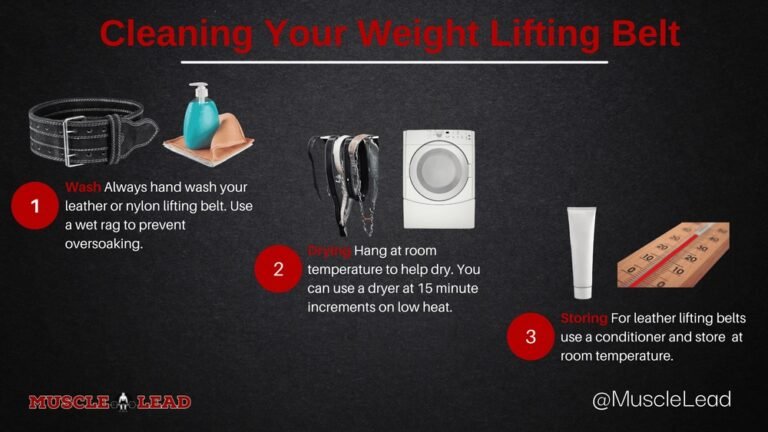
Leather belts need gentle cleaning to avoid cracks. Use a soft cloth to wipe off sweat after each use. Mild soap and water can clean deeper dirt. Avoid soaking the leather. Let the belt air dry completely before storing. Never use harsh chemicals or machine wash.
Storing For Longevity
Store your belt in a cool, dry place away from sunlight. Avoid folding or bending the belt sharply. Hang it or lay it flat to keep its shape. Keep it away from moisture to prevent mold. Proper storage preserves leather quality and belt firmness.
Handling Wear And Tear
Check your belt regularly for cracks or loose stitching. Small tears can worsen if ignored. Use leather conditioner to keep the belt soft and flexible. Replace the belt if it shows serious damage. Well-maintained belts offer better support and safety.
Credit: www.gymreapers.com
Credit: whitecoattrainer.com
Frequently Asked Questions
What Is M1, M2, M3, M4 In Powerlifting?
M1, M2, M3, M4 are Masters age divisions in powerlifting. They group lifters by age: M1 (40-49), M2 (50-59), M3 (60-69), and M4 (70+), ensuring fair competition among older athletes.
What Are The Different Types Of Lifting Belts?
Lifting belts include powerlifting, Olympic weightlifting, Velcro, lever, prong, contoured, and bodybuilding types. Each offers unique support and flexibility levels.
Is A 10mm Or 13mm Belt Better?
A 13mm belt offers more support and durability for heavy lifts. A 10mm belt provides more comfort and flexibility. Choose based on your lifting style and comfort needs.
Do I Need A 3 Or 4 Lifting Belt?
Choose a 4-inch belt for maximum back support in heavy lifting. Use a 3-inch belt for flexibility and comfort during dynamic movements. Your choice depends on your lifting style and personal preference.
Conclusion
Choosing the right powerlifting belt depends on your needs and preferences. Each belt type offers unique support and comfort levels. Leather belts provide strong support but require breaking in. Nylon belts are flexible and easier to adjust. Lever belts allow quick tightening for secure fit.
Consider your lifting style and goals before deciding. A good belt can enhance stability and reduce injury risk. Always prioritize comfort and proper fit during your workouts. Understanding belt types helps you lift safer and more confidently. Keep practicing and stay consistent with your powerlifting journey.
I am a certified fitness coach with over 10 years of experience helping people improve their strength, endurance, and overall health. Specializes in workout programming, weight training, fat loss, muscle building, home fitness, and evidence-based nutrition.My goal is to make fitness simple and practical through well-researched guides, honest product reviews, and actionable training advice.