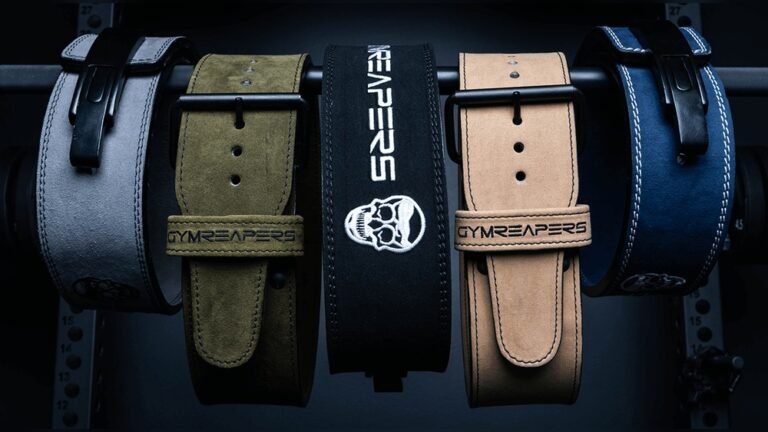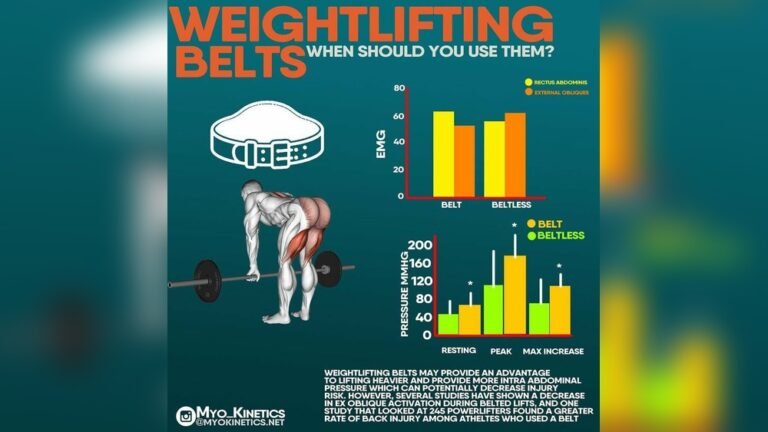
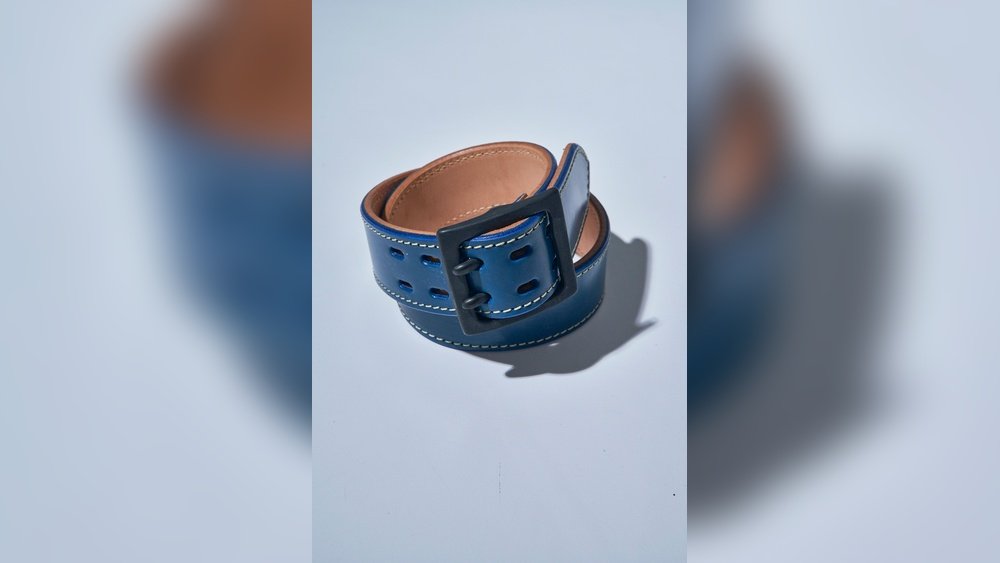
If you’re serious about powerlifting, you know your belt isn’t just gear—it’s an investment. But how you store your powerlifting belt can make a huge difference in how long it lasts and how well it performs.
You might be tempted to toss it in a corner or shove it in a drawer, but that can cause creases, cracks, and wear that weaken your belt over time. Imagine stepping up for a heavy lift with a worn-out belt that doesn’t support you like it should.
That’s why knowing the right way to store your powerlifting belt is essential. You’ll discover simple, effective storage tips that protect your belt’s shape and material, whether it’s leather or fabric. Keep reading to learn how a few smart habits can save you money and keep your belt ready for every lift.

Credit: www.gymshark.com
Hang Belts For Leather
Hanging leather powerlifting belts is the best way to keep them in top shape. It stops damage and keeps the belt’s original form. Hanging also makes belts easy to find and grab before workouts. This method is simple but very effective for leather belts.
Prevent Creases And Stretching
Leather belts can crease or stretch if stored badly. Hanging stops bending and folding. The belt keeps its strength and support longer. It stays comfortable and safe to use every time.
Long-term Preservation
Leather needs air and space to stay healthy. Hanging lets air flow around the belt. This avoids mold and weak spots. The belt lasts many years if hung properly.
Easy Visibility
Hanging belts makes it easy to see all your options. You can pick the right belt fast. No need to dig through piles or drawers. This saves time and keeps belts neat.
Using Belt Hangers And Hooks
Use belt hangers made for hanging belts. Over-the-door hooks or wall hooks work well too. Hang belts from the buckle to keep shape. Make sure hooks hold the belt firmly but gently.
Roll Belts For Fabric
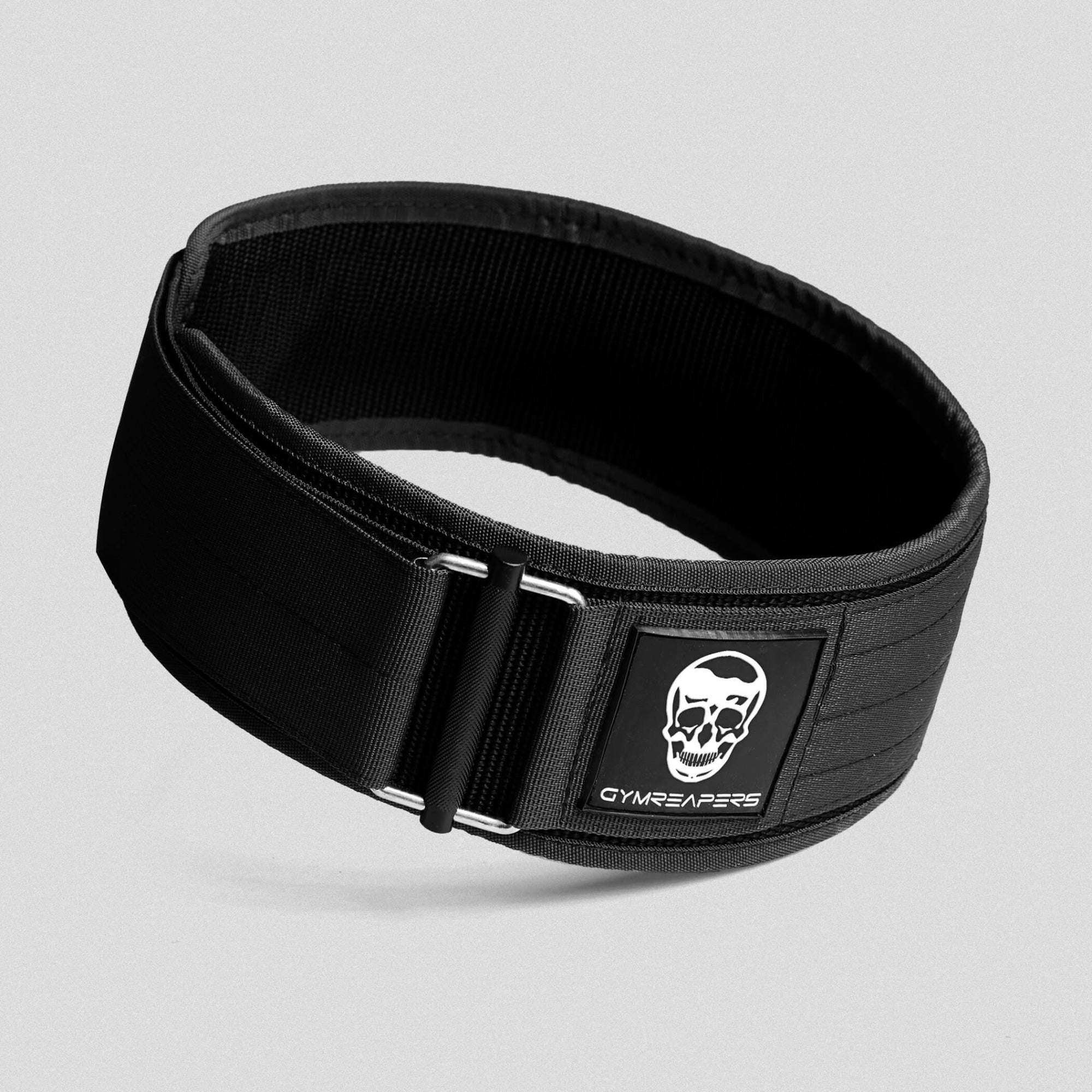
Rolling fabric powerlifting belts is a smart way to store them neatly. Fabric belts are flexible and less likely to crack or crease. Rolling helps keep their shape while saving space. This method works great for drawers, travel bags, or temporary storage. It keeps your belts organized and easy to access.
Save Drawer And Travel Space
Rolling fabric belts saves a lot of room in drawers. It creates a compact shape that fits better in tight spaces. For travel, rolled belts fit easily in gym bags or suitcases. This method helps keep your gear organized and ready to use. It avoids bulky folds that take up extra space.
Temporary Storage Tips
Use rolling for short-term storage between workouts or trips. Avoid rolling too tightly to prevent fabric damage. Keep belts dry and clean before rolling. Store them in a cool, dry place to maintain quality. Temporary rolling helps keep belts wrinkle-free and ready for use.
Loose Rolling Method
Start by laying the belt flat on a clean surface. Roll the belt gently from one end to the other. Keep the roll loose, not tight, to avoid stress on the fabric. Secure the roll with a soft band or elastic if needed. This method prevents creases and keeps the belt shape intact.
Using Drawer Organizers
Drawer organizers help keep rolled belts separated and tidy. Use dividers or small bins to hold each rolled belt. This stops belts from unrolling or tangling with other items. Organizers make it easy to find and grab your belt quickly. They keep your storage space neat and efficient.
Choose Storage By Material
Choosing the right storage method depends on your belt’s material. Leather and fabric belts need different care. Proper storage keeps your belt in good shape. It also extends its life and maintains performance.
Consider how the material reacts to bending, moisture, and pressure. Leather belts are sensitive to creasing and cracking. Fabric belts are more flexible and can handle rolling better.
Leather Vs Fabric Considerations
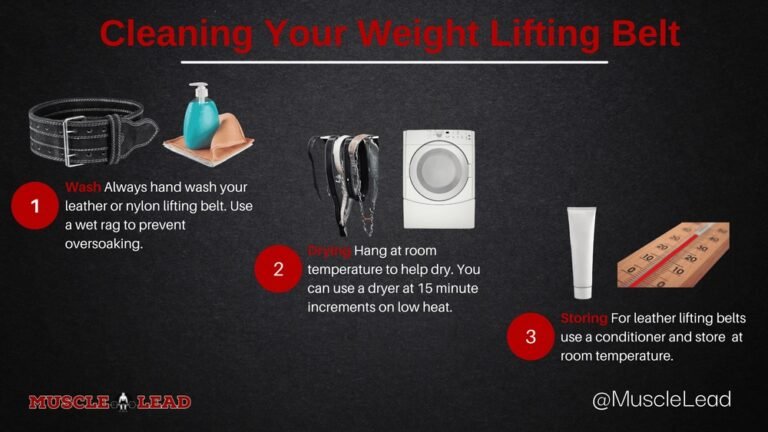
Leather belts require gentle care. Hang them to avoid creases and cracks. Hanging helps keep their shape intact. Avoid tight rolling which can damage leather fibers.
Fabric belts are more durable and bend-friendly. They can be rolled tightly without harm. Rolling saves space and suits travel needs. Store fabric belts in drawers or small containers.
Space Availability Impact
Space size affects your storage choice. Small areas benefit from rolling fabric belts. Rolling reduces bulk and fits tight spots.
Leather belts take more space when hung. You need a hook, rack, or dedicated hanger. Hanging ensures the belt dries and breathes properly.
Number Of Belts In Collection
A large collection needs organized storage. Use a belt rack or multiple hooks for leather belts. This keeps them visible and easy to pick.
For many fabric belts, use drawer dividers or bins. Rolling helps stack and separate belts neatly. Clear containers protect belts from dust and damage.
Credit: www.beerot.org
Avoid Common Storage Mistakes
Proper storage of your powerlifting belt ensures it stays in great condition. Avoiding common storage mistakes helps extend the belt’s life. Small errors can cause damage like cracks, creases, or loss of support. Keeping your belt in the right environment and position matters a lot.
Prevent Tight Folding
Never fold your powerlifting belt tightly. Sharp creases can weaken the material. Leather belts especially suffer from tight folds and bends. Instead, store your belt flat or hang it up. This keeps the belt’s shape intact and avoids cracks.
Keep Belts Out Of Sunlight
Direct sunlight damages powerlifting belts over time. UV rays dry out leather and fade colors. Avoid leaving your belt near windows or in sunny rooms. Choose a cool, shaded place for storage. This preserves the belt’s strength and appearance.
Avoid Rubber Bands For Securing
Do not use rubber bands to hold your belt rolled or folded. Rubber bands can stick to the belt and cause marks. They also tighten and create pressure points. Use a soft cloth strap or dedicated belt holder instead. This protects your belt from unnecessary stress.
Best Hardware For Hanging
Choosing the best hardware for hanging your powerlifting belt keeps it safe and ready to use. Proper hanging hardware prevents damage like creasing or cracking. It also helps you organize your gym space neatly. Use sturdy and reliable hangers to maintain your belt’s shape and quality. Below are some top hardware options for hanging your powerlifting belt efficiently.
Multi-belt Hangers
Multi-belt hangers hold several belts at once. They save space and keep belts visible. Most are made of metal or strong plastic. These hangers usually have multiple hooks or pegs. You can place them on a wall or inside a closet. This type of hanger keeps belts separated, avoiding scratches. It is perfect for lifters with several belts.
Command Hooks On Walls And Doors
Command hooks are easy to install and remove without damage. They stick well to walls or doors. These hooks come in different sizes and weight limits. Choose a hook that supports your belt’s weight. They help hang belts by the buckle or strap. Command hooks keep belts off the floor and organized. This option works well for small spaces.
Diy Wooden Hook Racks
DIY wooden hook racks offer a sturdy and personalized solution. You can build them with simple wood planks and hooks. This option allows custom sizing and style. Use strong hooks or pegs to hold the belt securely. Wooden racks add a rustic look to your gym or room. They keep belts accessible and well-spaced to avoid damage.
Travel And Temporary Storage
Travel and temporary storage require special care for your powerlifting belt. Proper handling keeps the belt in good shape and ready for use. Packing it right prevents damage and saves space. Follow these simple tips for easy storage during trips or short breaks.
Loose Rolling For Compactness
Roll your powerlifting belt loosely to keep its form. Tight rolling can cause creases and cracks, especially on leather belts. Start from one end and gently coil without squeezing. This method keeps the belt compact and protects its material. It fits easily in bags or luggage without taking much space.
Protecting Belts On The Go
Use a soft pouch or cloth bag to shield the belt from scratches. Avoid placing heavy items on top of it during travel. Keep the belt dry and clean before packing to prevent odor and damage. Regularly check the belt for wear and tear after each trip. Proper protection extends the belt’s life and maintains its support.

Credit: rpmsondaj.com
Frequently Asked Questions
Is It Better To Roll Or Hang Belts?
Hanging leather belts prevents creases and extends life, while loosely rolling fabric belts saves space and suits travel or small storage.
What’s The Best Way To Store Your Belts?
Hang leather belts on dedicated hooks or hangers to prevent creases and maintain shape. Roll fabric belts loosely to save space. This method keeps belts organized, preserves quality, and extends their lifespan. Avoid tight rolling to prevent damage, especially with leather belts.
Where To Put A Powerlifting Belt?
Place a powerlifting belt around your waist, positioning it just above your hips and below your ribcage. Tighten it securely for support.
What Are The Best Belt Storage Organizers?
The best belt storage organizers include dedicated belt hangers, wall hooks, and over-the-door racks. Hang leather belts to prevent creases. Roll fabric belts loosely for space-saving. These methods keep belts organized, visible, and in good condition. Choose based on belt material and available space.
Conclusion
Proper storage keeps your powerlifting belt in top shape. Hang leather belts to avoid creases and damage. Roll fabric belts loosely to save space and prevent wrinkles. Choose the method based on your belt material and storage area. Regular care extends your belt’s life and maintains its support.
A well-stored belt helps you lift safely and comfortably every time. Keep your belt organized and ready for your next workout. Simple habits make a big difference in belt longevity. Store your belt right and lift with confidence.
I am a certified fitness coach with over 10 years of experience helping people improve their strength, endurance, and overall health. Specializes in workout programming, weight training, fat loss, muscle building, home fitness, and evidence-based nutrition.My goal is to make fitness simple and practical through well-researched guides, honest product reviews, and actionable training advice.