If you’re serious about lifting or any wrist-intensive workout, you know how important it is to protect your wrists. But with so many types of wrist wraps out there, how do you pick the right one for your needs?
Whether you want maximum support for heavy bench presses or flexible wraps for dynamic movements like Olympic lifts, choosing the right wrist wrap can make a huge difference in your performance and safety. You’ll discover the main types of wrist wraps, what makes each unique, and how to decide which one fits your training style best.
Keep reading to find the perfect wrist wrap that will boost your confidence and keep your wrists strong.

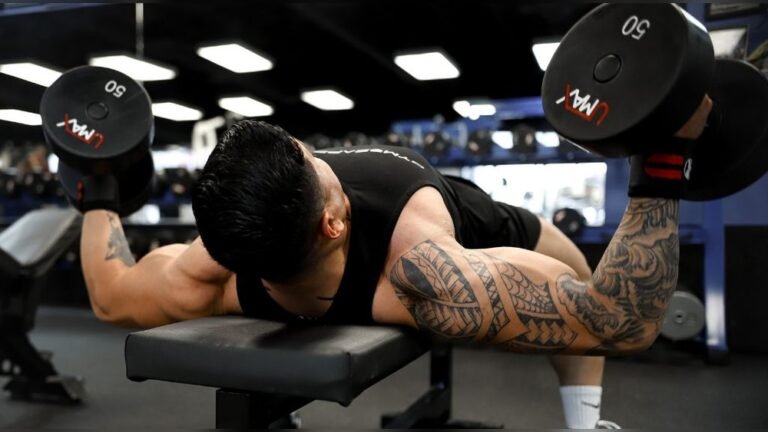
Credit: uppper.com
Wrist Wrap Materials
Wrist wraps come in different materials that affect comfort and support. Choosing the right material helps protect wrists during workouts. Each material offers unique benefits based on its stiffness and flexibility. Understanding these materials guides you to pick the best wrist wrap for your needs.
Nylon Wraps
Nylon wraps provide strong support with some flexibility. They are durable and resist stretching over time. These wraps suit heavy lifting exercises needing firm wrist stability. Nylon handles sweat well and dries quickly after use. They offer a balance between rigidity and comfort.
Cotton Wraps
Cotton wraps are soft and breathable, making them comfortable for long sessions. They offer moderate support while allowing wrist movement. These wraps are ideal for dynamic workouts like CrossFit or gymnastics. Cotton absorbs sweat but may take longer to dry. They provide gentle compression without feeling too tight.
Leather Wraps
Leather wraps are very stiff and provide maximum wrist stability. They are perfect for heavy lifting and powerlifting routines. Leather offers little stretch, locking wrists firmly in place. These wraps last long with proper care and look stylish. They may feel less flexible but ensure strong support for heavy loads.
Support Levels
Wrist wraps come in various support levels to suit different training needs. The level of support affects wrist stability and comfort during workouts. Choosing the right support helps improve performance and reduce injury risk. Two main types of wrist wraps offer distinct support levels for different activities.
Stiff Wraps For Heavy Lifting
Stiff wrist wraps provide maximum support by limiting wrist movement. They are made from thick materials like leather or heavy nylon. These wraps keep the wrist stable during heavy lifts such as bench presses and overhead presses. They reduce strain on the wrist joints and help maintain proper form. Lifters who focus on powerlifting or maximal strength often prefer stiff wraps. They are best for exercises requiring minimal wrist flexibility.
Flexible Wraps For Dynamic Movements
Flexible wrist wraps offer moderate support while allowing more wrist mobility. They use lighter materials like cotton or elastic nylon. These wraps suit dynamic exercises such as Olympic lifts, CrossFit, and gymnastics. Flexible wraps provide enough stability without restricting fast or complex movements. They also add comfort for longer training sessions. Athletes performing varied or explosive movements benefit from flexible wrist wraps.
Wrap Styles
Wrist wraps come in various styles, each designed for specific needs. Choosing the right style affects comfort and support during workouts. Understanding common wrap styles helps you pick what fits best. These wraps differ in material, closure, and flexibility. The three popular styles include Velcro wrist wraps, elastic wrist wraps, and hook-and-loop closures. Each style offers unique benefits for different exercises and wrist support levels.
Velcro Wrist Wraps
Velcro wrist wraps are popular for their easy adjustability. They provide firm support and stay securely in place. The Velcro strap allows quick tightening or loosening. These wraps suit heavy lifting and pressing exercises well. They offer a balance between stability and flexibility. Most gym users prefer Velcro wraps for their reliable grip and convenience.
Elastic Wrist Wraps
Elastic wrist wraps offer a flexible fit that moves with your wrist. They are lighter and less bulky than other wraps. These wraps provide moderate support, ideal for dynamic exercises. Elastic wraps allow some wrist mobility while reducing strain. They work well in activities like CrossFit and gymnastics. Comfort and breathability are key features of elastic wraps.
Hook-and-loop Closures
Hook-and-loop closures combine strength and ease of use. This style features a long strip that wraps around the wrist tightly. The hook-and-loop fastener secures the wrap firmly without slipping. It allows for precise adjustments to match wrist size. These closures are common in both elastic and cotton wrist wraps. They provide consistent support, especially during heavy lifts.
Sport-specific Wraps
Sport-specific wrist wraps cater to the unique demands of different athletic activities. Each type provides tailored support and flexibility. This helps athletes perform better and reduces injury risks. Understanding these wraps can guide you to the right choice for your sport.
Powerlifting Wraps
Powerlifting wraps offer maximum support and stiffness. They limit wrist movement to protect joints during heavy lifts. These wraps are usually made of thick, durable materials like leather or nylon. They help maintain wrist alignment during bench presses and overhead lifts.
Weightlifting Wraps
Weightlifting wraps balance support and flexibility. They allow more wrist mobility than powerlifting wraps. Elastic or cotton blends are common materials. These wraps help stabilize wrists during Olympic lifts like snatches and clean & jerks.
Crossfit Wraps
CrossFit wraps provide moderate support with added comfort. They are lighter and more flexible to suit varied movements. Cotton or elastic materials are typical. These wraps assist in both lifting and dynamic exercises like gymnastics or running.
Gymnastics Wraps
Gymnastics wraps prioritize flexibility and wrist protection. They are softer and thinner than other types. These wraps reduce friction and help prevent skin tears. Gymnasts benefit from the freedom of movement they offer while supporting the wrist.
Wrist Wraps Vs Wrist Straps
Wrist wraps and wrist straps both support your wrists during lifting. They serve different purposes and suit different exercises. Knowing their differences helps you pick the right gear for your workout.
When To Use Wrist Wraps
Use wrist wraps for exercises that need wrist stability. They keep your wrist firm during pressing movements. Good for bench presses, overhead presses, and heavy lifting. Wrist wraps reduce wrist pain and prevent injury. Choose wraps when you want control and support.
When To Use Wrist Straps
Use wrist straps for pulling exercises like deadlifts and rows. They help hold the bar by improving grip strength. Wrist straps reduce grip fatigue and let you lift heavier weights. Ideal for exercises where your grip limits your performance. Pick straps to focus on back and arm workouts.

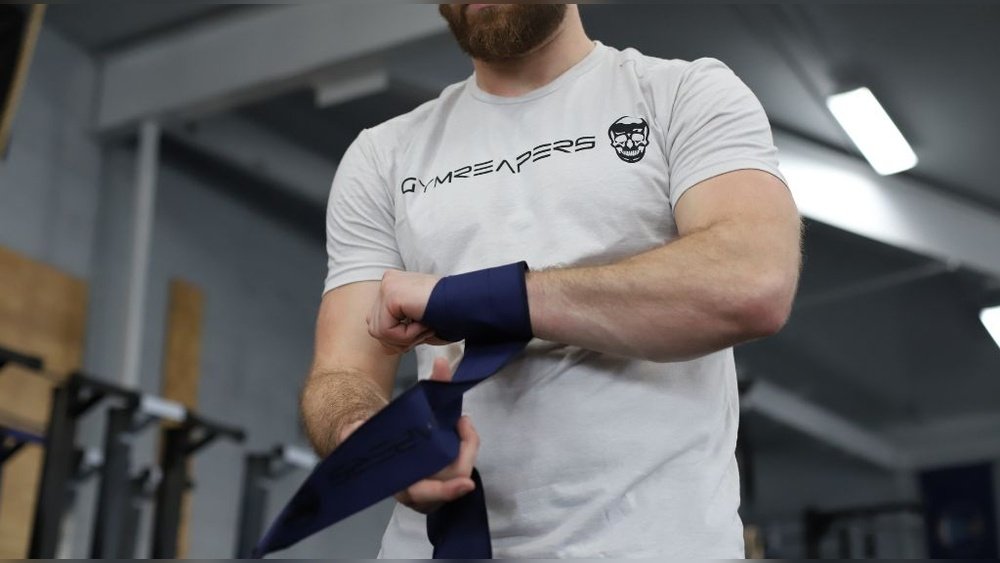
Credit: www.gymreapers.com
Choosing The Right Wrap
Choosing the right wrist wrap plays a key role in your workout safety and performance. The right wrap supports your wrist, reduces injury risk, and improves your lifting. Different wraps suit different exercises and needs. Focus on the factors that matter most to your training style and goals. Consider the wrap’s length, thickness, comfort, and fit for the best results.
Factors To Consider
Think about your workout type and wrist support needs. Heavy lifting needs firm support to keep your wrist stable. Dynamic movements require flexible wraps that move with you. Material matters: cotton offers breathability, nylon provides strength, and leather gives maximum support. Choose a wrap that matches your exercise style and wrist comfort.
Wrap Length And Thickness
Longer wraps offer more wrist coverage and support. They work well for heavy lifts like bench presses. Shorter wraps give less support but more freedom for fast movements. Thickness affects firmness: thick wraps provide strong stability but limit wrist flexibility. Thin wraps allow more wrist movement but less support. Pick length and thickness based on your workout demands.
Comfort And Fit
Comfort affects how long you can wear wraps during workouts. A wrap should feel snug but not tight or painful. Stretchy materials adapt better to wrist shape and size. Velcro closures allow easy adjustment for a perfect fit. Test wraps by moving your wrist; they should support without restricting blood flow or causing discomfort.
Benefits Of Wrist Wraps
Wrist wraps offer key benefits that support your wrist health and workout results. They provide protection and improve your ability to lift safely. Using wrist wraps can make a noticeable difference in how you train and recover.
Injury Prevention
Wrist wraps help reduce the risk of injuries during heavy lifts. They limit excessive wrist movement that can cause sprains or strains. By stabilizing the joint, wraps protect ligaments and tendons from damage. This support is vital for anyone lifting weights or doing repetitive wrist motions.
Enhanced Stability
Wrist wraps increase wrist stability, allowing better control of weights. They keep the wrist in a strong, fixed position. This stability reduces wobbling and helps maintain proper form. Improved form lowers the chance of injury and increases exercise effectiveness.
Improved Performance
Wrist wraps can boost your lifting performance by giving extra support. They enable you to lift heavier weights with confidence. The added support helps reduce fatigue in the wrist muscles. This leads to longer and more intense training sessions.
Using Wrist Wraps Properly
Using wrist wraps properly ensures better support and prevents injury during workouts. Proper use helps maintain wrist alignment and reduces strain. It also improves performance in lifts requiring wrist stability. Learning correct techniques is essential for safety and effectiveness.
Correct Wrapping Techniques
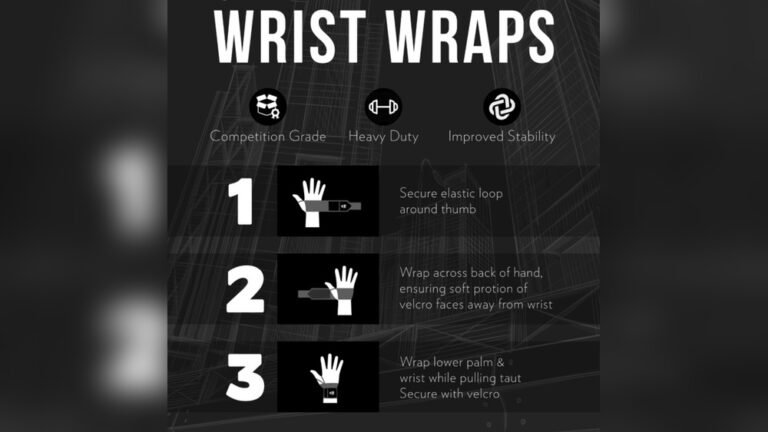
Start by placing the thumb loop around your thumb. Wrap the material snugly around the wrist bone. Avoid wrapping too tightly to prevent cutting off circulation. Make several turns to cover the wrist fully. Secure the wrap with the Velcro end. Check that the wrist feels supported but comfortable. Adjust tightness based on the exercise and personal comfort. Practice the wrapping method to gain speed and consistency.
Common Mistakes To Avoid
Do not wrap too loose or too tight. Loose wraps offer little support and may slip. Tight wraps can cause pain or numbness. Avoid wrapping over the palm or fingers. This limits hand movement and grip. Skipping the thumb loop can cause the wrap to slide off. Reusing dirty wraps can cause skin irritation. Always clean your wraps regularly. Using wraps for every exercise is unnecessary. Save them for heavy lifts or when extra support is needed.
Care And Maintenance
Proper care and maintenance help wrist wraps last longer and perform well. Clean wraps stay fresh and prevent skin irritation. Storing them correctly keeps their shape and support intact. Follow simple steps to keep your wrist wraps in top condition.
Cleaning Tips
Hand wash wrist wraps in cold water with mild soap. Avoid bleach or harsh detergents that damage fabric. Rinse thoroughly to remove all soap. Squeeze out excess water gently, do not wring. Air dry flat or hang in a well-ventilated area. Avoid direct sunlight or heat sources for drying. Machine washing can shorten their lifespan, so hand washing is best.
Storage Recommendations
Store wrist wraps in a cool, dry place. Keep them rolled or folded neatly to avoid creases. Avoid leaving wraps in damp gym bags or lockers. Use a breathable bag or pouch for storage. Check wraps regularly for wear and tear. Replace them if elastic weakens or fabric frays. Proper storage preserves support and comfort for every workout.

Credit: www.gornation.com
Frequently Asked Questions
Are Stiff Or Flexible Wrist Wraps Better?
Stiff wrist wraps offer maximum support for heavy lifts like bench press. Flexible wraps suit dynamic movements like Olympic lifts and gymnastics. Choose based on your lifting style and support needs.
How Do I Choose The Right Wrist Wrap?
Choose wrist wraps based on your activity: stiff wraps for heavy lifting, flexible wraps for dynamic exercises. Select material and length for comfort and support.
Which Wrist Straps Are Best?
The best wrist straps depend on your activity. Leather or nylon stiff wraps suit heavy lifting. Cotton or elastic wraps fit dynamic exercises. Choose based on support and flexibility needs for bench press, Olympic lifts, or general training.
Are Wrist Straps Better Than Wrist Wraps?
Wrist straps enhance grip during pulling exercises by reducing grip fatigue. Wrist wraps provide wrist stability for pressing movements. Neither is universally better; choice depends on exercise type and support needed.
Conclusion
Wrist wraps come in different types to suit your lifting needs. Stiff wraps give strong support for heavy lifts. Flexible wraps allow more movement for dynamic exercises. Material like leather, nylon, or cotton affects comfort and stability. Choose wraps based on your workout style and personal comfort.
Using the right wrist wrap can improve your performance and reduce injury risk. Remember, the best wrist wrap fits well and feels secure. Keep experimenting to find what works best for you. Wrist wraps help protect your wrists and boost confidence during training.
I am a certified fitness coach with over 10 years of experience helping people improve their strength, endurance, and overall health. Specializes in workout programming, weight training, fat loss, muscle building, home fitness, and evidence-based nutrition.My goal is to make fitness simple and practical through well-researched guides, honest product reviews, and actionable training advice.