Are you struggling to keep your wrists stable during heavy lifts or intense workouts? Wrist wraps could be the game-changer you need to protect your joints and boost your performance.
But using them the right way is key—too tight, and you risk cutting off circulation; too loose, and you lose the support you’re after. In this guide, you’ll learn exactly how to use wrist wraps so they feel comfortable, secure, and effective every time you train.
Keep reading to discover simple steps that will help you lift safer and stronger, whether you’re a beginner or a seasoned athlete. Your wrists will thank you!

Credit: thegravgear.com
Choosing Wrist Wraps
Choosing the right wrist wraps is important for support and comfort. The right wraps protect your wrists during heavy lifts. They also improve your grip and reduce injury risk. Consider the type, material, and your activity before buying wrist wraps. This guide helps you select wrist wraps that fit your needs.
Types Of Wrist Wraps
There are several types of wrist wraps available. Some wraps are stiff and provide maximum support. Others are flexible and allow more wrist movement. Velcro wraps are easy to adjust and secure tightly. Elastic wraps offer moderate support and comfort. Choose a type that matches your training style and wrist support needs.
Material And Length Options
Wrist wraps come in different materials. Cotton blends are soft and breathable. Nylon wraps are durable and offer firm support. Some wraps include elastic fibers for stretch and flexibility. Length varies from 12 to 36 inches. Longer wraps provide more support and can be wrapped multiple times. Shorter wraps are lighter and better for quick movements.
Selecting Based On Activity
Different activities need different wrist wrap features. Weightlifting needs firm wraps for heavy loads. CrossFit requires flexible wraps for fast movements. Powerlifting benefits from long, stiff wraps for extra wrist stability. For general gym use, medium support wraps work well. Match your wrist wraps to the type of exercise you do most often.
Correct Wrapping Technique
Using wrist wraps correctly can improve your wrist stability during workouts. The right technique protects your joints and helps you lift heavier safely. Follow these simple steps to wrap your wrists properly for maximum support and comfort.
Positioning The Wrap
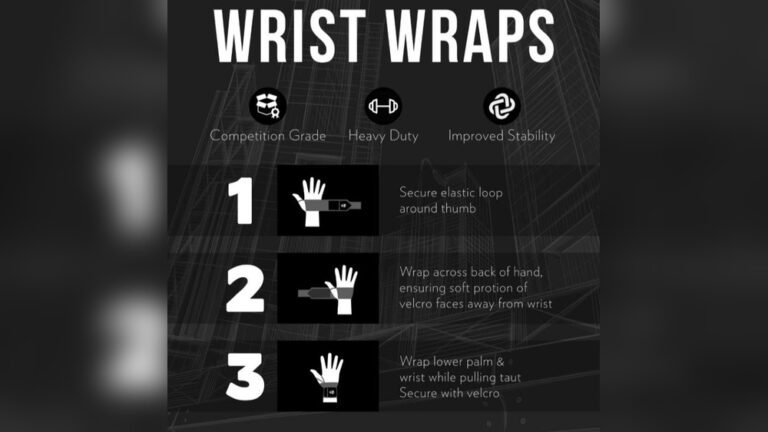
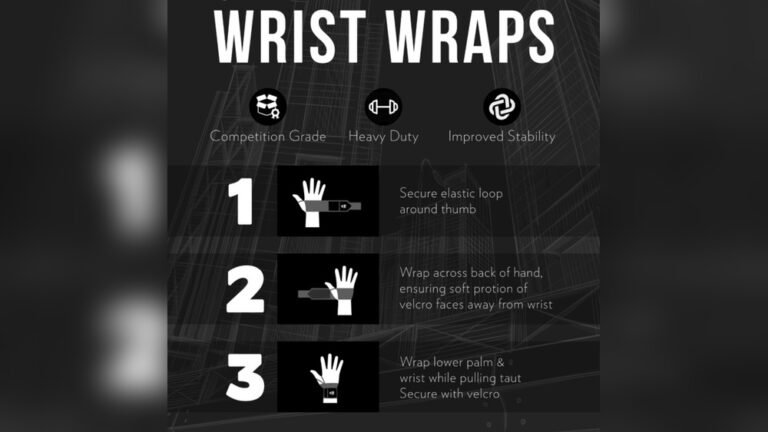
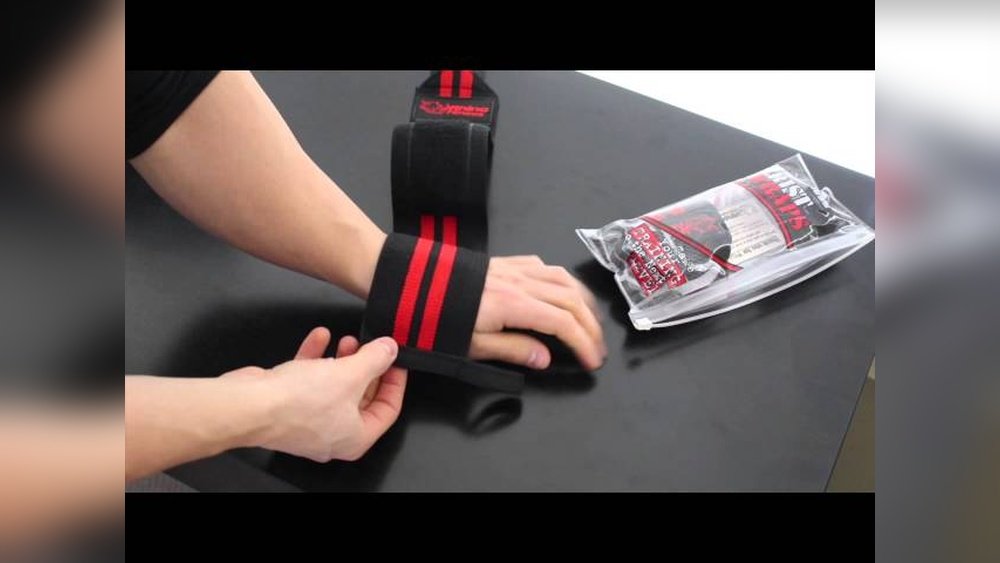
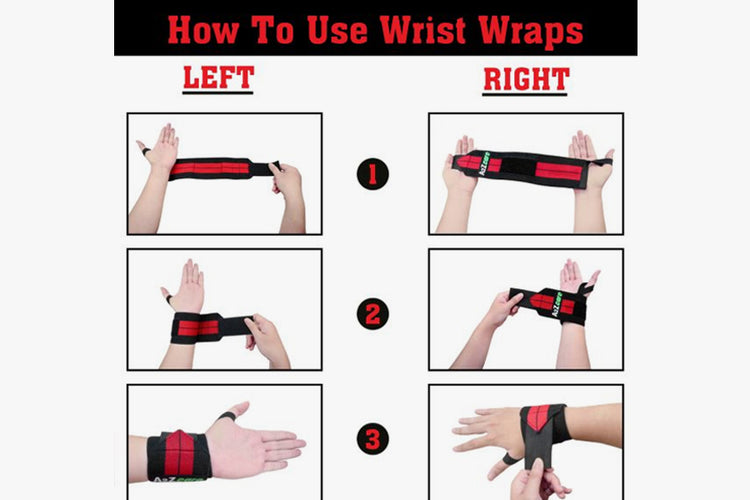
Start by placing the wrap on your wrist, just below the palm. The wrap should cover the joint where the wrist bends. Make sure it lays flat without any folds or wrinkles. Proper placement ensures even pressure and strong support.
Tightening For Support
Pull the wrap firmly, but not too tight. It should feel snug and secure without cutting off circulation. Tightening the wrap stabilizes your wrist and reduces the risk of injury. Test the fit by moving your wrist gently to check comfort.
Securing The Thumb Loop
Slip the thumb loop over your thumb to hold the wrap in place. This step prevents the wrap from sliding while you tighten it around your wrist. Keep the loop snug, but avoid discomfort or pinching on the thumb.
Wrapping Direction
Wrap the strap around your wrist in a circular motion, moving towards your forearm. Overlap each layer by half the width of the wrap for even coverage. This layering adds strength and keeps the wrap stable during lifting.
When To Wear Wrist Wraps
Wrist wraps are helpful tools for many fitness activities. They provide extra support and stability to your wrists. Knowing when to wear wrist wraps can improve your performance and protect your joints. Wearing them at the right times helps prevent injuries and reduces pain.
During Heavy Lifts
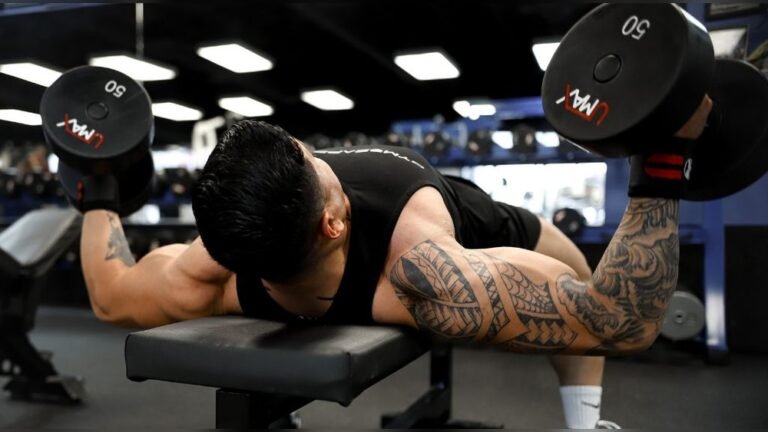
Use wrist wraps when lifting very heavy weights. They keep your wrists stable under pressure. This support helps you hold the bar better. Wrist wraps reduce strain during exercises like bench press and overhead press. They allow you to focus on lifting without worrying about wrist pain.
For Injury Prevention
Wear wrist wraps to avoid wrist injuries. If your workouts include many pushing or pulling movements, wraps help protect your joints. They limit extreme wrist movements that cause strain. Using wraps regularly can lower the risk of sprains and tendonitis. They are especially useful during intense training sessions.
Managing Wrist Pain
Wrist wraps can ease pain from past injuries or soreness. They provide gentle compression that supports healing. Wearing wraps during workouts reduces discomfort and swelling. They help you keep training even with mild wrist pain. Use wraps as part of your pain management strategy to stay active safely.
Benefits Of Wrist Wraps
Wrist wraps offer many advantages for people who lift weights or do heavy physical work. They support the wrist joint, which helps improve performance and prevent pain. Using wrist wraps can make workouts safer and more effective. Here are some key benefits of wrist wraps.
Enhancing Strength
Wrist wraps help you lift heavier weights with more control. They reduce the strain on your wrist muscles. This support lets you push harder during exercises like bench press or overhead lifts. Stronger wrists mean better overall strength and power.
Reducing Injury Risk
Wrist wraps protect your wrists from sudden twists or bends. They keep the joint in a safe position during heavy lifts. This lowers the chance of sprains, strains, or other injuries. Using wraps regularly can keep your wrists healthy over time.
Improving Wrist Stability
Wrist wraps stabilize the joint by limiting unwanted movement. This stability improves your form and technique during workouts. It helps maintain proper alignment, reducing stress on tendons and ligaments. Stable wrists lead to more consistent and safer training sessions.
Common Mistakes To Avoid
Using wrist wraps can improve your workout safety and performance. Many people make simple mistakes that reduce their benefits or cause discomfort. Avoiding these errors helps you get the right support and prevents injury.
Wrapping Too Loose Or Tight
Wrist wraps that are too loose offer little support. Your wrist can still move too much, risking injury. Wraps that are too tight cut off blood flow and cause pain. Find a balance where the wrap feels snug but not uncomfortable. Test your wrist by moving it slightly. It should feel stable without numbness or tingling.
Wearing Wraps Too Long
Wrist wraps are meant for short periods during heavy lifts. Wearing them all day can weaken your wrist muscles. Your joints need movement to stay strong. Remove wraps between sets or after your workout. Give your wrists time to rest and recover without support.
Ignoring Wrist Signals
Your wrists send clear signals if something is wrong. Pain, numbness, or unusual discomfort are warning signs. Do not ignore these feelings. Stop your activity and check your wrap tightness. If pain continues, take a break and seek advice from a professional. Listening to your body helps avoid serious injuries.

Credit: www.youtube.com
Caring For Wrist Wraps
Caring for wrist wraps helps keep them effective and long-lasting. Proper care stops damage and maintains support. Clean wraps regularly to remove sweat and dirt. Store them right to avoid stretching or twisting. Watch for signs that show it’s time to replace your wraps.
Cleaning Tips
Hand wash wrist wraps with mild soap and cold water. Avoid hot water because it can weaken the fabric. Rinse well to remove all soap. Squeeze out water gently without wringing. Let them air dry flat, away from direct sunlight. Do not use a dryer or bleach.
Storage Recommendations
Roll wrist wraps loosely before storing. Avoid folding tightly to prevent creases. Keep them in a cool, dry place. Avoid humid or damp areas to stop mold growth. Use a small bag or container to keep them clean. Keep them separate from heavy equipment to avoid damage.
When To Replace
Replace wrist wraps if they lose elasticity or become loose. Look for frayed edges or tears. If wraps no longer provide support, it is time to get new ones. Regular use can wear them out over months. Check wraps often to ensure they still protect your wrists well.
Credit: www.dmoose.com
Frequently Asked Questions
How To Correctly Use Wrist Wraps?
Wrap wrist wraps snugly around your wrist, starting with the thumb loop. Tighten for firm support without cutting circulation. Secure ends and ensure wrists stay stable during lifts. Remove wraps after workouts to allow mobility and prevent stiffness. Use wraps mainly for heavy lifting or injury prevention.
Do Wrist Wraps Go Over Or Under The Bar?
Wrist wraps go under the bar, tightened firmly around your wrists. Place palms on the bar and wrap straps toward its center for support.
How Many Hours A Day Should I Wear My Wrist Brace?
Wear your wrist brace mainly overnight and during activities that cause pain. Remove it periodically to prevent stiffness. Follow your doctor’s advice for exact duration.
Are Wrist Wraps Supposed To Be Tight?
Wrist wraps should feel snug but not overly tight. They provide support without cutting off circulation or causing pain. Adjust the tightness to stabilize your wrist while maintaining comfort during lifts.
Conclusion
Using wrist wraps correctly helps protect your wrists during workouts. Wrap them snugly, but not too tight, for support. Always position the wrap to avoid slipping or discomfort. Practice wrapping a few times to find the best fit. Wrist wraps can reduce pain and improve stability when lifting.
Remember to listen to your body and adjust usage as needed. Proper use enhances your training safely and effectively. Keep your wrists strong and injury-free with consistent, careful use.
I am a certified fitness coach with over 10 years of experience helping people improve their strength, endurance, and overall health. Specializes in workout programming, weight training, fat loss, muscle building, home fitness, and evidence-based nutrition.My goal is to make fitness simple and practical through well-researched guides, honest product reviews, and actionable training advice.