When it comes to protecting your knees, choosing the right knee sleeve can make all the difference. Whether you’re an athlete, someone dealing with knee pain, or just want extra support during daily activities, understanding the types of knee sleeves available is key to finding the perfect fit for your needs.
You might wonder, which sleeve offers the right balance of support, comfort, and flexibility? Or, how do different designs help with specific knee issues? This guide will break down the most common types of knee sleeves, so you can make an informed choice and keep your knees healthy and strong.
Keep reading to discover which knee sleeve suits your lifestyle and goals best!
Design And Material
Knee sleeves come in many designs and materials. Each type serves a specific purpose and suits different needs. The choice depends on the level of support, comfort, and breathability required. Materials affect flexibility, warmth, and durability. Understanding these differences helps pick the best sleeve for your activity or condition.
Compression Sleeves
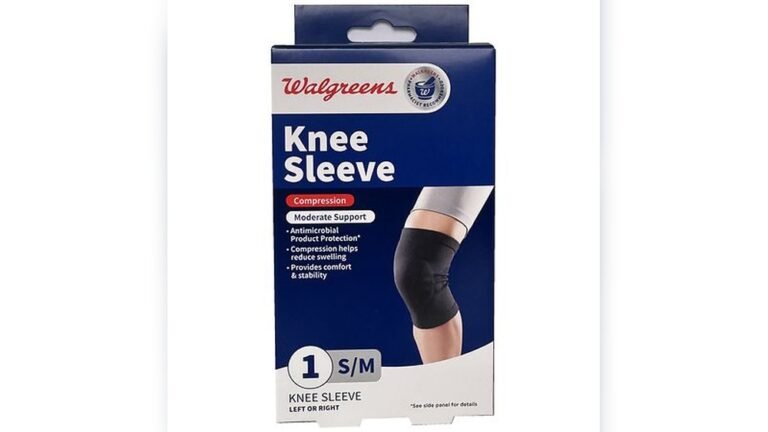
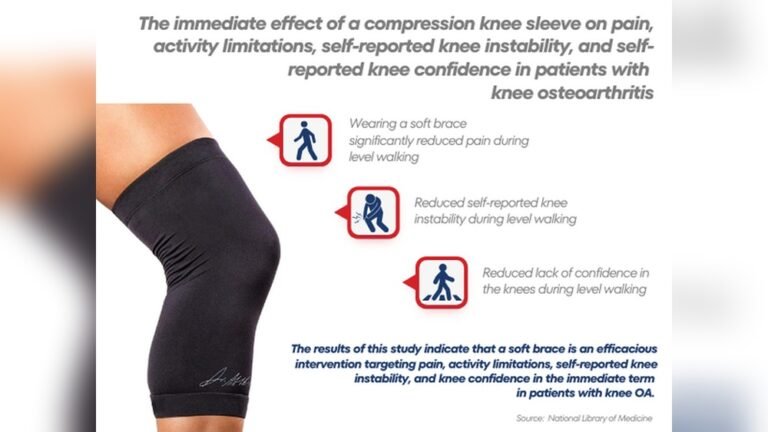
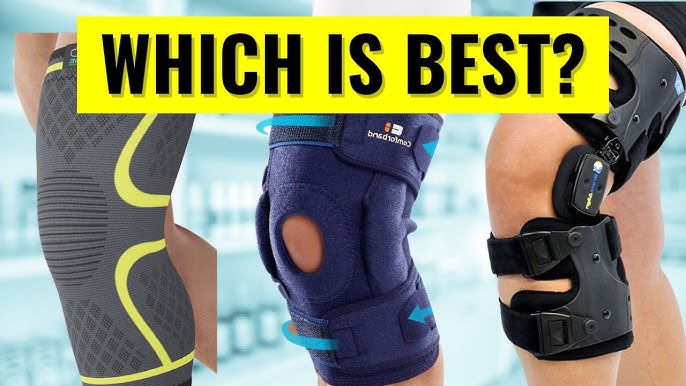
Compression sleeves are slip-on and flexible. They often use neoprene or elastic fabrics. These materials provide gentle pressure and warmth to the knee joint. They improve blood flow and reduce swelling. Compression sleeves support general knee stability during workouts or daily activities.
Open Patella Sleeves
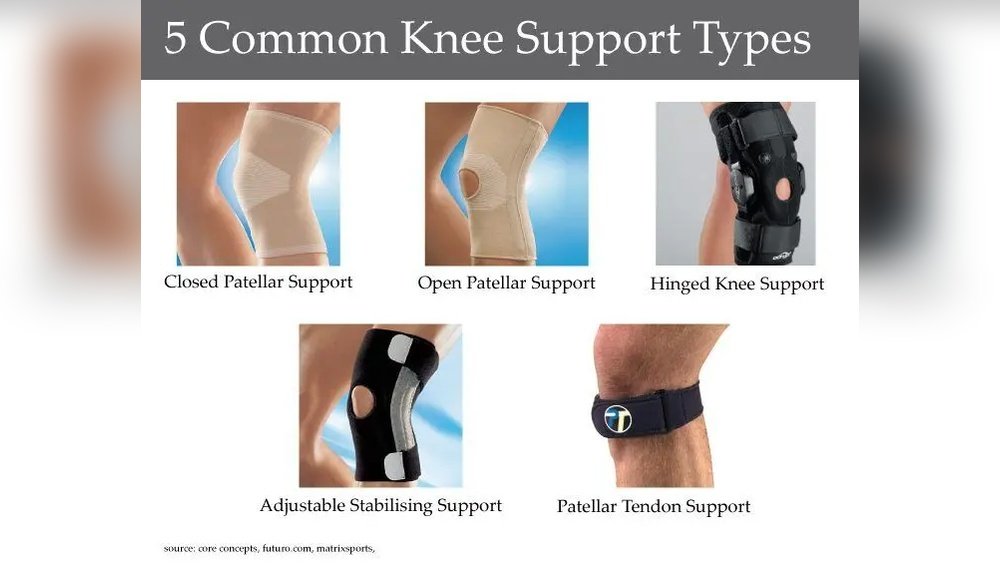
Open patella sleeves have a hole around the kneecap. This design reduces pressure on the patella. It offers targeted support without restricting kneecap movement. Usually made from stretchy neoprene or nylon blends, they balance comfort and stability well. Ideal for people with patellar pain or tracking issues.
Closed Patella Sleeves
Closed patella sleeves fully cover the kneecap area. They provide uniform compression around the entire joint. Materials are typically thick neoprene or similar fabrics. This design increases joint stability and warmth. Suitable for heavier support during intense activities or recovery phases.
Patellar Straps
Patellar straps are small bands worn just below the kneecap. They focus pressure on the patellar tendon to ease pain. Usually made of soft elastic or neoprene, they are adjustable for comfort. Best for conditions like jumper’s knee or tendonitis. They allow free knee movement while reducing strain.
Breathable Sleeves
Breathable sleeves use materials like Drytex that allow air flow. These sleeves keep knees cool and dry during exercise. They are lighter and less bulky than neoprene sleeves. Ideal for people who get hot easily or sweat a lot. The design balances support with comfort and ventilation.
-3.jpg)
Credit: blog.elitemedicalsupply.com
Thickness And Training
Thickness plays a key role in knee sleeves for training. It affects support, comfort, and movement. Different thicknesses suit different training styles and needs. Choosing the right thickness can protect your knees and improve performance. Here is a breakdown of common thickness categories for knee sleeves.
Lightweight Options
Lightweight knee sleeves usually have a thickness of 3mm. They offer mild compression and warmth. These sleeves allow full range of motion. Ideal for runners, cyclists, and light workouts. They help reduce stiffness without restricting movement.
Medium Support
Medium thickness sleeves are often 5mm thick. They provide better joint support and stability. Good for weightlifting, CrossFit, and moderate training. These sleeves help reduce knee pain and swelling. They balance protection with flexibility.
Heavy-duty Sleeves
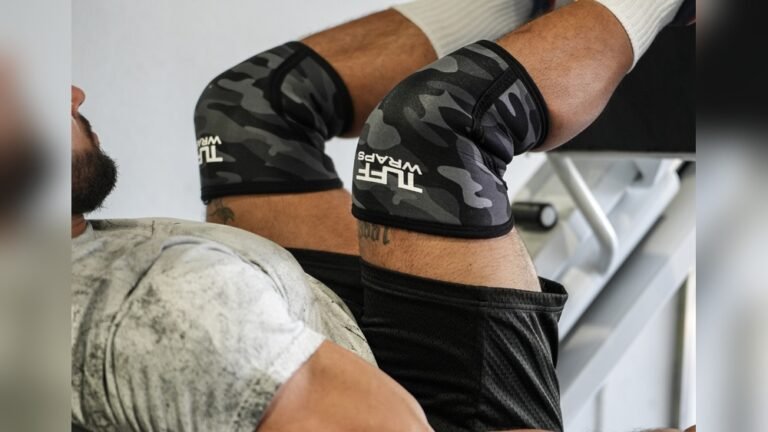
Heavy-duty knee sleeves are typically 7mm thick or more. These provide maximum compression and support. Designed for heavy lifting and intense training sessions. They protect knees from injury under high stress. Movement is more restricted but stability is increased.
Specialized Support Types
Specialized support knee sleeves provide targeted protection and stability. These sleeves go beyond basic compression. They help with serious knee issues and recovery. Ideal for injuries or post-surgery support, they offer extra control and safety.
Hinged Braces
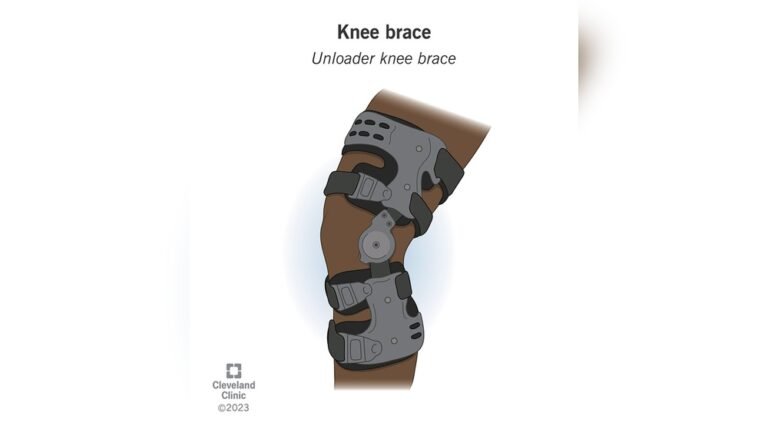
Hinged braces have metal hinges on each side of the knee. These hinges control knee movement and prevent harmful twisting. They give strong support for unstable knees or after surgery. Athletes and patients with ligament injuries often use them. Hinged braces help reduce pain and improve healing.
J-braces
J-braces feature a J-shaped pad around the kneecap. This pad guides the kneecap to stay in place. It stops the kneecap from moving outward incorrectly. People with patellar tracking problems benefit from J-braces. These braces reduce pain and protect the knee during activity. They are lightweight and easy to wear.
Credit: www.youtube.com
Choosing The Right Sleeve
Choosing the right knee sleeve depends on your specific needs and activities. Different sleeves offer various levels of support, compression, and protection. Selecting the proper type helps reduce pain, improve stability, and enhance performance. Understanding the purpose of each sleeve guides you to the best fit for your condition or sport.
For Patellar Tendon Pain
Patellar tendon pain requires targeted support. Patellar straps or open patella sleeves work well here. These sleeves reduce pressure on the tendon below the kneecap. They provide focused compression to ease pain from tendonitis or jumper’s knee. Using the right sleeve helps maintain knee movement without discomfort.
For Arthritis And Joint Pain
Arthritis and joint pain need gentle compression and warmth. Closed patella sleeves give full joint support and warmth. They improve blood flow and reduce stiffness in the knee. Soft, flexible materials make these sleeves comfortable for daily wear. Regular use can ease pain and protect sensitive joints.
For Weightlifting And Squats
Weightlifting demands strong knee support to prevent injury. Thick compression sleeves provide stability during heavy lifts and squats. These sleeves limit unwanted knee movement and boost joint compression. Durable neoprene or similar material is common for this purpose. They help maintain proper form and reduce strain.
For General Support And Warmth
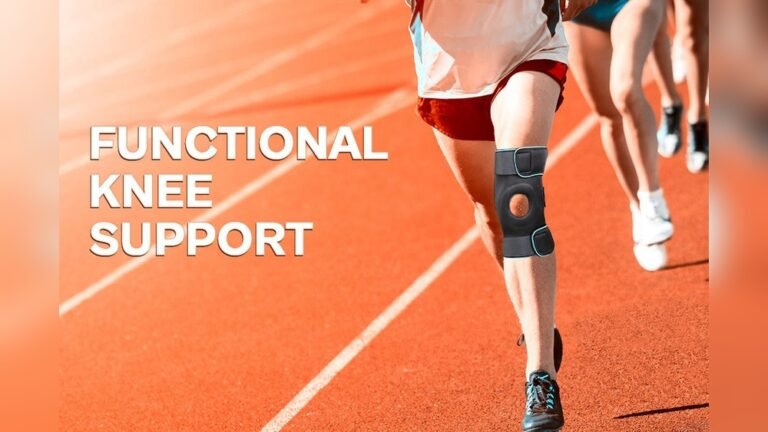
General knee support suits everyday activities and mild discomfort. Compression sleeves with breathable fabric offer warmth and mild stability. These sleeves fit snugly and are easy to wear all day. They help keep the knee joint warm, reducing the risk of injury. Ideal for light exercise or long periods of standing.

Credit: www.amazon.com
Frequently Asked Questions
What Are The Main Types Of Knee Sleeves?
The main types include compression sleeves, open patella, closed patella, patellar straps, and breathable sleeves. Each serves different support and comfort needs.
How Do Open Patella Sleeves Benefit The Knee?
Open patella sleeves reduce pressure on the kneecap while providing support. They help improve movement and relieve patellar pain.
When Should I Use A Patellar Strap?
Patellar straps target pain below the kneecap, ideal for conditions like jumper’s knee or patellar tendonitis. They offer localized compression and relief.
What Thickness Is Best For Knee Sleeves In Lifting?
Thicker sleeves (around 7mm) provide more support and stability for heavy lifting. Thinner sleeves are better for light training and general use.
Conclusion
Knee sleeves come in many types to suit different needs. Each type offers unique support and comfort. Compression sleeves provide warmth and general support. Open patella sleeves reduce pressure on the kneecap. Patellar straps target tendon pain effectively. Breathable sleeves keep your knees cool during activity.
Choosing the right sleeve depends on your specific knee issue. Consider thickness for lifting or training needs. Proper knee support helps reduce pain and improve movement. Use this guide to find the best knee sleeve for you. Stay active and protect your knees well.
I am a certified fitness coach with over 10 years of experience helping people improve their strength, endurance, and overall health. Specializes in workout programming, weight training, fat loss, muscle building, home fitness, and evidence-based nutrition.My goal is to make fitness simple and practical through well-researched guides, honest product reviews, and actionable training advice.