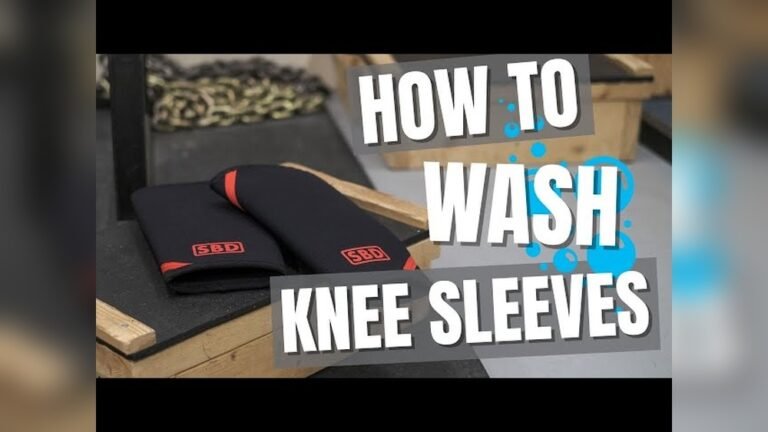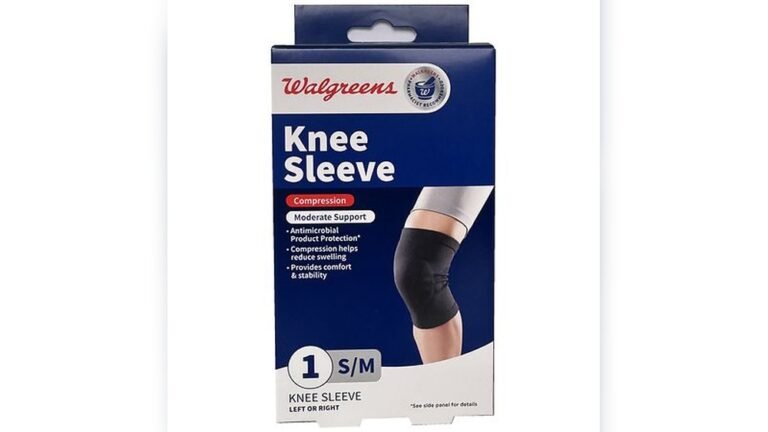
Are you using knee sleeves to protect your knees during workouts or daily activities? While they can offer valuable support and relief, wearing them incorrectly or too often might actually cause harm.
You need to know exactly when to wear knee sleeves, how tight they should be, and when it’s best to avoid them altogether. This guide will help you use knee sleeves safely and effectively, so you get the benefits without risking pain, injury, or skin problems.
Keep reading to discover essential safety tips that protect your knees and keep you moving comfortably.
When To Avoid Knee Sleeves
Knee sleeves offer support and compression during physical activities. Yet, there are times when wearing them can do more harm than good. Knowing when to avoid knee sleeves helps protect your knee health and prevents complications.
Severe Injuries
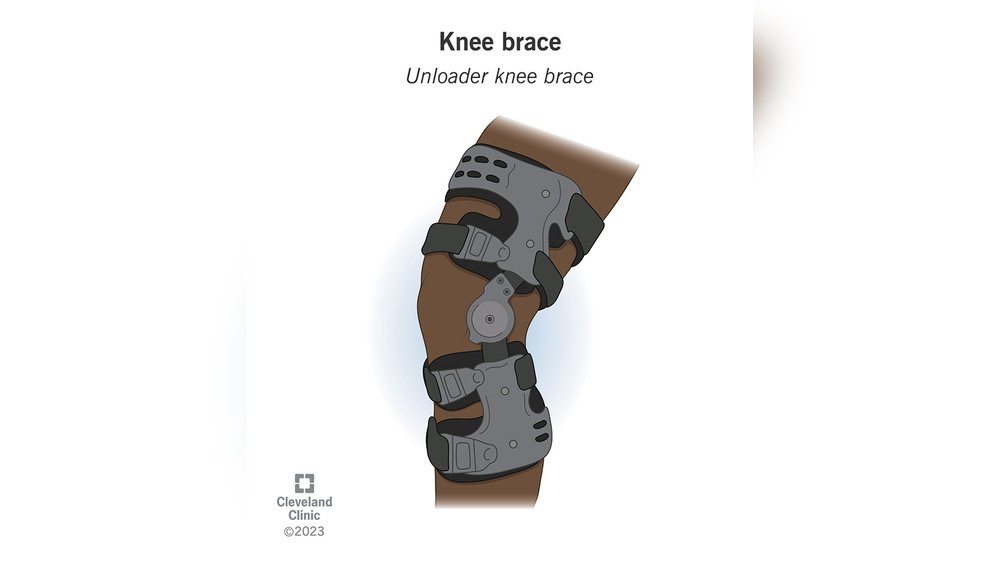
For serious knee injuries, a sleeve is not enough. You need a proper medical diagnosis. A more supportive brace or treatment might be required. Using only a sleeve can delay healing or worsen the injury.
Open Wounds And Rashes
Do not wear knee sleeves over broken skin or rashes. Covering open wounds traps moisture and bacteria. This can lead to infections and slow down skin healing. Let the skin heal before using a sleeve again.
Circulation Issues
People with poor blood flow should avoid tight knee sleeves. Compression can worsen circulation problems. This might cause swelling or numbness in your legs. Consult a doctor before using sleeves if you have circulation concerns.
Undiagnosed Pain
Never use knee sleeves to treat pain without a diagnosis. Pain can signal serious knee problems. Wearing sleeves without knowing the cause may hide symptoms. Always see a healthcare professional first.
During Sleep
Remove knee sleeves before going to bed unless a doctor advises otherwise. Wearing them during sleep can compress nerves. This may cause tingling or numbness. Allow your knees to rest naturally overnight.
Excessive Tightness
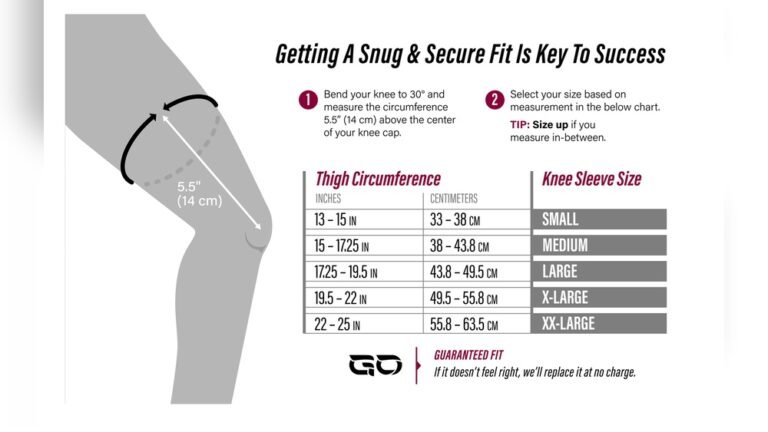
Sleeves that feel too tight can be dangerous. Excessive pressure cuts off circulation. It can cause swelling or even nerve damage. Choose sleeves that fit snugly but do not restrict blood flow.
Minor Activities
Using knee sleeves for light or short activities is unnecessary. Walking short distances or resting does not require extra support. Overusing sleeves may lead to dependency and weaken knee muscles.

Credit: www.amazon.com
Risks Of Overusing Knee Sleeves
Knee sleeves provide support and warmth during exercise. Yet, wearing them too much has risks. Overusing knee sleeves can cause problems that affect your knee health and overall well-being. Understanding these risks helps you use knee sleeves safely and effectively.
Muscle Atrophy
Relying on knee sleeves all the time can weaken muscles. Your knee muscles may shrink from lack of use. This muscle loss reduces natural knee strength. Over time, it makes your knee less stable without the sleeve.
Skin Irritation
Continuous use of knee sleeves can irritate your skin. Sweat and friction may cause redness or rashes. Tight sleeves can trap moisture, leading to itching or infections. Regular breaks and clean sleeves prevent these skin problems.
Masking Serious Injuries
Knee sleeves may hide pain from serious injuries. Wearing them might cover up swelling or discomfort. This can delay important medical treatment. Always check with a doctor if pain lasts or worsens despite wearing a sleeve.
Safe Uses For Knee Sleeves
Knee sleeves provide gentle support and compression to the knee joint. They help reduce discomfort and improve stability during physical activities. Using them safely enhances benefits and lowers risk of injury or irritation. Understanding the right uses makes a big difference in knee health.
Mild To Moderate Pain
Knee sleeves work well for mild to moderate knee pain. They ease pressure on the joint and reduce strain on muscles and tendons. Wearing sleeves during exercise or daily tasks helps control pain without limiting movement. Avoid using sleeves to mask severe pain. Check with a doctor if pain worsens or lasts long.
Arthritis And Instability
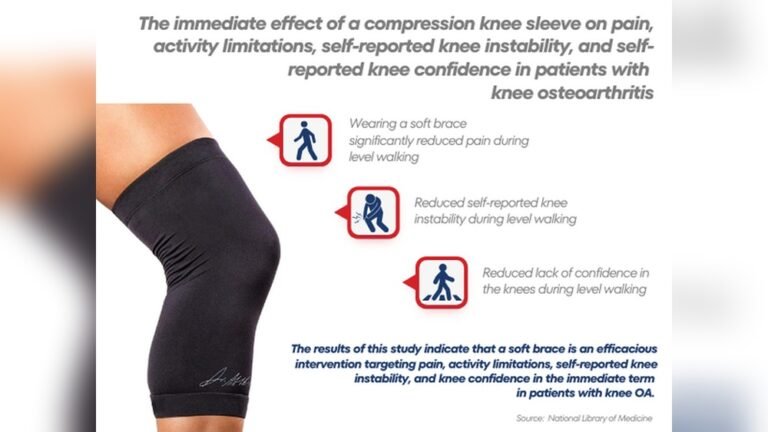
People with arthritis or knee instability find relief using knee sleeves. Compression improves joint alignment and reduces swelling. Sleeves offer support to weak or unstable knees, helping prevent sudden twists or falls. They are best worn during activities that stress the knee. Do not rely on sleeves alone for severe joint damage or instability.
Warmth And Blood Flow
Knee sleeves keep the knee warm and boost blood circulation. Warmth relaxes muscles and eases stiffness, especially in cold weather. Better blood flow speeds recovery after exercise or injury. Use sleeves during workouts to maintain warmth and protect the joint. Remove them if the knee feels too tight or numb.

Credit: www.amazon.com
Signs To Seek Medical Help
Knowing when to seek medical help while using knee sleeves is essential for your safety. Knee sleeves support mild injuries but may not be enough for serious problems. Pay attention to warning signs that show your knee needs professional care. Ignoring these can worsen your condition.
Severe Pain And Swelling
Severe pain that does not improve is a red flag. Swelling that increases over time also signals trouble. These symptoms may mean a serious injury or inflammation. Remove the knee sleeve and contact a doctor immediately.
Discoloration Or Bruising
Look for unusual color changes like redness, blue, or purple spots. Bruising near the knee can indicate internal damage. These signs suggest bleeding under the skin or poor circulation. Medical evaluation is necessary to prevent complications.
Tingling And Numbness
A tingling feeling or numbness in your knee or leg is a warning sign. These symptoms show nerve compression or poor blood flow. Knee sleeves that are too tight can cause this problem. Stop using the sleeve and get medical advice.
Loss Of Movement
Difficulty bending or straightening your knee requires urgent attention. Loss of movement may mean joint damage or severe swelling. Avoid forcing the knee to move and seek medical help quickly. Early treatment improves recovery chances.
Effects Of Sedentary Behavior
Sitting for long periods affects knee health and the benefits of knee sleeves. Sedentary behavior reduces muscle strength and joint flexibility. It also changes how your body moves. These effects can make wearing knee sleeves less effective or even risky.
Muscle Weakness
Muscles around the knee get weak with little activity. Weak muscles do not support the knee well. Knee sleeves rely on muscle support to protect the joint. Without strong muscles, the sleeves cannot do their job fully. This can increase the risk of injury.
Joint Stiffness
When you sit too long, your knee joints become stiff. Stiff joints lose their natural movement. Knee sleeves work best when joints move smoothly. Stiffness can cause discomfort even with sleeves on. Regular movement helps keep joints flexible and sleeves comfortable.
Poor Body Alignment
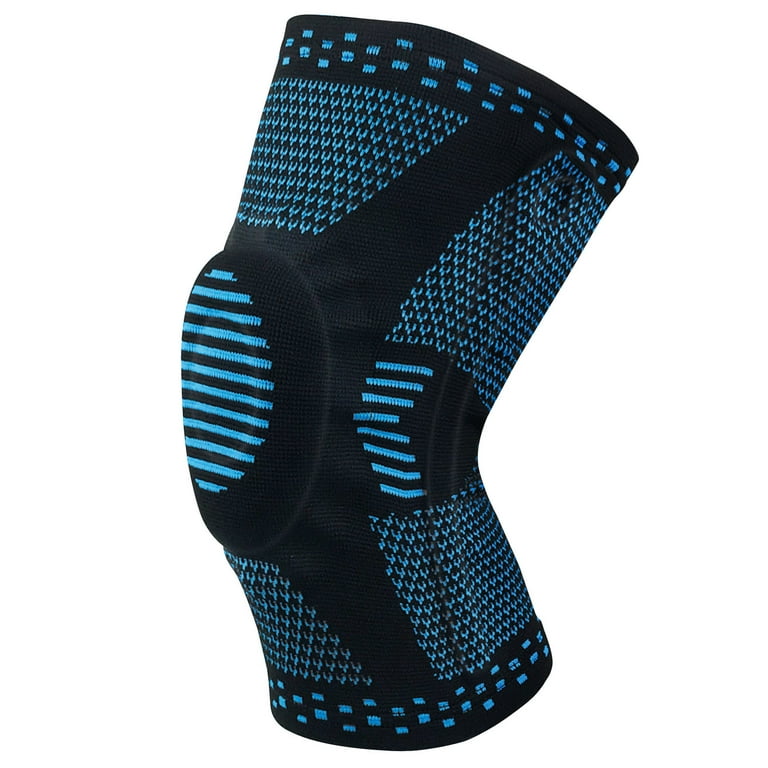
Sitting incorrectly changes your body’s posture and alignment. Poor alignment puts extra pressure on knees. Knee sleeves cannot fix alignment problems alone. Bad posture may cause pain or injury despite wearing sleeves. Good habits and exercises improve alignment and knee health.
Credit: www.walmart.com
Frequently Asked Questions
When Should You Not Wear Knee Compression Sleeves?
Avoid knee compression sleeves with severe injuries, open wounds, numbness, tingling, or increased pain. Remove them during sleep unless a doctor advises otherwise. Do not wear if circulation worsens or sleeves feel too tight. Consult a doctor for undiagnosed pain before use.
What Is The 1 Mistake That Makes Bad Knees Worse?
The 1 mistake worsening bad knees is ignoring proper diagnosis and overusing knee supports without medical advice. This delays healing and increases damage.
How To Prevent Knee Sleeve From Sliding Down?
Choose the correct sleeve size and ensure a snug fit. Apply anti-slip tape or wear sleeves with silicone grips. Avoid excess sweat by keeping skin dry. Adjust sleeve position regularly during activity to maintain placement.
How Many Hours A Day Should I Wear A Knee Compression Sleeve?
Wear a knee compression sleeve 4 to 6 hours daily during activity. Remove it during rest or sleep unless a doctor advises otherwise. Avoid wearing it too tight to prevent circulation issues. Consult a doctor for proper diagnosis and personalized wearing time.
Conclusion
Knee sleeves can provide helpful support during mild activities and exercise. Use them correctly to avoid risks like skin irritation or muscle weakness. Always check the fit; sleeves should not feel too tight or cause numbness. Avoid wearing them over open wounds or for severe injuries.
Take breaks from wearing sleeves, especially during rest or sleep. Listen to your body and consult a doctor if pain or problems persist. Safe use of knee sleeves helps protect your knees and keeps you active.
I am a certified fitness coach with over 10 years of experience helping people improve their strength, endurance, and overall health. Specializes in workout programming, weight training, fat loss, muscle building, home fitness, and evidence-based nutrition.My goal is to make fitness simple and practical through well-researched guides, honest product reviews, and actionable training advice.