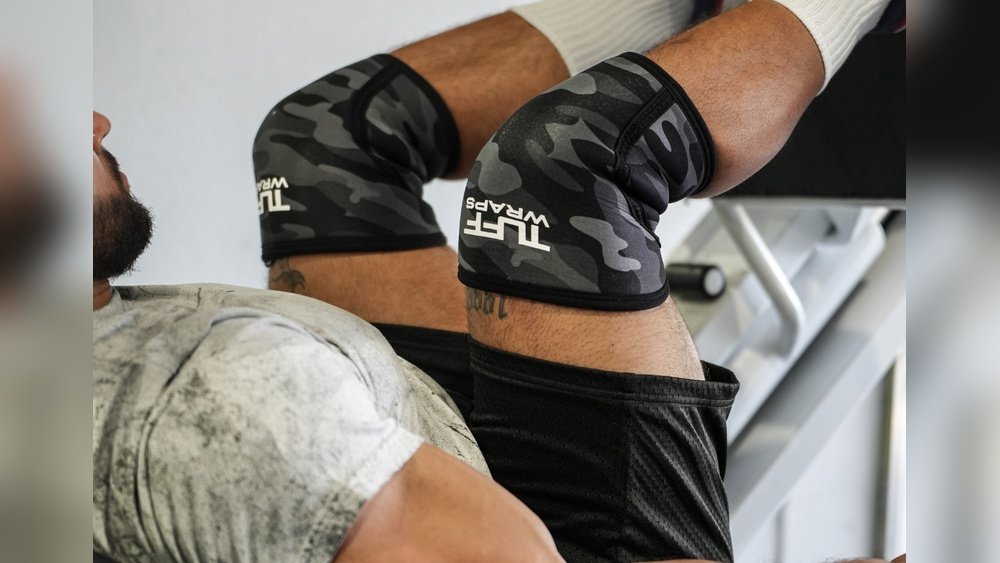
If you’ve ever wondered how to get the most out of your knee sleeves, you’re in the right place. Whether you’re dealing with mild discomfort, recovering from an injury, or just want extra support during workouts, knowing when and how to wear knee sleeves can make a big difference.
Wearing them the right way not only boosts your knee stability but also helps prevent irritation and other issues. In this guide, you’ll discover simple, practical tips on how to put on knee sleeves, how long you should wear them, and when to be cautious.
Keep reading to protect your knees and get the support you need without any guesswork.
Choosing The Right Knee Sleeve
Choosing the right knee sleeve is important for comfort and support. The right sleeve helps reduce pain and improves knee stability. It also protects your knee during workouts or daily activities. Understanding different materials, sizes, and compression levels helps you find the best fit. This guide breaks down key factors to consider before buying a knee sleeve.
Material Types
Knee sleeves come in various materials. Neoprene is common for warmth and support. It helps keep joints warm and improves blood flow. Nylon and spandex blends offer more flexibility and breathability. These are good for longer wear or hot weather. Some sleeves have extra padding for impact protection. Choose a material based on your activity and comfort needs.
Sizing And Fit
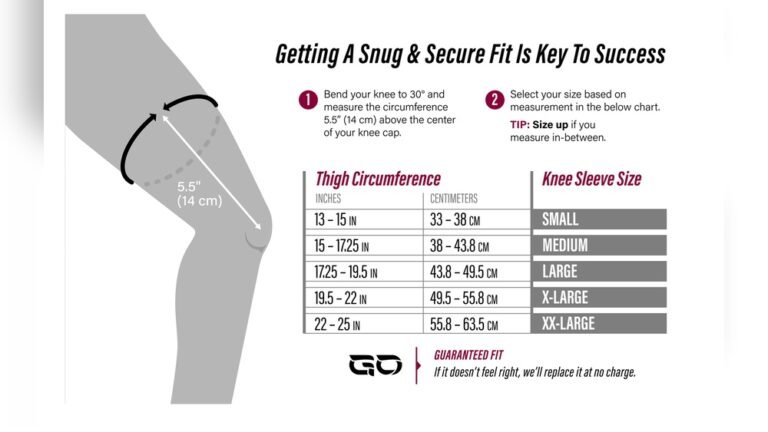
Proper size is crucial for knee sleeves. A sleeve that is too tight can cause pain or restrict movement. One that is too loose won’t offer enough support. Measure your knee around the center of the patella (kneecap). Check the size chart from the manufacturer before buying. A good fit should feel snug but not painful. Try different sizes if possible to find the best fit.
Compression Levels
Knee sleeves provide different levels of compression. Light compression is good for mild support and daily use. Medium compression helps reduce swelling and supports weak knees. High compression is best for serious injuries or heavy lifting. Choose compression based on your knee condition and activity intensity. Always start with lower compression and increase if needed.

Credit: sleevestars.com
Proper Application Techniques
Applying knee sleeves correctly ensures they provide the best support and comfort. Proper technique helps avoid skin irritation and maintains sleeve effectiveness. Follow simple steps to wear knee sleeves properly. This guide also shares tips to keep your sleeves durable and long-lasting.
Step-by-step Wearing Guide
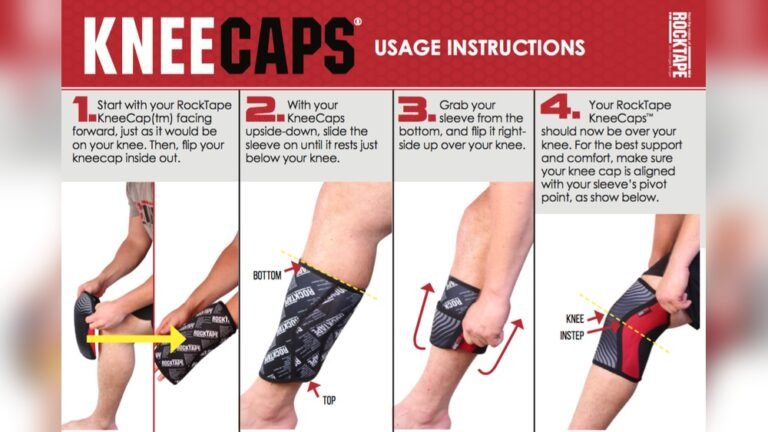
Start with clean, dry skin to avoid slipping. Hold the sleeve at the top and gently pull it over your foot.
Slide the sleeve up your leg slowly. Make sure it covers the knee fully. The sleeve should fit snugly but not too tight.
Adjust the sleeve so the kneecap aligns with the center of the sleeve. Smooth out any wrinkles or folds to prevent discomfort.
Check for even pressure around the knee. Avoid bunching or sliding during movement. Move your knee to test comfort and fit.
Tips To Maximize Durability
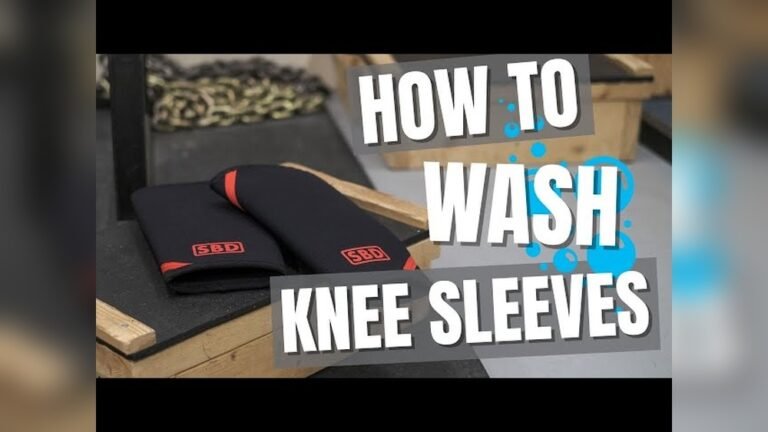
Wash sleeves by hand in cold water after each use. Avoid harsh detergents and bleach. Air dry flat, away from direct heat or sunlight.
Store sleeves in a cool, dry place. Avoid folding them tightly to prevent damage to the fabric and elasticity.
Rotate between two or more pairs if you use sleeves frequently. This helps reduce wear and extends the life of each sleeve.
Inspect sleeves regularly for signs of wear. Replace them if fabric thins or seams start to come apart.
When To Wear Knee Sleeves
Knee sleeves provide support and warmth to the knee joint. Knowing when to wear them helps maximize benefits. Wearing knee sleeves at the right time can reduce pain and improve stability. This guide explains key moments to use knee sleeves effectively.
During Exercise And Sports
Wear knee sleeves during workouts or sports activities. They offer extra support to the knee under stress. Sleeves help reduce joint strain and improve blood flow. Use them for running, weightlifting, cycling, or basketball. Remove sleeves during rest to let your skin breathe.
Managing Mild To Moderate Pain
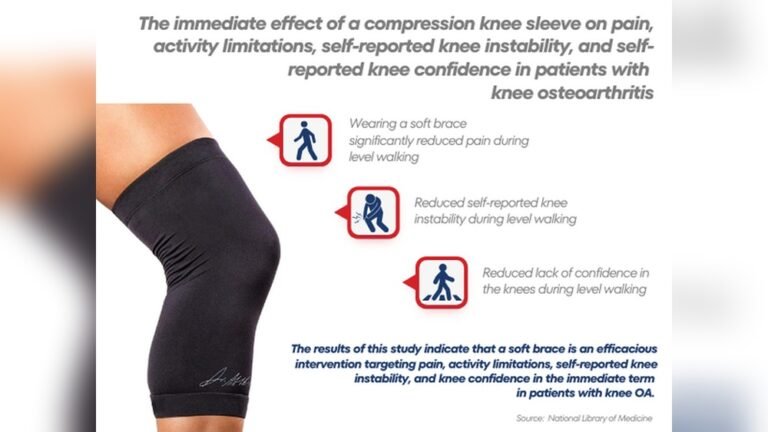
Knee sleeves ease mild to moderate knee pain from arthritis or overuse. Wear them during daily activities to reduce discomfort. Sleeves provide gentle compression that soothes aching joints. Avoid wearing them all day to prevent skin irritation. Take breaks and monitor your knee’s response.
Post-injury And Surgery Use
After knee injuries or surgery, knee sleeves support healing tissues. They help reduce swelling and improve circulation. Use sleeves as recommended by your healthcare provider. Start with short periods and gradually increase wearing time. Remove sleeves if you feel numbness or increased pain.
Duration Guidelines
Wearing knee sleeves correctly improves support and helps manage pain. Knowing how long to wear them each day is important. Proper duration keeps your knees safe and comfortable. Overusing or wearing sleeves too long can cause skin issues or restrict blood flow. Follow clear guidelines to get the best results from your knee sleeves.
Recommended Daily Wear Times
Wear knee sleeves during activities that stress your knees. This includes workouts, sports, and long walks. For mild discomfort, use sleeves for 2 to 4 hours daily. If pain is stronger, wearing sleeves for up to 6 hours may help. Remove sleeves during rest or sleep to let your skin breathe. Always start with shorter wear times and increase as needed.
Signs To Remove Knee Sleeves
Remove your knee sleeves immediately if you feel numbness or tingling. Watch for redness, swelling, or increased pain under the sleeve. Skin irritation or itchiness are also signs to take them off. If the sleeve feels too tight or causes discomfort, do not continue wearing it. Taking breaks helps prevent skin damage and improves circulation.
Avoiding Overuse
Do not wear knee sleeves all day unless a doctor advises it. Continuous use can cause skin problems and reduce blood flow. Avoid wearing sleeves while sleeping unless recommended by a healthcare professional. Give your knees time without compression to recover naturally. Balance support with proper skin care for the best knee health.
Benefits For Support And Recovery
Knee sleeves offer key benefits for support and recovery. They help protect joints and muscles during activity. Using knee sleeves can improve healing after injury or strain. Their design focuses on compression and stability to aid movement and comfort.
Many athletes and active people rely on knee sleeves to reduce pain. They also help the knee recover faster by improving blood flow. Knee sleeves can be worn during exercise or daily tasks for added support.
Enhancing Stability
Knee sleeves provide gentle compression around the joint. This compression stabilizes the knee during movement. It reduces the risk of sudden twists or strains. The sleeve helps keep the knee in proper alignment. This support is vital for preventing injuries in sports or work.
Stable knees allow better control and confidence. People feel more secure during squats, runs, or jumps. Stability also lessens muscle fatigue, helping you stay active longer.
Reducing Swelling And Pain
Compression from knee sleeves limits swelling after injury. It stops excess fluid buildup around the joint. Less swelling means less pain and stiffness. The sleeve’s pressure soothes sore muscles and tendons.
Wearing a knee sleeve can ease discomfort from arthritis or overuse. It provides gentle warmth, which relaxes tight tissues. This relief helps maintain daily activity without extra pain.
Boosting Circulation
Knee sleeves improve blood flow in and around the joint. Better circulation speeds up healing by delivering oxygen and nutrients. It helps remove waste products that cause soreness.
Increased circulation reduces muscle cramps and speeds recovery time. Regular use supports long-term joint health. This benefit is especially important after surgery or injury.

Credit: www.getlabtest.com
Potential Risks And Disadvantages
Knee sleeves offer support and warmth during activity. They help reduce pain and improve joint stability. Despite these benefits, some risks and downsides exist. Knowing these can help you use knee sleeves safely and effectively.
Muscle Weakening From Overuse
Using knee sleeves all the time can cause muscle weakening. The muscles around the knee may become lazy. They rely on the sleeve for support instead of working hard. This can reduce strength and stability over time. It is best to wear sleeves only during exercise or pain.
Skin Irritation And Care
Knee sleeves fit tightly and can cause skin irritation. Sweat and friction may lead to rashes or itching. Clean your sleeves regularly to avoid bacteria buildup. Remove the sleeve if you feel discomfort or redness. Let your skin breathe between uses to stay healthy.
Limitations Compared To Braces
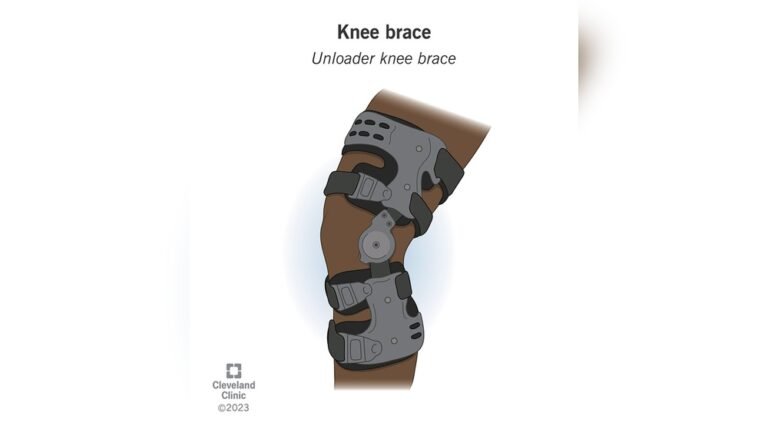
Knee sleeves are not the same as braces. Sleeves provide compression but less structural support. They do not stop harmful knee movements like braces do. For serious injuries, braces offer better protection and control. Use knee sleeves for mild support, not for major knee problems.
Maintenance And Care Tips
Proper maintenance keeps your knee sleeves effective and comfortable. Caring for them extends their life and preserves their support. Follow simple steps to clean, store, and know when to replace your sleeves.
Cleaning Instructions
Wash knee sleeves by hand with cold water and mild soap. Avoid bleach or harsh detergents. Rinse thoroughly to remove all soap. Air dry them flat away from direct heat or sunlight. Do not use a dryer or iron as heat damages the material. Clean after each use to prevent odor and bacteria buildup.
Storage Recommendations
Store knee sleeves in a cool, dry place. Keep them away from direct sunlight to prevent fading and material breakdown. Avoid folding tightly or placing heavy objects on them. Use a breathable bag or container to allow air circulation. Proper storage helps maintain their shape and elasticity.
When To Replace
Replace knee sleeves if they lose compression or feel loose. Check for tears, holes, or stretched fabric. If they cause discomfort or skin irritation, it is time to get a new pair. Regular replacement ensures optimal support and protection for your knees.
Consulting Healthcare Professionals
Consulting healthcare professionals is essential before using knee sleeves. These experts help ensure safe and effective use. They provide advice tailored to your specific knee condition. Their guidance reduces risks of incorrect usage or injury. Professionals can also recommend the right type and fit for your needs.
Customizing Use For Conditions
Healthcare professionals adjust knee sleeve use based on your condition. They consider injury type, pain level, and activity. Custom advice helps protect your knee without causing harm. For arthritis, they may suggest wearing sleeves during movement only. Post-surgery guidance often includes specific timing and sleeve tightness. This personalized approach improves comfort and healing.
When To Seek Medical Advice
Seek medical advice if knee pain worsens with sleeves. Remove sleeves if you feel numbness or tingling. Swelling or increased discomfort also requires professional attention. Persistent issues need evaluation to avoid further damage. Always talk to a doctor before starting or changing sleeve use. Early consultation helps prevent complications and supports recovery.
Credit: eu.alpinestars.com
Frequently Asked Questions
How Many Hours Per Day Should You Wear A Knee Sleeve?
Wear a knee sleeve during physical activities or pain episodes, typically 2 to 8 hours daily. Remove it during rest or sleep unless advised otherwise. Avoid wearing all day to prevent skin irritation or circulation issues. Always follow your doctor’s specific recommendations.
How To Properly Use A Knee Sleeve?
Slide the knee sleeve up from the bottom over your foot to the knee. Wear it during activities for support. Remove it during rest. Avoid wearing it all day or while sleeping unless advised by a doctor. Ensure it fits snugly without causing numbness or swelling.
What Should I Use Knee Sleeves For?
Use knee sleeves to support and stabilize knees during exercise or physical activities. They reduce pain and improve joint warmth. Ideal for mild pain, arthritis, or injury recovery, knee sleeves enhance performance and prevent further injury while providing compression and comfort.
What Is The Downside Of Knee Sleeves?
Knee sleeves can cause skin irritation, restrict movement if too tight, and may weaken muscles if overused. They offer limited support compared to braces.
Conclusion
Knee sleeves offer valuable support during physical activities. Wear them only when needed to avoid skin irritation. Start with short periods and increase gradually. Always pay attention to your body’s signals. Remove sleeves if you feel numbness or discomfort. Consult your doctor for personalized advice.
Proper use helps protect your knees and improves comfort. Keep your skin healthy by giving breaks from wearing sleeves. This simple guide helps you use knee sleeves safely and effectively.
I am a certified fitness coach with over 10 years of experience helping people improve their strength, endurance, and overall health. Specializes in workout programming, weight training, fat loss, muscle building, home fitness, and evidence-based nutrition.My goal is to make fitness simple and practical through well-researched guides, honest product reviews, and actionable training advice.