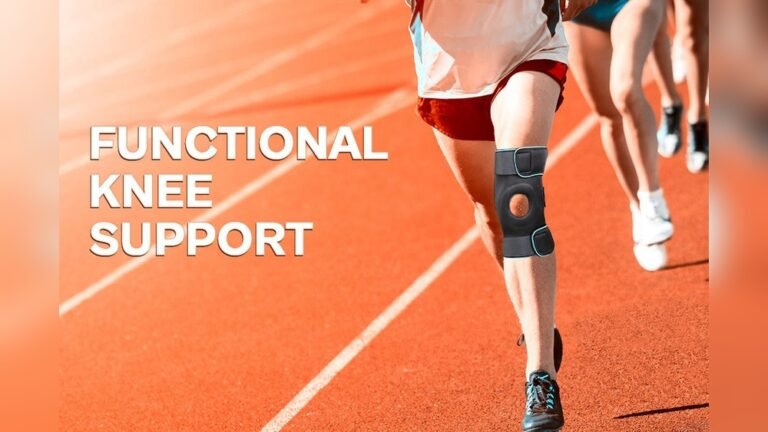
Are you looking to protect your knees during workouts or daily activities? Knee sleeves can be a game-changer, offering support, warmth, and compression that help reduce pain and improve performance.
But if you’re not sure how to use them correctly, you might not get the benefits you want—or worse, you could cause discomfort or even injury. You’ll learn exactly how to put on knee sleeves the right way, when to wear them, and what to watch out for.
Keep reading to discover simple tips that will keep your knees safe and help you stay active with confidence.

Credit: www.youtube.com
Choosing The Right Knee Sleeves
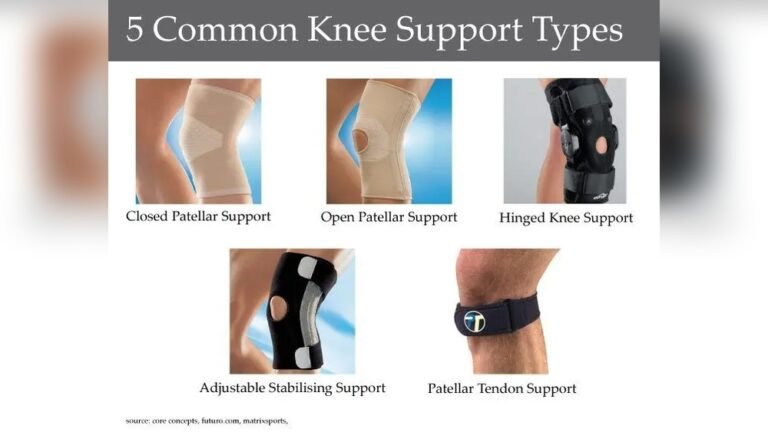
Choosing the right knee sleeves is essential for comfort and support. The right pair protects your knees and improves performance. Several factors determine the best knee sleeves for you. These include materials, thickness, sizing, and the activity you will use them for. Understanding these helps you pick knee sleeves that fit well and serve your needs.
Materials And Thickness
Knee sleeves come in different materials like neoprene and nylon. Neoprene offers warmth and strong support. Nylon adds breathability and flexibility. Thickness varies from 3mm to 7mm. Thicker sleeves provide more compression and stability. Thinner sleeves allow more movement and comfort. Choose material and thickness based on your support needs and how long you will wear them.
Sizing For Proper Fit
Correct sizing is key for knee sleeves to work well. Measure your knee circumference just above the kneecap. Use the size chart from the manufacturer. Sleeves that are too tight can block blood flow. Sleeves that are too loose won’t offer enough support. A snug, comfortable fit helps reduce injury risk and aids recovery.
Types Based On Activity
Knee sleeves vary by activity type. Weightlifting sleeves provide firm support and compression. Running sleeves focus on breathability and light support. For sports like basketball or volleyball, choose sleeves that combine protection with flexibility. Match the sleeve type to your sport to improve performance and protect your knees effectively.
Putting On Knee Sleeves
Putting on knee sleeves correctly improves comfort and support during workouts. A proper fit helps protect your knees and enhances performance. Taking the time to apply them right also extends their life. Follow these simple steps to wear knee sleeves with ease and confidence.
Step-by-step Application
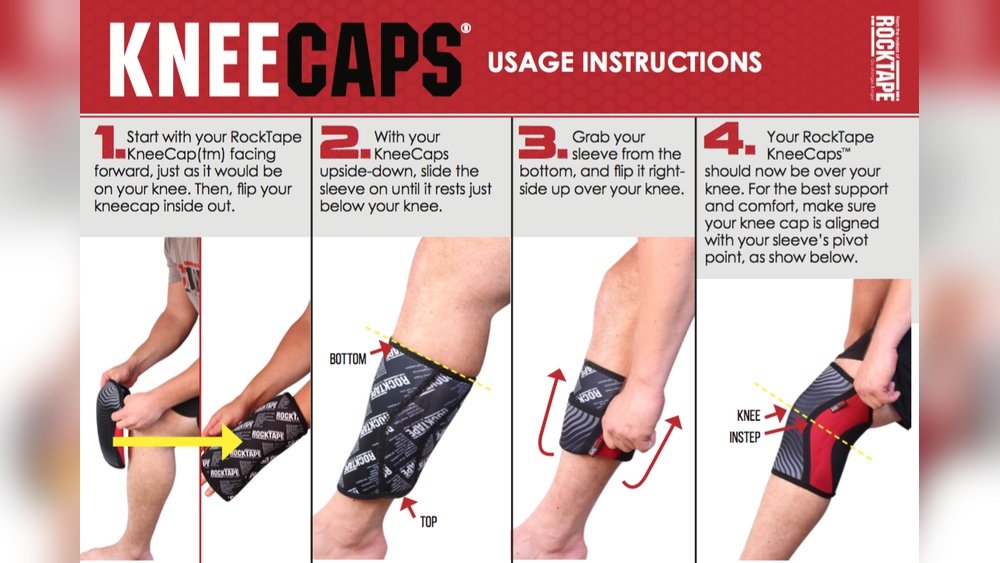
Start by turning the knee sleeve inside out up to the middle. Slide your foot into the sleeve opening. Slowly pull the sleeve over your ankle and calf. Gently stretch the sleeve upward until it covers the knee fully. Adjust the sleeve so the knee cap is centered in the middle. Check that the sleeve fits snugly but not too tight. Smooth out any wrinkles for even compression. Ensure the sleeve stays in place when you bend your knee.
Tips To Maximize Sleeve Lifespan
Put on knee sleeves carefully to avoid overstretching. Avoid pulling too hard at the top edge. Wash sleeves by hand with mild soap and cold water. Let them air dry flat away from direct heat. Store sleeves rolled or flat to keep their shape. Use sleeves only during activities that need knee support. Rotate between two pairs if you train often. Inspect sleeves regularly for signs of wear or damage.
Common Mistakes To Avoid
Do not force the sleeve over the knee quickly. Avoid wearing sleeves that are too tight or loose. Do not pull the sleeve only from the top edge. Avoid wearing sleeves all day without breaks. Do not machine wash or dry unless the label allows. Avoid using lotions or oils on the skin before putting sleeves on. Never ignore discomfort or pain caused by the sleeve fit.
Benefits During Workouts
Knee sleeves offer several benefits during workouts. They help protect your knees and improve how you move. Wearing them can make your exercise sessions safer and more effective. Many athletes and fitness lovers use knee sleeves to support their joints and boost their workout experience.
Enhancing Joint Support
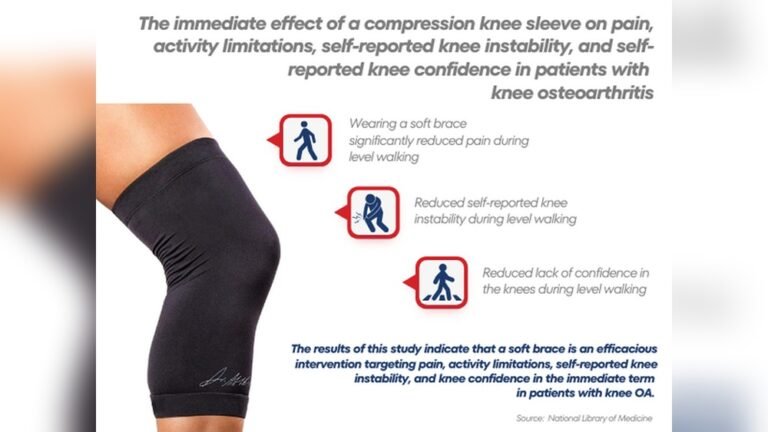
Knee sleeves wrap tightly around your knees. This gives extra support to your joints. They help reduce the risk of injury during heavy lifting or intense exercise. The compression stabilizes the knee, which can lower pain and swelling. Strong joint support helps you train longer and recover faster.
Improving Blood Flow And Warmth
Knee sleeves increase blood circulation around the knee area. Better blood flow helps muscles and tissues stay warm. Warm muscles are less likely to get injured or feel stiff. This warmth also speeds up recovery after your workout. Keeping your knees warm keeps them flexible and ready for action.
Boosting Confidence And Performance
Wearing knee sleeves can boost your confidence. Feeling supported helps you push harder and try new moves. This mental edge often leads to better performance. Many users report lifting heavier weights or running longer with knee sleeves. Confidence and support work together to improve your workout results.
Using Knee Sleeves Safely
Using knee sleeves safely helps protect your knees and improve performance. Proper use reduces risks like injury or discomfort. Follow simple steps to get the most benefit from your knee sleeves.
Avoiding Over-reliance
Do not depend only on knee sleeves for support. Your muscles need to stay strong and flexible. Use sleeves as a temporary aid during heavy lifting or intense activity. Avoid wearing them all day to prevent muscle weakening.
Preventing Skin Irritation
Choose knee sleeves made from soft, breathable materials. Wash sleeves regularly to keep them clean and fresh. Dry your skin before putting sleeves on to reduce moisture. If irritation appears, stop use and let your skin heal.
Ensuring Proper Movement Range
Wear knee sleeves that fit well but do not restrict movement. Check that you can bend and straighten your knee comfortably. Too tight sleeves can limit blood flow and cause discomfort. Proper fit supports joints without blocking natural motion.
When To Avoid Knee Sleeves
Knee sleeves offer support and warmth during workouts. Yet, there are times when wearing them is not advised. Understanding when to avoid knee sleeves helps protect your knees and overall health.
Not For Serious Injuries
Knee sleeves provide mild compression and warmth. They do not replace medical braces or treatment. Avoid using knee sleeves if you have a serious injury. Conditions like torn ligaments or fractures require professional care. Using sleeves alone can worsen the injury or delay healing.
Avoiding All-day Wear
Wearing knee sleeves all day is not recommended. Prolonged use can reduce blood flow and cause skin irritation. Your skin needs to breathe to stay healthy. Use knee sleeves only during exercise or short activities. Remove them after to allow your skin and muscles to rest.
Consulting Healthcare Providers
Always ask a doctor before starting to use knee sleeves. They can guide you based on your knee condition. Some health issues need special support or no support at all. A healthcare provider can recommend the right gear or therapy. This ensures safe and effective knee care.

Credit: www.gymreapers.com
Maintaining Your Knee Sleeves
Maintaining your knee sleeves helps keep them effective and comfortable. Proper care extends their life and performance. Regular checks and cleaning prevent damage and odors.
Cleaning And Care Tips
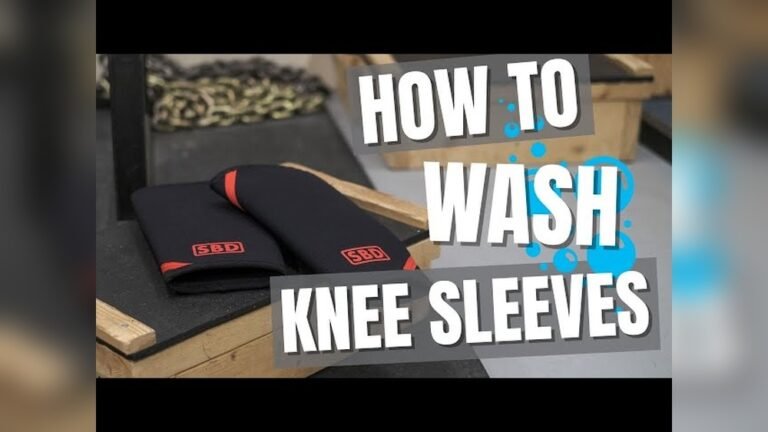
Wash knee sleeves after each use to remove sweat and dirt. Hand wash with mild soap and cold water. Avoid using bleach or fabric softeners. Let them air dry flat away from direct sunlight. Do not put knee sleeves in the dryer. Proper drying keeps the material strong and elastic.
Recognizing Wear And Tear
Check for signs of wear like thinning fabric or stretched areas. Look for loose seams or holes that reduce support. If the sleeve loses its tight fit, it may no longer protect your knee. Notice any bad smells that don’t go away after washing. These signs show your sleeves need attention.
Replacing When Necessary
Replace knee sleeves when they lose shape or stop fitting well. Worn-out sleeves do not provide enough compression or protection. Regular replacement ensures your knees get the support they need. Buying new sleeves prevents injury and improves comfort during workouts.
Knee Sleeves Vs Braces
Choosing between knee sleeves and braces depends on your needs and activity type. Both help protect the knee but serve different purposes. Understanding their differences guides you to the right choice for your situation.
Differences In Support Level
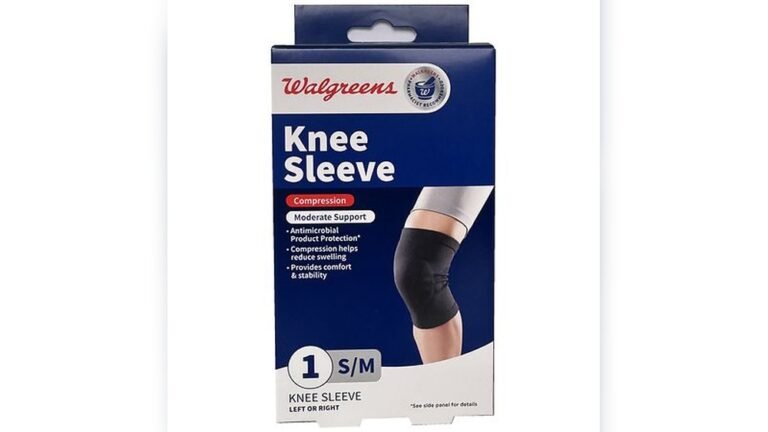
Knee sleeves provide gentle compression and warmth. They improve blood flow and reduce swelling. Sleeves support muscles and joints during light to moderate activities.
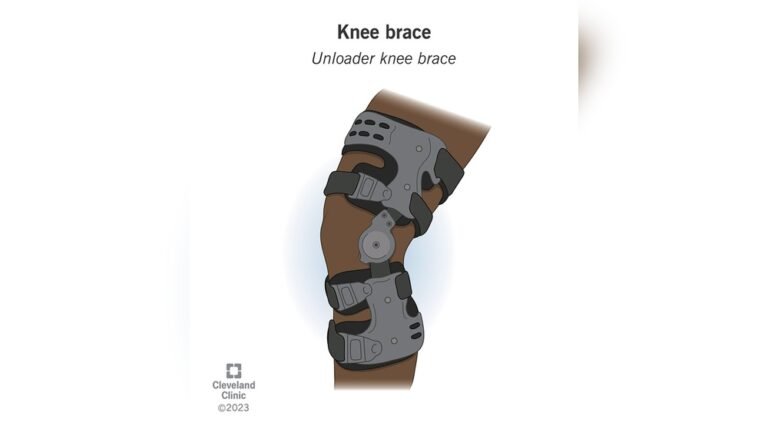
Knee braces offer stronger support. They stabilize the knee and control movement. Braces protect against serious injuries or help recovery from surgery. They limit knee motion more than sleeves.
When To Choose Each Option
Choose knee sleeves for mild pain or mild joint instability. Use them during workouts or sports for extra comfort. Sleeves are good for injury prevention and joint warmth.
Pick knee braces for strong support after injury or surgery. Use them if your knee needs movement control. Braces suit people with ligament damage or chronic knee problems.
Knee Sleeves For Specific Sports
Knee sleeves offer targeted support for different sports. They help protect joints and improve performance. Understanding the specific benefits helps athletes choose the right sleeve for their activity.
Weightlifting And Powerlifting
Knee sleeves provide stability during heavy lifts. They keep the knee joint warm and supported. This reduces pain and risk of injury. Lifters feel more confident under heavy loads. Sleeves also improve blood flow to muscles. This helps with recovery after training.
Running And Endurance Training
Runners use knee sleeves to reduce joint stress. They absorb shock from repetitive foot strikes. This lowers the chance of overuse injuries. Sleeves also offer mild compression. This helps control swelling and inflammation. Many runners find better comfort on long runs.
Crossfit And Functional Fitness
CrossFit athletes need knee sleeves for varied movements. Squats, jumps, and lifts all strain knees differently. Sleeves provide support without limiting mobility. They help maintain proper form during fast workouts. This reduces fatigue and injury risk. Compression also aids in quick muscle recovery.
Credit: www.reddit.com
Frequently Asked Questions
How To Properly Use A Knee Sleeve?
Slide the knee sleeve up from the foot to the knee, ensuring snug but comfortable compression. Avoid overstretching or folding the fabric. Use during activity for support and warmth. Remove after use to maintain elasticity and skin health. Choose the correct size for optimal fit and performance.
What Is The Downside Of Knee Sleeves?
Knee sleeves can cause skin irritation, restrict movement if ill-fitting, and may weaken muscles with overuse. They offer less support than braces and need regular cleaning. Avoid wearing them all day to prevent dependency and circulation issues.
When Should I Use A Knee Sleeve?
Use a knee sleeve during workouts to reduce pain, provide compression, and support joints. Avoid relying on it constantly.
How Many Hours A Day Should I Wear A Knee Sleeve?
Wear a knee sleeve during workouts or activities for 2-4 hours daily. Avoid all-day or overnight use to prevent dependency and circulation issues.
Conclusion
Knee sleeves help support and protect your knees during activity. Wearing them correctly improves comfort and effectiveness. Avoid using sleeves too tight or for long periods. Choose the right size for your needs. Remember, knee sleeves are not a substitute for medical care.
Use them wisely to enhance your workouts safely. Keep your knees healthy and strong by combining sleeves with good exercise habits.
I am a certified fitness coach with over 10 years of experience helping people improve their strength, endurance, and overall health. Specializes in workout programming, weight training, fat loss, muscle building, home fitness, and evidence-based nutrition.My goal is to make fitness simple and practical through well-researched guides, honest product reviews, and actionable training advice.