
If you’re serious about lifting, you know how crucial lifting straps can be for boosting your grip and pushing your limits. But what if you don’t have a pair on hand, or want a more budget-friendly, customized option?
That’s where DIY hacks for lifting straps come in. Imagine creating your own strong, comfortable straps with materials you likely already have—saving money and tailoring them perfectly to your needs. You’ll discover simple, effective tricks to make your own lifting straps fast and easy.
Ready to level up your workouts without breaking the bank? Keep reading and get hands-on with these game-changing DIY ideas.

Credit: www.youtube.com
Materials For Diy Straps
Choosing the right material is key for making effective DIY lifting straps. The material affects comfort, durability, and grip strength. Different fabrics offer unique benefits and challenges. Understanding these helps you pick the best option for your lifting needs.
Cotton Vs Leather Vs Nylon
Cotton straps feel soft and gentle on the skin. They absorb sweat well, reducing slip during lifts. Cotton is easy to handle and often preferred for comfort.
Leather straps offer great durability and a firm grip. They last long and resist wear and tear. Leather may feel stiff at first but softens with use.
Nylon straps provide strong support and resist stretching. They dry quickly and handle moisture better than cotton. Nylon can sometimes feel rough but is very durable.
Using Climbing Webbing
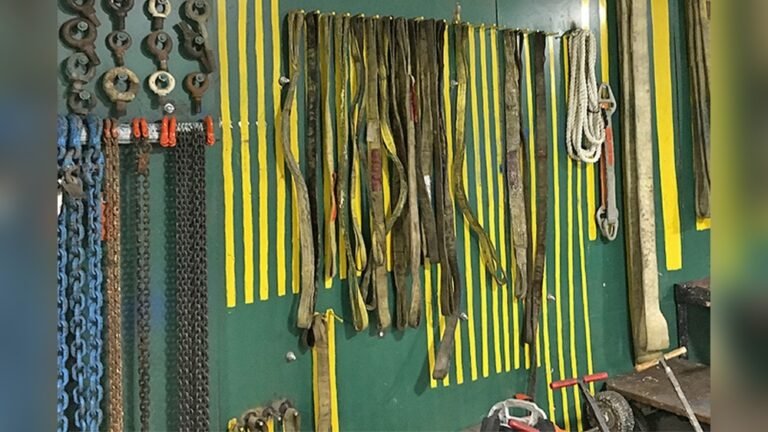
Climbing webbing is a popular choice for DIY straps. It is tough and made to hold heavy weight. You can cut it to size and sew or tape the ends.
This material offers excellent grip and safety. It resists fraying and holds up well under pressure. Climbing webbing is affordable and easy to find online or in stores.
Repurposing Cargo Straps
Old cargo straps can become sturdy lifting straps. They are designed to hold heavy loads securely. Cut to the right length and add finishing touches like sewing or tape.
These straps are usually made from nylon or polyester. They offer strong grip and durability. Repurposing saves money and reduces waste.
Making Straps At Home
Making your own lifting straps at home can save money and offer a custom fit. It allows you to choose the length, width, and material that works best for you. With simple tools and materials, you can create sturdy straps for better grip during workouts.
DIY straps also help you understand how they work. This knowledge can improve your lifting technique and prevent injuries.
Cutting And Sizing Tips
Start with a durable material like cotton webbing or climbing tape. Cut a strip about 1 to 1.5 inches wide. Length depends on your hand size and lifting style, usually between 18 and 24 inches.
Measure your wrist circumference first. Add extra length for wrapping around the bar. Keep the edges neat to avoid fraying during use.
Sewing Vs Taping Ends
Sewing the ends of straps creates a strong, long-lasting finish. Use heavy-duty thread and a sewing machine if possible. Fold the ends twice before stitching to add strength.
Taping is a quicker option but less durable. Wrap tape tightly around each end to stop fraying. Replace tape often to keep straps safe and reliable.
Quick No-sew Options
No-sew methods work well for beginners or quick fixes. Use strong fabric glue or iron-on adhesive to seal edges. Let it dry fully before using the straps.
You can also use athletic tape around raw edges. This keeps straps intact without sewing or glue. These options save time and tools while still being effective.
Improving Grip Strength
Improving grip strength is vital for lifting heavier weights safely. Strong grip helps maintain control and reduces injury risk. Lifting straps can assist in this process when used correctly. DIY hacks for lifting straps not only save money but also enhance grip support during workouts.
Proper Wrapping Techniques
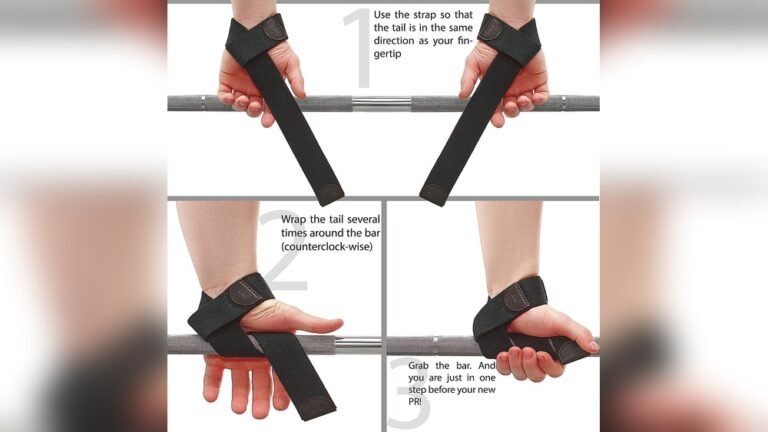
Wrap the strap tightly around your wrist for firm support. Next, loop it around the barbell, ensuring it lies flat. Avoid twisting the strap to prevent discomfort. A secure wrap boosts grip strength and reduces slippage. Practice wrapping before each lift for consistency.
Using Straps With Different Lifts
Adjust strap use depending on the lift type. For deadlifts, wrap straps tightly for maximum hold. In rows, keep them snug but flexible for wrist movement. Overhead lifts may need lighter wrapping to allow rotation. Tailor strap tension to match your lifting style and goals.
Combining Straps With Chalk
Chalk improves hand dryness and grip friction. Use chalk on your palms before wrapping straps. The combination stops sweat from weakening your hold. Chalk also reduces strap slipping on the bar. This simple mix enhances grip and overall lift performance.
Comfort And Safety Tips
Comfort and safety are key when using lifting straps. These tips help protect your wrists and skin during workouts. Proper care also keeps your straps strong and long-lasting. Follow simple DIY hacks to make your lifting experience better and safer.
Padding For Wrists
Add soft padding to reduce wrist pressure. Use foam, felt, or old cloth wrapped around straps. This cushions your wrists and prevents pain. Secure padding with tape or stitches to keep it in place. Comfortable wrists help you lift heavier without strain.
Avoiding Skin Irritation
Choose soft, breathable materials like cotton for your straps. Wash straps regularly to remove sweat and dirt. Dry them completely before use to prevent bacteria growth. Apply a thin layer of tape or athletic bandage under straps. This protects skin and reduces redness or blisters.
Maintaining Strap Durability
Inspect straps often for tears or frays. Clean straps gently with mild soap and water. Avoid harsh chemicals that weaken fabric. Store straps in a dry, cool place away from sunlight. Proper care keeps straps strong and ready for every lift.
Budget-friendly Hacks
Budget-friendly hacks for lifting straps help save money and still boost grip strength. These simple ideas use common items and require little skill. They let you lift heavier without buying costly gear.
Try these DIY methods to create reliable straps at home. Each hack focuses on easy materials and fast setup. Perfect for anyone on a tight budget.
Using Athletic Tape As Straps
Athletic tape can replace lifting straps in a pinch. Wrap the tape tightly around your wrists and the bar. This adds grip and support without slipping.
Use several layers for strength. Athletic tape is sticky and molds to your skin. It also costs very little and is easy to find in stores.
Diy Hook Straps
Create hook straps using strong fabric and metal hooks. Cut a strip of durable cloth or nylon. Sew one end into a loop for your wrist.
Attach a small metal hook on the other end. This hook grabs the bar securely. These straps help lift heavy weights with less effort.
Upcycling Old Gear
Old belts, bags, or backpacks can become lifting straps. Cut sturdy straps from worn items. Make sure the material is thick and strong.
Sew or knot the ends to fit your wrists. This method recycles gear you already have. It saves money and reduces waste.

Credit: digital-photography-school.com
Troubleshooting Common Issues
Using DIY lifting straps can improve your grip and boost your workout performance. Still, some common issues can disrupt your lifting experience. Troubleshooting these problems helps you maintain safety and effectiveness during lifts. Understanding these issues also extends the life of your straps.
Straps Slipping During Lifts
Straps slipping reduce your grip and can cause accidents. This happens when the strap material is too smooth or worn out. Make sure to wrap the strap tightly around the bar. Use straps made of cotton or rougher material for better grip. Also, keep your hands dry to avoid slipping.
Strap Wear And Tear
DIY lifting straps often face wear and tear. Frayed edges and weak spots can develop over time. Regularly inspect your straps for damage. Replace or repair any worn parts to avoid breaks during lifting. Reinforce weak areas by sewing or using strong tape.
Adjusting Strap Length
The correct strap length ensures comfort and safety. Too long straps can be hard to control, too short ones may not wrap well. Adjust the strap length to fit your wrist size. Cut excess length carefully and seal the edges to prevent fraying. Test the strap by wrapping it around your wrist and bar before lifting.
Credit: www.homedepot.com
Frequently Asked Questions
What To Use If You Don’t Have Lifting Straps?
Use climbing webbing, heavy-duty cotton cargo straps, or athletic tape as DIY lifting strap alternatives. Wrap securely around wrists and bar.
How To Make Makeshift Lifting Straps?
Cut climbing webbing or heavy-duty cotton straps to size. Wrap ends securely with athletic tape or sew. Use around wrists and bar for grip.
How To Easily Use Lifting Straps?
Wrap the strap around your wrist, then loop it tightly around the bar towards the middle. Grip firmly and lift.
What Material Is Best For Lifting Straps?
Cotton is the best material for lifting straps. It offers comfort, absorbs moisture, and reduces slippage during workouts.
Conclusion
DIY lifting straps save money and fit your personal style. Simple materials work well and are easy to find. You can adjust the length and tightness for comfort. These hacks help improve grip and protect your wrists. Try making your own straps to enhance your workouts.
Small effort leads to better lifting results. Keep experimenting and find what suits you best. Enjoy lifting with confidence and safety every time.
I am a certified fitness coach with over 10 years of experience helping people improve their strength, endurance, and overall health. Specializes in workout programming, weight training, fat loss, muscle building, home fitness, and evidence-based nutrition.My goal is to make fitness simple and practical through well-researched guides, honest product reviews, and actionable training advice.