When it comes to using dumbbells, safety isn’t just important during your workout—it starts with how you store them. If your dumbbell rack isn’t set up or used properly, it can lead to accidents, injuries, or even damage to your equipment.
You want a workout space that’s safe and organized, so you can focus on pushing your limits without worry. You’ll discover simple but effective safety tips for your dumbbell rack that protect both you and your gear. Keep reading to learn how to prevent accidents, extend the life of your dumbbells, and make your fitness routine smoother and safer every day.
Choosing The Right Dumbbell Rack
Choosing the right dumbbell rack is essential for a safe and organized workout space. The right rack keeps your weights secure and reduces the risk of accidents. It also saves space and helps maintain your equipment’s condition. Focus on three key factors to find the best rack for your needs.
Material And Build Quality
Strong materials ensure the rack holds up over time. Steel is a popular choice for its durability and stability. Avoid racks made from weak plastic or thin metal. The welding and joints should be firm to prevent wobbling. A sturdy rack reduces the risk of tipping or collapsing during use.
Weight Capacity And Size
Check the rack’s weight capacity before buying. It must support the total weight of all your dumbbells safely. A rack that is too small can cause clutter and make it hard to place or remove weights. Choose a size that fits your dumbbell collection with some extra room. This helps keep your workout area tidy and safe.
Design Features For Safety
Look for racks with non-slip feet to prevent sliding on smooth floors. Rounded edges reduce the chance of cuts or bruises. Racks with angled shelves keep dumbbells from rolling off. Space between shelves should be enough to easily grab weights without strain. These features make handling dumbbells safer and more comfortable.
Proper Rack Placement
Proper rack placement plays a key role in gym safety. Placing your dumbbell rack correctly reduces accidents and keeps your workout area organized. It also protects your equipment and ensures easy access during exercise. Follow these tips to place your dumbbell rack in a safe and practical spot.
Stable And Level Surface
Choose a flat and firm surface for your dumbbell rack. Uneven floors cause racks to wobble or tip over. A stable base supports the weight of dumbbells safely. Use rubber mats if the floor is slippery. Stability prevents dumbbells from falling and causing injuries.
Avoiding High-traffic Areas
Keep the dumbbell rack away from busy walkways and doorways. High-traffic spots increase the risk of bumping into the rack or weights. This can lead to tripping or dropping dumbbells. Place the rack in a quiet corner or against a wall to reduce hazards.
Ensuring Adequate Space Around Rack
Leave enough room around the dumbbell rack for easy movement. Crowded spaces make it hard to pick or return weights safely. Space also helps prevent accidental collisions with other gym users. Aim for at least two feet of clearance on all sides of the rack.
Safe Dumbbell Handling
Handling dumbbells safely reduces the risk of injury and keeps your workout effective. Proper techniques protect your muscles and joints while lifting and placing dumbbells back on the rack. Follow these simple tips to ensure safe dumbbell handling every time you train.
Using Correct Lifting Techniques
Bend your knees and keep your back straight when lifting dumbbells. Avoid bending from the waist to protect your lower back. Lift with your legs and core muscles for better control. Move slowly and steadily to prevent jerking motions. Focus on smooth, controlled movements for safety and strength.
Maintaining A Secure Grip
Always hold dumbbells firmly to avoid slipping. Dry your hands before lifting to improve grip. Use chalk or gloves if your hands sweat a lot. Check that adjustable dumbbells are tightly locked before use. A secure grip helps prevent accidents and improves your workout quality.
Avoiding Overloading And Improper Use
Choose weights that match your strength level to avoid strain. Do not lift dumbbells that feel too heavy or unsafe. Follow the recommended exercises and avoid swinging or dropping weights. Place dumbbells carefully back on the rack to prevent damage. Proper use extends equipment life and keeps you safe.

Credit: selectfitness.com
Correct Dumbbell Racking
Correct dumbbell racking is essential for safety and gym order. Proper placement protects you and others from injuries. It also keeps your workout area tidy. Simple steps can make a big difference in dumbbell handling.
Follow these tips to rack dumbbells correctly every time. This prevents accidents and prolongs the life of your equipment.
Positioning Handles Outward
Always place dumbbells with handles facing outward. This makes them easy to grab and return. It reduces the risk of knocking weights off the rack. Handles outward also prevent damage to the dumbbell heads.
Even Weight Distribution
Distribute dumbbells evenly across the rack shelves. Place heavier weights at the bottom and lighter ones on top. Balanced racks are less likely to tip or collapse. This helps you find weights quickly and safely.
Avoiding Dumbbell Rolling
Place dumbbells so their heads sit flat in the rack slots. Avoid angles that allow rolling or slipping. Rolling dumbbells can cause falls and injuries. Secure placement keeps the rack stable and safe for all users.
Maintenance And Inspection
Proper maintenance and inspection of your dumbbell rack keep it safe and durable. Regular care helps prevent accidents and extends the rack’s life. Simple checks and cleaning routines protect your equipment and users.
Regular Rack Stability Checks
Check the rack’s stability often. Look for loose bolts or screws. Tighten any that feel weak. Make sure the rack stands firm without wobbling. A stable rack prevents dumbbells from falling and causing injuries.
Cleaning Dumbbells And Rack
Clean dumbbells and the rack regularly. Use a damp cloth to wipe off dust and sweat. Avoid harsh chemicals that damage the finish. Clean equipment reduces germs and keeps the workout space safe.
Preventing Rust And Damage
Keep your rack and dumbbells dry to avoid rust. Wipe off moisture after workouts. Use rust-resistant sprays on metal parts if needed. Protect your equipment from damage to ensure safe lifting every time.
Common Safety Mistakes To Avoid
Using a dumbbell rack properly is key to a safe workout area. Avoiding common mistakes helps prevent injuries and keeps your gym organized. Pay attention to how you store and handle dumbbells.
Leaving Dumbbells On The Floor
Leaving dumbbells on the floor creates tripping hazards. Someone may step on them and fall. Always put dumbbells back on the rack after use. This habit keeps the workout area clean and safe for everyone.
Overloading The Rack
Putting too many dumbbells on a rack can cause it to collapse. Each rack has a weight limit. Follow the manufacturer’s guidelines to avoid damage. Overloaded racks may lead to falling weights and injuries.
Ignoring Equipment Wear And Tear
Check your dumbbell rack regularly for signs of damage. Rust, cracks, or loose parts can weaken the rack. Fix or replace damaged racks immediately. Ignoring wear and tear risks accidents during workouts.
Additional Safety Accessories
Using extra safety accessories enhances your dumbbell rack experience. These tools protect you and keep your workout area organized. They help prevent accidents and injuries, making lifting safer and more comfortable. Consider adding these simple accessories to your routine.
Using Weight Clips And Locks
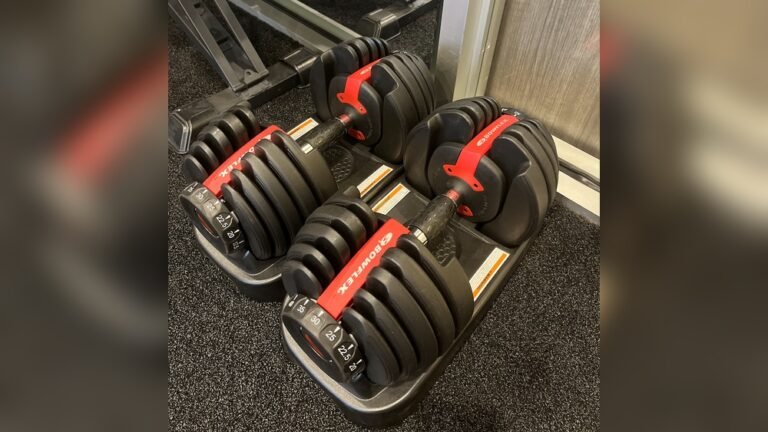
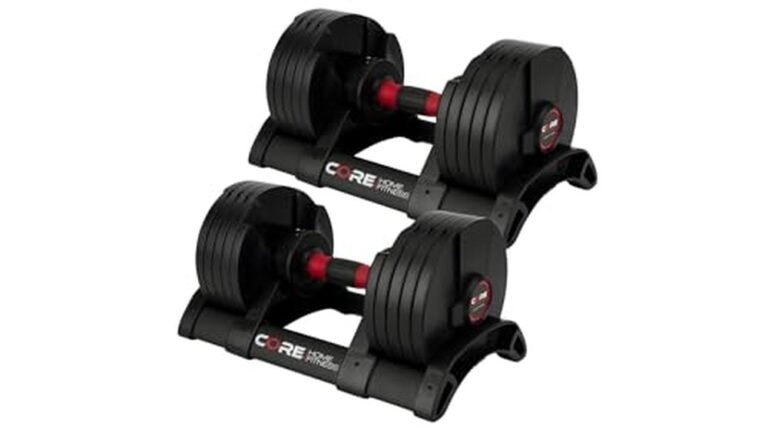
Weight clips and locks keep plates secure on adjustable dumbbells. They stop plates from sliding or falling during exercise. This prevents sudden drops that could cause injury or damage. Always check clips before lifting. Secure clips add peace of mind and protect your hands and feet.
Wearing Gloves For Grip
Gloves improve grip and reduce slipping. They absorb sweat and prevent dumbbells from sliding out of your hands. Gloves also protect your skin from blisters and calluses. Choose gloves with good padding and non-slip surfaces. Wearing gloves helps you lift more confidently and safely.
Spotter Use For Heavy Lifts
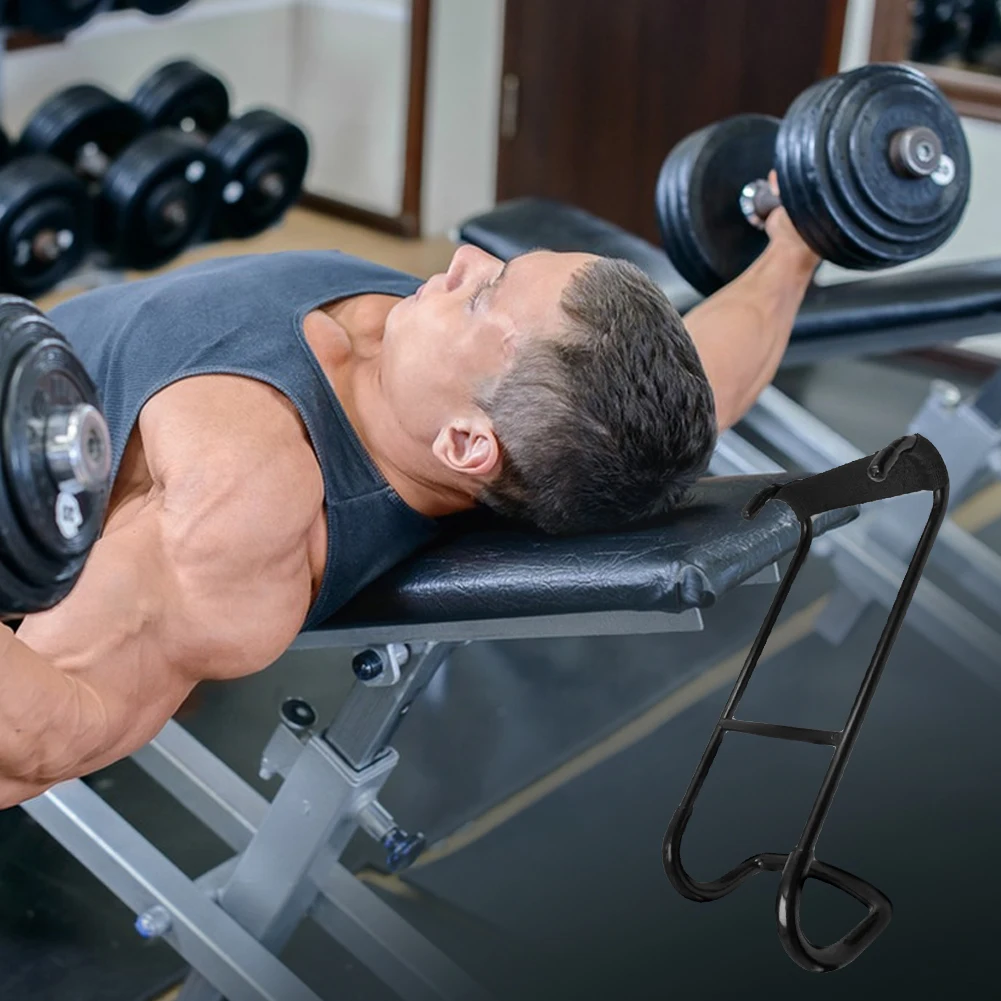
A spotter offers safety during heavy dumbbell lifts. They assist if you struggle to complete a lift. Spotters help control the dumbbells and prevent accidents. Always communicate clearly with your spotter before starting. Spotters increase safety and help you push limits safely.
Credit: yourpghlawyer.com

Credit: ca.ironbullstrength.com
Frequently Asked Questions
What Are The Safety Considerations For Dumbbells?
Grip dumbbells securely and keep hands dry to prevent slipping. Lift within your strength limits and maintain proper form. Bend knees when lifting or setting down weights. Rack dumbbells properly to avoid rolling and injuries. Use a spotter for heavy lifts and avoid overloading racks.
How To Use A Dumbbell Safely?
Grip dumbbells firmly with dry hands and bend knees when lifting. Use controlled movements, avoid swinging, and lift weights within your limit. Keep elbows slightly bent and tuck them close when lowering dumbbells. Secure adjustable plates tightly. Always rack dumbbells properly to prevent accidents.
How Do I Avoid Injuries When Using Dumbbells?
Maintain a firm, dry grip and use gloves if needed. Lift with proper form, avoid locking joints. Start with manageable weights. Control movements, avoid swinging. Always rack dumbbells safely after use to prevent accidents.
How To Put Dumbbells Down Safely?
Hold dumbbells firmly with a neutral wrist. Lower them slowly, keeping elbows close to your body. Place dumbbells gently on the rack, handles facing outward and heads resting evenly to prevent rolling and injury.
Conclusion
Using a dumbbell rack safely keeps your workout area tidy and secure. Always place weights carefully to avoid accidents or damage. Keep the rack stable and check it often for wear or loose parts. Handle dumbbells with a firm grip and lift with control.
Following these simple tips helps prevent injuries and extends your equipment’s life. Safety matters most in every workout session. Stay alert and respect your limits for a safer fitness routine.
I am a certified fitness coach with over 10 years of experience helping people improve their strength, endurance, and overall health. Specializes in workout programming, weight training, fat loss, muscle building, home fitness, and evidence-based nutrition.My goal is to make fitness simple and practical through well-researched guides, honest product reviews, and actionable training advice.