Are you tired of cluttered workout spaces and wasted time searching for the right dumbbells? A well-chosen dumbbell rack can transform your home gym, making every workout smoother, safer, and more efficient.
But with so many sizes and styles available, how do you know which one fits your space and your dumbbells perfectly? This size guide for dumbbell racks is designed just for you—to help you find the ideal rack that keeps your weights organized, saves space, and enhances your training experience.
Keep reading to discover the key factors that will make your dumbbell storage simple and smart.
Credit: concord-cookware.com
Choosing Dumbbell Bar Size
Choosing the right dumbbell bar size is key to a safe and effective workout. The bar must fit your hands comfortably and support the weight you plan to use. A proper fit helps prevent injuries and improves your grip during exercises. Understanding the main factors of dumbbell bar size helps you make the best choice for your home gym or fitness center.
Common Bar Diameters
Dumbbell bars usually come in a few standard diameters. The most common sizes are 1 inch and 2 inches. A 1-inch diameter bar fits most standard weight plates. The 2-inch diameter bar is for Olympic plates and heavier weights. Choosing the correct diameter ensures your plates fit securely without wobbling. Smaller bars work well for beginners and light weights. Larger bars handle heavy lifting and provide better stability.
Bar Length And Weight Capacity
The length of the dumbbell bar affects how many plates you can add. Short bars are about 14 inches long and hold light to moderate weight. Longer bars, around 18 inches or more, allow more plates for heavier workouts. Each bar also has a weight capacity limit. Check the bar’s maximum load to avoid damage or accidents. Picking a bar with enough length and capacity keeps your training safe and efficient.

Credit: www.littleblokefitness.com.au
Dumbbell Rack Dimensions
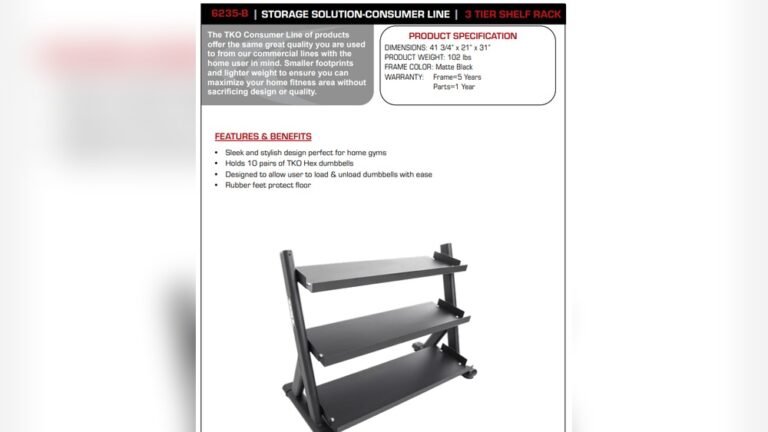
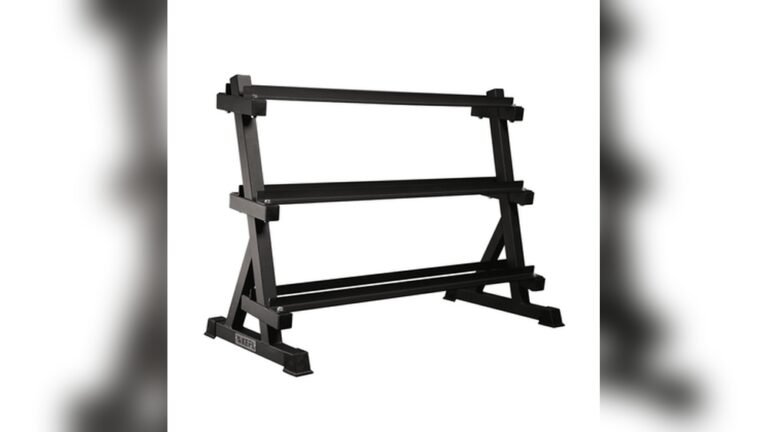
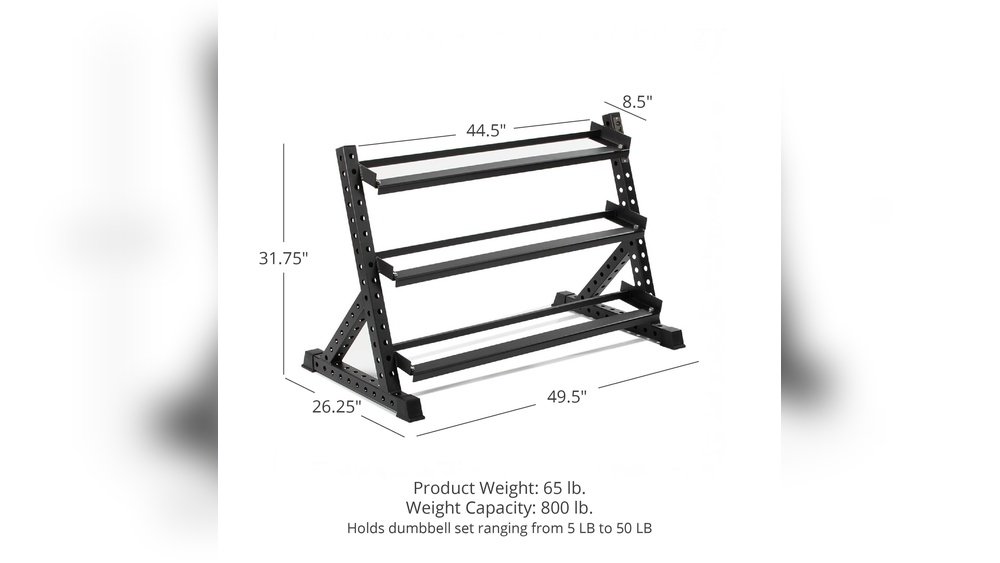
Choosing the right dumbbell rack means understanding its dimensions. Size matters for fitting the rack in your space and holding your weights safely. Knowing the width and height needed helps you plan your gym area well.
Different rack types need different amounts of space. Some racks are compact, while others are larger and hold more dumbbells. Measuring your available area before buying prevents surprises and ensures a good fit.
Width And Height Requirements
The width of a dumbbell rack depends on how many dumbbells it holds. Smaller racks may be about 3 feet wide, while larger racks can reach 6 feet or more. Measure your wall or floor space to see what fits.
Height is important for accessibility and storage. Most racks stand between 2 and 4 feet tall. Taller racks can store more dumbbells but need higher ceilings or more wall space. Choose a height that allows easy reach without strain.
Space For Different Rack Types
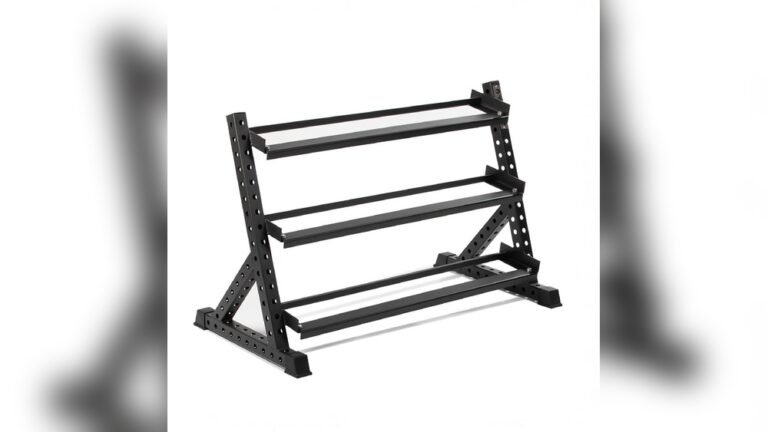
Horizontal racks usually take more floor space but are low in height. They keep dumbbells at waist or knee level for easy access. Allow extra room in front for walking and lifting.
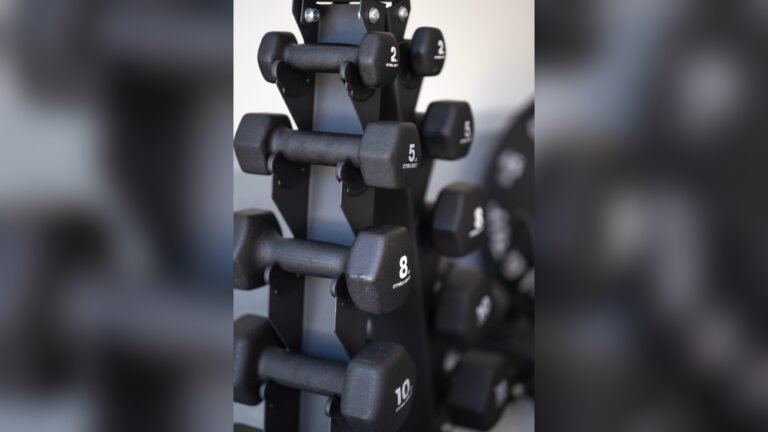
Vertical racks save floor space by stacking dumbbells upward. These racks need more height clearance but less width. Ideal for small rooms or tight corners.
Wall-mounted racks free up floor space completely but require strong walls and proper installation. Check the rack’s dimensions and your wall size to ensure a secure fit.
Benefits Of Dumbbell Racks
Dumbbell racks offer many benefits for any workout space. They help keep dumbbells safe and organized. Using a rack also improves workout flow and saves space. Plus, they add a neat, professional look to your gym area.
Safety And Organization
Dumbbell racks prevent weights from cluttering the floor. This reduces the risk of tripping or dropping heavy dumbbells. Organized racks make it easy to find the right weight fast. They protect floors from scratches and damage caused by loose dumbbells.
Workout Efficiency
Having dumbbells in one place speeds up your workouts. You spend less time searching for weights. This keeps your exercise routine smooth and focused. Quick access to weights helps you switch exercises without delay.
Space Saving Designs
Dumbbell racks come in vertical and horizontal styles. Vertical racks take up less floor space, ideal for small rooms. Horizontal racks offer more stability and hold more dumbbells. Both designs help keep your workout area neat and open.
Aesthetic Appeal
A well-organized dumbbell rack makes your gym look clean and tidy. It adds a professional touch to your workout space. The neat display of weights can motivate you to exercise more. A clutter-free gym feels inviting and comfortable.
Material And Build Quality
The material and build quality of a dumbbell rack determine its strength and durability. A well-made rack keeps your weights secure and your gym organized. Choosing the right material ensures the rack lasts through heavy use. Build quality affects safety and how much weight the rack can hold. This section compares common materials and discusses important weight capacity factors.
Steel Vs Other Materials
Steel is the most popular choice for dumbbell racks. It offers high strength and long-lasting durability. Steel racks resist bending and can support heavy loads without damage. Other materials like plastic or wood look nice but lack strength. Wood can warp or crack over time. Plastic may break or deform with heavy dumbbells. Steel racks also handle moisture better, preventing rust with proper coating. This makes steel racks ideal for home or commercial gyms. Choosing steel means fewer repairs and better safety.
Weight Capacity Considerations
Weight capacity is a key factor in selecting a dumbbell rack. A strong rack holds all your dumbbells without risk of collapse. Check the maximum weight the rack can safely support. Overloading a rack weakens its structure and increases accidents. Quality racks have clear weight limits listed by the manufacturer. Consider the total weight of your dumbbells plus some extra margin. This ensures the rack remains stable and reliable for years. Proper weight capacity helps keep your gym safe and your equipment protected.
Rack Styles And Space
Choosing the right dumbbell rack style affects your workout space and storage efficiency. Different rack designs suit various room sizes and user needs. Understanding rack styles helps maximize space and keep weights organized.
Vertical Racks
Vertical racks stand upright, holding dumbbells stacked on top of each other. They save floor space and fit well in small rooms. These racks are easy to access and keep weights visible. Vertical racks suit users with limited space but many dumbbells.
Horizontal Racks
Horizontal racks place dumbbells side by side on shelves. They require more floor space but offer better stability. These racks hold more weights at once and make it simple to grab the right dumbbell. Horizontal racks work well in larger home gyms or workout rooms.
Wall-mounted Options
Wall-mounted racks keep dumbbells off the floor by attaching to the wall. This design frees up floor space and creates a clean look. Wall racks are ideal for very small spaces or garages. They require strong walls and proper installation for safety and support.
Choosing The Right Rack For Your Gym
Choosing the right dumbbell rack for your gym is crucial for a neat and safe workout area. The right rack keeps your dumbbells organized and easy to access. It also protects your floor and gear from damage. Consider your workout needs and space carefully before selecting a rack. Focus on these key factors to find the best fit for your gym setup.
Number Of Dumbbell Pairs
Count how many dumbbell pairs you have or plan to buy. This helps you pick a rack with enough slots. A rack too small will cause clutter. A rack too large wastes space and money. Choose a rack that fits your current and future dumbbells.
Available Space
Measure the area where you want to place the rack. Check the height, width, and depth to ensure a good fit. Vertical racks save floor space but need more height. Horizontal racks are wider but more stable. Match the rack size with your available gym space for safety and convenience.
Budget And Investment Value
Decide how much you want to spend on a dumbbell rack. Higher quality racks last longer and hold more weight. Cheaper racks may save money but wear out faster. Think about your long-term use and how much weight you will store. Invest wisely to get the best value for your budget.
Installation And Maintenance Tips
Installing and maintaining your dumbbell rack properly ensures safety and longevity. A well-placed rack keeps your workout space organized and accessible. Regular upkeep prevents damage and keeps the rack looking new. Follow these simple tips to get the best use from your dumbbell rack.
Proper Placement
Choose a flat, stable surface for your dumbbell rack. Avoid placing it near doors or walkways to prevent accidents. Ensure enough space around the rack for easy access to weights. Position the rack away from moisture to avoid rust. Consider placing the rack against a wall for extra support.
Routine Checks And Cleaning
Inspect the rack regularly for loose bolts or parts. Tighten screws to keep the rack stable and safe. Clean the rack weekly to remove dust and sweat. Use a damp cloth with mild soap for cleaning. Dry the rack thoroughly after cleaning to prevent rust. Check for any signs of wear or damage and address them quickly.
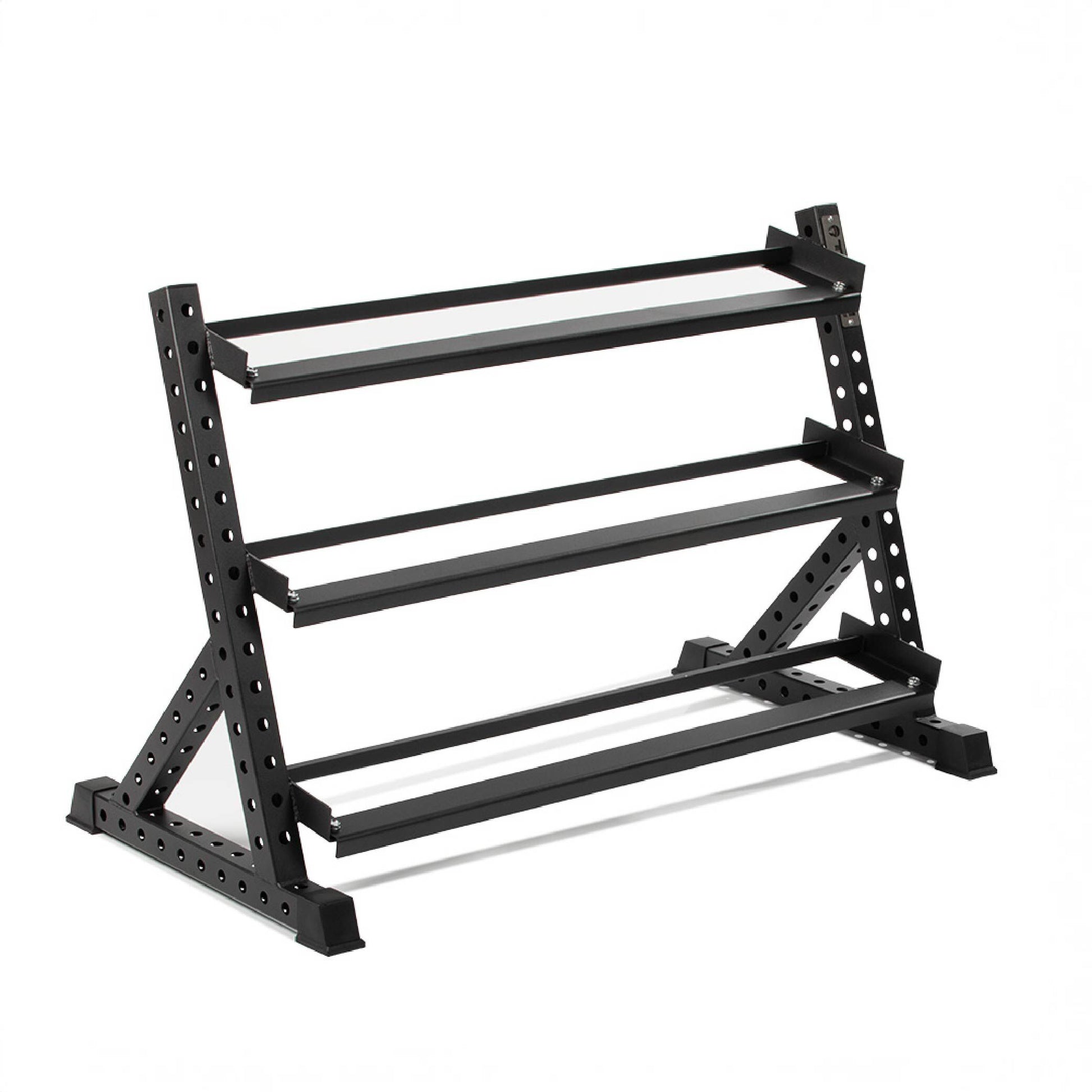
Credit: titan.fitness
Frequently Asked Questions
What Size Dumbbell Bar Should I Use?
Choose a dumbbell bar based on your workout needs and hand size. Standard bars are 12-14 inches long; Olympic bars are 16-18 inches. Ensure the bar fits your grip comfortably and supports the weight you plan to lift.
How Wide Should A Weight Rack Be?
A weight rack should be at least 48 to 60 inches wide to fit multiple dumbbells comfortably. Ensure enough space for easy access and stability.
What Size Is A Rep Dumbbell Rack?
A REP dumbbell rack typically measures around 48 inches wide, 20 inches deep, and 24 inches high. Sizes may vary by model.
Are Dumbbell Racks Worth It?
Dumbbell racks improve safety by preventing clutter and injuries. They organize weights for quick access and save space. Durable racks protect floors and enhance workout efficiency, making them a worthwhile investment for home gyms with multiple dumbbells.
Conclusion
Choosing the right dumbbell rack size helps keep your gym organized. It saves space and makes workouts easier. A well-sized rack protects your weights and floors from damage. Consider your dumbbell collection before selecting a rack. This ensures you get the best fit for your needs.
A good rack also improves safety by preventing clutter. Keep these tips in mind for a neat, efficient gym space. Your workout routine will benefit from a tidy, accessible dumbbell setup.
I am a certified fitness coach with over 10 years of experience helping people improve their strength, endurance, and overall health. Specializes in workout programming, weight training, fat loss, muscle building, home fitness, and evidence-based nutrition.My goal is to make fitness simple and practical through well-researched guides, honest product reviews, and actionable training advice.