Ready to boost your fitness and burn calories without leaving your home? Learning how to use a spin bike properly is your first step to an effective, safe, and enjoyable workout.
Whether you’re a beginner or getting back into cycling, mastering the right setup and riding techniques will help you maximize results while avoiding common mistakes. In this guide, you’ll discover simple, clear steps to adjust your bike, maintain good posture, and control resistance like a pro.
Stick with me, and you’ll be spinning confidently and crushing your fitness goals in no time!
Setting Up Your Spin Bike
Setting up your spin bike correctly is the first step to a safe and effective workout. Proper adjustments help prevent injury and improve comfort. Focus on the seat, handlebars, and foot placement to fit your body size. This setup will make each ride more enjoyable and productive.
Adjusting Seat Height
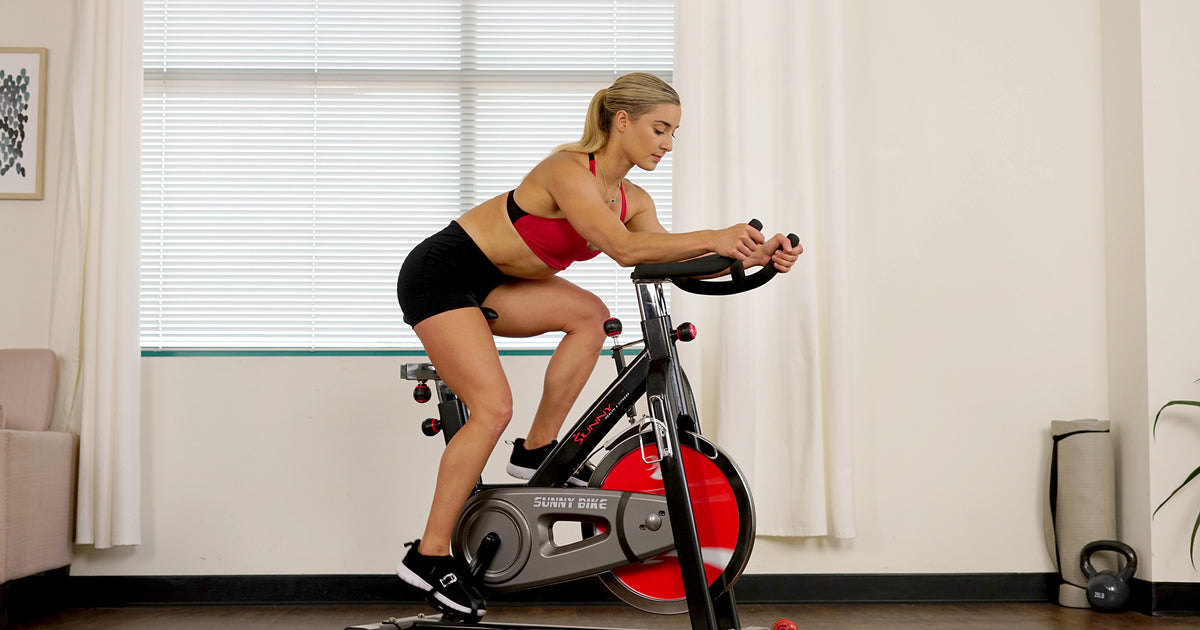
Stand next to your spin bike. Adjust the seat to match your hip bone height. Sit on the seat and pedal slowly. Your knee should bend slightly at the bottom of the pedal stroke. This position avoids knee strain and improves pedal efficiency. Tighten the seat post securely after adjusting.
Positioning Handlebars
Set handlebars level with the seat or a bit higher. This position helps keep your back straight and reduces neck tension. Adjust the distance between seat and handlebars. Your elbows should have a slight bend when holding the handlebars. Check comfort before starting your ride.
Securing Foot Placement
Wear proper shoes for your spin bike. Place your feet in the pedal cages or clip them in if using clipless pedals. Make sure straps or clips are tight but comfortable. Proper foot placement improves power and prevents slipping. Always double-check before starting your workout.
Credit: sunnyhealthfitness.com
Mastering Riding Positions
Learning the right riding positions on a spin bike helps improve comfort and workout results. Proper form reduces injury risk and boosts endurance. Each position targets different muscles and intensity levels. Switching between positions keeps rides dynamic and effective.
Seated Flat Position
In this position, sit upright with your back flat. Keep your core tight and shoulders relaxed. Hands rest lightly on the handlebars. Pedal smoothly with even pressure. This pose builds base endurance and warms up muscles. It feels natural and is easy to maintain for longer periods.
Standing Climb Position
Stand up while pedaling to mimic hill climbing. Lean slightly forward, keeping your back straight. Grip the handlebars firmly for balance. Push down harder with each pedal stroke. This position strengthens legs and improves power. Use moderate resistance to avoid straining knees or back.
Out-of-saddle Form
This form is similar to standing climb but more dynamic. Shift your weight forward over the handlebars. Keep elbows bent and core engaged. Pedal with force and quick cadence. It builds speed and agility. Use it in short bursts to boost heart rate and burn calories.
Using Resistance Effectively
Using resistance effectively on a spin bike is key to a strong, safe workout. Resistance controls how hard you pedal. It shapes your workout intensity. Learning to adjust resistance helps build strength and endurance. It also prevents injury by protecting your joints.
Increasing And Decreasing Resistance
Turn the resistance knob to change the effort you need. Turn right to increase resistance and make pedaling harder. Turn left to decrease resistance and make pedaling easier. Start with light resistance for warm-up. Gradually increase resistance for tougher intervals. Adjust resistance smoothly to keep your rhythm steady.
Balancing Intensity And Control
Find a balance between pushing hard and staying in control. High resistance builds muscle but can tire you quickly. Low resistance helps with speed and endurance. Keep your pedal stroke smooth and steady. Avoid jerky or rushed movements. Control helps prevent falls and muscle strain.
Protecting Your Knees
Proper resistance protects your knees from injury. Too much resistance strains your joints. Too little resistance does not support your muscles enough. Adjust resistance so your knees feel strong, not painful. Maintain good form with knees aligned over your feet. Stop or reduce resistance if you feel knee pain.
Maintaining Proper Form
Maintaining proper form on a spin bike is crucial for an effective and safe workout. Good posture reduces the risk of injury and helps you get the most from each session. Focus on body alignment, muscle engagement, and smooth movement. Small adjustments make a big difference in comfort and performance.
Engaging Your Core
Keep your core muscles tight throughout your ride. This support stabilizes your spine and pelvis. Avoid slouching or leaning too far forward. A strong core helps transfer power to the pedals more efficiently. Think of your midsection as the center of your balance.
Relaxing Shoulders
Keep your shoulders down and relaxed. Tension in the shoulders can cause discomfort and stiffness. Avoid hunching or raising them towards your ears. Lightly grip the handlebars without squeezing too hard. Relaxed shoulders improve breathing and reduce neck strain.
Avoiding Excessive Bouncing
Keep your upper body steady while pedaling. Excessive bouncing wastes energy and can harm your joints. Focus on smooth pedal strokes and controlled movements. Engage your core and maintain a firm seat connection. This steady form improves endurance and riding efficiency.
Safety Tips For Spin Bike Workouts
Safety is key during spin bike workouts. Following simple safety tips helps prevent accidents and injuries. These tips keep your sessions effective and injury-free. Focus on proper technique and gear to ensure a safe ride every time.
Stopping The Flywheel Safely
Always slow down the flywheel gradually. Avoid sudden stops to prevent strain. Use the resistance knob to ease the wheel to a stop. Keep your feet on the pedals until the wheel stops moving. This prevents slipping and loss of balance.
Wearing Appropriate Footwear
Wear shoes with firm soles and good grip. Cycling shoes with clips are ideal for spin bikes. Avoid running shoes or sandals for better control. Secure your feet properly in the pedal cages or clips. This reduces the risk of slipping during intense pedaling.
Preventing Common Injuries
Warm up before starting your workout to prepare muscles. Keep your back straight and core engaged to avoid strain. Adjust seat and handlebars to fit your body size. Use moderate resistance to protect your knees and joints. Stop if you feel pain or discomfort to prevent injury.
Creating Effective Spin Bike Routines
Creating effective spin bike routines helps improve fitness and keeps workouts fun. Structured routines guide your effort and rest, boosting results. Focus on key parts like warming up, intervals, and endurance training. These sections build strength, stamina, and speed safely.
Warm-up And Cool-down
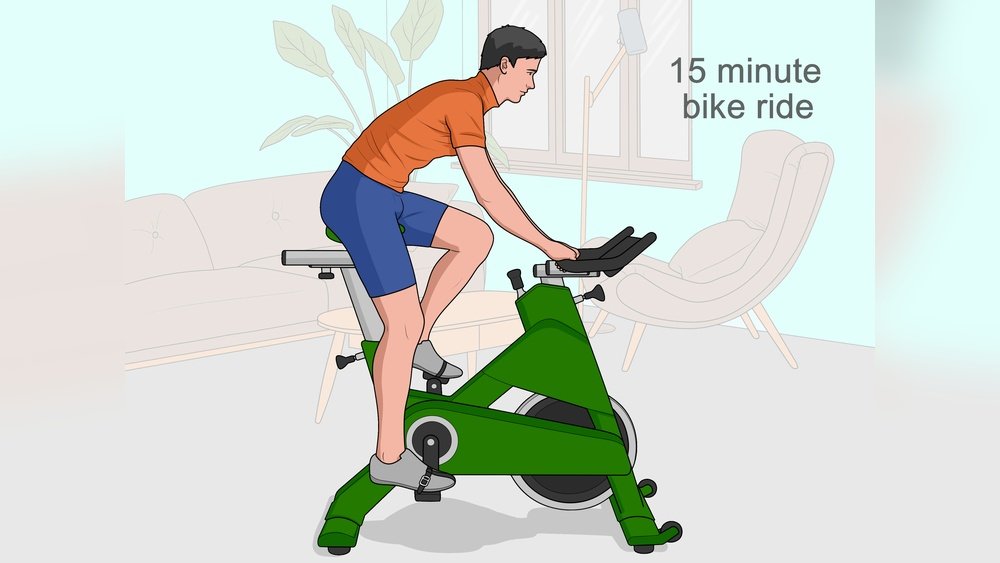
Start every session with a warm-up. Pedal slowly for 5 to 10 minutes. This increases blood flow and prepares muscles for exercise. Raise the resistance gradually but keep it light. End with a cool-down by pedaling at a slow pace. This helps your body recover and reduces soreness.
Interval Training
Alternate between high and low intensity. Pedal hard for 30 seconds to 1 minute. Then pedal slowly for 1 to 2 minutes to recover. Repeat this cycle 5 to 10 times. Interval training improves cardiovascular fitness and burns more calories. Adjust intensity based on your fitness level.
Endurance Building
Focus on steady, moderate effort for longer periods. Ride at a consistent pace for 20 to 60 minutes. Keep resistance moderate to challenge your muscles without overexertion. This trains your body to use oxygen efficiently. Gradually increase time or resistance for better endurance.
Tracking Progress And Staying Motivated
Tracking progress and staying motivated are key parts of using a spin bike effectively. Monitoring your workouts helps you see improvements over time. Motivation keeps you consistent and focused on your fitness journey. Simple tools and strategies make tracking easy and fun. These help you push harder and enjoy your rides more.
Using Metrics And Apps
Spin bikes often show speed, distance, and calories burned. Use these numbers to watch your improvement. Many apps connect to your bike for detailed tracking. Apps record your rides and create progress charts. Seeing your progress can boost your motivation.
Setting Fitness Goals
Clear goals give your workouts purpose. Start with small, achievable targets like riding 10 minutes longer. Gradually increase your goals for better results. Goals can focus on distance, time, or calorie burn. Write your goals down and check them regularly.
Incorporating Music And Virtual Classes
Music makes riding more enjoyable and energizing. Choose playlists with fast beats to keep your pace up. Virtual classes offer guided workouts and community support. Join live or recorded sessions to feel connected. Both music and classes help you stay motivated and consistent.

Credit: www.youtube.com

Credit: www.wikihow.com
Frequently Asked Questions
What Is The Best Exercise Bike For Parkinson’s Disease?
The best exercise bike for Parkinson’s disease offers adjustable resistance, stability, and comfort. Recumbent bikes provide support, reduce joint strain, and improve balance. Choose models with smooth pedaling and easy controls to enhance safety and promote consistent exercise.
Is Cycling Good For Heart Blockage?
Cycling improves heart health by boosting circulation and reducing artery blockage risk. Always consult your doctor before starting.
Is Cycling Good For Hip Arthritis?
Cycling strengthens hip muscles and improves joint mobility, reducing arthritis pain. It offers low-impact exercise, protecting hip joints effectively.
Is A Stationary Bike Ok For Plantar Fasciitis?
A stationary bike is gentle on plantar fasciitis and helps maintain fitness. Use proper seat height and low resistance to avoid strain.
Conclusion
Using a spin bike regularly helps improve your fitness and stamina. Adjust the seat and handlebars for comfort and safety. Keep your core engaged and control resistance to protect your knees. Remember to maintain good posture and relaxed shoulders while riding.
Stop smoothly by turning the resistance knob down. Enjoy the ride and stay consistent for the best results. Spin biking can be a fun, effective workout for all levels. Keep practicing and you will see progress over time.
I am a certified fitness coach with over 10 years of experience helping people improve their strength, endurance, and overall health. Specializes in workout programming, weight training, fat loss, muscle building, home fitness, and evidence-based nutrition.My goal is to make fitness simple and practical through well-researched guides, honest product reviews, and actionable training advice.