If you want to get the most out of your elliptical machine, knowing how to use it correctly is key. Whether you’re new to fitness or looking to improve your workout, this guide will help you master the elliptical with simple steps and clear tips.
You’ll learn how to set up your machine, maintain good posture, and choose the right workout settings that fit your goals. By following this usage guide, you can boost your results, protect your joints, and make every minute on the elliptical count.
Ready to transform your exercise routine? Let’s dive in and unlock the full potential of your elliptical machine.

Credit: device.report
Elliptical Basics
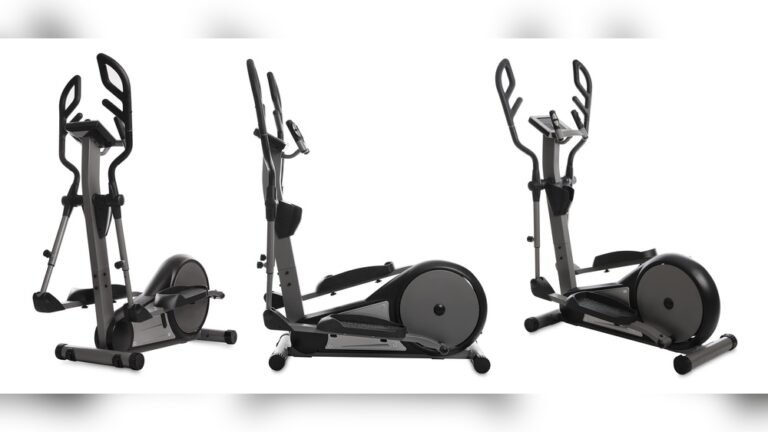
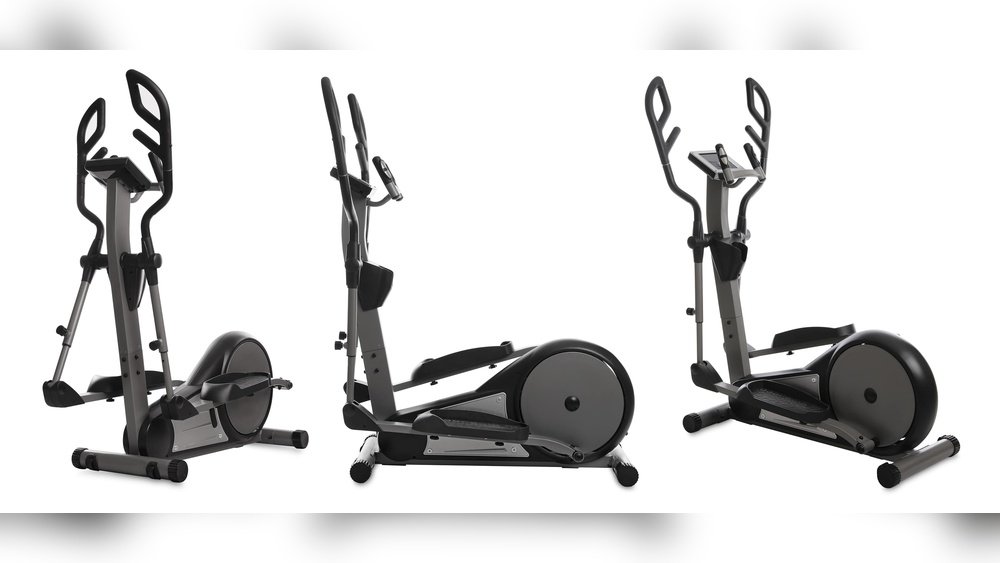
The elliptical machine has several key parts. These include foot pedals, handlebars, and a flywheel. The foot pedals move in an oval shape. Handlebars help with balance and arm exercise. The flywheel controls the smoothness of movement.
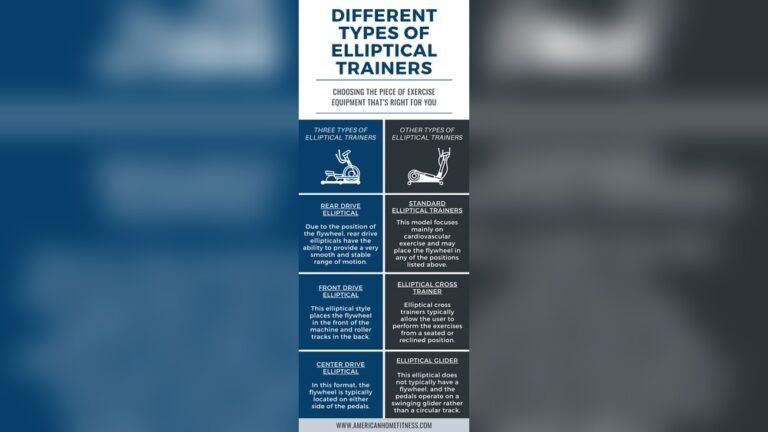
There are three main types of elliptical machines:
- Front-drive: Flywheel is in front, offers a natural stride.
- Rear-drive: Flywheel is at the back, usually quieter.
- Center-drive: Flywheel in the middle, compact design.
Important features to know include resistance levels, which adjust workout difficulty. Stride length affects comfort and range of motion. Some machines have preset programs for different workouts. A display shows time, speed, distance, and calories burned.
Setting Up Properly
Start by setting the resistance and incline to a level that feels comfortable. Low resistance is good for beginners. Increase it slowly as you get stronger. The incline changes how hard the workout is. Higher incline works your legs and buttocks more.
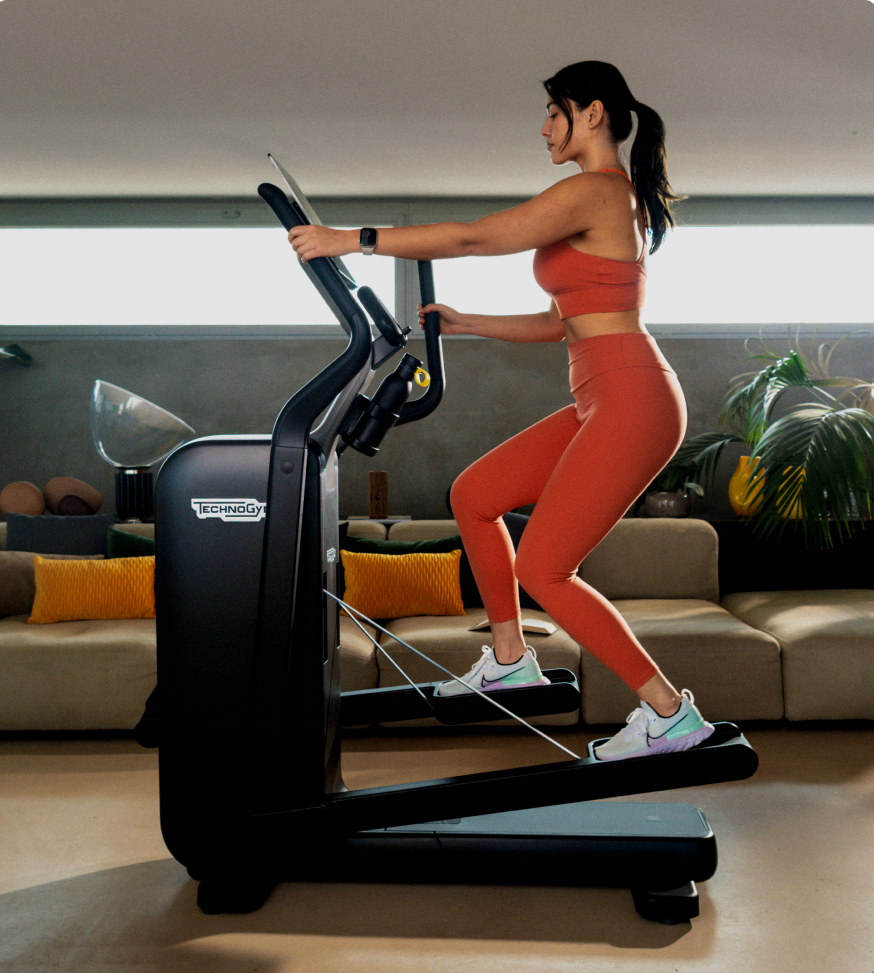
Place your feet flat in the middle of the pedals. Keep them steady to avoid slipping. Hold the handlebars gently. Your hands should be at a natural height. Avoid gripping too tight to prevent tension in your arms.
Stand tall with your back straight. Keep your shoulders relaxed and down. Look forward, not down at your feet. Keep your core tight to protect your lower back. This posture helps you stay comfortable and avoid injury.
Effective Workout Techniques
Engage your core muscles by tightening your stomach during exercise. This helps improve balance and stability. Keep your back straight and avoid leaning on the machine.
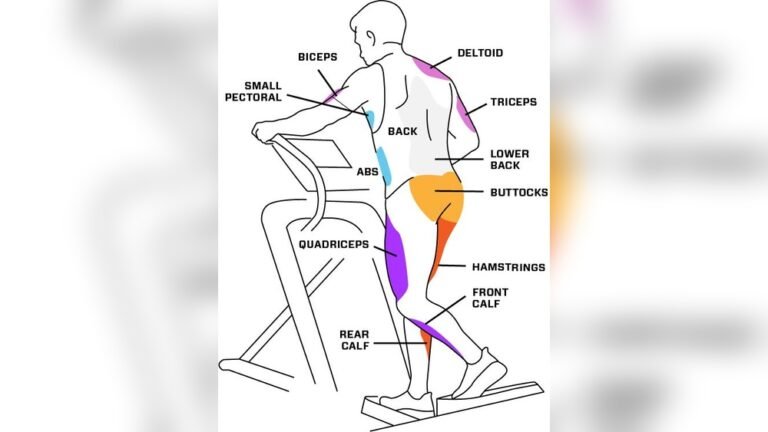
Use the handlebars to work your arms and upper body. Push and pull them gently to add intensity to your workout. This also helps improve coordination.
Adjust speed and resistance carefully. Start slow to warm up, then increase speed for cardio benefits. Raise resistance to build strength but keep your movements smooth.
Workout Duration And Frequency
Sessions of 20 to 30 minutes work well for beginners. This length helps build endurance without causing too much tiredness. As fitness improves, sessions can extend to 45 minutes.
A good weekly plan includes 3 to 5 workouts. This keeps the body active and improves strength steadily. Mixing intensity levels across days helps avoid burnout.
Rest days are important to let muscles heal and grow stronger. Having 1 or 2 days off each week prevents injury and keeps motivation high.
Targeting Fitness Goals
Weight loss with an elliptical needs steady pace and longer sessions. Use a moderate speed and keep your heart rate in the fat-burning zone. Try interval training by switching between fast and slow speeds. This helps burn more calories.
To build endurance, start with short workouts and add time each week. Keep your pace steady and avoid stopping. This trains your heart and lungs to work better over time. Consistency is the key.
Improving strength on the elliptical means increasing resistance. Use higher resistance levels to make your muscles work harder. Push and pull the handles for a full-body workout. This helps tone your arms, legs, and core.
Advanced Tips For Results
Interval training on the elliptical helps boost stamina and burn more calories. Switch between fast and slow speeds every 1-2 minutes. This keeps your heart rate up and improves endurance.
Cross training means adding other activities like cycling or swimming. It helps avoid boredom and reduces injury risk. Your muscles get stronger from different movements.
| Tracking Progress | Tips |
|---|---|
| Set Goals | Write down daily or weekly targets for time or distance. |
| Use Machine Display | Check calories burned, speed, and workout duration regularly. |
| Keep a Journal | Record how you feel after workouts and any improvements. |
Common Mistakes To Avoid
Maintaining correct posture is crucial. Avoid leaning forward or slouching. Keep your back straight and shoulders relaxed. This helps prevent back pain and improves workout efficiency.
Gripping the handlebars too tightly causes unnecessary tension. A light grip supports balance without straining your wrists or arms. Let your hands rest gently.
Ignoring machine settings can reduce workout quality. Adjust stride length, resistance, and incline for your fitness level. Check settings before starting to avoid injury and get the best results.
Credit: www.planetfitness.com
Health Benefits
The elliptical machine offers joint-friendly cardio that reduces stress on hips and ankles. It provides a smooth motion that is easy on the body.
Using the elliptical helps support bone density. It encourages weight-bearing activity which is good for strong bones. This can help prevent osteoporosis and keep bones healthy.
This machine is a knee-friendly exercise option. It avoids sharp impacts that can hurt knees. People with knee pain often find it easier to exercise on an elliptical.
Maintenance And Safety
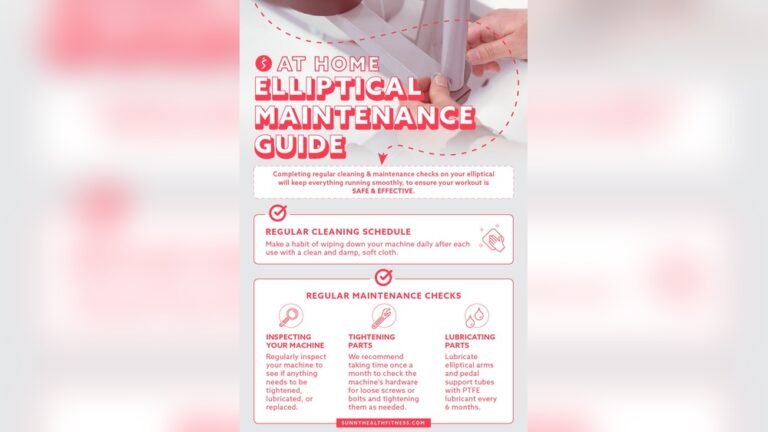
Keep the elliptical clean and dry after each use. Wipe down handlebars, pedals, and display with a soft cloth. Avoid harsh chemicals; use mild soap and water instead. Regularly check for loose screws and bolts to prevent accidents.
Always wear proper shoes with good grip. Start at a slow speed to avoid injury. Maintain a straight posture to protect your back. Use handrails only for balance, not to hold your full weight. Stop immediately if you feel pain or dizziness.
| Problem | Possible Cause | Solution |
|---|---|---|
| Machine won’t start | Power cord unplugged | Plug in the power cord securely |
| Strange noise | Loose parts | Tighten bolts and lubricate moving parts |
| Display not working | Dead batteries or connection issue | Replace batteries or check wires |
Credit: www.technogym.com
Frequently Asked Questions
How To Use Elliptical Correctly For Beginners?
Start with a proper warm-up for 5 minutes. Stand tall, keep shoulders relaxed, and grip handles lightly. Use full foot contact. Maintain a steady pace and engage your core. Adjust resistance gradually. Aim for 15–20 minutes per session to build endurance safely.
Is 20 Minutes Of Elliptical A Day Enough?
Yes, 20 minutes on the elliptical daily boosts cardiovascular health and burns calories effectively. Consistency maximizes benefits.
Does Elliptical Help With Bone Density?
Elliptical workouts provide low-impact exercise, which helps maintain bone density but less effectively than weight-bearing activities.
Is Elliptical Good For Bad Knees?
Elliptical machines provide low-impact exercise that reduces knee stress. They improve mobility and strengthen muscles without harsh joint impact.
Conclusion
Using an elliptical machine can improve your fitness safely and effectively. Start slow and focus on good posture. Adjust the settings to match your comfort and goals. Keep your movements smooth and controlled for best results. Regular workouts help build endurance and strength over time.
Remember to listen to your body and rest when needed. With practice, you will enjoy better health and more energy. Stay consistent, and the elliptical will become a helpful part of your routine.
I am a certified fitness coach with over 10 years of experience helping people improve their strength, endurance, and overall health. Specializes in workout programming, weight training, fat loss, muscle building, home fitness, and evidence-based nutrition.My goal is to make fitness simple and practical through well-researched guides, honest product reviews, and actionable training advice.