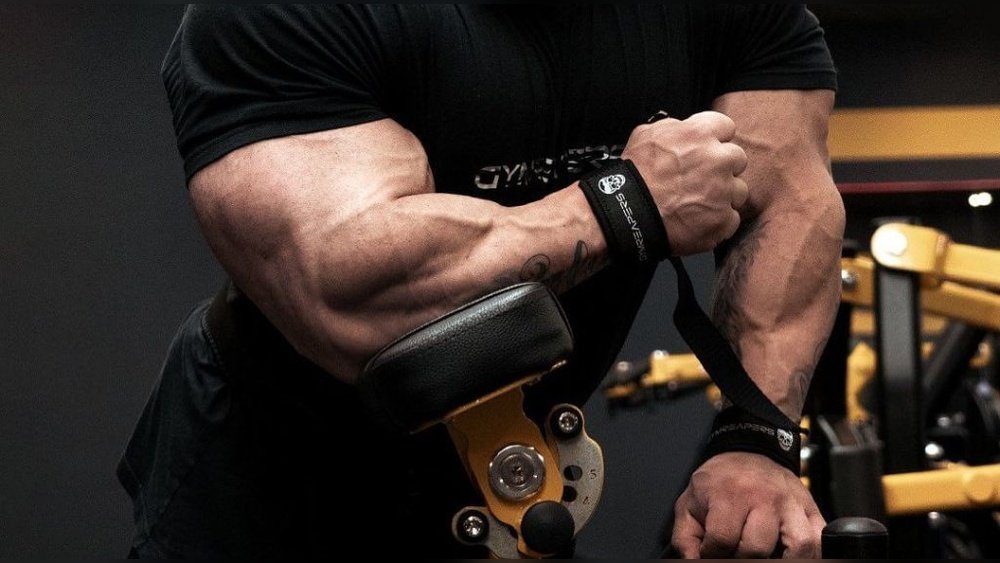
Are you struggling to lift heavier weights because your grip gives out too soon? You’re not alone.
Many lifters hit a wall where their hands just can’t hold on any longer, even though their muscles want to keep going. That’s exactly where lifting straps come in—and they might just change the way you train. Imagine powering through your toughest sets with more confidence, less strain on your hands, and better focus on the muscles that matter most.
You’ll discover the key benefits of lifting straps and how they can help you push past your limits safely and effectively. Ready to unlock your full lifting potential? Keep reading to find out how straps can become your new secret weapon.

Credit: skatessports.com
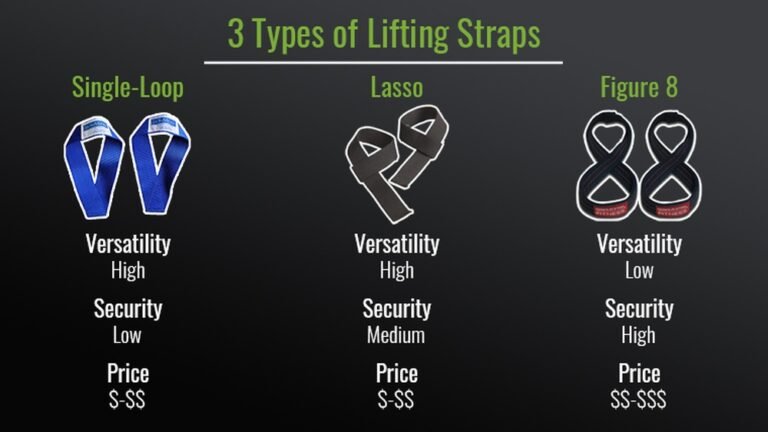
Types Of Lifting Straps
Lifting straps come in different types, each made from unique materials. Choosing the right type improves your grip and comfort. Understanding these types helps you pick straps that suit your workout style. Some straps offer more durability, while others focus on comfort or ease of use.
Here are the main types of lifting straps available on the market today.
Cotton Straps
Cotton straps are soft and gentle on the skin. They provide a comfortable grip during heavy lifts. These straps absorb sweat well, reducing slipping. Cotton straps are lightweight and easy to adjust. They are ideal for beginners and everyday use.
Nylon Straps
Nylon straps are strong and durable. They resist wear and tear from frequent use. Nylon does not stretch much, offering a firm grip. These straps dry quickly and handle sweat better than cotton. They work well for intense lifting sessions.
Leather Straps
Leather straps are very sturdy and long-lasting. They offer excellent wrist support and grip. Leather straps mold to your wrist over time for a custom fit. They tend to be thicker and heavier than other types. These straps are preferred by serious lifters.
Velcro Straps
Velcro straps provide quick and easy adjustment. They secure tightly around the wrist with minimal effort. These straps are convenient for fast transitions between exercises. Velcro may wear out faster than other materials. They suit lifters who value speed and flexibility.

Credit: www.wikihow.com
How Straps Enhance Grip
Lifting straps are popular tools that help improve grip during weightlifting. They wrap around your wrists and the bar, offering extra support. This support makes holding heavy weights easier and safer. Straps help lifters focus more on lifting than on gripping.
Understanding how straps enhance grip can improve your workout and reduce hand strain. Here are two key ways straps boost your grip strength and endurance.
Reducing Grip Fatigue
Straps take some pressure off your fingers and palms. This reduces the tiredness that builds up in your hands during lifting. When your grip feels weak, straps help maintain a firm hold on the bar. This allows your muscles to work longer without grip failure. Less grip fatigue means you can complete more reps or heavier lifts.
By supporting your grip, straps protect your hands from slipping. They also lower the risk of dropping weights. This makes workouts safer and more effective.
Improving Hold On Heavy Loads
Heavy weights can challenge your grip strength. Straps wrap tightly around the bar and your wrist. This connection improves your hold on the load. It stops the bar from rolling or slipping during lifts. You can lift heavier weights with more confidence.
Straps help transfer the force from your hands to your arms and back muscles. This helps you focus on the main muscles you want to work. A better hold means better form and stronger lifts.
Strength Gains With Straps
Lifting straps help increase your strength by improving grip support. They allow you to lift heavier weights safely. This support reduces grip fatigue, letting your muscles work harder. Using straps can boost muscle growth and overall strength faster.
Enabling Heavier Lifts
Straps help hold the bar firmly without slipping. This grip support lets you lift heavier weights than usual. You can push beyond your normal limits during sets. Heavier lifts cause more muscle stress, which promotes growth. Straps allow you to focus on lifting, not holding.
Targeting Specific Muscle Groups
With straps, your grip is less of a limit. This means your back, shoulders, or legs do more work. The straps shift effort away from your hands to target muscles. It helps isolate muscles better during exercises like deadlifts or rows. More muscle focus leads to better strength development in those areas.
When To Use Straps
Lifting straps help improve your grip during workouts. They come in handy in specific situations. Knowing when to use straps can boost your training. Using them at the right time protects your hands and helps focus on muscle work. Straps should support your grip, not replace it. Here are key times to use lifting straps.
Heavy Pulling Exercises
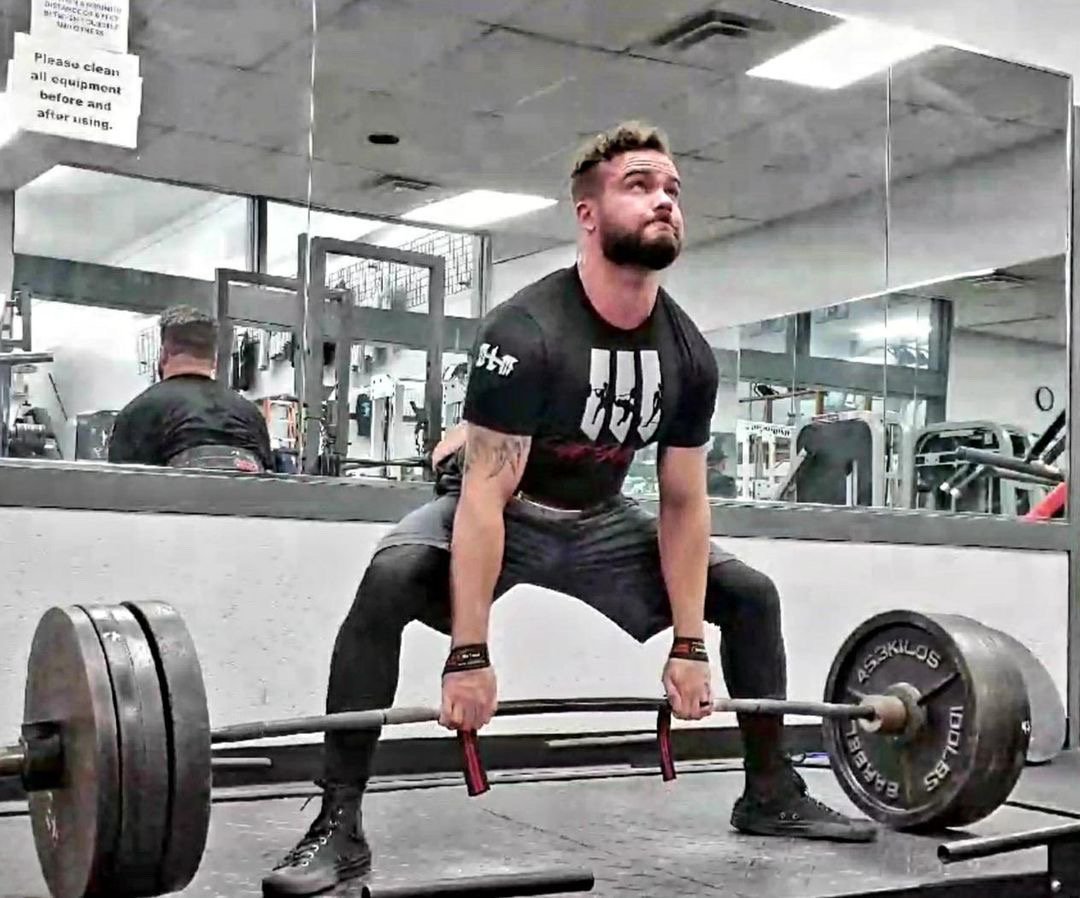
Use straps during heavy lifts like deadlifts and rows. These exercises can challenge your grip strength. Straps keep the bar secure in your hands. This lets you lift heavier without losing grip. They help you focus on the target muscles instead of holding the weight.
High-rep Sets
When doing many repetitions, grip can tire quickly. Straps reduce grip strain over long sets. This keeps your hands from giving out too soon. Straps help maintain good form and complete the full workout. They support endurance without sacrificing safety.
Managing Grip Fatigue
Grip fatigue can stop your progress before muscles tire. Straps assist when your hands feel weak. They let you finish tough sets and build muscle better. Use straps to manage fatigue and avoid early failure. This keeps your training effective and consistent.
Injury Prevention
Straps protect your wrists and hands during heavy lifts. They reduce the risk of slipping or dropping weights. This lowers the chance of injury from accidents. Straps also lessen strain on your grip muscles. Use them to keep safe while pushing your limits.
When To Avoid Straps
Lifting straps help hold heavy weights during pulling exercises. They reduce grip fatigue and let you focus on muscles. Yet, using straps all the time can limit your natural grip growth. Knowing when to avoid straps improves your overall strength and performance.
Grip Strength Development
A strong grip is key for many lifts. Using straps too often weakens your hand muscles. Skip straps during some workouts to train your grip. This helps your hands get stronger and hold weights better over time.
Lighter Sets
During lighter sets, your grip usually handles the weight well. Using straps here can make your hands weaker. Let your grip work naturally with lighter weights. This builds endurance and prepares you for heavier lifting.
Non-pulling Movements
Not all exercises need straps. Squats, overhead presses, and leg work do not strain your grip as much. Avoid straps for these moves to keep your grip training focused on pulling exercises. This keeps your hands strong and ready for tough lifts.
Credit: riptoned.com
Best Exercises For Straps
Lifting straps help improve grip on heavy lifts. They let you focus on the main muscles without worrying about hand fatigue. Using straps can boost your performance in key pulling exercises. The following exercises benefit most from straps.
Deadlifts And Variations
Deadlifts are classic for strength and muscle. Straps keep your grip strong on heavy bars. Variations like sumo or Romanian deadlifts also work well with straps. They help you lift more weight safely and focus on your legs and back.
Barbell And Dumbbell Rows
Rows target your upper back and arms. Straps reduce grip strain during heavy sets. This lets you pull heavier weights and improve muscle growth. Barbell rows and dumbbell rows both benefit from added grip support.
Pull-ups And Lat Pulldowns
Pull-ups and lat pulldowns build strong lats and arms. Straps help hold your body weight longer. This allows more reps and better muscle activation. Use straps when your grip tires before your back muscles.
Shrugs
Shrugs develop your traps and neck muscles. Heavy shrugs require a tight grip on the barbell or dumbbells. Straps keep the weight secure, helping you lift heavier and focus on trap growth.
Proper Technique For Using Straps
Using lifting straps correctly enhances your grip and safety during heavy lifts. Proper technique ensures the straps support your hands without causing discomfort or injury. Learning how to wrap, secure, and adjust straps helps improve your lifting performance. Avoiding common mistakes keeps your workouts efficient and safe.
Wrapping And Securing
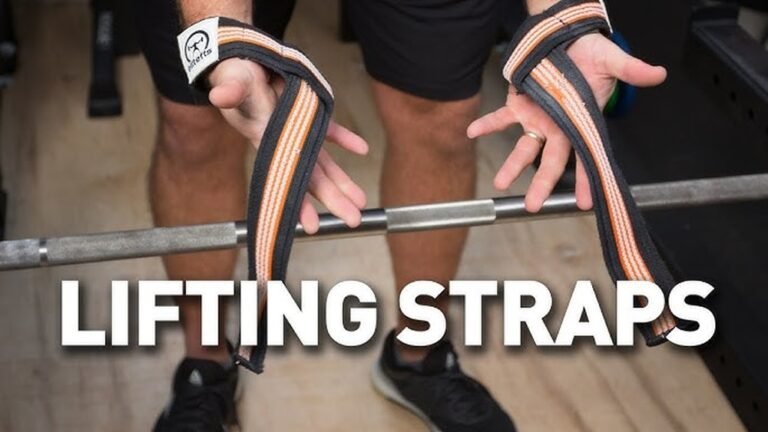
Start by placing the middle of the strap under your wrist. Wrap the long end around the bar tightly. Make sure the strap lies flat against the bar. Secure it by pulling the loose end firmly. This creates a strong hold and prevents slipping.
Check that the strap feels snug but not too tight. Your hand should move naturally without pain. Proper wrapping locks your grip and reduces strain on your fingers.
Adjusting For Comfort
Adjust the strap length to fit your hand size. Too long straps can cause excess movement. Too short straps may cut off circulation. Find a balance that feels secure yet comfortable.
Ensure the strap does not pinch your skin. Smooth out any folds or twists. Proper adjustment helps maintain focus on the lift, not discomfort.
Common Mistakes To Avoid
Avoid wrapping straps over the thumb. This weakens your grip and may cause slipping. Do not wrap straps too loosely. Loose straps reduce support and increase injury risk.
Do not rely solely on straps for grip strength. Use them only when needed to protect your hands. Poor technique wastes the benefits of lifting straps and may cause harm.
Balancing Strap Use And Grip Training
Balancing the use of lifting straps with grip training is key for steady progress. Straps help you lift heavier weights by reducing grip strain. But relying on them too much can weaken your natural grip over time.
Keeping a balance means using straps smartly while still training your grip muscles regularly. This approach ensures your grip stays strong and improves alongside your lifts.
Integrating Grip Workouts
Include specific grip exercises in your routine. Use tools like hand grippers, farmer’s walks, or wrist curls. These build hand strength and endurance.
Train grip on days when you don’t use straps. This helps avoid fatigue and supports recovery. Stronger grip means less need for straps during lifts.
Avoiding Overdependence
Use straps only for heavy or high-rep sets where grip limits your performance. Skip straps on lighter sets to challenge your hands. This prevents muscle loss in your forearms and fingers.
Listen to your body. If your grip feels weak, focus more on grip training before adding straps. Overuse of straps can slow natural grip development.
Frequently Asked Questions
Is It Better To Lift With Or Without Straps?
Lifting without straps builds natural grip strength and forearm muscles. Use straps during heavy pulls or fatigue to protect grip and focus on target muscles. Avoid straps on lighter sets or lifts where grip isn’t limiting. Balance both for optimal strength and muscle growth.
When Should You Start Using Lifting Straps?
Start using lifting straps during heavy pulling exercises when grip fails before target muscles or to manage fatigue in high-rep sets. Use them to support grip without replacing natural strength, especially for deadlifts, rows, and pull-ups. Avoid straps on lighter sets or lifts where grip isn’t limiting.
What Are The Disadvantages Of Straps?
Straps can reduce grip strength development over time. They may cause dependency and limit natural hand muscle growth. Straps might restrict movement in some lifts and feel uncomfortable for some users.
Why Do People Lift With Straps?
People lift with straps to improve grip on heavy pulls, prevent grip fatigue, and focus on target muscles during lifting.
Conclusion
Lifting straps help you lift heavier weights safely. They reduce grip fatigue and protect your hands. Use them during heavy pulls and high-rep sets. Straps support your grip but do not replace training it. They allow focus on target muscles without grip holding you back.
Remember to train your grip separately for balanced strength. Straps are a useful tool for serious lifters. They improve performance while lowering injury risk. Consider adding lifting straps to your workout gear for better results.