Are you ready to boost your lifting game and protect your body at the same time? A powerlifting belt might be the secret weapon you’ve been missing.
Whether you’re squatting, deadlifting, or pushing through tough reps, this simple piece of gear can make a huge difference. It helps stabilize your core, supports your spine, and can even help you lift heavier weights safely. Curious how a powerlifting belt works and why so many lifters swear by it?
Keep reading to discover the key benefits that could take your strength training to the next level—while keeping injuries at bay. Your lifts deserve this extra edge!
How Powerlifting Belts Work
A powerlifting belt helps you lift heavier weights safely. It works by boosting pressure inside your belly. This pressure supports your spine and core. The belt does not hold your back directly. Instead, it gives your stomach muscles something firm to push against. This creates a strong internal brace. Your spine stays in a safe, neutral position. This support lowers injury risk and improves lifting strength.
Increasing Intra-abdominal Pressure
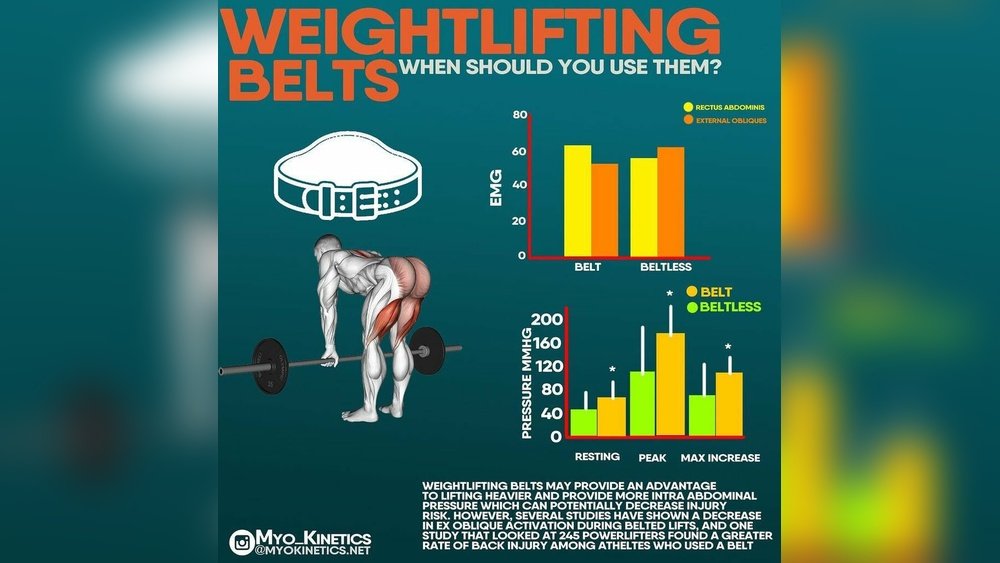
The belt tightens around your waist. Your abdominal muscles push against it hard. This raises the pressure inside your abdomen. Higher intra-abdominal pressure acts like an airbag for your spine. It stops your lower back from bending or twisting too much. This pressure helps keep your body stable during heavy lifts.
Enhancing Spinal Stability
The belt keeps your spine steady and aligned. It reduces stress on your spinal discs and joints. This stability is crucial during squats and deadlifts. Your spine resists loads better and stays safer. A stable spine lets you lift heavier weights with less risk of injury.
Supporting Core Bracing
The belt encourages better core muscle activation. It reminds your body to brace your core tightly. This core bracing strengthens your midsection during lifts. Strong core muscles protect your back and improve power. The belt helps you maintain this tight, strong core throughout the movement.
Boosting Strength With A Belt
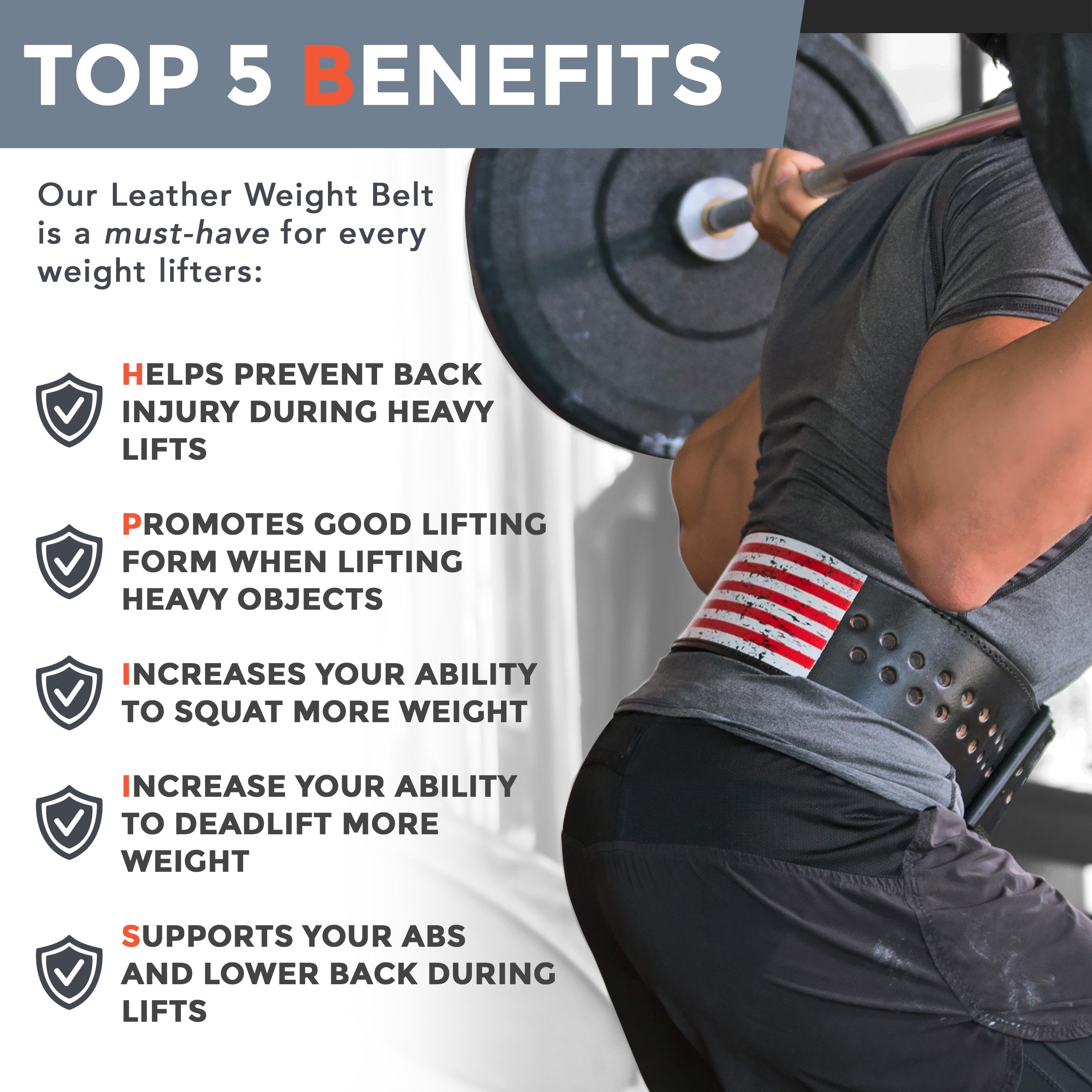
Using a powerlifting belt can help increase your strength during lifts. The belt supports your core and spine, making heavy lifts safer. It creates pressure inside your abdomen, which acts like a brace for your back. This support allows you to push harder and lift heavier weights. Strength improves not only by lifting more but also by improving your technique and overcoming strength plateaus.
Lifting Heavier Safely
The belt adds support to your lower back and abdomen. This extra support helps protect your spine under heavy loads. With a belt, you can lift heavier weights with less risk of injury. It keeps your body stable and balanced during difficult lifts. This safety boost encourages you to lift weights that challenge your muscles more.
Improving Lifting Technique
A belt helps you focus on proper form. It reminds you to keep your core tight and back straight. Better technique reduces the chance of injury. The belt also helps you feel your body position more clearly. This feedback helps you correct mistakes and perform each lift more efficiently.
Breaking Plateaus
Plateaus happen when your strength stops improving. Wearing a belt can help you push past these limits. The added support lets you handle heavier weights safely. This challenges your muscles in new ways. Breaking plateaus is easier with consistent, heavier lifting using a belt.
Injury Prevention Benefits
Powerlifting belts offer key injury prevention benefits during heavy lifting. They help protect the spine and core muscles. This support reduces the risk of strains and other injuries. Wearing a belt can improve safety and confidence while lifting.
These belts create stability by increasing pressure inside the abdomen. This pressure supports the lower back and helps maintain proper form. Understanding how belts reduce injury risk is important for every lifter.
Reducing Spinal Stress
A powerlifting belt reduces stress on the spine. It creates extra pressure around the lower back. This pressure lowers the load on spinal discs and muscles. Less stress means fewer chances of injury during heavy lifts. The belt acts like a shield for your spine.
Maintaining Neutral Spine Position
The belt helps keep your spine in a neutral position. A neutral spine is the safest posture for lifting. It prevents rounding or arching of the back. By maintaining this alignment, the belt protects spinal joints. Good posture lowers injury risk and improves lifting power.
Protecting Against Overextension
Overextension happens when the lower back bends too far backward. This can cause muscle strains and joint damage. The belt limits excessive backward bending during lifts. It acts as a physical reminder to keep your back safe. Protecting against overextension reduces pain and long-term injury.
Credit: linearcollider.org
When To Use A Powerlifting Belt
Knowing when to use a powerlifting belt is key for safety and performance. The belt increases pressure inside your abdomen. This pressure supports your spine and core during heavy lifts. It helps keep your back strong and stable. Using the belt at the right times protects you from injury. It also helps you lift heavier weights with better form.
Maximal Effort Lifts
Use a powerlifting belt during maximal effort lifts. These are your heaviest attempts in training or competition. The belt helps maintain core stability under extreme load. It allows you to push harder while protecting your lower back. Avoid using the belt for lighter sets or easy reps.
Heavy Squats And Deadlifts
Heavy squats and deadlifts are prime moments for belt use. These lifts put great stress on your spine. The belt boosts intra-abdominal pressure and supports your trunk. This support reduces the risk of injury. It also helps maintain proper posture throughout the lift. Use the belt as weights approach your top limits.
Avoiding Use During Warm-ups
Skip the belt during warm-ups and light sets. Wearing it all the time can weaken your core muscles. Your body needs to learn to stabilize itself naturally. Warm-ups are for preparing muscles and joints, not maximum support. Save the belt for work sets where extra stability is crucial.
Choosing And Fitting Your Belt
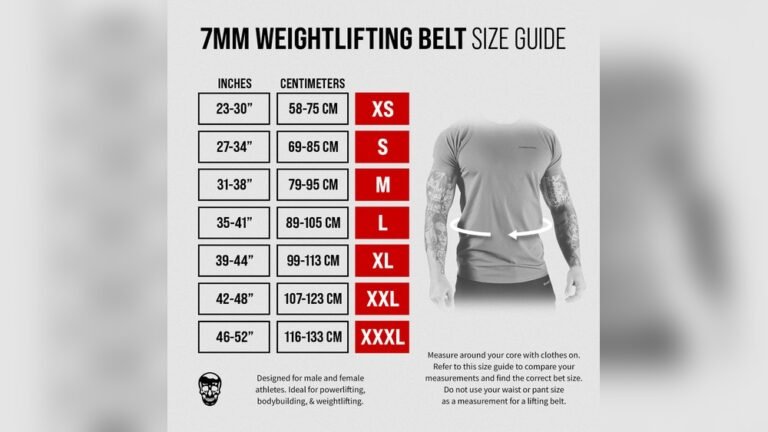
Choosing and fitting your powerlifting belt correctly is key to gaining its full benefits. A well-fitted belt enhances core stability and protects your spine during heavy lifts. Picking the right size and wearing it properly ensures comfort and support.
Proper Belt Placement
Place the belt around your waist, just above your hip bones. The belt should sit low enough to cover your lower back muscles. Avoid placing it too high or too low to keep your spine supported. This position allows your abdominal muscles to push against the belt effectively.
Ensuring A Snug Fit
Fasten the belt tight enough to feel firm but not uncomfortable. A snug fit helps increase intra-abdominal pressure. It prevents the belt from moving during lifts. You should still breathe deeply and brace your core while wearing it. Adjust the tightness based on your comfort and the lift type.
Material And Thickness Options
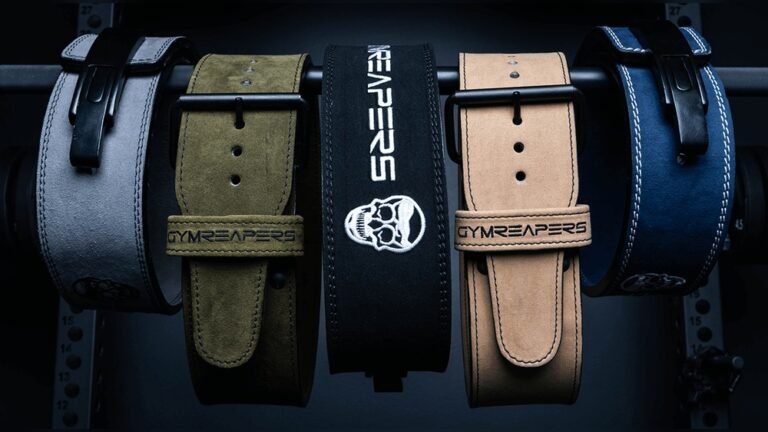
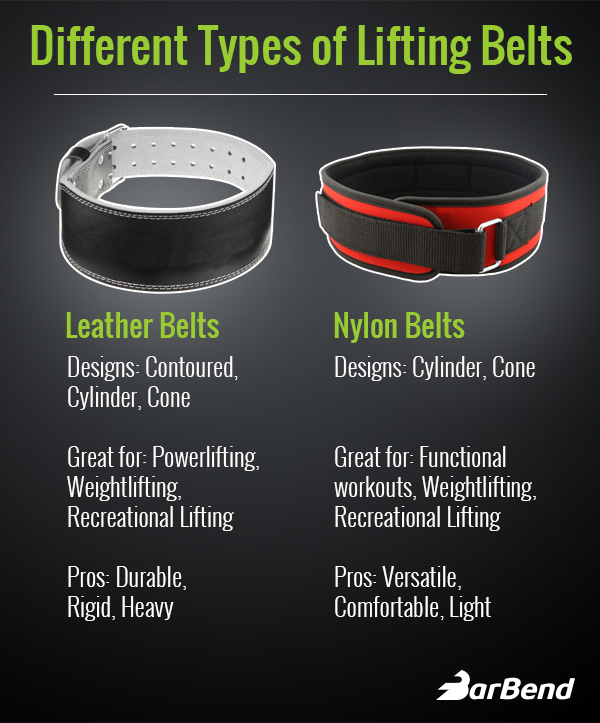
Choose belts made from leather or sturdy synthetic materials for durability. Leather belts provide firm support and last longer. Thickness varies from 6mm to 13mm; thicker belts offer more stability but less flexibility. Pick a thickness that matches your lifting style and comfort needs.
Credit: event.rmutt.ac.th
Common Misconceptions
Many people misunderstand the purpose and use of powerlifting belts. These misconceptions can stop lifters from using them properly. Knowing the facts helps you get the full benefits and avoid mistakes.
Belt As A Support, Not A Crutch
A powerlifting belt is a tool for support, not a crutch. It helps increase pressure inside the abdomen. This pressure stabilizes the spine during heavy lifts. The belt does not lift the weight for you. It protects your body and improves lifting form. Relying too much on the belt can weaken your core muscles. Use it to assist, not replace, your natural strength.
Role In Bench Press Performance
Many think belts only help with squats and deadlifts. A belt can also aid bench press performance. It helps keep your torso tight and stable on the bench. This stability lets you generate more power and control. The belt does not increase arm strength. It supports your body to press more efficiently and safely.
Not Suitable For Beginners
Some say beginners should use belts right away. This is not true. Beginners must first build core strength without a belt. Learning proper technique is key before adding equipment. A belt can hide poor form and cause injury. New lifters should focus on body control and balance first. Use a belt only after mastering the basics and lifting heavier weights.

Credit: event.rmutt.ac.th
Frequently Asked Questions
What Are The Benefits Of A Powerlifting Belt?
A powerlifting belt boosts intra-abdominal pressure, stabilizing the spine and core. It prevents injuries, enhances lifting technique, and helps you lift heavier weights safely.
Why Do Powerlifters Need A Belt?
Powerlifters use belts to increase intra-abdominal pressure, stabilize the spine, and support heavy lifts safely. Belts enhance core bracing, reduce injury risk, and improve lifting performance during squats, deadlifts, and other maximal effort movements.
When Should You Get A Powerlifting Belt?
Get a powerlifting belt when lifting heavy weights like squats or deadlifts to stabilize your spine and boost core support. Use it during maximal effort lifts to increase intra-abdominal pressure, improve technique, and reduce injury risk while enhancing performance safely.
Does A Powerlifting Belt Actually Help You Bench More?
A powerlifting belt boosts intra-abdominal pressure, stabilizing your core and spine. This support can help you bench more safely and effectively.
Conclusion
A powerlifting belt helps protect your spine during heavy lifts. It boosts core stability by increasing pressure inside your abdomen. This support reduces injury risk and improves lifting safety. Using a belt can also help you lift heavier weights with better form.
Remember to use the belt correctly for best results. Wearing one is a smart choice for serious lifters. It adds extra strength and confidence to your workouts. Try it to feel the difference in your lifting performance.