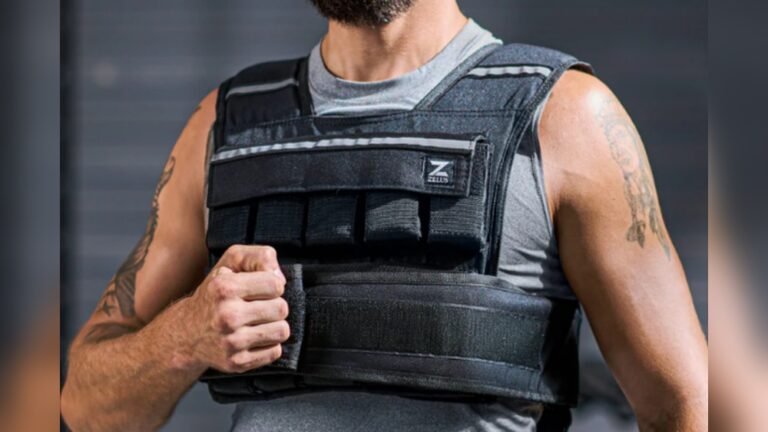
Are you looking for a simple way to boost your workouts and get more from your daily activities? A weighted vest might be exactly what you need.
By adding extra weight to your body, it makes every movement more challenging—helping you burn more calories, build muscle, and strengthen your bones. Imagine turning your regular walk or bodyweight exercises into a powerful fitness session without spending extra time at the gym.
You’ll discover the key benefits of using a weighted vest and how it can transform your fitness routine, no matter your current level. Keep reading to find out if this easy-to-use tool is right for you and how to get started safely.

Credit: www.ashleypattenpilates.com
Calorie Burn And Weight Loss
Weighted vests increase the effort needed for everyday activities and workouts. This extra effort helps burn more calories. Burning more calories supports weight loss and fat reduction.
Using a weighted vest adds resistance to movements like walking, running, and bodyweight exercises. The body works harder to carry the extra weight. This increased demand boosts calorie burn during exercise.
How Weighted Vests Increase Calorie Burn
The added weight makes your muscles work more. Your heart rate rises to supply oxygen to working muscles. This combination speeds up metabolism and burns more calories.
Even simple activities, such as walking, burn more calories with a weighted vest. This helps turn daily movement into a more effective workout.
Weighted Vests And Fat Loss
Fat loss happens when calorie burn exceeds calorie intake. Wearing a weighted vest helps increase calorie burn. Over time, this can lead to noticeable fat loss.
Some studies show people lose fat by wearing weighted vests during daily activities. The extra load encourages the body to use stored fat for energy.
Combining Weighted Vests With Exercise For Best Results
Weighted vests work well with strength training and cardio. They add resistance to bodyweight exercises like squats and push-ups. This builds muscle and burns more calories.
Wearing a weighted vest during cardio workouts boosts heart rate further. This improves endurance and helps burn fat faster.

Credit: hyperwear.com
Strength And Endurance Gains
Weighted vests offer a simple way to boost strength and endurance. Wearing a vest adds extra weight to your body. This makes muscles work harder during exercises. Over time, this leads to noticeable gains in power and stamina.
Using a weighted vest challenges your muscles more than usual. It helps build stronger legs, core, and back muscles. These areas support many daily movements and sports activities. The extra load forces your body to adapt and grow stronger.
Improved Muscle Strength
Weighted vests increase resistance during workouts. This resistance makes muscles contract with more force. Your body responds by building muscle fibers. This process leads to stronger muscles in key areas like legs and core. Stronger muscles improve overall physical performance and reduce injury risk.
Enhanced Cardiovascular Endurance
Adding weight raises your heart rate during exercise. This makes your heart and lungs work harder. Over time, this improves cardiovascular endurance. You can exercise longer without feeling tired. This endurance boost helps in sports, hiking, and daily tasks.
Better Workout Efficiency
Weighted vests increase workout intensity without extra time. You burn more calories and build strength faster. This makes workouts more efficient and effective. It helps you reach fitness goals quicker with the same exercise routine.
Bone Density Improvement
Improving bone density is a key benefit of using a weighted vest. Bone health matters for everyone, especially as we age. Strong bones lower the risk of fractures and osteoporosis.
Weighted vests add extra weight to your body. This added load creates stress on the bones. Stress signals your body to build stronger bone tissue. This process helps maintain or increase bone density over time.
Wearing a weighted vest during daily activities or workouts can boost bone strength. The vest makes your muscles and bones work harder. This gentle, consistent pressure encourages bone growth. It also helps reverse bone loss caused by aging or inactivity.
How Weighted Vests Stimulate Bone Growth
Weighted vests increase mechanical load on bones. Bones respond by increasing mineral density. This makes bones thicker and more resilient. The vest’s weight mimics natural resistance that bones need to stay healthy.
Weighted Vests Vs. Traditional Bone-strengthening Exercises
Weighted vests complement weight-bearing exercises like walking and squats. They add resistance without extra equipment. This makes bone-strengthening easier to fit into daily routines. Vests can be worn during many activities, boosting bone benefits.
Safe Use Of Weighted Vests For Bone Health
Start with light weights to avoid injury. Increase weight gradually as your body adapts. Consult a doctor if you have bone or joint issues. Proper use maximizes benefits and reduces risks.
Cardiovascular Health Boost
Weighted vests add extra weight to your body during exercise. This added resistance forces your heart to work harder. It increases your heart rate and improves blood circulation. These changes help strengthen your cardiovascular system over time.
Using a weighted vest can make simple activities like walking or jogging more challenging. This challenge trains your heart and lungs to become stronger and more efficient. Regular use supports better oxygen delivery to muscles and organs.
Improved Heart Efficiency
The extra load makes your heart pump more blood with each beat. This strengthens the heart muscle. A stronger heart pumps blood more efficiently, reducing the risk of heart disease.
Increased Oxygen Intake
Weighted vests raise your breathing rate during exercise. Your lungs work harder to supply oxygen to your body. This boosts lung capacity and overall endurance.
Enhanced Calorie Burn
Adding weight increases the effort needed for movement. Your body burns more calories to support the added resistance. This helps reduce body fat and supports heart health.
Supports Blood Pressure Control
Regular activity with a weighted vest can help lower blood pressure. Improved heart and lung function reduce strain on the cardiovascular system. This helps maintain healthy blood pressure levels.
Posture Enhancement
Weighted vests offer a simple way to improve posture. Wearing extra weight helps your body stay upright and balanced. This encourages the muscles around your spine to work harder. Over time, your posture can become stronger and more natural.
Good posture reduces back pain and fatigue. It also helps you breathe better and look confident. Weighted vests support these benefits by adding gentle resistance during daily activities and exercise.
Improves Core Muscle Activation
The added weight from the vest makes your core muscles engage more. These muscles stabilize your spine and keep your torso aligned. Strong core muscles help prevent slouching and promote a straight posture.
Encourages Proper Spinal Alignment
Weighted vests remind your body to maintain correct spinal alignment. The extra load makes you aware of your posture. This awareness helps you avoid hunching or leaning forward during movement or standing.
Supports Postural Endurance
Wearing a weighted vest regularly builds endurance in postural muscles. These muscles can then hold your spine upright for longer periods. This reduces the risk of posture-related discomfort and injuries.
Enhances Balance And Stability
The vest challenges your balance by shifting your center of gravity. This forces your body to adjust and stabilize. Improved balance supports better posture and reduces falls or missteps.
Starting With Weighted Vests
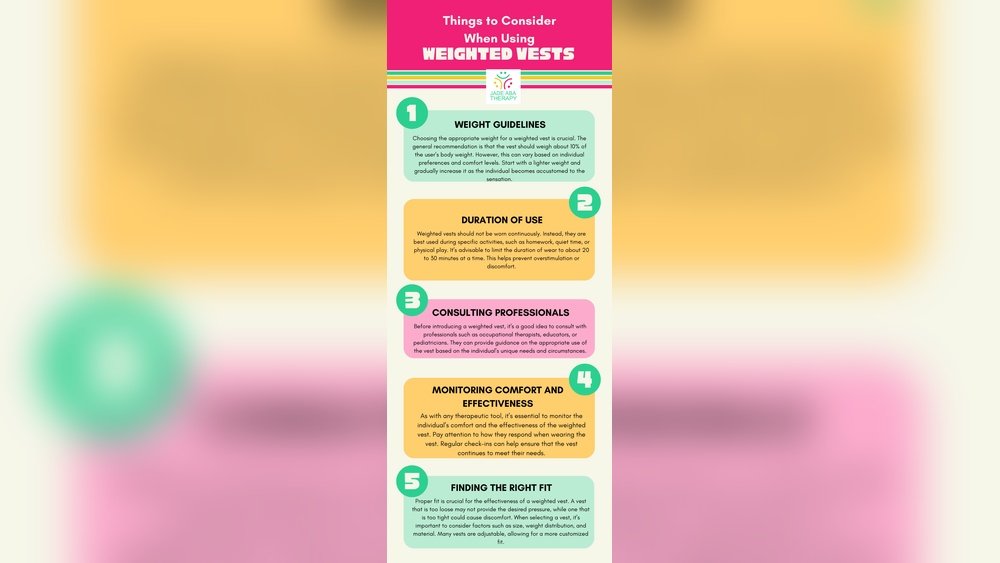
Starting with a weighted vest can improve your workouts safely and effectively. The extra weight adds resistance, making your muscles work harder. This helps build strength, burn more calories, and improve endurance. Begin carefully to avoid injury and get the best results.
Choose Light Weights
Pick a vest with light weights at first. This helps your body adjust to the new load. Too much weight can cause strain or injury. Starting light lets you move naturally and maintain good form during exercises.
Gradual Time Increase
Wear the vest for short periods initially. Add more time slowly as your body gets used to the weight. This gradual increase helps build strength without overloading your muscles or joints. Aim to increase wear time by a few minutes each session.
Listen To Your Body
Pay close attention to how your body feels while using the vest. Stop if you feel pain or discomfort. Rest and reduce weight if needed. Your body’s signals help prevent injuries and guide your progress safely.
Precautions And Limitations
Weighted vests offer many fitness benefits but require careful use. Understanding their precautions and limitations helps avoid injury. Some health conditions and exercise habits affect safety. Proper use ensures gains without harm.
Avoid If Back Or Joint Issues
Weighted vests increase pressure on the spine and joints. People with back pain or joint problems risk worsening their condition. Doctors recommend avoiding weighted vests if you have herniated discs, arthritis, or weak joints. Using a vest may cause pain or injury in these cases.
Prevent Overuse Injuries
Wearing a weighted vest for too long stresses muscles and bones. Overuse can cause strains, stress fractures, or tendon damage. Start with short sessions and light weights. Gradually increase time and load to let your body adapt. Rest days are important to recover and prevent injury.
Maintain Proper Form
Adding weight changes your body mechanics. Poor posture or technique while wearing a vest leads to injury. Focus on keeping your back straight and core engaged. Avoid leaning forward or arching your back. Use mirrors or a trainer to check your form during exercises.
Combining With Exercise
Weighted vests enhance workouts by adding extra resistance. This makes muscles work harder and helps you gain strength faster. You can wear a weighted vest during many types of exercise. It fits easily with bodyweight moves, traditional lifting, and cardio routines. Each method benefits from the added weight in different ways. Here is how combining a weighted vest with exercise improves your fitness.
Use With Bodyweight Moves
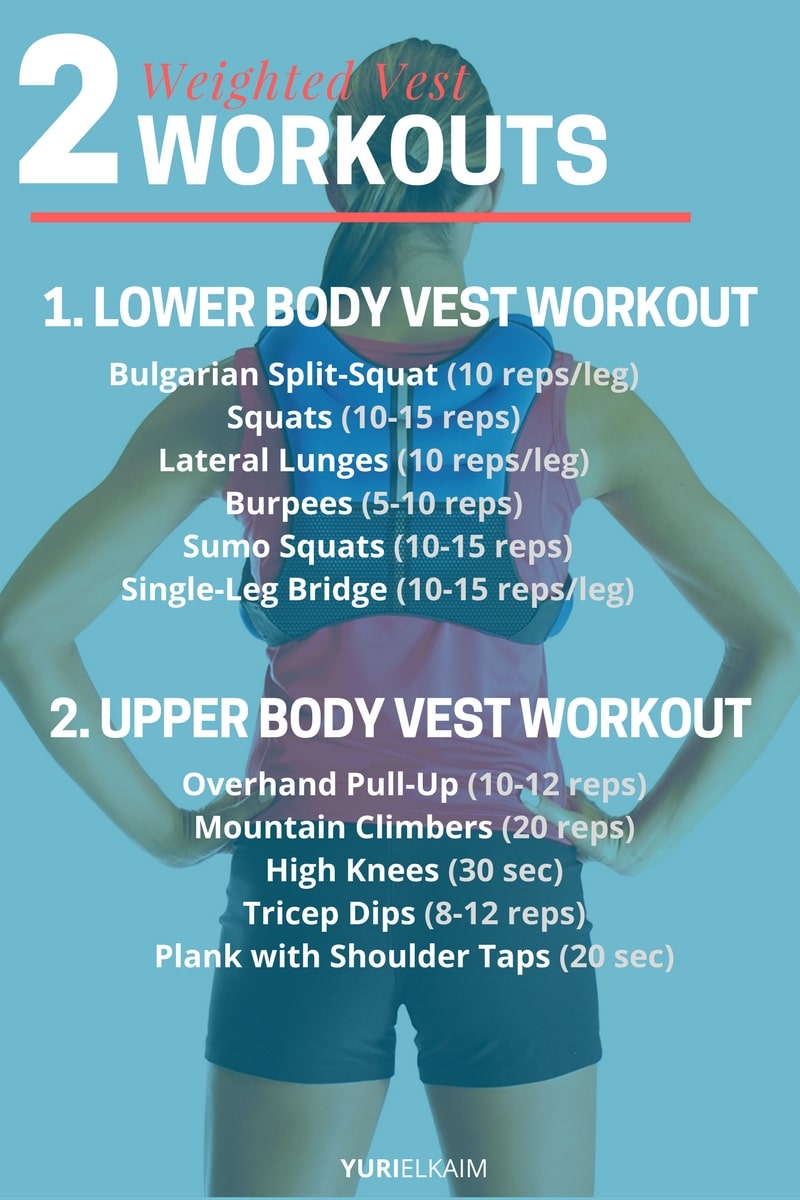
Bodyweight exercises become more challenging with a weighted vest. Moves like push-ups, pull-ups, and squats require more effort. Your muscles grow stronger as they handle the extra load. This also boosts endurance and burns more calories. The vest makes simple exercises more effective without needing extra equipment.
Complement Traditional Lifting
Weighted vests add resistance to standard weightlifting routines. You can wear one during squats or lunges to increase difficulty. This helps improve muscle tone and strength. It also encourages better posture and core engagement. The vest supports your lifts by adding steady weight across your body.
Add Resistance To Cardio
Cardio workouts become more intense with a weighted vest. Walking, running, or jumping burns more calories while wearing one. The extra weight raises your heart rate and oxygen use. This improves cardiovascular health and endurance. You get a deeper workout without extra time or effort.
General Guidelines By Activity
Weighted vests offer different benefits depending on the activity. Following general guidelines helps maximize results and reduce injury risks. Adjust weight and duration based on your fitness level and the exercise type. Always listen to your body and progress gradually.
Walking And Hiking
Start with a light vest, around 5% of your body weight. Wear it for short walks at first. Increase duration as your strength improves. The extra weight makes your heart work harder. It boosts calorie burn and builds endurance. Use good posture to avoid strain. Stop if you feel pain or discomfort.
Bodyweight Exercises
Add a weighted vest to squats, push-ups, or pull-ups for more challenge. Begin with low weight to maintain proper form. The vest increases muscle effort and strength gains. Keep movements slow and controlled. Avoid adding weight that causes poor technique. Rest between sets to prevent fatigue.
Running And Cardio
Use a very light vest to avoid joint stress. Weighted vests can increase heart rate and calorie burn. Limit wearing time to short bursts or intervals. Focus on maintaining your normal running form. Stop if you feel joint pain or fatigue. Weighted vests are not for long runs or high-impact workouts.
Strength Training
Weighted vests add resistance to bodyweight exercises but do not replace weights. Use them for added difficulty in dips or lunges. Choose weight carefully to avoid injury. Combine with traditional strength training for best results. The vest helps improve muscle endurance and core stability.
Credit: yurielkaim.com
Common Mistakes To Avoid
Using a weighted vest can boost your workouts and daily activities. Avoiding common mistakes helps you gain benefits safely. Small errors can cause injury or reduce effectiveness. Learn which habits to skip for better results.
Too Much Weight Too Soon
Start with a light vest to let your body adjust. Adding heavy weight too fast stresses muscles and joints. This may cause pain or injury. Gradually increase weight as your strength improves. Listen to your body and stop if you feel discomfort.
Wearing For Excessive Time
Wearing a weighted vest all day can strain your back and posture. Long use may tire muscles and cause soreness. Use the vest during workouts or short periods only. Give your body breaks to recover and avoid overuse injuries.
Using During Twisting Movements
Weighted vests add pressure that can harm your spine during twisting. Avoid wearing the vest during exercises with sudden twists or turns. Choose stable, straight movements to reduce risk. Protect your joints by controlling your motions carefully.
Frequently Asked Questions
Are Weighted Vests Effective?
Weighted vests effectively increase resistance during workouts, boosting calorie burn, muscle strength, bone density, cardiovascular health, and posture. They enhance bodyweight exercises and cardio, making workouts more challenging and efficient when used properly.
How Long Should A Person Wear A Weighted Vest?
Wear a weighted vest for 15 to 60 minutes per session, gradually increasing time as your body adapts. Avoid prolonged daily use.
Will A Weighted Vest Help Lose Belly Fat?
A weighted vest increases calorie burn by adding resistance during workouts. This helps reduce overall body fat, including belly fat, when combined with regular exercise and a healthy diet.
What Are The Negatives Of Weighted Vests?
Weighted vests may cause joint strain, back pain, and discomfort if worn improperly or with excessive weight. They can limit mobility and increase injury risk. Not suitable for people with certain health issues or poor posture. Always start with light weights and consult a professional before use.
Conclusion
Weighted vests add simple resistance to everyday movements. They help burn more calories and build muscle. Wearing one can improve posture and increase bone strength. These vests also boost heart and lung health during exercise. Start with a light weight to avoid injury.
Not everyone should use them—check with a doctor first. Using a weighted vest with workouts can make exercises more effective. Small changes, big benefits. Try adding a weighted vest to your routine for better fitness results.