
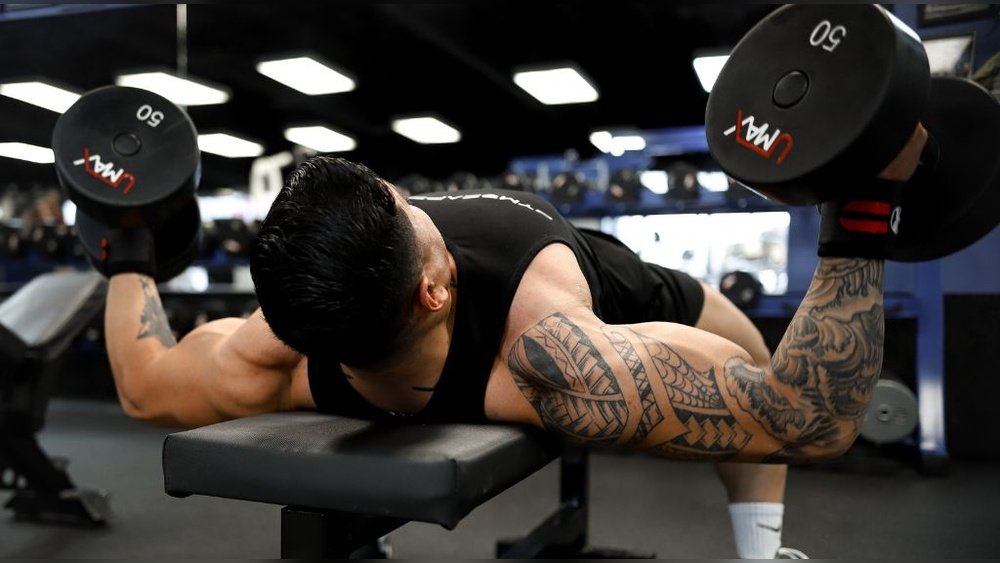
Are you pushing your limits in the gym but feel your wrists holding you back? Whether you’re bench pressing, overhead pressing, or squatting heavy, your wrists take a lot of stress.
That’s where wrist wraps come in. These simple yet powerful accessories provide the support and stability your wrists need to stay safe and strong during tough workouts. Imagine lifting heavier weights with less pain and better form—sounds like a game changer, right?
You’ll discover how wrist wraps can protect your joints, boost your confidence, and help you train smarter. Keep reading to unlock the full benefits of wrist wraps and take your performance to the next level.
Credit: www.tuffwraps.com
Wrist Support And Stability
Wrist wraps offer essential support and stability during lifting and intense activities. They help protect your wrists from injury. By keeping the wrist joint stable, wrist wraps reduce strain and improve performance. This support allows you to lift heavier weights more safely and with better form.
Preventing Hyperextension
Wrist wraps stop your wrist from bending too far backward. This condition is called hyperextension. It can cause pain and injury during heavy lifting. The wraps hold your wrist in a safe position. This prevents the joint from overstretching and reduces the risk of damage.
Maintaining Neutral Wrist Position
Wrist wraps keep your wrist straight and aligned. A neutral wrist position means the wrist is neither bent forward nor backward. This alignment helps spread the load evenly across the joint. It reduces pressure on ligaments and tendons. Proper wrist position also improves your grip and power during lifts.
Pain Reduction And Injury Relief
Wrist wraps play a key role in reducing pain and supporting injury relief. They offer targeted compression and stability to the wrist area. This support helps lessen discomfort during physical activities. Many athletes and fitness enthusiasts rely on wrist wraps to protect their wrists from strain. The wraps also aid in faster recovery after injury. Using wrist wraps can make workouts safer and more comfortable.
Relieving Strain On Ligaments And Tendons
Wrist wraps reduce stress on ligaments and tendons. They hold the wrist in a steady position, preventing harmful movements. This decreases the risk of overstretching or tearing soft tissues. The compression improves blood flow, which helps reduce swelling and pain. Wrapping the wrist properly lowers pressure on sensitive areas. It supports weak or injured ligaments and tendons during exercise. This relief allows you to keep training without worsening the injury.
Aiding Wrist Injury Recovery
Wrist wraps support healing after injuries. They stabilize the joint, limiting painful movements. This helps injured tissues rest and repair more quickly. Wearing wraps during recovery prevents further damage and reduces inflammation. They provide gentle compression that eases soreness and stiffness. Many physical therapists recommend wrist wraps as part of rehab. Using them lets you stay active while protecting the wrist. This balance speeds up recovery and builds confidence in wrist strength.
Enhancing Lifting Performance
Wrist wraps play a key role in enhancing lifting performance. They provide extra support to your wrists during intense workouts. This support helps you lift heavier weights with better control and safety. Using wrist wraps can improve your technique and reduce the risk of injury. They are a simple tool that adds stability and strength to your lifts.
Improving Force Transfer
Wrist wraps keep your wrists in a strong, neutral position. This alignment allows your muscles to work more efficiently. The force you generate transfers directly from your arms to the weights. Less energy is lost due to wrist movement or strain. This results in smoother and more powerful lifts. Better force transfer means you can push harder and lift more weight.
Boosting Confidence During Heavy Lifts
Feeling secure in your wrist position builds confidence during heavy lifts. Wrist wraps reduce wrist pain and discomfort, letting you focus on the lift. This mental boost encourages you to challenge your limits safely. Confidence helps improve your form and control. With wrist wraps, heavy lifting becomes less intimidating and more productive.
Ideal Scenarios For Use
Wrist wraps provide essential support during specific lifting scenarios. They help stabilize the wrist joint and reduce strain under heavy loads. Using them at the right times can protect your wrists and improve your lifting performance. Below are ideal situations where wrist wraps offer the most benefit.
Heavy Bench And Overhead Presses
These lifts place great stress on your wrist joints. Wrist wraps help keep wrists straight and steady. This stability prevents bending or hyperextension during heavy presses. They reduce discomfort and allow you to push harder safely. Using wrist wraps in these exercises can improve your form and increase strength.
Squats With Wrist Extension
Front squats and overhead squats require wrist flexibility and strength. Wrists often extend backward to hold the bar properly. Wrist wraps provide compression and support to avoid pain or injury. They help maintain a firm grip and proper wrist position. This support allows better control throughout the squat movement.
Post-injury Rehabilitation
After wrist injuries, healing wrists need extra care during training. Wrist wraps offer gentle support to reduce strain and prevent re-injury. They help keep the wrist stable while still allowing movement. Using wraps during recovery encourages safe exercise and faster healing. They are a useful tool for controlled wrist rehabilitation.
Proper Usage Tips
Proper usage of wrist wraps is essential to gain maximum benefits without risking injury. Using them correctly helps maintain wrist health and improves lifting performance. Wrapping too tight or too loose can cause discomfort or reduce support. Following proper techniques ensures safety and effectiveness during workouts.
Balancing Support And Natural Strength
Wrist wraps provide needed support during heavy lifts. Yet, relying on them too often can weaken your natural wrist muscles. Use wraps only for your toughest sets. Allow your wrists to work freely during warm-ups and lighter exercises. This balance helps build strength and prevents dependency on wraps.
Correct Wrapping Techniques
Start by placing the loop around your thumb if your wrap has one. Wrap firmly around your wrist, not too tight to cut off blood flow. Secure the wrap by fastening the Velcro strap. The wrap should keep your wrist stable but allow some movement. Avoid wrapping over your fingers or too far up your arm.
Comparing Wrist Wraps And Lifting Straps
Wrist wraps and lifting straps are common tools for weightlifters. Both help during heavy lifts but serve different roles. Understanding their differences helps you pick the right one for your workout.
Differences In Function
Wrist wraps support your wrist joint. They keep your wrist stable and prevent it from bending back too far. This support reduces pain and risk of injury.
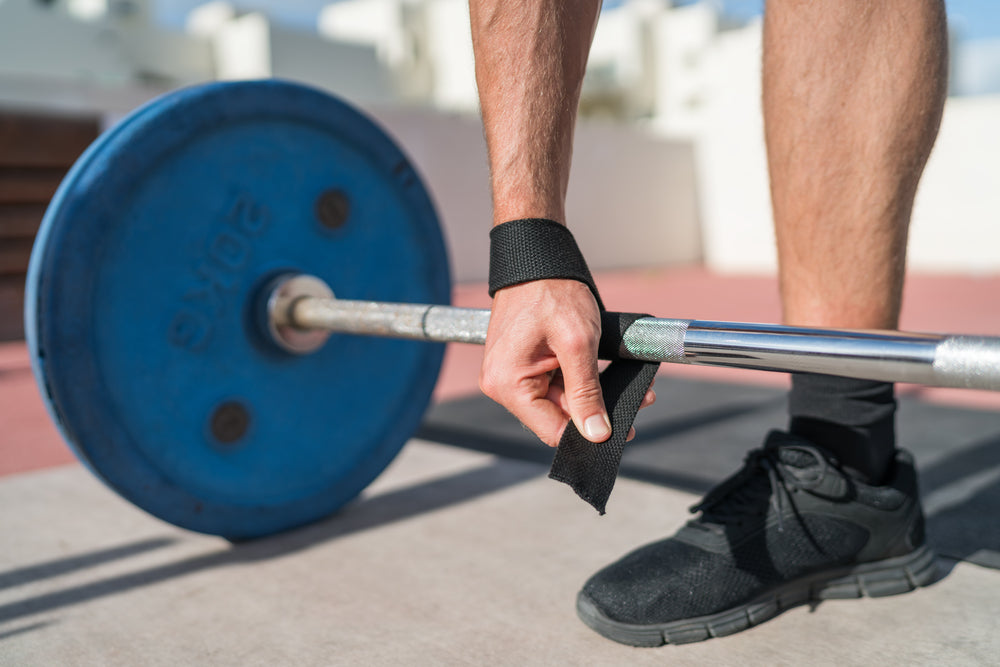
Lifting straps improve your grip. They wrap around the bar and your wrist, helping you hold heavier weights. Straps take the strain off your hands and forearms.
Wrist wraps focus on wrist stability. Lifting straps focus on grip strength. Each tool targets a different problem during lifting.
Choosing Based On Exercise Needs
Choose wrist wraps for exercises stressing the wrist. Bench presses, overhead presses, and squats often need wrist support.
Pick lifting straps for pulling movements. Deadlifts, rows, and pull-ups benefit from better grip with straps.
Some lifters use both. Wrist wraps protect the joint. Straps help hold the bar longer and heavier.
Potential Downsides
Wrist wraps offer many benefits, but they come with some potential downsides. Understanding these can help you use them safely. Using wrist wraps without care might cause problems. It is important to know the risks and how to avoid them.
Risks Of Over-reliance
Relying too much on wrist wraps can weaken your wrist muscles. Your body may depend on the support instead of building natural strength. This can increase the chance of injury over time. Using wraps only when needed helps maintain wrist strength. Training without them sometimes improves your natural stability.
Avoiding Circulation Issues
Wrapping your wrists too tightly can reduce blood flow. Poor circulation causes numbness, tingling, or pain during workouts. Make sure wraps are snug but not too tight. Avoid wrapping over nerves or joints that feel sensitive. Loosen wraps if you feel discomfort or coldness in your hands. Proper fit keeps your wrists supported and healthy.
Credit: steelsupplements.com

Credit: www.gornation.com
Frequently Asked Questions
Are Wrist Wraps Good For You?
Wrist wraps provide support and stability to wrists during heavy lifting. They reduce pain, prevent injury, and improve lifting form safely. Use them for bench presses, overhead lifts, or wrist recovery. Avoid overuse to maintain natural wrist strength and always wrap them snugly but not too tight.
Is It Good To Wrap Your Wrist?
Wrist wraps provide essential support and stability during heavy lifting. They reduce pain, prevent injury, and improve form. Use them for exercises like bench presses or overhead lifts. Avoid overusing to maintain natural wrist strength and ensure proper tension for safety.
When Should You Not Use Wrist Straps?
Avoid wrist straps during warm-ups, light exercises, or when building natural wrist strength to prevent dependency and weakness.
How Long Should I Wrap My Wrist?
Wrap your wrist snugly for the entire duration of your heavy lifts or strenuous activities. Avoid over-tightening to maintain circulation.
Conclusion
Wrist wraps provide key support for your wrists during lifting. They help prevent injuries by keeping wrists stable and aligned. Using them can reduce pain and strain in weak or injured wrists. They also improve your lifting form and let you handle heavier weights safely.
Remember, don’t rely on wrist wraps all the time. Build your natural wrist strength by training without them when possible. Wrap them snugly but not too tight to avoid discomfort. Overall, wrist wraps are a simple tool that supports safer, more effective workouts.