Looking to upgrade your barbell set without breaking the bank or cluttering your space? You’re in the right place.
Whether you’re setting up a home gym in Austin, Texas, or anywhere else, these simple DIY hacks will help you organize, customize, and get the most out of your barbell set. Imagine saving time, protecting your equipment, and making your workouts smoother—all with easy, practical tips you can do yourself.
Ready to transform your barbell setup? Let’s dive into the best DIY hacks that will change the way you train forever.
Barbell Storage Ideas
Organizing your barbell set improves workout space and safety. Proper storage prevents damage and saves room. Creative barbell storage ideas fit any home gym size.
Vertical Holders
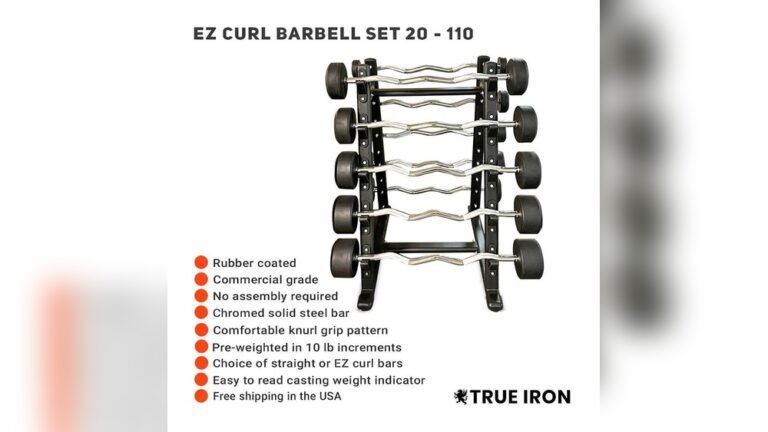
Vertical holders store barbells standing up. They use less floor space and keep bars easy to grab. You can build a simple vertical holder using wood or metal pipes. Place it near your workout area for quick access. Vertical racks also protect the barbell from bending or warping.
Horizontal Racks
Horizontal racks hold barbells flat on the wall. These racks keep bars off the ground and organized. Use sturdy brackets or hooks to secure the bars. Mount the rack at a reachable height to avoid lifting strain. Horizontal racks display your barbells neatly and save space along walls.
Space-saving Solutions
Space-saving storage fits barbells into small areas efficiently. One idea is using corner racks that fit into room corners. Another option is under-bench holders that slide barbells under workout benches. Wall-mounted foldable racks also free up floor space. These solutions keep your gym tidy and maximize workout room.
Credit: www.kaizendiygym.com
Diy Barbell Construction
Building your own barbell can save money and customize your workout gear. A DIY barbell lets you control weight, length, and grip style. It also gives satisfaction from crafting your own equipment. The process is simple and uses easy-to-find materials.
Follow clear steps to make a strong, safe barbell. This guide covers everything from materials to assembly. Prepare your workspace and tools before starting.
Materials And Tools Needed
You will need a sturdy metal pipe for the shaft, usually steel or iron. For weight plates, use concrete, metal discs, or heavy-duty plastic. Get end caps or collars to secure plates on the shaft. Tools include a drill, wrench, measuring tape, and epoxy or strong adhesive.
Building The Barbell Shaft
Cut the metal pipe to your desired length, usually around 5 to 7 feet. Smooth edges with sandpaper or a metal file to avoid injury. Mark positions for grip using tape or paint. You may add grip tape or knurling for better hold. Attach end caps firmly to keep weights safe.
Creating Weight Plates
Mix concrete and pour it into round molds to form plates. Let the concrete cure for at least 24 hours. For metal plates, cut discs from scrap metal and drill a center hole. Use paint to mark weight values on each plate. Make sure all plates have the same hole size for the shaft.
Assembling The Barbell
Slide the weight plates onto the shaft evenly on both sides. Use collars or clamps to lock plates in place tightly. Test the barbell for balance and stability before use. Adjust plate positions if the bar feels uneven. Store your DIY barbell in a dry place to avoid rust.
Homemade Weight Alternatives
Creating homemade weight alternatives is a smart way to save money and stay fit. You can build strength with common items found around your home. These options help you customize your barbell set without buying expensive plates. Safety and adjustability remain top priorities while crafting your weights.
Using Household Items
Many household items can serve as weight substitutes. Fill large water bottles or milk jugs with water or sand to add weight. Use canned goods or heavy books stacked securely. Bags of rice or flour also make good homemade weights. Wrap these items tightly to prevent spills and maintain balance.
Adjustable Weight Options
Adjustable weights give flexibility during workouts. Use containers that allow you to change the amount of filler inside. For example, a sealed bucket can hold different amounts of sand or gravel. This lets you increase or decrease weight easily. Stack smaller items together and secure them with straps for varied resistance.
Safe Weight Substitutes
Safety must come first when using homemade weights. Ensure all items are tightly sealed and balanced on the barbell. Avoid sharp edges or loose parts that could cause injury. Test the stability before lifting to prevent accidents. Use strong tape or rope to secure weights firmly in place.
Barbell Handling Hacks
Handling a barbell set can be tricky without the right tricks. These hacks make your workout safer and smoother. Simple steps save time and avoid injury.
Follow these barbell handling hacks to improve your lifting routine at home.
Loading And Unloading Plates
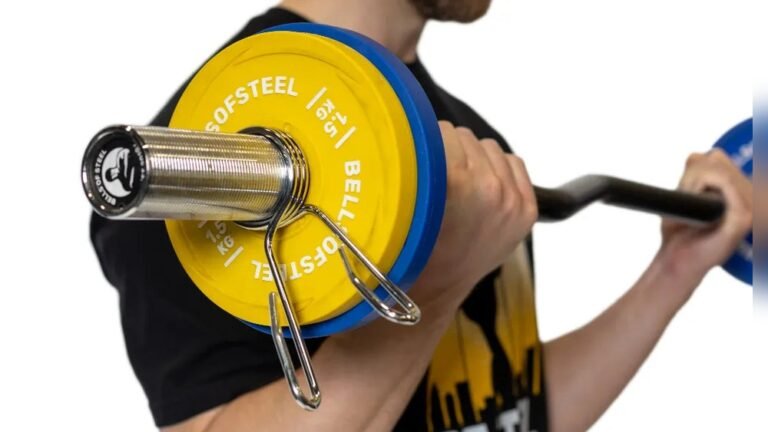
Place the barbell on the floor or a stable surface. Slide plates carefully onto the bar to avoid pinching fingers. Use collars to secure plates tightly. Remove plates by sliding them off slowly. Keep hands clear of sharp edges during this process. Organize plates by size for quick access. This saves time and keeps your workout area tidy.
Barbell Positioning Tips
Hold the barbell with a firm grip in the center. Balance the weight evenly on both sides. Keep the bar close to your body while lifting. Position your feet shoulder-width apart for stability. Use a mirror or record yourself to check form. Correct bar placement reduces strain and improves performance.
Lifting Without A Rack
Start with the barbell on the floor or blocks. Use a deadlift grip to lift the bar safely. Keep your back straight and bend at the hips. Stand up slowly while holding the bar close. Set the bar down gently to avoid damage. Practice this method to build strength without a rack. It works well in small home gyms.
Improving Workout Gear
Improving your workout gear can boost exercise efficiency and safety. Simple DIY hacks for your barbell set make workouts smoother and more enjoyable. Small changes add big value to your home gym setup. These tips help organize, enhance grip, and increase comfort during lifting sessions.
Diy Dumbbell And Barbell Racks
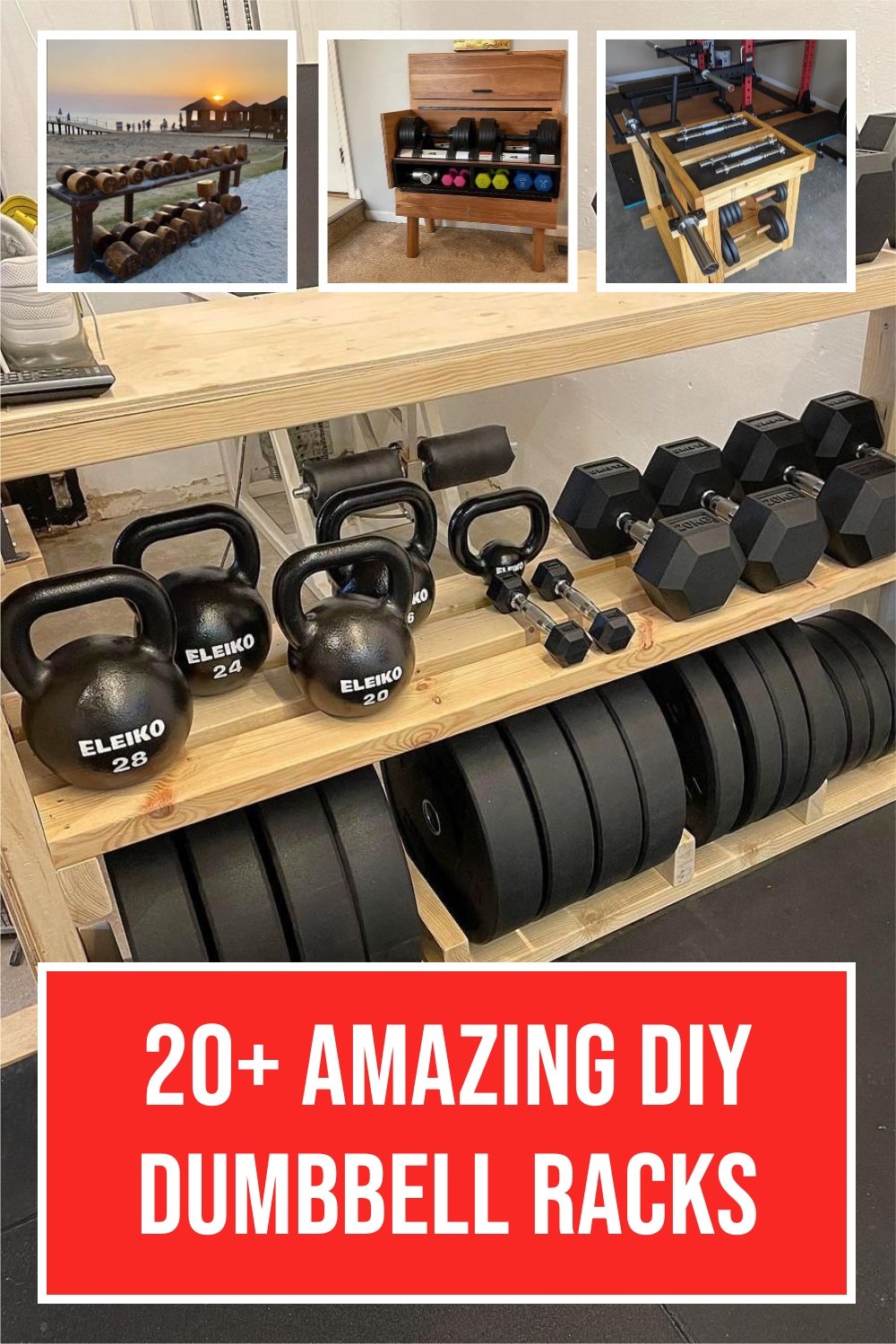
Creating your own racks saves space and protects your equipment. Use wood or metal pipes to build sturdy holders. Arrange them to keep dumbbells and barbells off the floor. This prevents damage and clutter in your workout area. A well-organized gym motivates regular exercise and easy access.
Adding Grip Enhancements
Improving grip prevents slips and enhances control during lifts. Wrap athletic tape or silicone grips around your barbell handles. You can also use rubber bands or grip sleeves for extra traction. These small additions reduce hand fatigue and increase lifting confidence. Better grip means safer and more effective workouts.
Customizing For Comfort
Comfort affects your lifting form and endurance. Add foam padding or soft tape on the barbell where it touches your body. Customize the height of your racks to match your reach and squat depth. Adjust collars and clips to fit your hand size comfortably. Personalized gear reduces strain and helps maintain proper technique.

Credit: www.liftingitalia.com
Maintenance And Safety
Maintaining your DIY barbell set ensures it stays safe and lasts longer. Regular care helps prevent accidents during workouts. Paying attention to safety protects you and your equipment.
Inspecting Diy Equipment
Check all parts of your barbell set before use. Look for cracks, rust, or loose bolts. Make sure weights fit tightly on the bar. Inspect the bar for bends or damage. Replace any worn or broken parts immediately.
Safe Usage Practices
Always use your barbell set on a flat, stable surface. Keep the area clear of obstacles and clutter. Use collars or clamps to secure weights firmly. Lift within your strength limits to avoid injury. Warm up properly before heavy lifting sessions.
Repair And Upkeep Tips
Clean your barbell regularly to remove sweat and dirt. Use a cloth and mild cleaner for the bar and weights. Tighten all bolts and screws every few weeks. Lubricate moving parts if your set has them. Store your barbell set in a dry place to prevent rust.
Credit: forte-fitness.co.uk
Frequently Asked Questions
How To Make Homemade Gym Equipment?
Make homemade gym equipment using household items like water bottles for weights, towels for sliders, and scarves as resistance bands. Use sturdy pipes or broomsticks as bars. Secure materials with duct tape or rope. Keep safety in mind and test equipment stability before use.
What Can You Use Instead Of Weight Plates?
Use adjustable dumbbells, water jugs, canned food, laundry detergent bottles, or homemade sandbags as weight plate alternatives.
How To Get Barbell On Back Without Rack?
Place the barbell on your shoulders while standing. Bend knees slightly, then explosively extend hips and legs to lift it up. Use controlled movement to stabilize the bar on your back before squatting.
Can I Build Muscle With Barbell Only?
Yes, you can build muscle using only a barbell. It supports various effective compound exercises for strength and growth.
Conclusion
DIY hacks for your barbell set save money and space. Simple materials often work well. Creating your own equipment boosts workout options at home. Small changes can improve safety and convenience. Keep experimenting to find what fits your needs best.
These ideas make fitness more accessible and fun. Start building your custom gym setup today!