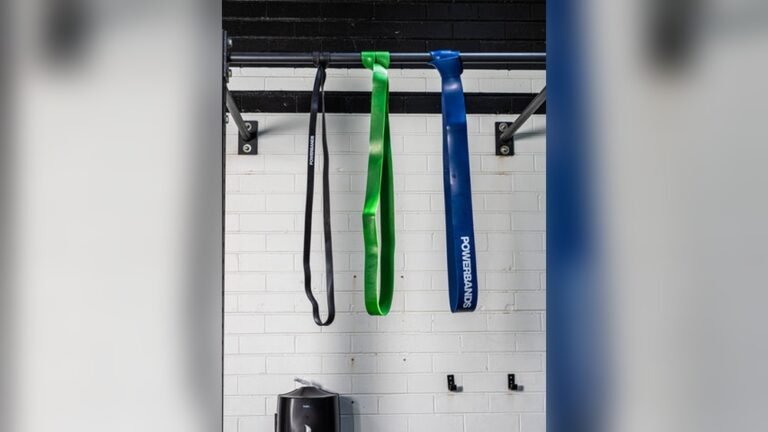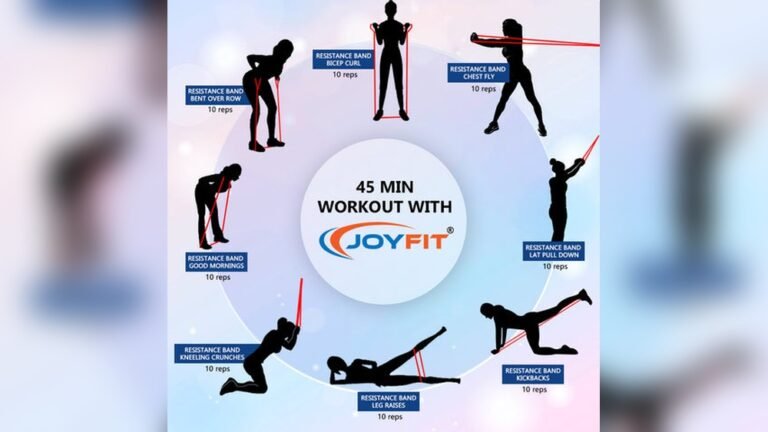
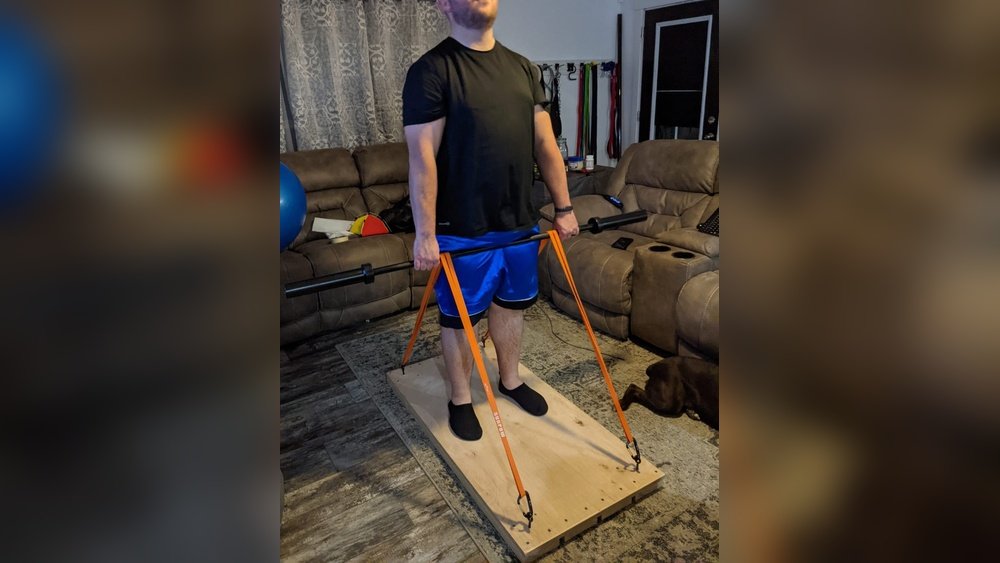
If you love working out but don’t want to spend a fortune on fancy gym gear, resistance bands are a game-changer—and you can make them even better with some simple DIY hacks. Imagine turning everyday items into powerful fitness tools that fit right into your routine.
Whether you want to boost your strength, improve flexibility, or add variety to your workouts, these creative hacks will help you get the most out of your resistance bands. Ready to discover easy, affordable ways to upgrade your exercise game?
Keep reading and transform your home workouts today!
Diy Band Materials
Creating your own resistance bands at home saves money and offers custom tension. Many common household items work well as DIY band materials. These materials stretch and provide resistance similar to commercial bands. Choose the right one based on your workout needs and available supplies.
Pantyhose And Leggings
Pantyhose and old leggings stretch easily and create light resistance. Tie knots to form loops for leg or arm exercises. These materials are soft, making them gentle on the skin. They work well for beginner workouts or light stretching routines.
Bicycle Inner Tubes
Bicycle inner tubes are strong and provide firm resistance. Cut them to the desired length and seal the ends if needed. Their durability makes them perfect for heavier strength exercises. Inner tubes resist snapping and can last longer than fabric options.
Bungee Cords
Bungee cords offer elastic tension and good stretchability. Use caution as they can snap back quickly. Cover sharp hooks or ends with tape to avoid injuries. Bungee cords suit dynamic workouts that need quick resistance changes.
Towels And Fabric Straps
Thick towels or fabric straps create stable resistance bands. Fold and knot towels to increase thickness and tension. Fabric straps can be sewn or tied to form loops for exercises. These materials are inexpensive and easy to adjust for different resistance levels.

Credit: www.youtube.com
Creating Door Anchors
Creating door anchors for resistance bands is a smart way to expand your workout options at home. These anchors let you attach bands to different heights on a door. This setup adds variety to exercises and targets more muscle groups.
Making your own door anchor is easy and cost-effective. It requires just a few simple tools and materials. Safe and secure anchors prevent damage to doors and keep you safe during workouts.
Simple Knot Techniques
Tie a strong knot at one end of the band to form a loop. Use a figure-eight or double knot for extra security. This loop will act as the anchor point behind the door.
Make sure the knot is tight and won’t slip during exercises. Practice tying and untying to find the best method for your band type. Avoid knots that can weaken the band or cause damage.
Safe Door Attachment Tips
Place the looped end of the band over the door’s top, side, or bottom edge. Close the door firmly to trap the loop inside. Check that the door is fully shut before pulling on the band.
Use a towel or foam padding between the band and door to protect surfaces. Test the anchor gently first to ensure it holds well. Never attach the band to glass or weak doors.
Adjustable Anchor Positions
Change the anchor height for different exercises by moving the loop on the door. Top anchors work for overhead pulls and lat exercises. Bottom anchors suit leg and glute workouts.
Side anchors allow for chest presses and rows. Adjusting anchor position helps you target muscles from various angles. Experiment to find the best setup for your routine.
Band Replacement Ideas
Resistance bands offer great workout flexibility. Sometimes, bands can break or you may not have one handy. Band replacement ideas help keep your fitness routine on track. You can use different tools and methods to mimic resistance bands. These alternatives provide similar resistance and help build strength.
Using Bodyweight Exercises
Bodyweight exercises work well as resistance band substitutes. Movements like push-ups, lunges, and squats challenge your muscles. You can adjust difficulty by changing speed or adding holds. For example, slow push-ups increase muscle tension. Adding pauses or pulses helps too. Planks and bridges target core muscles without any equipment.
Incorporating Dumbbells And Kettlebells
Dumbbells and kettlebells add weight and resistance to workouts. Use them for curls, rows, and squats to build strength. These weights provide steady tension throughout movements. You can increase or decrease weight for progressive training. Kettlebell swings improve power and endurance. Dumbbells allow more control over movement speed and form.
Suspension Trainers And Cable Machines
Suspension trainers use your body weight and gravity for resistance. Adjusting your angle changes the exercise difficulty. They target multiple muscle groups at once. Cable machines offer smooth, adjustable resistance. Use them for rows, chest presses, and tricep extensions. Both tools allow controlled, full-range motion. They work well for functional strength and rehab exercises.

Credit: dailyburn.com
Enhancing Push-ups With Bands
Enhancing push-ups with resistance bands adds strength and challenge to this classic exercise. Bands increase muscle activation and improve control throughout each movement. This simple tool suits all fitness levels and helps break through plateaus. Using bands targets chest, shoulders, and triceps more effectively. It also supports joint stability by providing steady resistance.
Band Placement For Resistance
Place the band across your upper back for even resistance. Loop it around your wrists to engage shoulder muscles more. Anchoring the band under your hands offers extra push strength. Adjust band height to target different muscle groups. Ensure the band is secure to avoid slipping. Proper placement keeps tension consistent during push-ups.
Variations To Increase Intensity
Try incline push-ups with bands to focus on upper chest. Use decline push-ups to challenge shoulders and upper back. Slow down the push-up motion to increase muscle time under tension. Perform explosive push-ups with bands to build power. Add pauses at the bottom or top of the push-up for added difficulty. Combine these variations to keep workouts fresh and tough.
Combining Bands With Weighted Vests
Wear a weighted vest along with bands for extra resistance. This combination intensifies muscle work and burns more calories. Start with light weights and thinner bands to avoid strain. Gradually increase vest weight and band thickness as strength grows. Combining these tools improves endurance and muscle tone efficiently. Always focus on form to prevent injury during weighted push-ups.
Leg And Glute Workout Hacks
Resistance bands offer great ways to enhance leg and glute workouts. Simple DIY hacks can make these exercises more effective and fun. Use bands creatively to target muscles deeply. These hacks help boost strength and tone muscles at home.
Try different methods to maximize your workout using resistance bands. Small changes can lead to better muscle activation and faster progress. Focus on proper form and consistent practice.
Looping Bands Around Ankles
Looping resistance bands around the ankles adds resistance to leg lifts and side steps. This simple hack increases tension on the glutes and outer thighs. Keep the band snug but not too tight. Perform side leg raises, donkey kicks, and walking side steps to activate muscles.
This technique improves hip stability and sculpts your lower body. It is easy to set up and works well for all fitness levels.
Diy Hip Thrust Bands
Create a DIY hip thrust band by tying a resistance band into a loop wide enough to fit around your hips. Place it just above the knees during hip thrust exercises. This adds extra resistance to your glutes and hamstrings. It helps improve muscle strength and power.
Use a bench or couch to support your upper back while performing hip thrusts. Press your hips upward against the band’s resistance. This simple hack targets glutes more effectively than bodyweight alone.
Glute Activation Techniques
Use resistance bands for glute activation before workouts. Start with light band exercises like glute bridges and clamshells. These warm up the muscles and improve mind-muscle connection. Proper activation helps prevent injury and enhances workout results.
Focus on slow, controlled movements. Squeeze your glutes at the top of each repetition. This technique ensures you engage the right muscles throughout your session.
Arm And Shoulder Strength Tips
Building strong arms and shoulders improves daily tasks and athletic performance. Resistance bands offer a simple way to develop muscle strength at home. Using bands with the right techniques targets muscles effectively. Below are easy DIY hacks to maximize your arm and shoulder workouts.
Band Curls And Presses
Band curls strengthen biceps using simple movements. Stand on the band and hold handles with palms facing up. Slowly curl your hands toward your shoulders. Control the movement back down for best results.
Band presses work the shoulders and triceps. Secure the band behind you at chest level. Press your hands forward until arms are straight. Keep your core tight for stability throughout the motion.
Anchoring For Rows And Pulls
Anchoring bands lets you do rowing exercises to target back and shoulder muscles. Use a sturdy door anchor or tie the band to a heavy object. Pull the band toward your torso, squeezing shoulder blades together.
For pulls, hold the band with both hands and pull apart slowly. This improves shoulder strength and posture. Always keep your movements slow and controlled to avoid injury.
Improving Shoulder Mobility
Resistance bands help increase shoulder flexibility and range of motion. Hold the band overhead with wide grip. Slowly move your arms apart, stretching the band gently.
Try shoulder dislocations by holding the band in front and moving it over your head to your back. This loosens tight muscles and improves movement.
Stretching And Mobility Uses
Resistance bands are perfect tools for stretching and improving mobility. They help increase your range of motion and prepare muscles for exercise. Using bands correctly can reduce injury risk and ease muscle stiffness.
DIY hacks expand their use beyond strength training. You can use simple household items to mimic or enhance band functions. These tricks make stretching routines more effective and accessible.
Using Towels For Stretching
Towels can replace resistance bands for many stretches. Grab a towel and hold it with both hands. Use it to gently pull your arms or legs. This helps deepen stretches and improves flexibility. Towels provide a soft, adjustable tension that suits beginners well.
For example, loop a towel around your foot while lying down. Pull the towel toward you to stretch your hamstrings. Adjust the pull to control stretch intensity. Towels work well for shoulder and calf stretches too.
Band-assisted Yoga Poses
Resistance bands assist many yoga poses, making them easier and safer. Use a band to hold your legs or arms in place during stretches. It helps maintain proper alignment and balance. Bands also increase stretch length without forcing the body.
Try band-assisted forward bends or seated twists. The band supports your limbs, allowing a deeper stretch. This reduces strain and improves posture. Bands let you explore poses gently and effectively.
Improving Flexibility Safely
Use resistance bands to increase flexibility step by step. Start with light tension and slow movements. Never force your body beyond comfort. Bands provide controlled resistance to avoid overstretching.
Consistency is key to safe improvement. Stretch regularly, holding each pose for 20-30 seconds. Gradually increase stretch depth as muscles loosen. Bands guide your movement, helping prevent injuries. Always listen to your body’s signals.
Safety And Maintenance
Keeping your resistance bands safe and well-maintained helps them last longer. Safety is key to prevent injuries during workouts. Regular checks and proper care ensure the bands work correctly and stay reliable. Follow simple steps to maintain your bands and protect your health.
Checking Band Wear And Tear
Look closely at the bands before each use. Check for any cracks, tears, or thinning spots. Small damages can cause the band to snap unexpectedly. Replace any band that shows signs of wear immediately. This simple check protects you from sudden breaks and injuries.
Proper Storage Ideas
Store resistance bands away from direct sunlight and heat. Heat can weaken the material and cause damage. Keep bands in a cool, dry place, like a drawer or gym bag. Avoid folding bands tightly; instead, roll them gently to prevent creases. Proper storage keeps bands flexible and strong.
Avoiding Common Injuries
Use bands on smooth, non-slip surfaces to avoid slipping. Always warm up your muscles before using resistance bands. Start exercises slowly and increase intensity gradually. Do not overstretch bands beyond their limit. Stop immediately if you feel pain or discomfort. These steps help prevent strains, sprains, and other injuries.
Quick Fixes And On-the-go Hacks
Quick fixes and on-the-go hacks make resistance band workouts easier and more flexible. These tricks help you keep training even without your usual gear. Small items around the house can turn into effective workout tools. These ideas save time and space while keeping your routine consistent.
Using Rope Or Robe Ties
Rope or robe ties work well as quick resistance bands. They provide enough stretch for light exercises. Tie them around sturdy objects for anchoring. Use them for arm pulls or leg lifts. This hack is great for last-minute workouts or travel.
Suspenders As Resistance Tools
Suspenders offer surprising resistance for strength moves. Stretch them slowly to activate muscles. Hold the clips or ends firmly during exercises. They can replace bands for arm curls or shoulder presses. Suspenders fit easily in any bag for travel workouts.
Travel-friendly Band Alternatives
Look for items like pantyhose, old tights, or leggings. These stretchy fabrics create gentle resistance. Cut and tie them to form loops or anchors. They fold small and fit in carry-ons. These alternatives keep your workout flexible on the road.

Credit: www.youtube.com
Frequently Asked Questions
What To Use If I Don’t Have A Resistance Band?
Use dumbbells, kettlebells, or bodyweight exercises like push-ups and lunges. DIY options include pantyhose, bungee cords, or bicycle inner tubes. Towels twisted tightly also provide resistance. Suspension trainers or cable machines work well too. These alternatives offer effective resistance for strength training without bands.
How To Make Your Own Resistance Bands At Home?
Cut old leggings, pantyhose, or bicycle inner tubes into strips. Tie knots or loops for handles. Anchor to doors for resistance exercises. Use bungee cords or towels twisted tightly for added stretch and tension. These DIY bands mimic store-bought resistance bands effectively and cost nothing.
How To Get Rid Of Flabby Arms With Resistance Bands?
Use resistance bands for tricep kickbacks, bicep curls, and overhead presses. Perform 3 sets of 12-15 reps regularly. Combine with a balanced diet and consistent cardio to reduce arm fat and tone muscles effectively.
How To Make A Door Anchor For Resistance Bands?
Make a door anchor by threading a sturdy strap or towel through a closed door. Secure the knot on the opposite side. Attach resistance bands to the looped end for safe workouts. Ensure the door closes firmly and won’t open during exercise.
Conclusion
DIY hacks for resistance bands help you stay fit at home. Using household items saves money and adds variety to workouts. These simple tricks make exercises easier to do anywhere. Try pantyhose, towels, or bike tubes for good resistance. Keep experimenting with new ideas to challenge your muscles.
Small changes in your routine bring steady progress over time. Enjoy creative fitness without needing fancy equipment. Stay consistent, and results will follow.