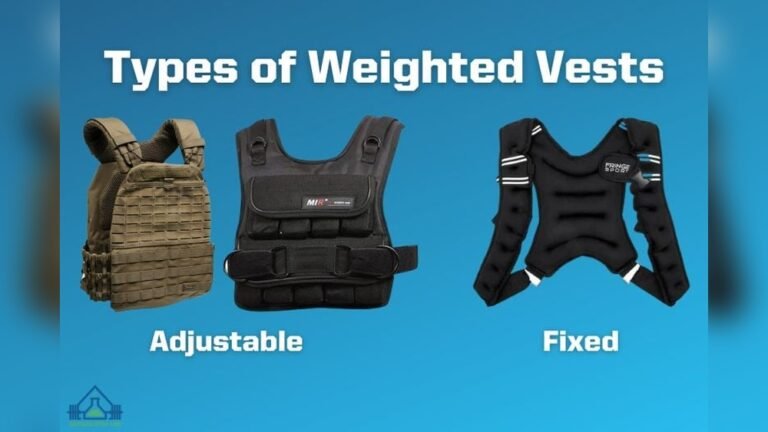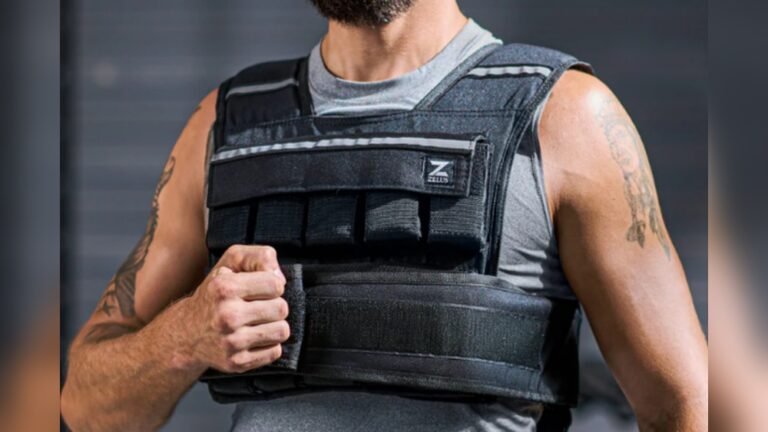
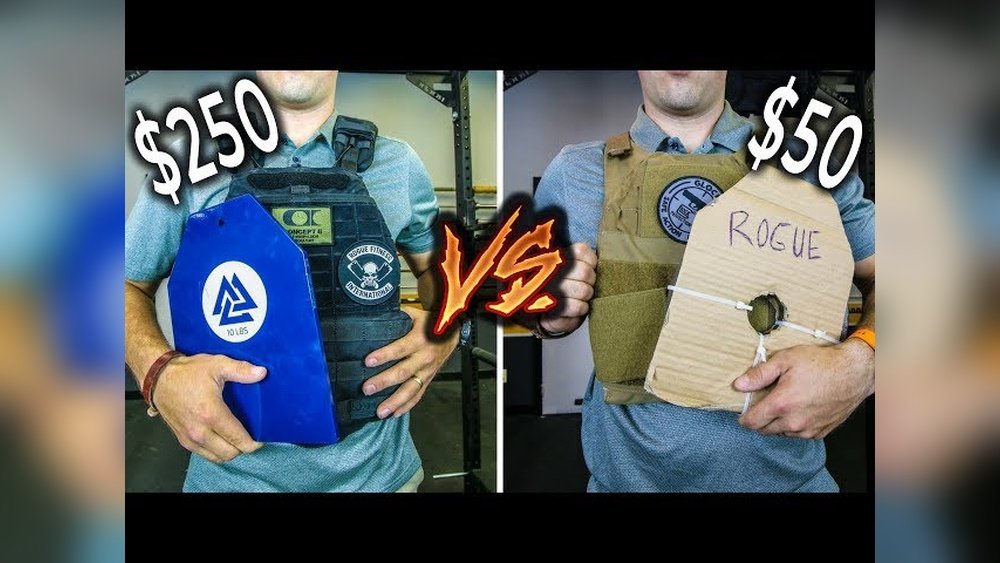
Looking to boost your workouts without breaking the bank? You don’t need to buy an expensive weighted vest to add resistance and challenge your body.
With a few simple materials and some creativity, you can create your own DIY weighted vest that fits your needs perfectly. Imagine customizing the weight, comfort, and style while saving money and gaining the satisfaction of building it yourself. Whether you want to enhance your strength training, improve endurance, or ramp up your cardio, these easy DIY hacks will help you get started right away.
Ready to discover how you can make your own weighted vest at home? Let’s dive into the best tips and tricks that anyone can follow!
Materials For Diy Weighted Vest
Creating a weighted vest at home starts with choosing the right materials. The materials must be safe, comfortable, and effective for adding weight. Selecting common household items and affordable weights helps keep costs low. The right tools make assembly easier and ensure the vest fits well. This section covers everything needed to build a DIY weighted vest.
Common Household Items
Old backpacks or gym bags work well as vest bases. Thick fabric like denim or canvas adds durability. Soft cloth or yoga pants can line the vest for comfort. Straps from old bags or belts help secure the vest. Duct tape or sewing supplies hold materials in place. Using items you already own saves money and time.
Affordable Weight Options
Small sandbags are easy to fill and adjust for weight. Rice or beans in sealed bags provide steady weight. Metal washers or bolts add dense weight in small spaces. Pebbles or gravel in pouches offer an affordable alternative. Weight plates or dumbbells can be repurposed if attached safely. Choose weights that balance comfort and function.
Tools And Supplies Needed
Heavy-duty scissors or a utility knife cut fabric and materials. A sewing kit or sewing machine helps secure pockets and straps. Measuring tape ensures the vest fits your body well. Strong thread or fabric glue can reinforce seams. A marker or chalk marks cutting lines clearly. These basic tools make the building process smooth and reliable.

Credit: lepaystchad.com
Step-by-step Construction Tips
Building your own weighted vest can be simple and cost-effective. Follow these clear steps to create a sturdy, adjustable vest that fits your needs. Focus on comfort, safety, and balance throughout the process.
Creating The Vest Base
Start with a durable fabric like canvas or nylon. Cut two large panels matching your torso size. Sew the panels together, leaving openings for your arms and head. Add adjustable straps on the sides for a snug fit. Reinforce the stitching around stress points to prevent tearing.
Adding Adjustable Weights
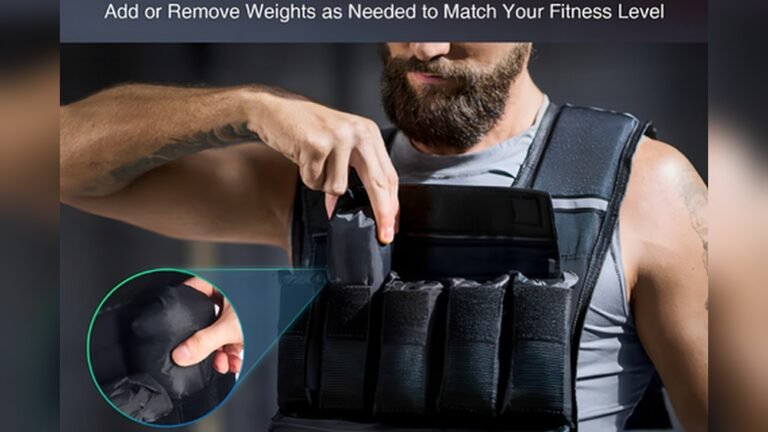
Use small pouches or pockets sewn onto the vest base. Fill these with heavy materials like sandbags, metal plates, or rice bags. Make pockets wide enough to hold various weight sizes. Arrange pockets evenly on the vest to distribute weight properly. Use Velcro or zippers to keep the weights secure yet removable.
Securing Weights Safely
Check all seams and closures to ensure they hold weight without breaking. Cover sharp edges of metal weights with tape or cloth to avoid injury. Test the vest by wearing it and moving around gently. Adjust straps and weight placement for comfort and stability. Regularly inspect the vest for wear or damage to keep it safe.
Weight Alternatives For Vest Filling
Choosing the right material to fill a weighted vest impacts comfort, durability, and weight distribution. Various options offer different benefits for DIY projects. Selecting the best filler depends on your needs and how you plan to use the vest.
Using Sand And Gravel
Sand is a popular choice due to its availability and weight density. It molds easily to the vest shape, providing even weight distribution. Gravel offers a harder texture and adds extra durability. Both materials are affordable and easy to find at hardware stores. Use small bags or pouches to contain sand or gravel to prevent leakage. Ensure the bags are strong and sealed well to avoid mess during workouts.
Metal And Cement Options
Metal pieces like ball bearings or small weights add significant mass in a small space. These fillers are durable and resist shifting inside the vest. Cement powder can also be used but requires careful mixing and drying in sealed compartments. Metal fillers provide a compact weight solution but might feel harder against the body. Cement offers a firm weight but adds bulk. Proper containment is essential to avoid damage to the vest fabric.
Soft Vs. Hard Fillers
Soft fillers like sand and small beads conform to body shape, increasing comfort. Hard fillers such as metal and cement offer stable weight but may cause discomfort. Soft materials absorb shock better and reduce pressure points. Hard materials can cause chafing if not properly cushioned. Consider your workout type and comfort preference when choosing fillers. A mix of soft and hard fillers can balance comfort and effectiveness.
Customization Ideas
Customization ideas for your weighted vest help tailor it to your specific needs. Small changes can improve its effectiveness and comfort. Customizing also extends the vest’s lifespan and usability. Below are simple ways to upgrade your weighted vest easily at home.
Adjusting Weight Distribution
Place weights evenly to avoid body strain. Use small pockets or pouches for each weight. Shift weights forward, backward, or side to side as needed. Balanced weight keeps your posture correct during workouts. Try removable weights for easy adjustment before each session.
Improving Comfort And Fit
Use soft fabrics inside the vest to reduce skin irritation. Add extra padding around the shoulders and back. Adjust straps for a snug but comfortable fit. Consider adding breathable mesh for better airflow. A good fit prevents chafing and slipping during exercise.
Enhancing Durability
Reinforce seams with strong thread or fabric glue. Use heavy-duty fabric patches on high-wear areas. Protect weights by placing them in durable, sealed pouches. Waterproof the vest with a spray or coating to resist sweat. These tweaks help your vest last longer and stay safe to use.
Safety Tips For Weighted Vests
Weighted vests offer a great way to increase workout intensity. Safety must always come first. Proper use prevents injuries and discomfort. Follow these safety tips to protect your body.
Preventing Joint And Back Injuries
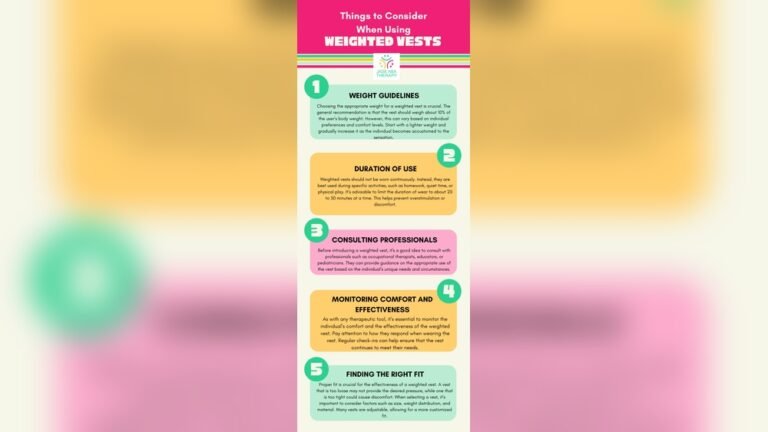
Start with a light weight and increase gradually. Sudden heavy loads strain joints and back muscles. Use a vest that fits snugly to avoid shifting. Shifted weight can cause muscle imbalances and pain. Take breaks and listen to your body’s signals.
Avoiding Poor Posture
Keep your shoulders back and chest open. Weighted vests can pull you forward if worn incorrectly. Stand tall and engage your core muscles. Poor posture leads to rounded shoulders and back pain. Check your posture often during exercises.
Ensuring Proper Breathing
Wear a vest that does not compress your chest tightly. Tight vests restrict breathing and reduce oxygen intake. Breathe deeply and steadily during workouts. Good breathing improves performance and reduces dizziness. Stop exercising if breathing feels difficult.
Credit: africaresearchconnects.com
Workout Benefits With Weighted Vests
Weighted vests add extra resistance to your workouts, making exercises more challenging. Using a weighted vest can improve your overall fitness by increasing strength, endurance, and calorie burn. It also helps train your body to move better in everyday activities. Below are key benefits of working out with weighted vests.
Boosting Strength And Endurance
Wearing a weighted vest forces your muscles to work harder. This extra load increases muscle strength over time. It also builds endurance, allowing you to exercise longer without fatigue. Simple movements become more effective with added weight.
Increasing Calorie Burn
The added weight increases the energy your body uses during exercise. This means you burn more calories even during normal activities like walking or running. Using a weighted vest can speed up fat loss and improve metabolism.
Enhancing Functional Fitness
Weighted vests improve how your body handles real-life tasks. Carrying extra weight trains your balance, coordination, and posture. This makes daily movements easier and reduces the risk of injury. Functional fitness grows stronger with consistent use.
Common Mistakes To Avoid
Using a weighted vest can boost your workouts, but some common mistakes can cause harm or reduce benefits. Avoid these errors to stay safe and get the best results. Careful steps make your DIY weighted vest both effective and comfortable.
Overloading Too Quickly
Adding too much weight at once stresses your body. Muscles, joints, and bones need time to adjust. Start light and increase weight slowly. This reduces injury risk and helps build strength steadily. Overloading can cause pain and stop progress.
Ignoring Proper Form
Weighted vests add resistance, so proper form is crucial. Poor posture or bad technique can lead to injury. Focus on correct movements during exercises. Keep your back straight and core tight. Proper form protects your body and improves workout quality.
Using Ill-fitting Vests
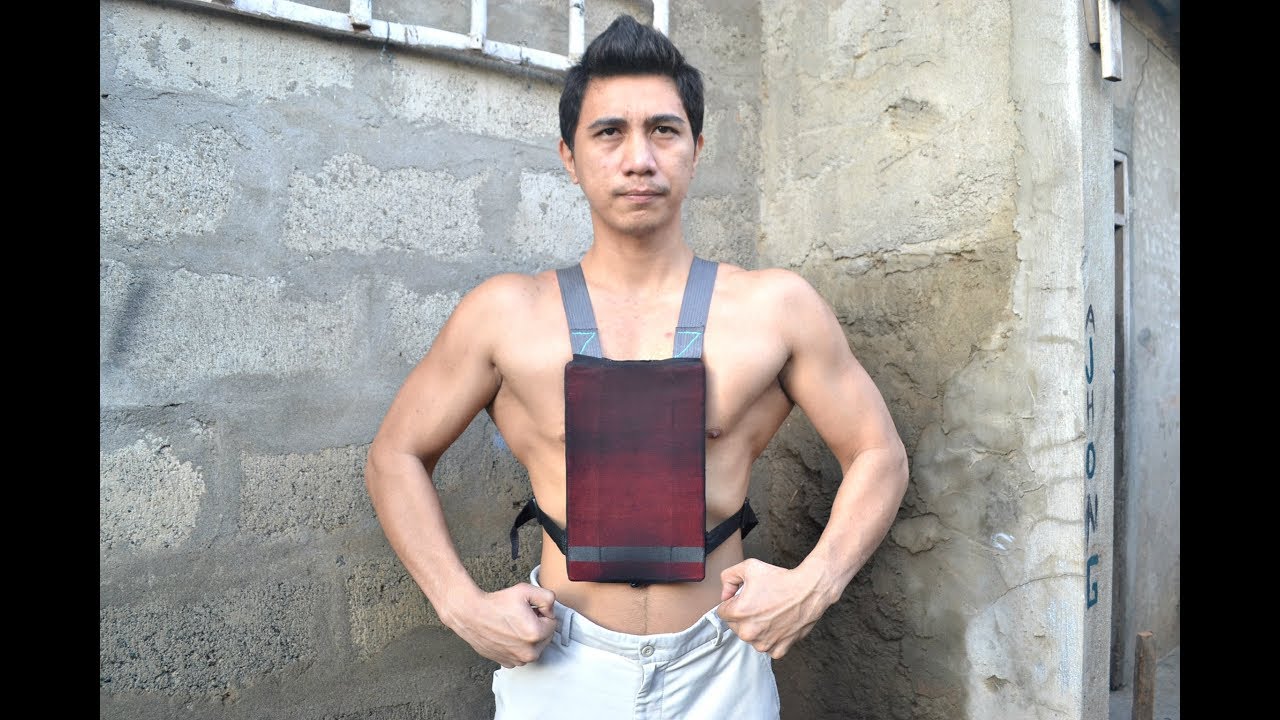
A vest that is too loose or too tight causes discomfort and limits movement. Loose vests shift and distract during exercise. Tight vests restrict breathing and cause pain. Choose or make a vest that fits snugly but allows easy motion. Comfort helps maintain good form and focus.
Credit: www.youtube.com
Alternatives To Weighted Vests
Weighted vests add resistance to workouts, but they are not the only option. Many alternatives help increase workout intensity without buying a vest. These solutions can be easy to make at home. They use common items and simple adjustments.
Try different ways to add weight safely and comfortably. Below are practical DIY ideas that work well for various fitness routines.
Backpack Weight Hacks
Use a sturdy backpack to add extra weight during exercise. Fill it with books, water bottles, or small bags of rice. Adjust the weight to match your fitness level. Make sure the backpack fits snugly to avoid injury. This method works for walking, running, and bodyweight exercises.
Weighted Clothing Options
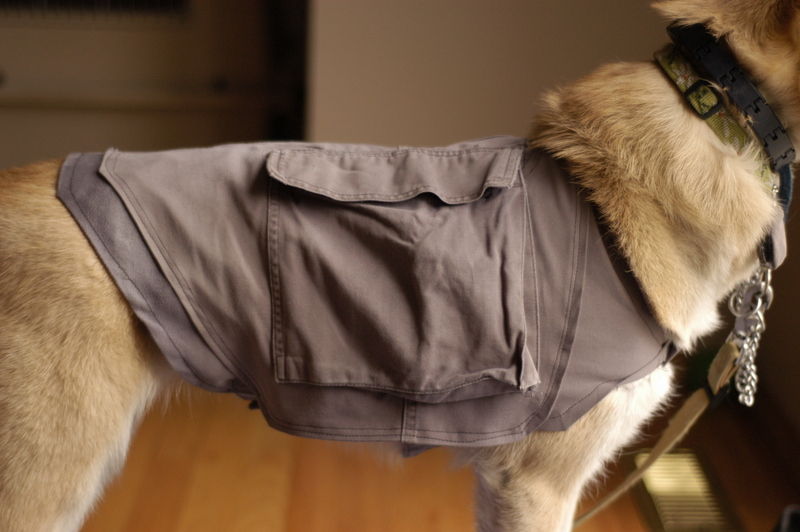
Clothing with added weight can increase workout difficulty. Sew small pockets into old jackets or pants. Insert heavy items like metal washers or sandbags. Use ankle or wrist weights for targeted resistance. Choose comfortable, flexible clothes to maintain movement range.
Other Diy Weight Solutions
Try filling a belt bag with heavy objects for core workouts. Use water-filled plastic bottles strapped to arms or legs. Create weight bands with duct tape and small weights. Even household items like canned goods can serve as hand weights. Always secure weights well to avoid slipping or imbalance.
Frequently Asked Questions
What Can I Use If I Don’t Have A Weighted Vest?
Use a backpack filled with books, water bottles, or sandbags as a weighted vest alternative. Secure items tightly to avoid shifting.
How To Mimic A Weighted Vest?
Mimic a weighted vest by wearing a backpack filled with books or water bottles. Secure it tightly for stability. Use ankle or wrist weights to add more resistance during workouts.
What Can I Fill My Weighted Vest With?
Fill your weighted vest with sand, steel shot, small metal weights, rice, or pea gravel for effective, adjustable resistance.
What Are The Negatives Of Weighted Vests?
Weighted vests can cause joint and back strain, poor posture, restricted breathing, discomfort, heat stress, and altered movement. Avoid heavy or ill-fitting vests. Beginners and those with heart or joint issues should be cautious. Gradual use and proper form are essential to prevent injury.
Conclusion
DIY weighted vest hacks help you save money and customize weight. Use common materials like old clothes, bags, or sandbags. Start light and increase weight slowly to avoid injury. Always check comfort and fit before workouts. These simple tips make your training more effective and fun.
Try different designs to find what works best for you. Stay safe and enjoy your fitness journey with your homemade vest.